Sailing the Baltic & Beyond: Europe’s Coolest Northern Routes
Dramatic, rugged, pristine, and moody, Europe's coolest northern yachting routes are sure to enchant. Here's where to go.

When you think about sailing routes, places like the Caribbean or the Mediterranean may be the first that come to mind, but Northern Europe offers unique cruising grounds with vast areas of untouched nature, the ideal backdrop for a yacht getaway.
While the water might not be warm, the opportunity for an unforgettable adventure more than makes up for those cooler temperatures. From magnificent fjords, plunging waterfalls, and labyrinthine waterways framed by dramatic mountains to rich culture and abundant wildlife, everyone should have the opportunity to sail some of Europe’s coolest northern routes.
The Åland Islands, Finland
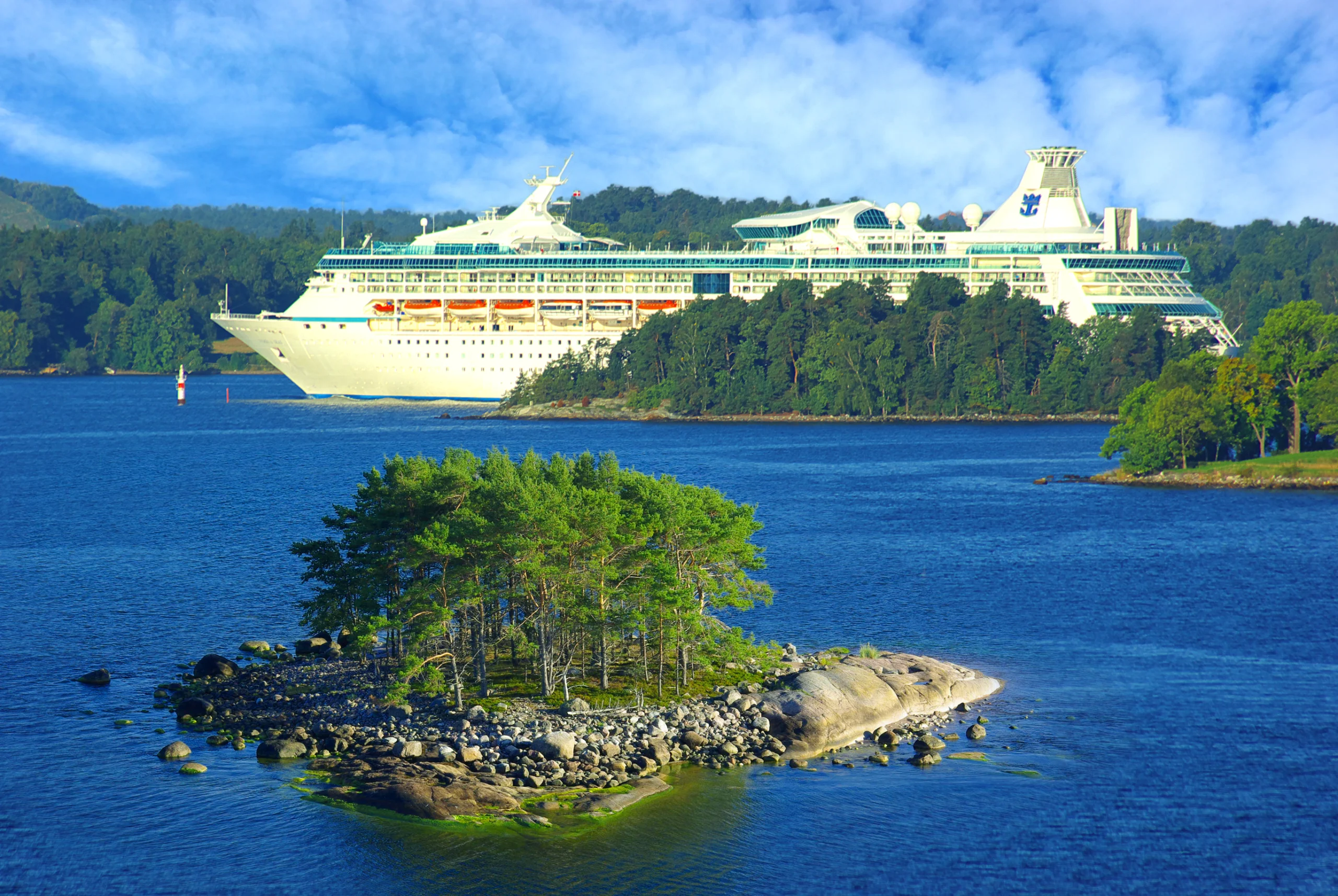
Photo by © Plotnikov | Dreamstime.com
Finland’s capital is a gateway to the idyllic Åland archipelago, an autonomous region of Finland where Swedish is the first language spoken. The unspoiled islands are renowned for their beautiful landscapes, including secluded coves with sandy beaches, and for their rich maritime heritage. Mariehamn is the capital and the perfect place to start, located on Fasta Åland, the largest and most significant island. It has two large marinas that are good for visiting yachts, particularly the ÅSS Marina on the west side of the city near the Maritime Museum.
From Mariehamn, you can sail around the main islands on a northerly or southerly circuit. If you’d like to explore some of the more remote islands to the east, Finnish Utö is a good stop with just a small population of welcoming locals, a birdwatcher’s paradise with a rich history centered around its iconic lighthouse and church.
Turku & the Turku Archipelago, Finland
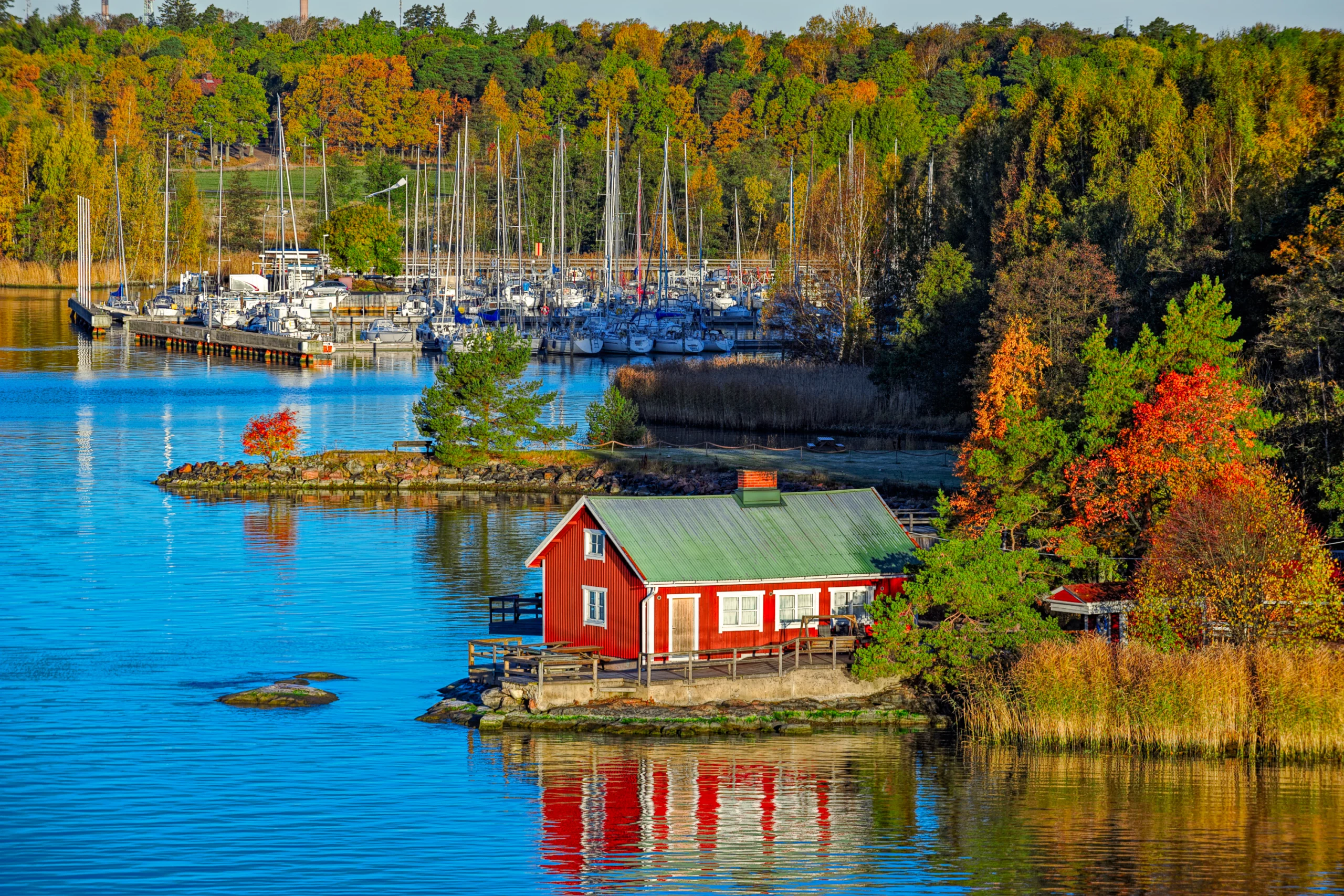
Photo by © Igor Groshev | Dreamstime.com
Another great route in Finland begins in Turku, the main hub of the Turku Archipelago, located along the Aura River, providing access to over 20,000 islands in the Archipelago Sea, part of the Baltic Sea. There are many route possibilities here, bringing the opportunity to admire unique natural landscapes while enjoying the tranquility of being out on the water. Ruissalo Marina is near Turku’s city center, well-equipped while providing excellent access to nature. Just a short distance away, the Nagu Guest Marina is often called the “St. Tropez of Finland” with luxe facilities and a lively atmosphere.
You might follow the famous “Archipelago Trail,” which showcases some of the most beautiful parts of the archipelago, ideal for an island-hopping yacht trip. Key stops include Nagu with its picturesque harbor, Korpo with its stunning natural landscapes and tranquil atmosphere, and Iniö, with quiet charms for discovering local island life.
Riga, Latvia & the Estonian Islands
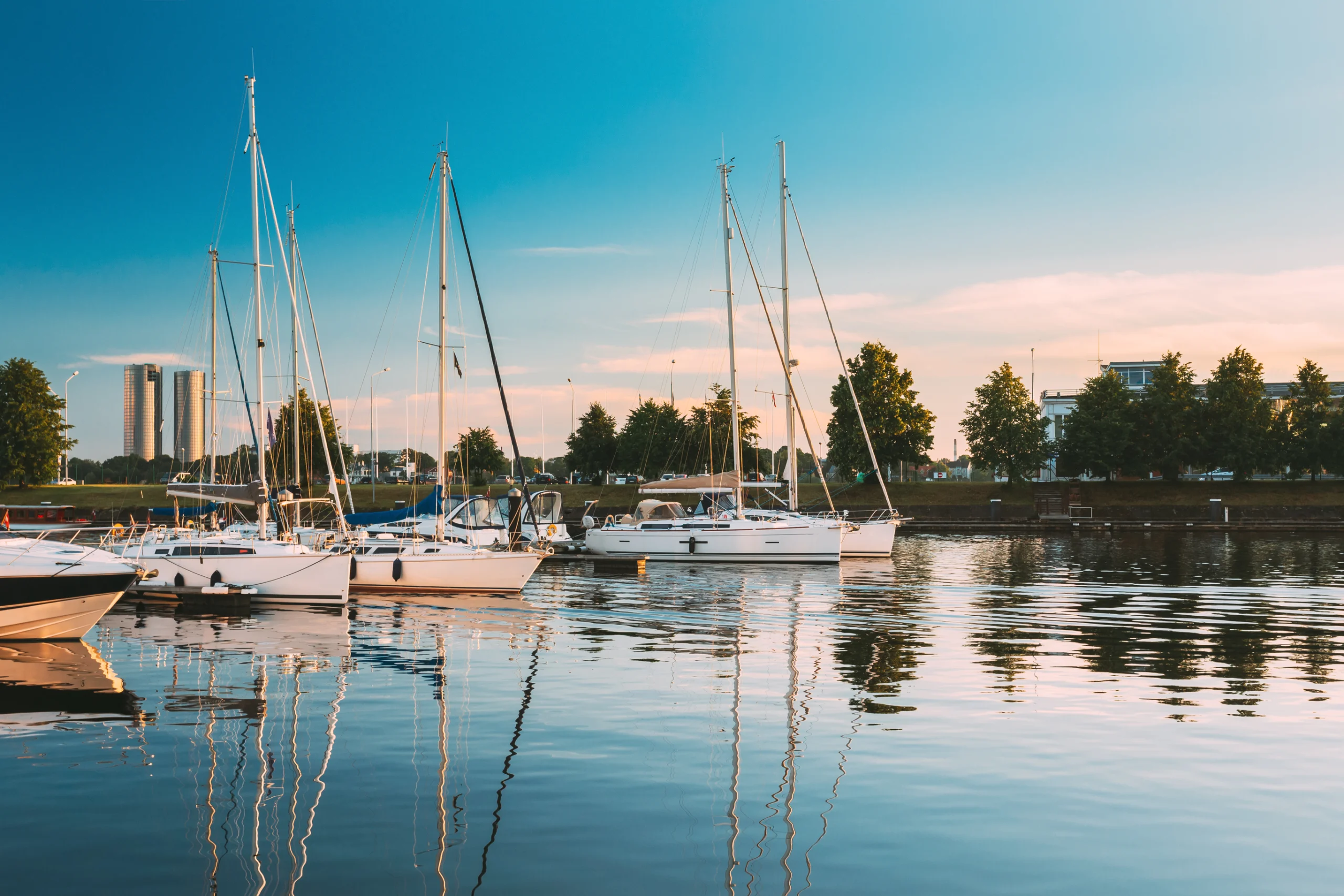
Photo by © Gbruev | Dreamstime.com
The “Paris of the North,” Riga is home to some of Europe’s most impressive art nouveau architecture, with gargoyles and goddesses adorning hundreds of buildings along cobbled lanes and stately boulevards. It’s also the Baltic gastronomy capital, providing the perfect spot to fuel up on traditional dishes or modern fusion fare before heading to the Estonian Islands. You can moor right at the center of the city before sailing along the coast, with its endless array of sandy beaches, making your way to Western Estonia and its islands, hosting nearly 30 marinas within close proximity, making it easy to visit Saaremaa, Hiiumaa, and some of the smaller islands.
Saaremaa is the largest of the Estonian islands, with an enticing mix of spectacular landscapes, a relaxed pace of life, and a rich history. It’s home to a magnificently preserved medieval fortress, an archaeological site where the world’s oldest Viking ship was discovered, and the mysterious Kaali Meteorite Crater field, one of Europe’s first scientifically proven meteorite craters. Nearly 70 percent of Hiiumaa is forested, while its coastal cliffs are inhabited by rare birds and plants. It’s also famous for its lighthouses, including 16th-century Kõpu, one of the world’s oldest continually working lighthouses. Climb it for a breathtaking panoramic view.
Sweden’s Stockholm Archipelago
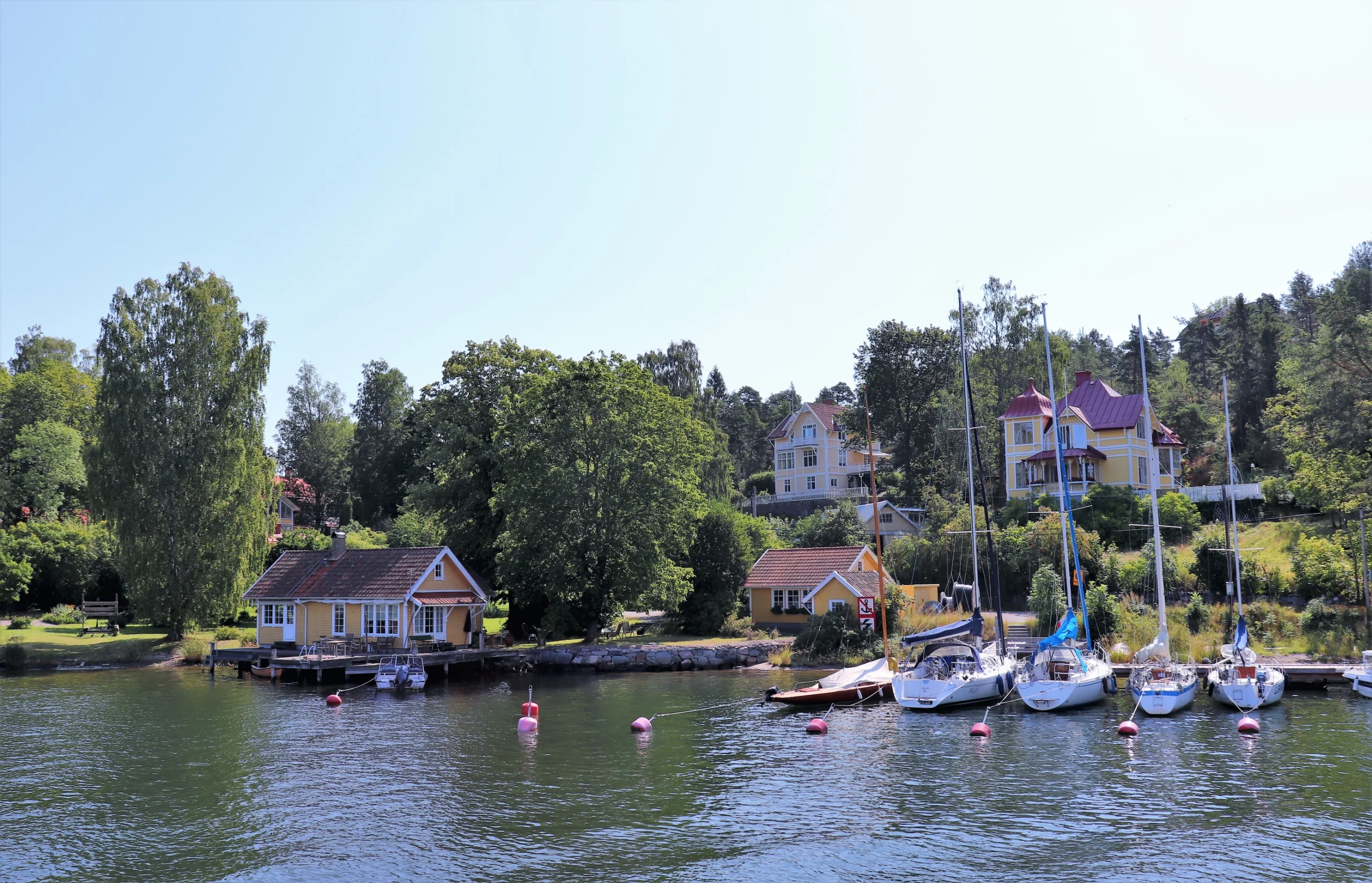
Photo by © Mariagroth | Dreamstime.com
A favorite among Swedish yachters and sailors of all types, the Stockholm Archipelago is home to around 30,000 islands, islets, and skerries, stretching about 50 miles east from the capital into the Baltic Sea. With little current and breathtaking natural beauty, it makes for excellent cruising grounds. There are historic fishing villages to explore and a wide range of outdoor activities to enjoy on land and water. The best marinas before departure include Gåshaga Marina, ideal if you want to visit Stockholm first, with the easiest access to the inner islands located at the eastern tip of Lidingö. North of the city, Svinninge Marina is a dedicated sailing hub with world-class facilities.
Be sure to explore Stockholm’s historic center, Gamla Stan, before taking advantage of the nearly endless options up and down the coast. Highlights include the capital of Vaxholm with a historic fortress, Sandhamn with picturesque beaches and hiking trails, and the tranquil islands of Möja and Finnhamn, ideal for swimming, kayaking, and exploring forested trails.
The Lofoten Islands, Norway

Photo by © Rudi1976 | Dreamstime.com
The Lofoten Islands off the western coast of Norway are known for their charming fishing villages with iconic red fishermen’s cabins and a backdrop of towering mountains with jagged peaks. Located just above the Arctic Circle, there are seven main islands and numerous smaller islets that form an archipelago, with hundreds of islands in total. The landscapes are jaw-dropping, with fjords and glaciers adding to the incredible beauty. The further north you go, the more sun you’ll enjoy in the summer—nearly 24 hours around the solstice. All the daylight means more time for adventures like kayaking, hiking, and watching the abundant wildlife, from orcas and humpbacks to otters, seals, puffins, and eagles.
The best sailing route generally follows the length of the islands, starting from Bodø before winding through stunning fjords and exploring villages like Reine, Henningsvær, and Svolvær.
The Norwegian Fjords from Bergen to Bodø
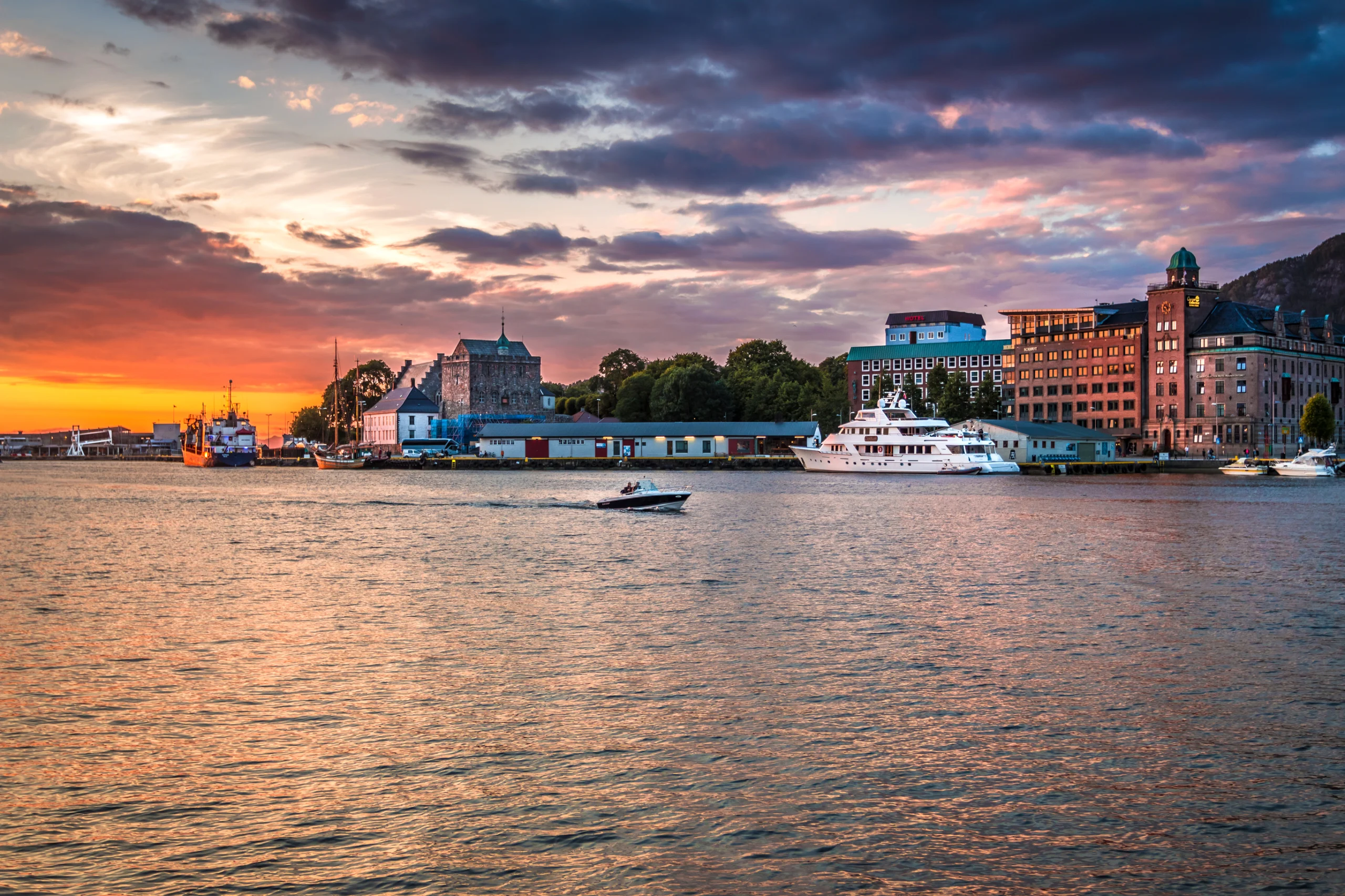
Photo by © Trumanha82 | Dreamstime.com
Another bucket-list sailing experience will take you along Norway’s west coast, cruising the Norwegian fjords from Bergen to Bodø. The route showcases some of Norway’s most breathtaking scenery, including a labyrinth of fjords, soaring snow-capped peaks, and picturesque villages with fascinating Viking history. You can also watch for whales, puffins, and eagles from the water, and reindeer on land. Bergen is a gateway to the Insta-famous Trolltunga Mountain southeast, but before sailing, be sure to wander through Bryggen (part of the historic center), with colorful UNESCO-listed buildings. Bergen Harbour provides the most central spot for exploring and picking up provisions.
Some of the highlights on your way north include Ålesund with a beautiful art nouveau district, a 150-year-old lighthouse, and the 1909 church made from Norwegian marble with stained-glass windows and gorgeous frescoes. Molde, Kristiansund, Trondheim, Rørvik, Brønnøysund, Sandnessjøen, Nesna, and Ørnes are all worth stops before reaching Bodø.
The Danish Islands from Bornholm to Copenhagen
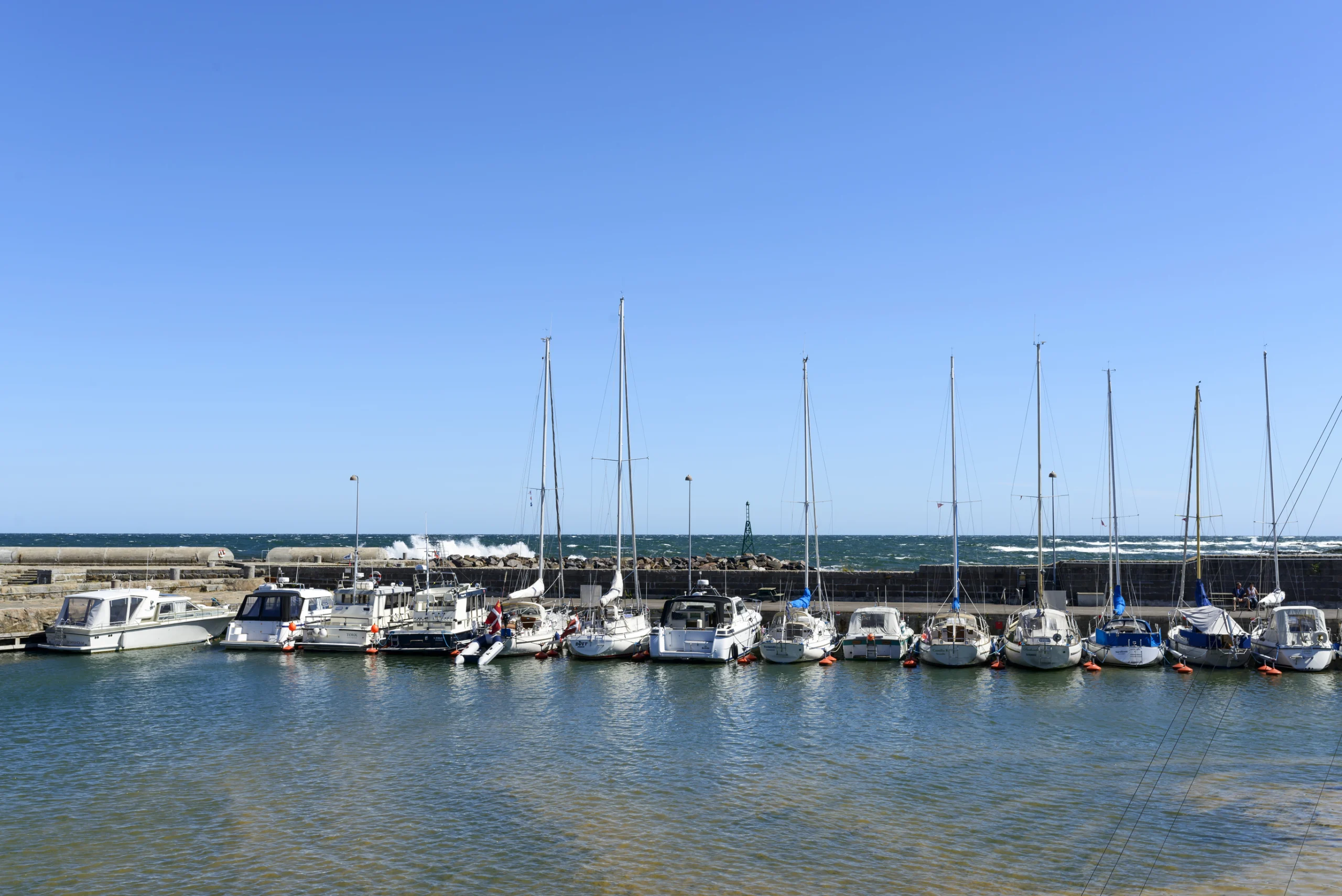
Photo by © Piotr Pawinski | Dreamstime.com
There are over 1,400 islands in Denmark, 443 of which are named. Best discovered by yacht, start from Bornholm Island, with Hasle Marina the top choice for easy mooring, a tranquil setting, and supermarkets nearby for provisions. It’s also home to clifftop medieval castle ruins, Dueodde Beach with striking white sands, and unique round churches dating to the 12th and 13th centuries. While the wind dictates the exact route, some of the most popular places to visit include tiny Christiansø, a nature reserve island just east. It’s a haven for wildlife, including grey seals. From here, you might head to Zealand to admire the famous UNESCO-listed Mons Klint on the east coast, with towering chalk cliffs rising from the sea. It not only offers magnificent views but also opportunities to hike ashore.
Concluding in Copenhagen, it’s worth spending at least a night or two if only to sample the cuisine, with some of the world’s best restaurants here. It’s also known for its thriving arts scene and picturesque canals, overlooked by colorful buildings.
Iceland’s Dramatic South Coast
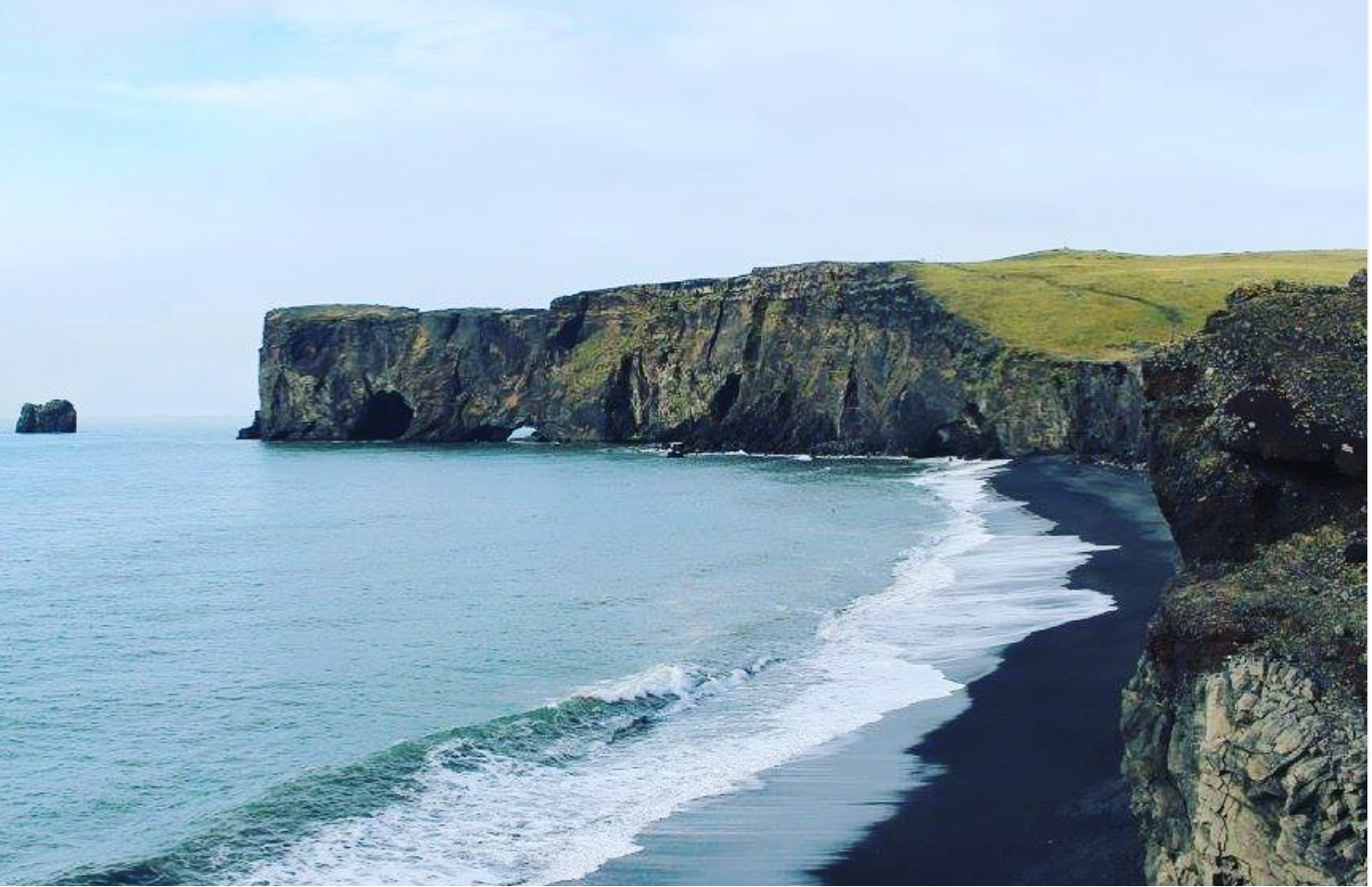
Photo courtesy of K.C. Dermody
The South Coast of Iceland is jam-packed with natural wonders, offering a dramatic journey for yachters who can explore everything from black sand beaches and cascading waterfalls to glacier lagoons. Begin by anchoring at the small village of Vik, which has a basic marina that can accommodate vessels of up to 98 feet. It’s close to Reynisfjara Beach, one of the most famous in the country. It features basalt columns, dramatic sea stacks, and midnight black sands that are beautifully contrasted by the massive turquoise waves that often reach heights of 10 feet. If you want to admire some of the attractions further inland, two of Iceland’s most iconic waterfalls are nearby: Skogafoss and Seljalandsfoss.
Continuing east, Jökulsárlón Glacier Lagoon is a must-see. Yachts of up to 131 feet can anchor near the mouth of the lagoon, where seals rest on the floating icebergs. It’s worth taking a Zodiac boat tour to get up close to the face of the glacier and possibly witness calving, along with the thunderous sound the bergs make when breaking off and falling into the lagoon. Nearby at Diamond Beach, the ice chunks often wash ashore, scattered like gems along the black sandy shores.
Oban & the Hebrides, Western Scotland
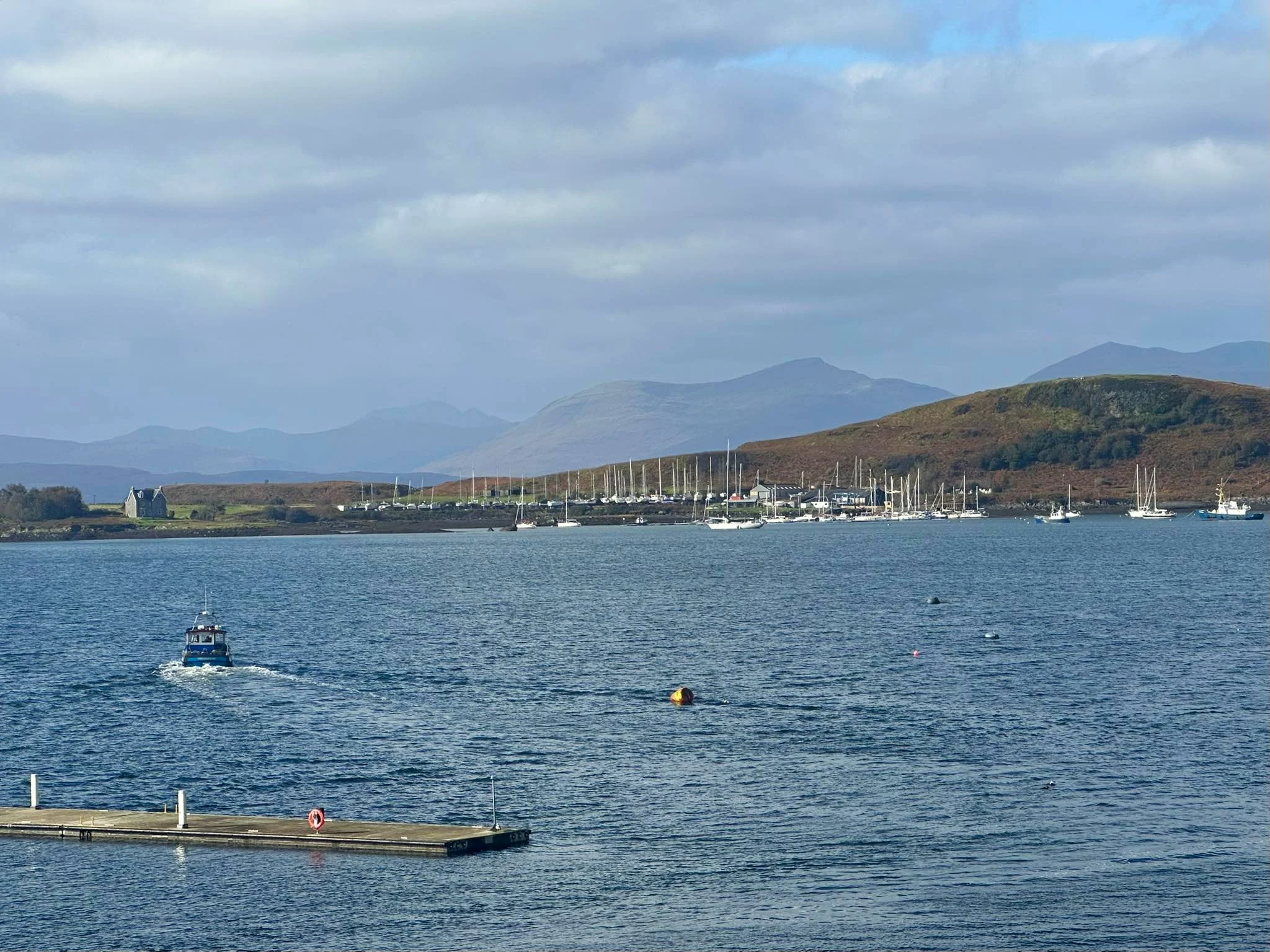
Photo courtesy of K.C. Dermody
Oban is an ideal base for exploring the Hebrides as a major sailing hub with several marinas. The most central is the North Pier Marina (Oban Harbour), which will put you just a short walk from the many shops, pubs, and restaurants. From here, shorter trips sail the Inner Hebrides, which include Mull, with sea lochs, dramatic cliffs, and shell-covered beaches; Iona, known for its 6th-century abbey, and world-famous Skye, with fantasy-like scenery that makes it a popular setting for films.
For longer and more remote cruising, you can head to the Outer Hebrides too. Barra and North Uist are popular starting points for heading north to Lewis and Harris, with Caribbean-like beaches and the Calanais Standing Stones, older than Stonehenge, erected in the Neolithic era, some 5,000 years ago.
The Channel Islands
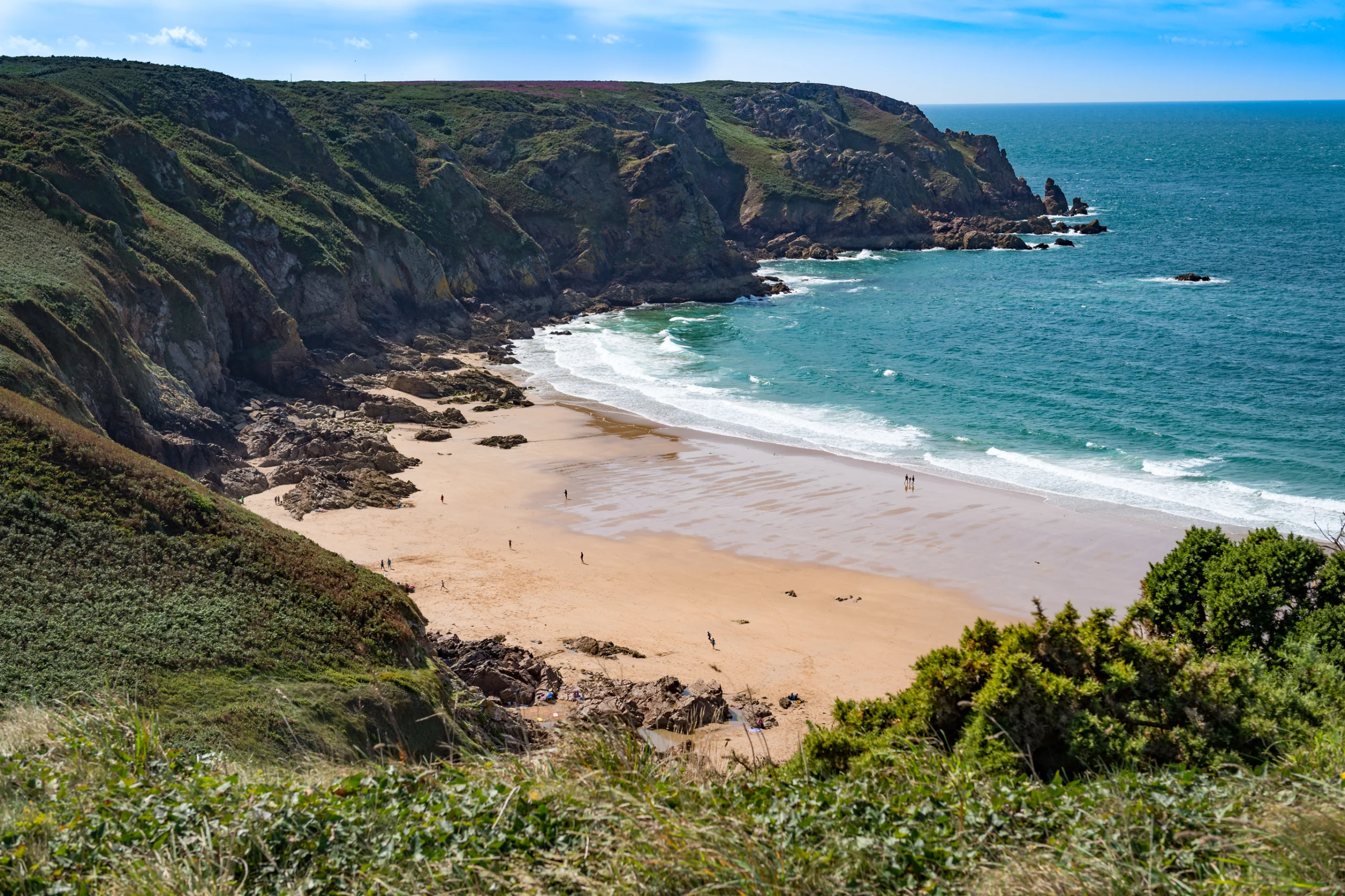
Photo by © Tim Gurney | Dreamstime.com
The Channel Islands in the English Channel off the coast of Normandy, France, aren’t part of the UK or even the EU. These self-governing British Crown Dependencies are renowned for their mild climate, unique history, and beautiful coastlines. Ideal for island-hopping, the main islands include Jersey, Guernsey, Alderney, and Sark. You might start from the capital of St. Helier on Jersey, the largest of the islands. St. Helier Marina is conveniently located right in town, just a stone’s throw away from shopping and dining while serving as a gateway to some of northern Europe’s best cruising grounds.
Guernsey is the second-largest island, with highlights that include the 800-year-old Castle Cornet, the German Occupation Museum focused on WWII history, and the former home of Victor Hugo, the Hauteville House. There are also picturesque beaches like Shell Beach and spectacular hiking trails along the dramatic southern cliffs. Alderney is the northernmost island, known for its wildlife, including massive gannet and puffin colonies, unique blonde hedgehogs, seals, and rare butterflies. Car-free Sark is the world’s only Dark Sky Island for incredible stargazing.
More articles

Ready to set sail?
Discover the perfect yacht charter for you — effortlessly with Yacht.com.


