24 Hours In Genoa: A Luxury Yacht Insider’s Guide
How to spend 24 hours in Genoa with our guide to the Ligurian capital’s historical palaces and squares, lively port, and dining scene.

At first glance, Genoa might seem a little scruffy around the edges. That’s to be expected of port cities with centuries of history. But the capital of Italy’s Liguria region, home to Italy’s biggest port, has a way of quietly stealing your heart.
Genoa triumphed as a Mediterranean maritime power in the 12th to 13th centuries. Today, this spirited city, which serves as the gateway to the Italian Riviera, lures visitors with its myriad historical and cultural attractions, delectable cuisine, and warm hospitality.
For the yachting set, Genoa is usually seen as a place for refits, provisions, or a swift crew swap. Granted it also hosts one of Italy’s best-attended boat shows. But to treat it as a quick stopover is to miss experiencing one of Italy’s most regal, layered, and welcoming cities. Genoa also has a certain quirkiness.
Valiant resistance to the German king and Holy Roman emperor Frederick Barbarossa’s attempted incursion earned the city the moniker “La Superba”, which translates in Italian as “the superb” or “the proud”. Genoa and its inhabitants continue to live up to this reputation.
A financial hub it may be, but Genoa is also a city of fascinating history, art, and style. Its centro storico, or historic center, is a labyrinth of narrow alleyways known as caruggi. Its role as a culinary vanguard is no less important. Genoa is renowned for mastering two staples of Italian cuisine: pesto and focaccia.
Whether you’re spending a day or several in Genoa, here is how we recommend you spend 24 hours in Genoa.
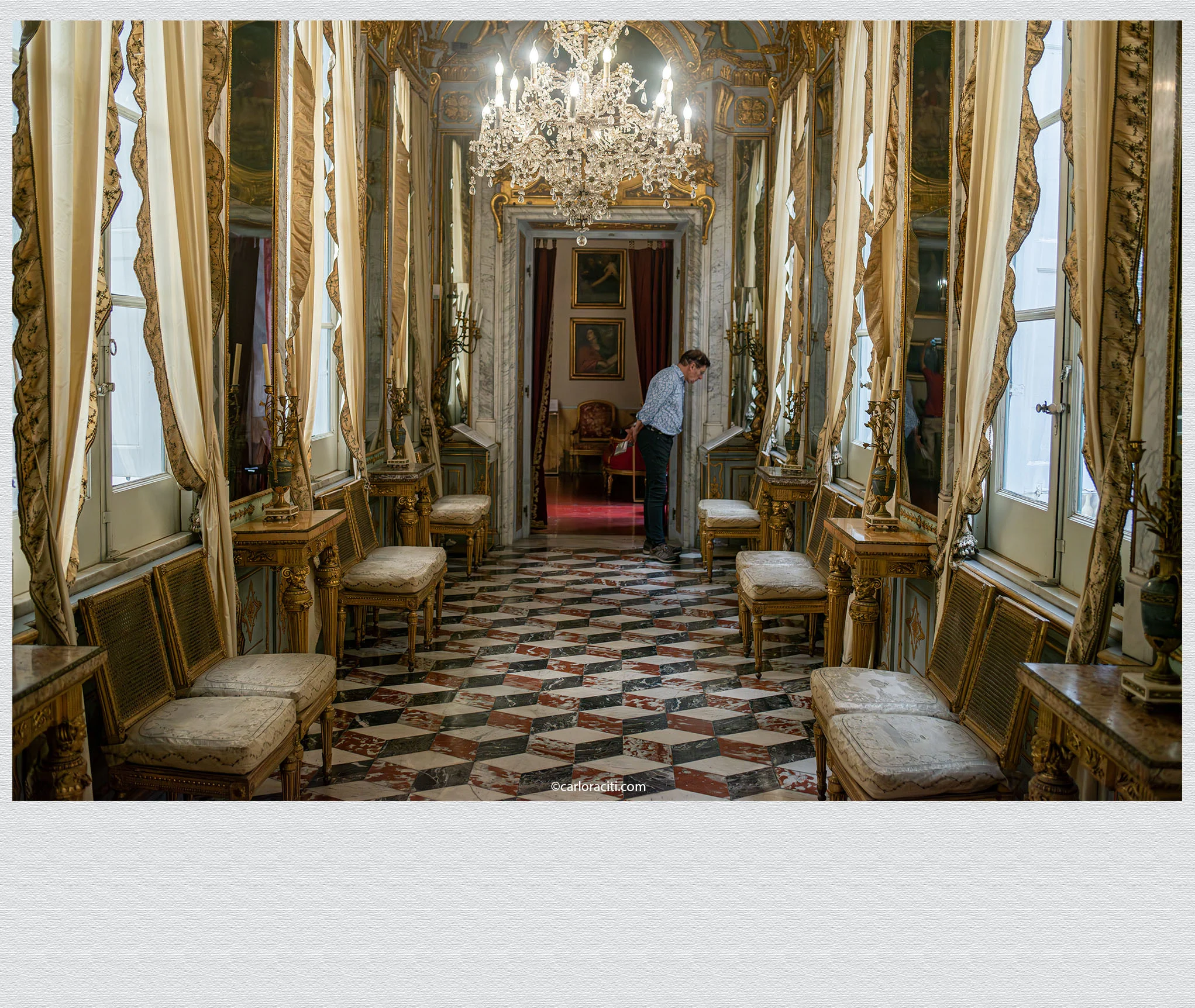
Photo by Carlo Raciti © https://carloraciti.com
Morning: Focaccia and Grand Palaces
Start your morning early with a hearty breakfast at Mercato Orientale (MOG), accessible from Genoa’s elegant high street Via XX Settembre. Browse the city’s biggest food market and order a focaccia con cipolle (onion focaccia) and an espresso. Many Genoans order plain focaccia and dip it into their cappuccino. Tour guide Barbara Cudia says there are rules governing focaccia. “It must be soft in the middle and on the bottom and crunchy on the top. Also, focaccia is weather dependent. If it’s humid, it’s usually a bit chewy,” she notes. While you’re at the markets, pick up some vacuum-packed Pesto di Pra’, traditional pesto Genovese, and local olive oil from the seaside resort town of Alassio. Note that pesto is always eaten raw on focaccia, never baked.
Next, head along Via XX Settembre, through its soaring arcades, keeping an eye out for mosaic floors depicting marine motifs. Piazza De Ferrari, the city’s main square, is the city’s commercial and financial hub but also a popular meeting spot. A circular fountain, built in 1936 and gifted to the city by the Piaggio family, sits at its heart. Connecting the old city with the Art Nouveau-styled Via XX Settembre, the square is surrounded by intriguing historical buildings of varying architectural styles. To the southeast, the former stock exchange, Palazzo della Borsa was designed by the Coppedè brothers and opened in 1912. It’s an especially extravagant example of Genoese Liberty style.
Your next stop is Palazzo Ducale, the former residence of the Doge and today the city’s prime cultural hub. Looking out over Piazza De Ferrari and Piazza Matteotti, it hosts rotating exhibitions of artists and various events.
Northeast of the square, a statue of revered Italian patriot and general Giuseppe Garibaldi stands tall in front of the Teatro Carlo Felice, which dates to 1828. One of the world’s great opera houses, only the columns and portico are original. Afterwards, make your way to Via Roma and Galleria Mazzini, lined with brand stores, like Ferragamo and Valentino, and small boutiques.
Photos by Carlo Raciti © https://carloraciti.com
Afternoon: The Rolli Palaces and Sweet Delights
In the afternoon, make your way along Via Garibaldi, which some describe as the world’s most beautiful street. Here, in the “new streets” or the narrow Strade Nuove, are several of Genoa’s 42 UNESCO World Heritage-listed Rolli Palaces. Built during Genoa’s shipping and finance heyday in the late 16th and early 17th centuries, these aristocratic Renaissance and Baroque-style residences hosted visiting ambassadors and aristocrats. Today, several are home to museums and public buildings, while others are privately owned and occasionally partially opened to visitors. One of the most impressive is Palazzo Spinola, a national museum. Largely preserved as a noble house, the palace features masterpieces by artists such as Antonello da Messina and Peter Paul Rubens, along with detailed frescoes and elaborate Florentine bambocci furniture. At nearby Piazza Portello, hop into an Art Nouveau lift that whisks you to Spianata Castelletto, a lookout point that affords sweeping views of the town.
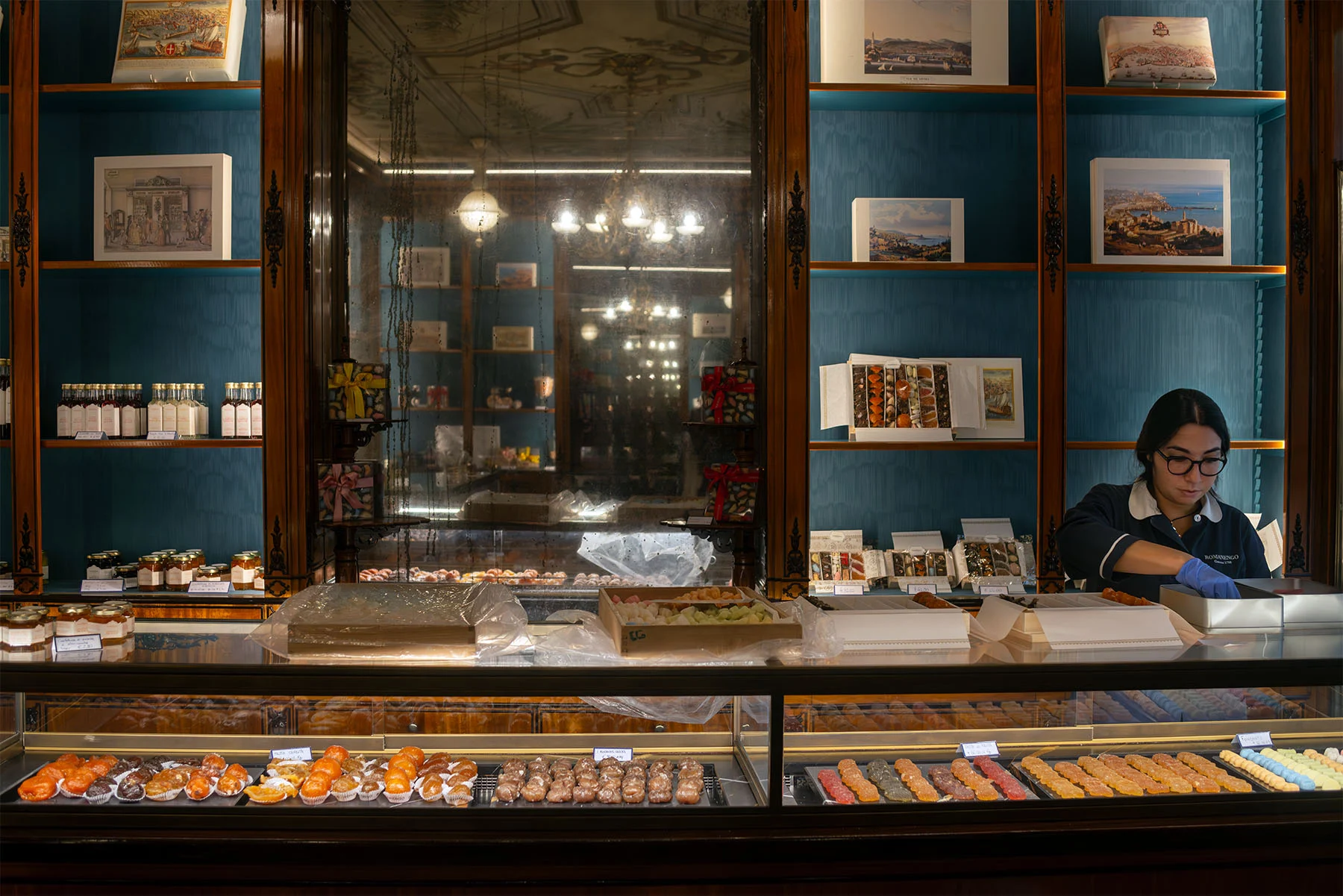
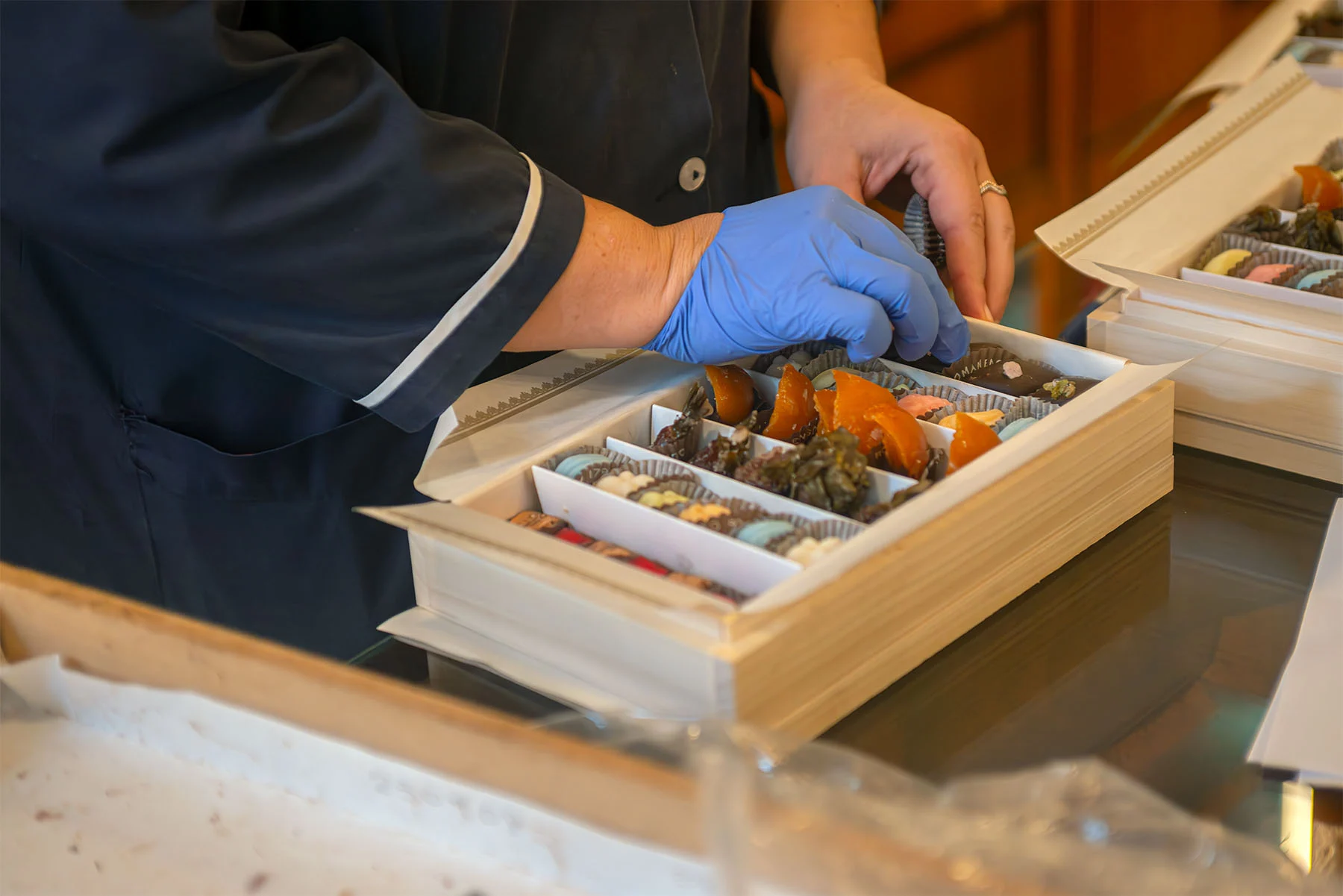
For lunch, take a seat at Rosmarino (bookings recommended), an unassuming trattoria with the Michelin Bib Gourmand stamp of approval. Sample local dishes such as trofie (Ligurian pasta) al pesto Genovese and brandacujun, codfish with potatoes and black olives. Afterwards, satisfy your sweet tooth with a visit to Romanengo. This delightful confectionery store, established in 1780, proudly continues a tradition of handcrafted delights that look as beautiful as they taste. Take your pick from classic candied chestnuts, dark-chocolate dipped clementines, and crystallized wild violet petals, packed in boxes illustrated with scenes of old Genoa.
Next, pay a visit to the Diocesan Museum to see 14 canvases depicting the Passion of Christ, which date between the 16th and 17th centuries. What makes these ethereal works of art unique is that the fabric used, indigo-dyed linen, is considered the precursor to denim, hence Genoa’s claim to be the birthplace of jeans.
More than 20 churches are found in the old town, but none is more significant than the Cathedral of San Lorenzo. Built around 1098, it has a distinctive black-and-white stone facade and combines Romanesque-Gothic architecture. Inside, a bomb dropped by the British during World War II lies intact and unexploded; the Genoese view it as both a miracle and a symbol of the city’s resilience.
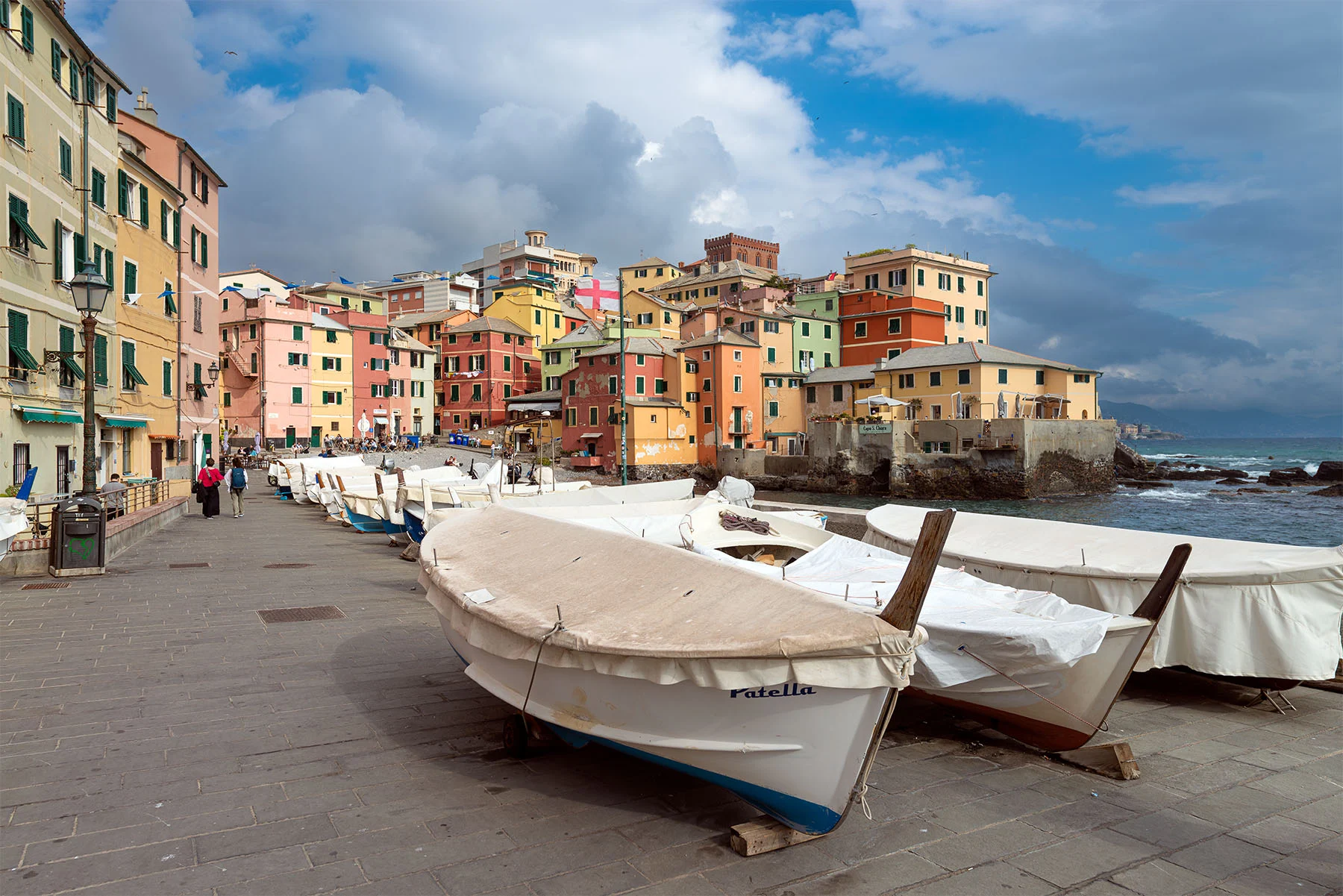
Photo by Carlo Raciti © https://carloraciti.com
Early evening: Porto Antico and Aperitivo on the Waterfront
Genoa takes pride in its strong artisanal tradition, best exemplified on Via San Luca and Via degli Orefici, and nearby side streets. Stroll along these two streets, taking in the sights, sounds, and aromas of years gone by. Haberdashers, bakers, antique store owners, music instrument makers, and ironmongers keep traditions alive amid boutiques, gelateria, and bars. Don’t leave the city without pausing at Pescetto, on Via di Scurreria. Initially opened at another location in 1899 by an adventurous captain, this family-owned boutique has been dressing fashionable Genoese ever since. Silk scarves illustrated with images of Genoa, or nautical cufflinks, make for a chic memento or gift. Ask fifth-generation owner-operator Francesca to show you a collection of never-worn peacoats, herringbone caps, and tailored golf pants, among other rare vintage finds dating from the 1950s to ‘70s. Many are available for purchase.
No sailor worth their salt should miss Genoa’s old port, Porto Antico, which acclaimed Genoa-born architect Renzo Piano redeveloped in the 1990s. At the port’s far north end, the expansive Galata Maritime Museum traces six centuries of maritime history. Pore over countless treasures, including a scale model of a 17th-century Genoese galley, handdrawn maps, and photographs documenting Italian emigration to the US. Nazario Sauro S 518, a fully-restored Cold War-era submarine open to visitors, is moored alongside the museum.
Next, head south to the Aquarium of Genoa, which hosts peculiar marine life in danger of extinction such as sawfish, zebra sharks, and snub-nosed seahorses.
It’s time for an aperitivo, so take a seat at the dockside restaurant I Tre Merli for traditional Genoese snacks, such as thin fried cheese-topped focaccia and chickpea polenta, with views of sailboats in the harbor.
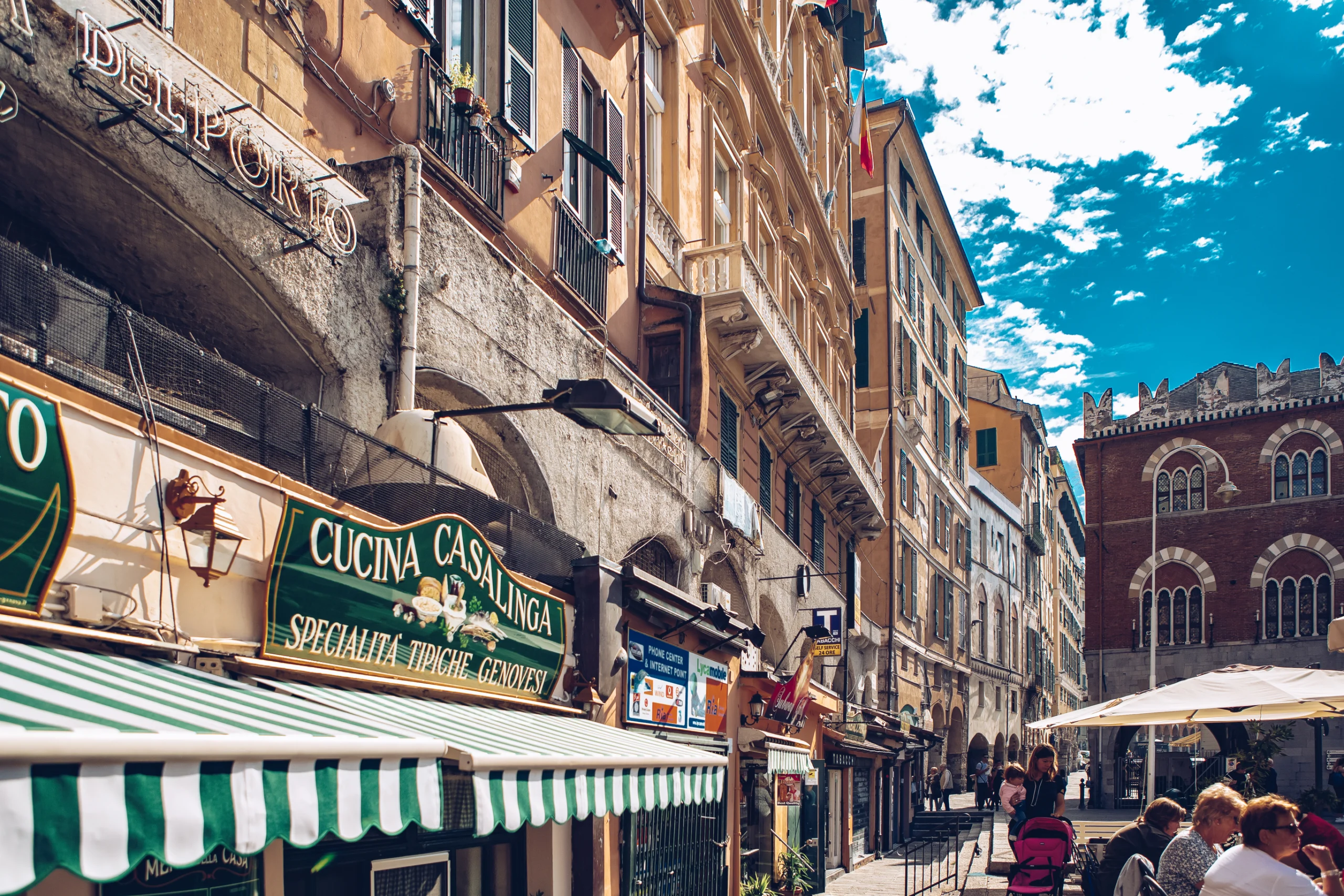
Photo by © Hurricanehank | Dreamstime.com
Evening: Reinvented Genovese cuisine
As night falls, Genoa assumes a surprisingly romantic air. It’s brimming with restaurants, many headed by chefs who look to classic local cucina povera recipes, like layered fish salad cappon magro, for inspiration. Sourcing premium ingredients from the land and sea, chef Matteo Costa has quietly made a name for fine dining hotspot Le Cicale since opening in 1999. Tucked in a quiet corner of the city, this relaxed yet refined Michelin-recommended restaurant is a favorite among local gourmands. So, make sure to book ahead.
For post-prandial drinks, head to Piazza delle Erbe, a cosy medieval square in the heart of the centro storico, that attracts locals of all ages. The finest cocktails are to be had at Biggie and Bocù. For a livelier scene, try Via Cesarea, where locals stay up, snacking and chatting till late.
If time permits, head to the fishing village of Boccadasse, a 12-minute drive east of the city. Wander among its cobblestoned streets and houses painted in peach, ochre, and mustard that trickle down a hillside to the sea. It’s especially atmospheric at sunset. If you’re feeling peckish, there are several waterfront fish restaurants to choose from and gelato shops.
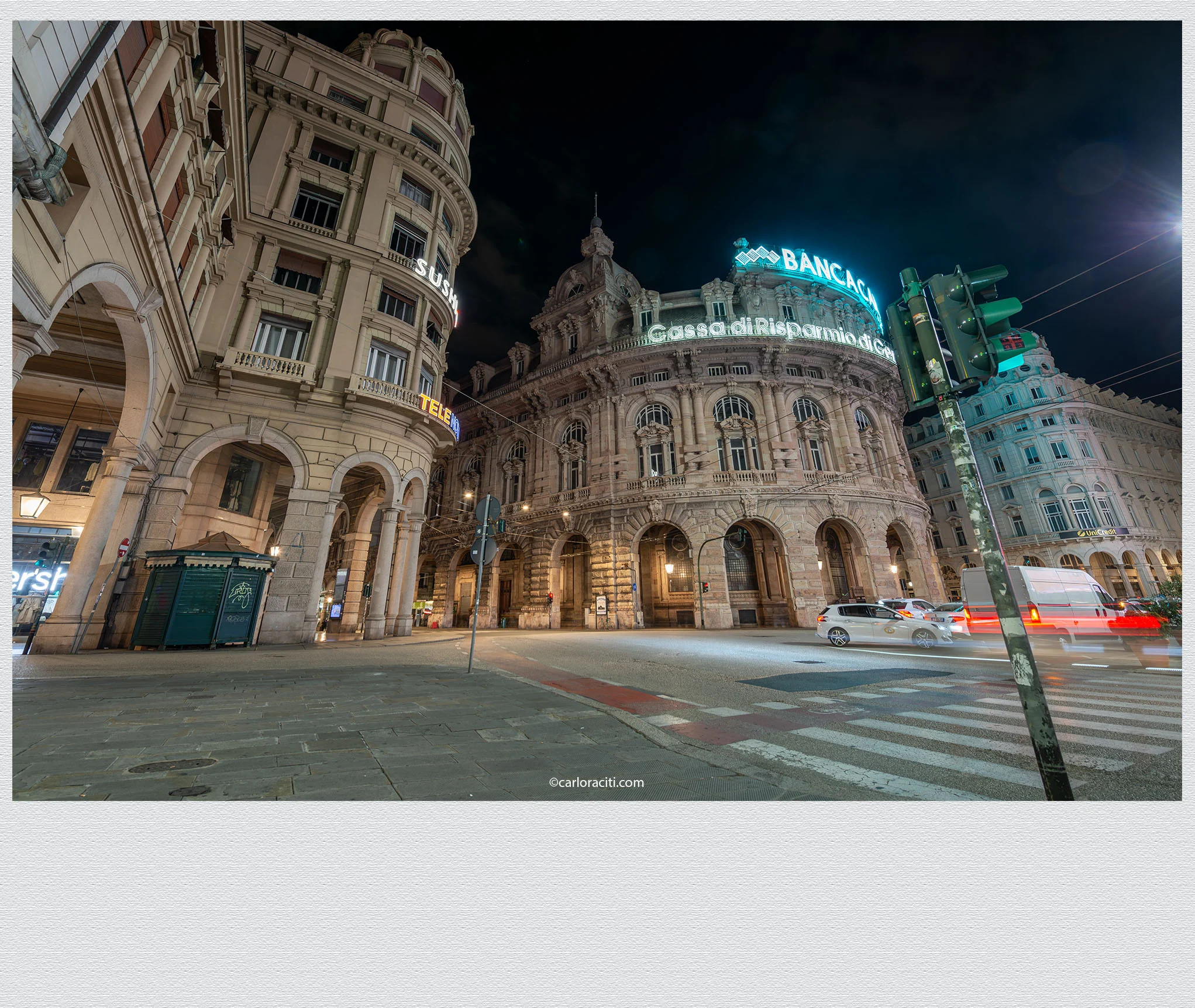
Photo by Carlo Raciti © https://carloraciti.com
A Day Well Spent
While 24 hours in Genoa might not seem nearly enough to uncover its countless curiosities, it’s sufficient for you to grasp why this compact, yet walkable city is truly underrated. From its gilded palaces and grand squares, to its caruggi and artisan workshops, history abounds on every street corner. Add to that its vibrant culinary scene, from focacceria to fine dining establishments. This itinerary provides a brief but comprehensive peek at Genoa’s highlights and may well tempt you to extend your Italian Riviera yacht charter itinerary, so you can delve further into the city.
More articles


Ready to set sail?
Discover the perfect yacht charter for you — effortlessly with Yacht.com.


