Best Times to Sail Croatia for Weather & Events + Where to Go
Here's our guide to the best times to sail Croatia for pleasant weather and to take part in some of the top annual events.

With an over 3,620-mile-long coastline and some 1,200 islands, the best way to explore Croatia is by sea. While there are ferries and massive cruise ships that can bring you to the popular places like Split and Hvar, a yacht charter will allow you to access smaller, more out-of-the-way destinations, along with the top spots for the most well-rounded experience.
Of course, to plan that ideal trip, you’ll want to have a good idea of the best times to sail Croatia for pleasant weather and to take part in some of the top annual events. Having explored the country by land and sea via small-ship cruises, I’ve put together this guide to help you plan when to go and where.
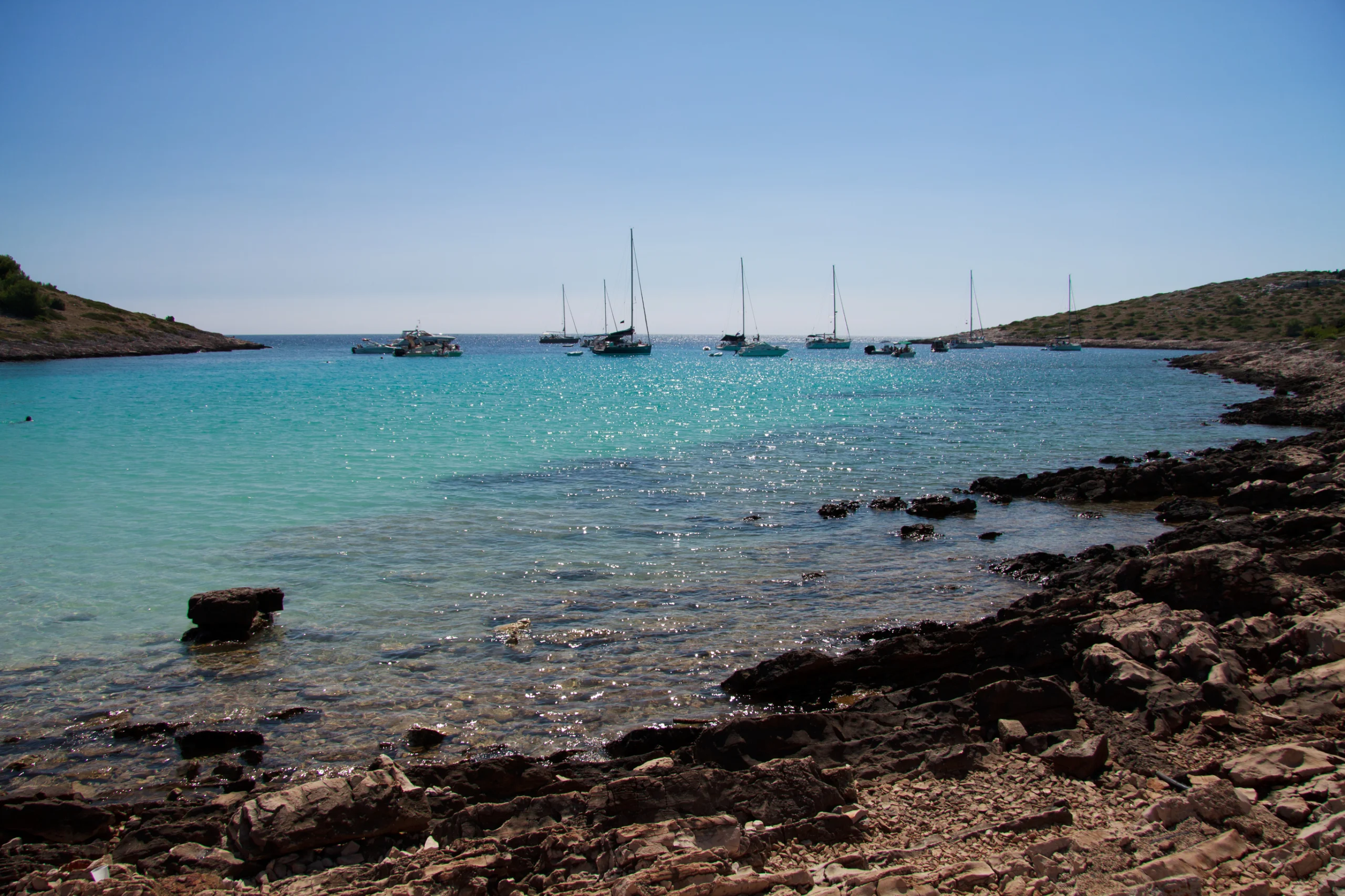
Photo by © Roberto Zocchi | Dreamstime.com
Best Time to Sail Croatia for Good Weather & Exciting Events
Croatia enjoys a Mediterranean climate with warm, dry summers and cool winters. The sailing season is generally considered to be between April and mid-October, with peak conditions from June through September. April and May are regarded as the “pre-sailing” or shoulder season, with the sea a bit too chilly for swimming at around 57 to 62 degrees Fahrenheit. The water will be warm enough for swimming from June through September, which is typically the best time for sailing, although you can expect crowds at the most popular destinations. Mid-September through mid-October is a shoulder season, meaning it won’t be as busy, while winds are steady and the sea is still warm thanks to the higher summer temperatures.
Breaking it down for a more in-depth look at what you can expect from spring through fall in terms of weather and events will help you determine the optimal time for your Croatian yacht getaway.
April and May
April and May are ideal months for those who want to avoid the crowds, especially when touring popular destinations like Dubrovnik’s walled Old City and Diocletian’s Palace in Split. Temperatures are pleasant, ranging from the upper 50s to the low 70s on average, although it’s not the best time for swimming. While the water is warming up (59 by the end of April and around 66 in late May), many will find it a bit too brisk, although it may feel refreshing to some. This is a good time to visit if you’d like to take advantage of the many photo ops without tourists getting in the way. You’re likely to find airfare is a bit cheaper than in the summer months.
If you visit around Easter, there will be colorful processions and festivals for the holiday throughout much of the country. Korcula hosts the Korčula Spring Food and Wine Festival in late April, showcasing the island’s local fare with special menus, traditional marenda (Dalmatian brunch), and indigenous wine tasting.
June through Mid-September
Summer is the warmest, driest, and liveliest time in Croatia. It’s the best season for sunbathing on beautiful beaches, leaping off your vessel into the crystal-clear turquoise sea for a swim, and enjoying other activities in and on the water, with daytime highs typically around the mid-80s Fahrenheit. Of course, as this is the peak visitor season, you may want to time your visits to popular landmarks early or late in the day to avoid the hordes.
You can expect many festivals and concerts this time of year, from the Dubrovnik Summer Festival in July and August, featuring music, theater, and dance performances in open-air venues to Hvar’s Lavender Festival in early July and the Pula Film Festival, taking place over eight days in July with international and Croatian cinema in a magnificent Roman-era arena. Plus, traditional Moreska sword dance performances are held on Monday and Thursday evenings in Korcula as part of the annual sword dance festival from June through September.
Mid-September Through Mid-October
The crowds usually start to thin around mid-September, although it’s typically still quite warm with the sea remaining comfortable for swimming through about mid-October. Temperatures are generally around the mid to upper 70s, perfectly pleasant for sightseeing and hiking in scenic places like Plitvice Lakes National Park or Split’s forested Marjan Hill. If you’re hoping to take a boat tour to visit the famous Blue Cave near Vis Island, aim to visit in September as conditions may not allow entering in October.
This period is also grape harvest time, ideal for touring and tasting the island and coastal wineries. Istria, in particular, is known for its wine festivals, truffle festivals, and olive oil celebrations. Both Pula and Rovinj host outstanding marinas, providing the perfect base to explore.
Where to Go
Split
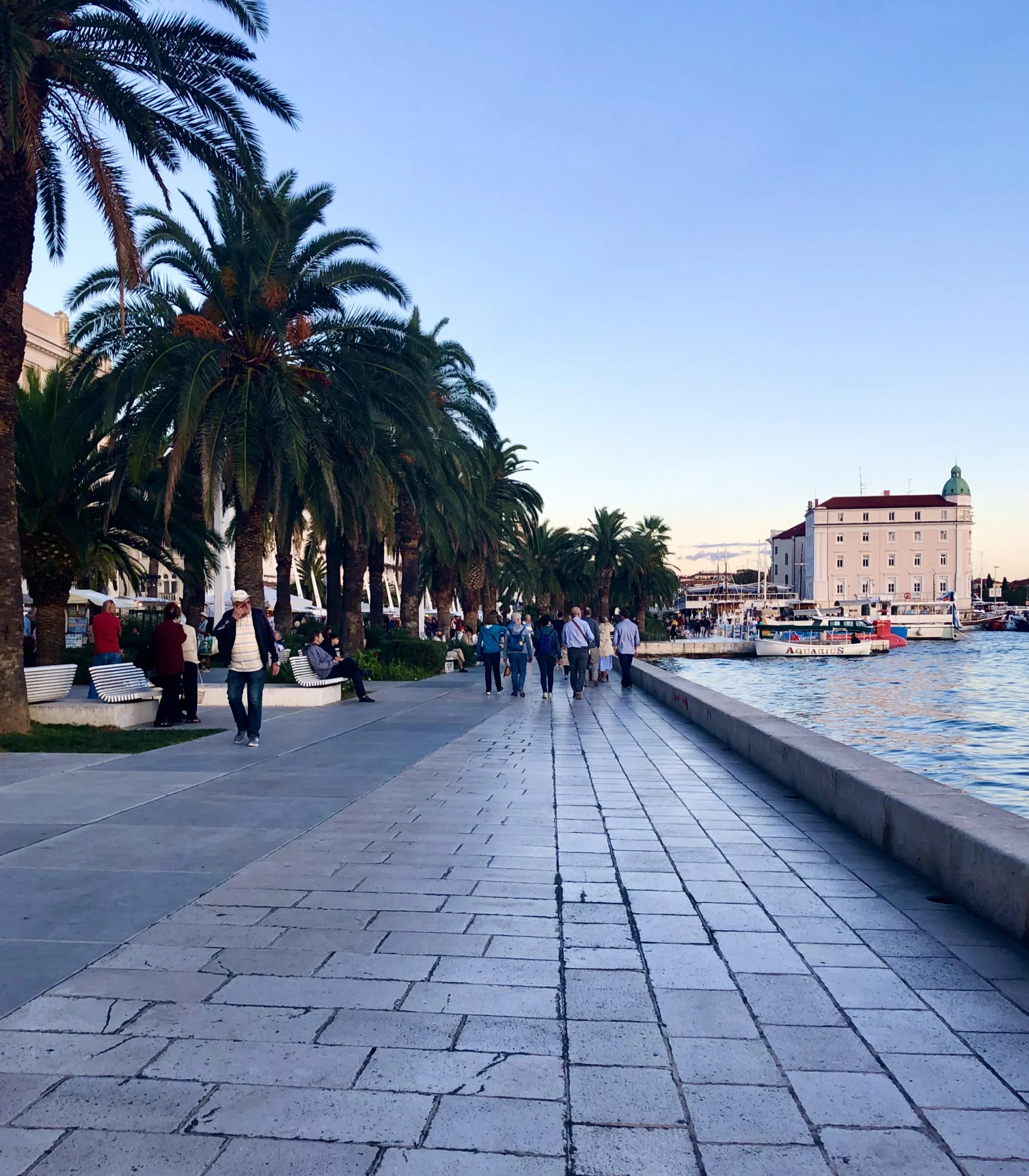
Photo courtesy of K.C. Dermody
Split is a popular departure and ending point for yacht charters and cruises of all types. This ancient city offers plenty, making it worth spending at least a night or two, most notably for Diocletian’s Palace, home to some of the most well-preserved Roman buildings in the world. There are many fantastic viewpoints, including the 200-foot-high bell tower of St. Dominus Cathedral, originally built as a mausoleum for Roman Emperor Diocletian in the early 4th century. A stroll along the Riva promenade is a must. Running alongside the marina, it’s the ideal vantage point for watching a glorious sunset, people watching, dining, and sipping a glass of the local Pošip in one of the wine bars.
Trogir
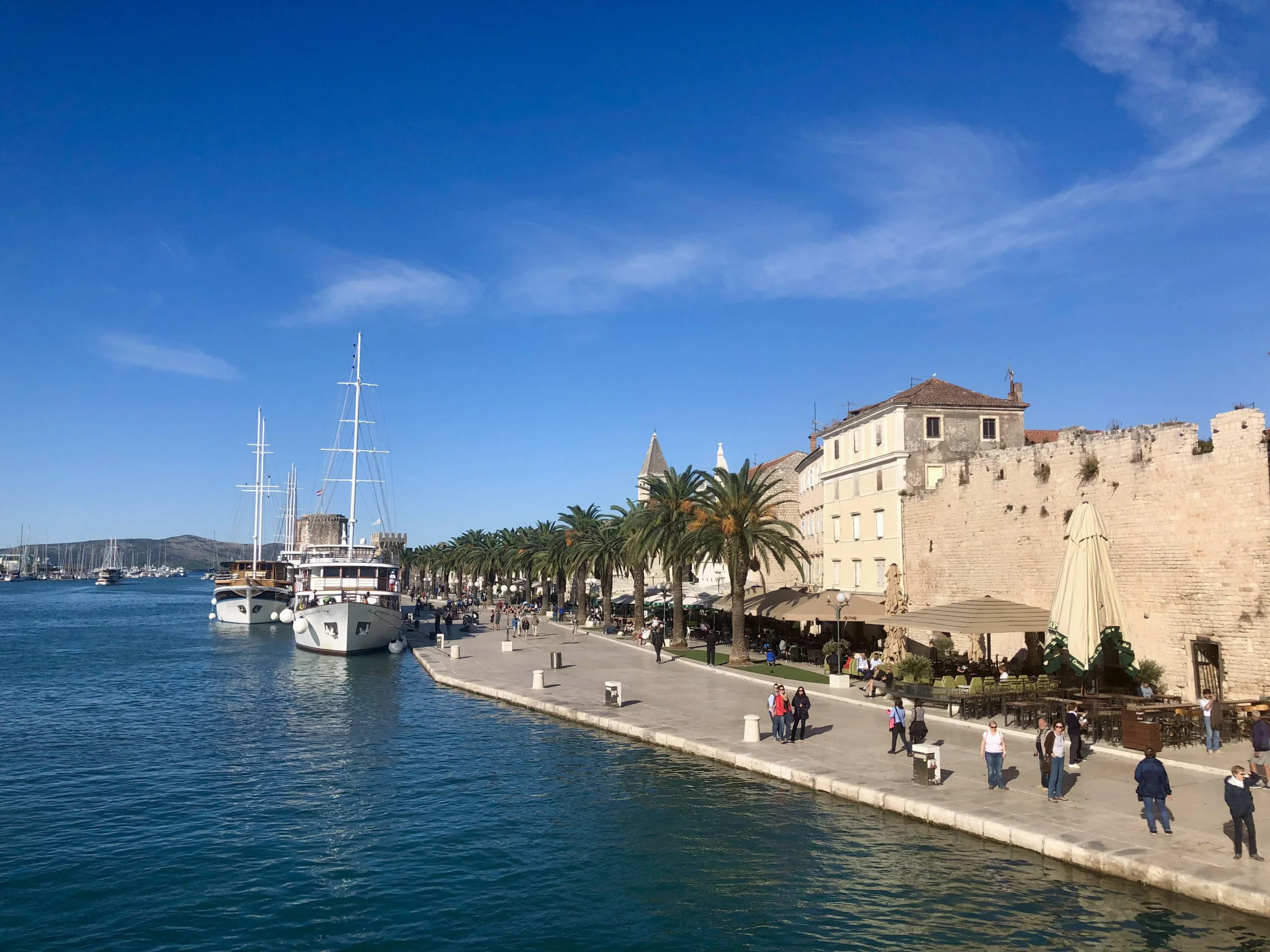
Photo courtesy of K.C. Dermody
Just a short distance from Split, connected to the mainland by a bridge, Trogir sits on a small island and boasts a rich history that dates back more than 2,300 years, founded by Greek colonists. It has a UNESCO-listed walled Old Town with a maze of stone streets lined with some of the most magnificently preserved Romanesque-Gothic architecture in Central Europe. Some refer to it as a “floating open-air museum.”
Hvar

Photo Courtesy of K.C. Dermody
One of the most popular islands to visit while sailing in Croatia, Hvar is known for its abundant sunshine and picturesque landscapes with vineyard-covered hills and lavender fields that will be bursting into bloom by mid-June, creating blankets of purple beautifully contrasted against the aquamarine hue of the sea. The largest settlement, Hvar Town, is easily recognizable by its pretty harbor, filled with megayachts in the summer. It tends to attract many of the rich and famous, including royalty and celebrities, for its postcard-perfect beaches, world-class dining, and buzzing nightlife. But there’s plenty more here, including historic landmarks like Europe’s first community theater, opened in 1612, and Spanjola Fortress, which can be climbed for a spectacular view of the harbor and nearby islands.
Korcula Island
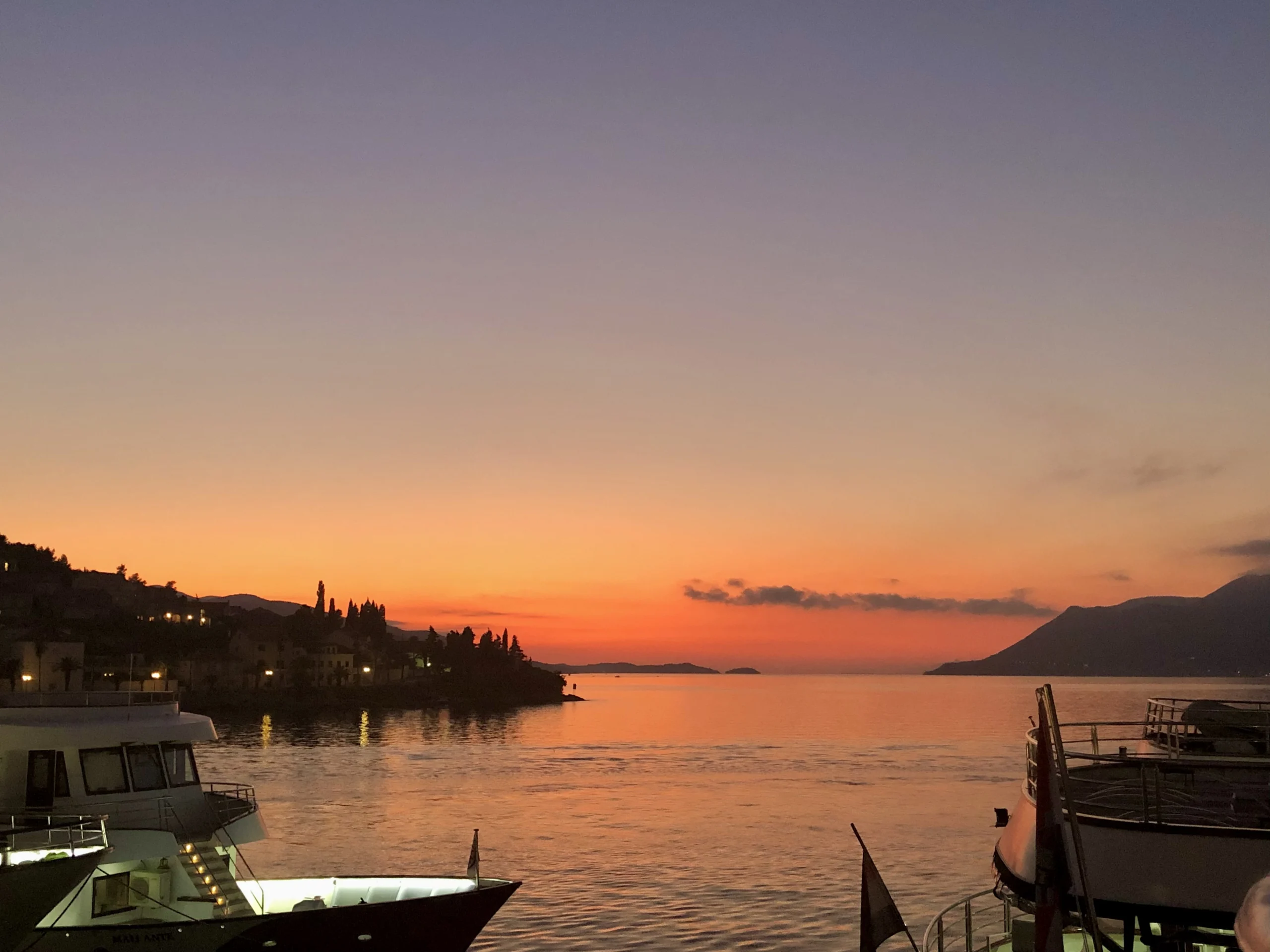
Photo courtesy of K.C. Dermody
Korcula is especially renowned for its Old Town, often called a “mini-Dubrovnik.” Looking like it walked out of the pages of a storybook, it’s surrounded by 14th-century stone walls with massive towers and gates. Inside, you’ll notice significant Venetian influence among the atmospheric streets, including the Gothic-Renaissance St. Mark’s Cathedral with its pair of winged lions. Beyond the town, there are idyllic white sandy beaches, vineyards, and charming traditional villages.
Lastovo Island
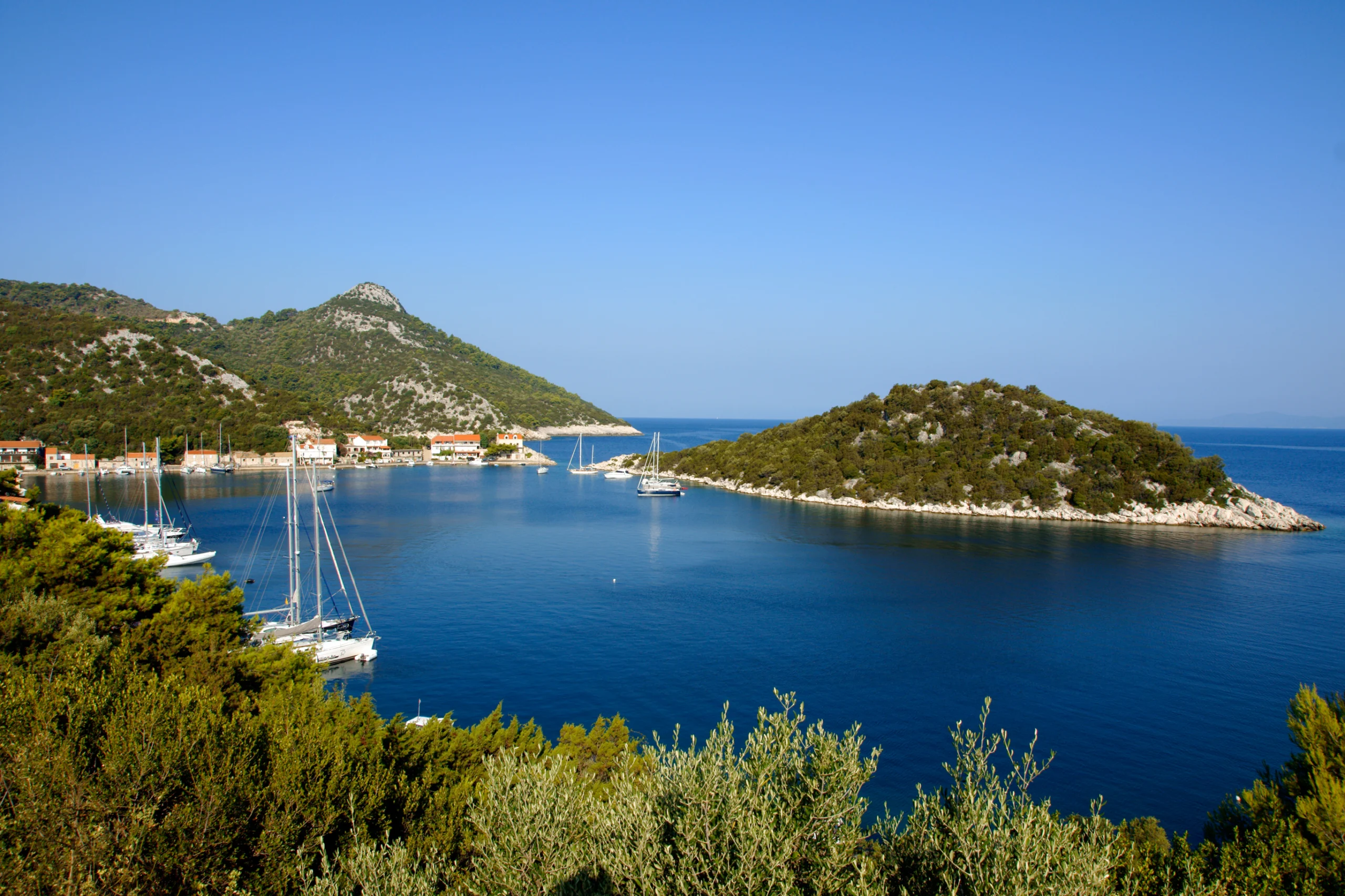
Photo by © Kuhar | Dreamstime.com
Facing Korcula Island, Lastovo is a hidden gem with an authentic village of the same name nestled on a steep slope overlooking olive groves and grapevines. There are historic churches and old stone homes with red-tiled roofs to admire, while small, crystal-clear blue bays are tucked along the shoreline, ideal for swimming and snorkeling among vibrant coral and colorful fish. On land, trails wind through vineyards and forests for hiking or biking.
Mljet Island
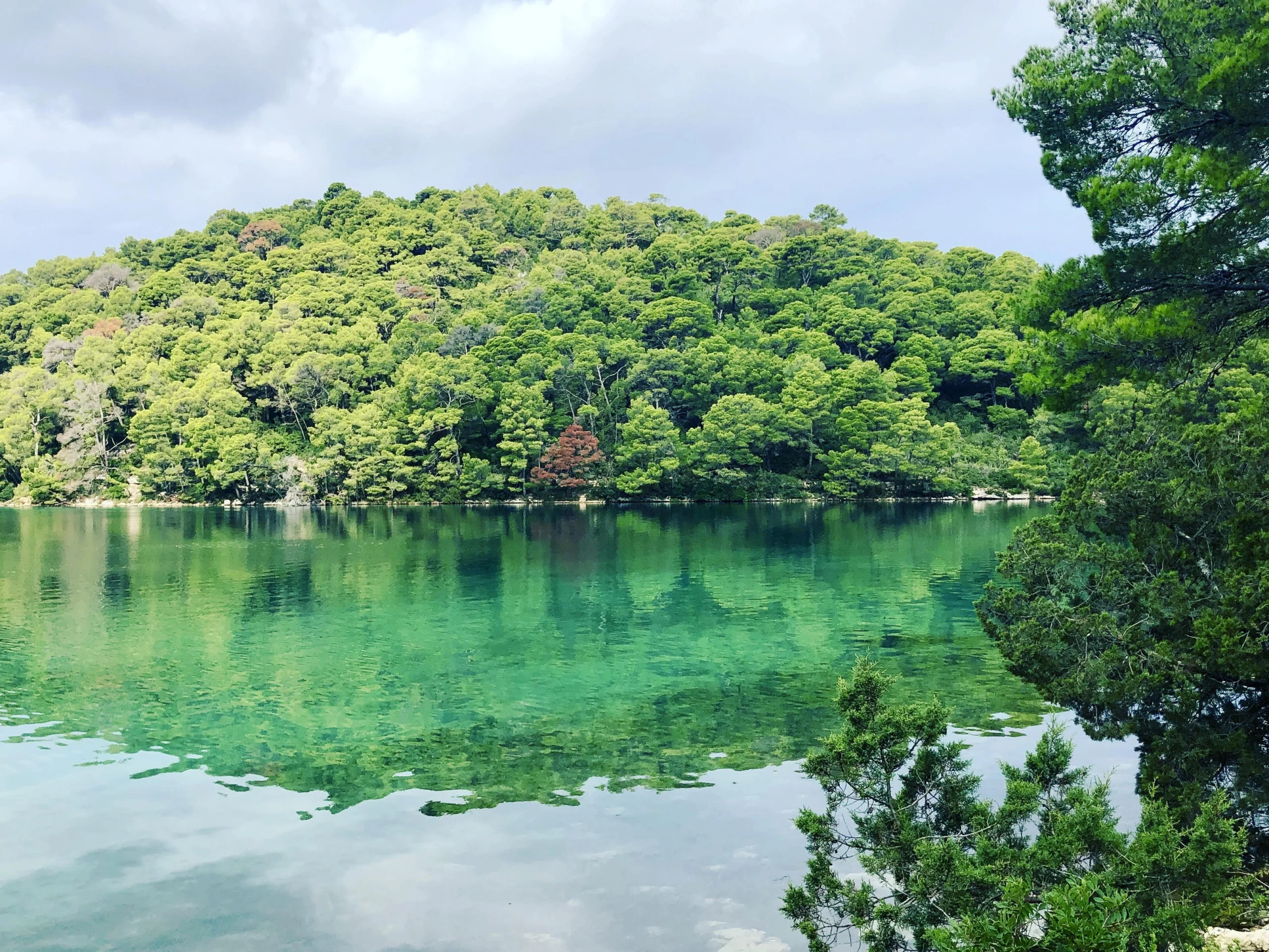
Photo courtesy of K.C. Dermody
One of the lushest islands in Croatia, much of Mljet is covered in dense forest, with almost a third protected as a national park. A nature lover’s paradise, it’s home to two saltwater lakes ranging in shades from brilliant emerald to deep blue. With the water warmer than the sea, they’re popular for swimming and lined with small, sandy beaches for sunbathing in between. It’s also possible to hike or rent bicycles to explore the scenic trails winding through the forest.
Vis Island
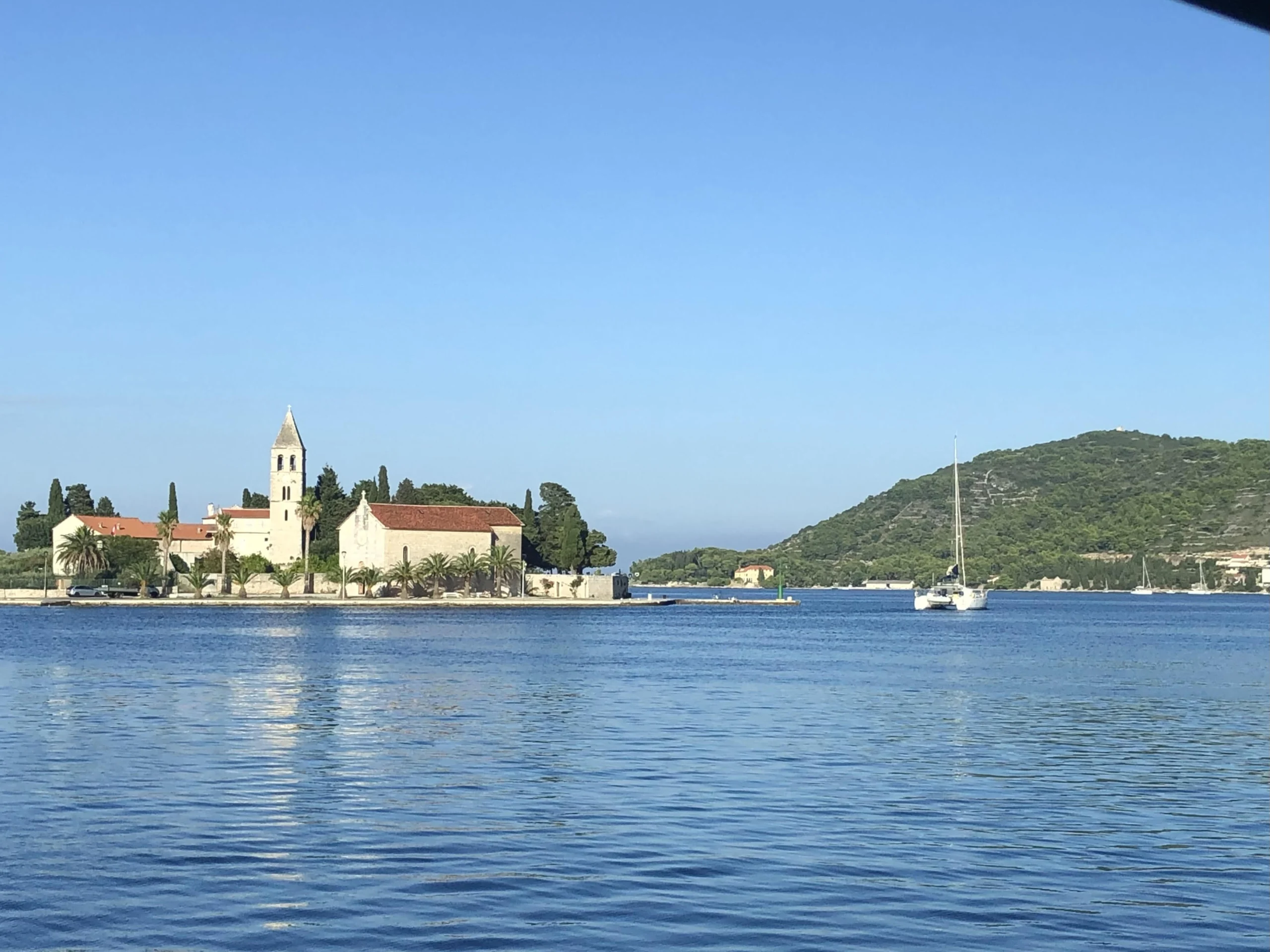
Photo courtesy of K.C. Dermody
The furthest island from the mainland, there’s little tourism development on Vis as it was used as a military base for some 40 years and closed off to the public. It’s home to Stiniva Beach, often named among Europe’s most beautiful, tucked between two towering cliffs and lapped by water in surreal hues of blues and greens, ideal for swimming and snorkeling. Stick around for a sunset to marvel at the glorious colors filling the sky, reflected in the bay below. Beyond nature, you’ll find Roman ruins and relics from the Croatian War of Independence.
Sipan, Elaphiti Islands
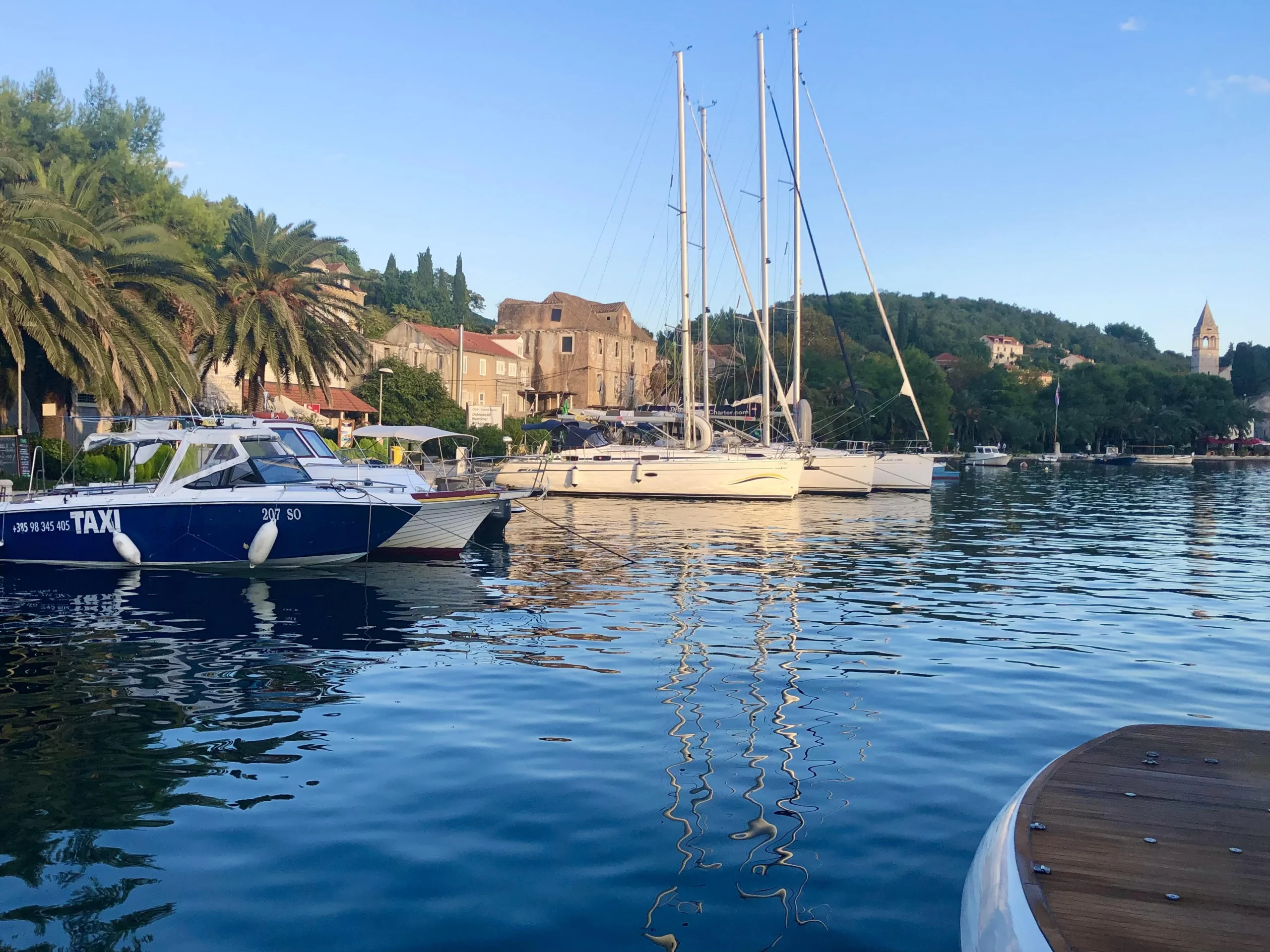
Photo courtesy of K.C. Dermody
Sipan is the largest of the 13 islands that make up the Elaphiti archipelago, just a short distance from Dubrovnik. It’s known for its secluded coves with picturesque beaches and brilliant aquamarine lagoons. There’s also a rich history to explore, including medieval church ruins like the 11th-century Church of St. Peter and the remains of a Roman villa. Sudurad is one of the two main towns, offering a pebbly beach at its heart that’s popular for water sports with various watercraft available for rent, trees for relaxing in the shade, and family-run waterfront eateries.
Dubrovnik
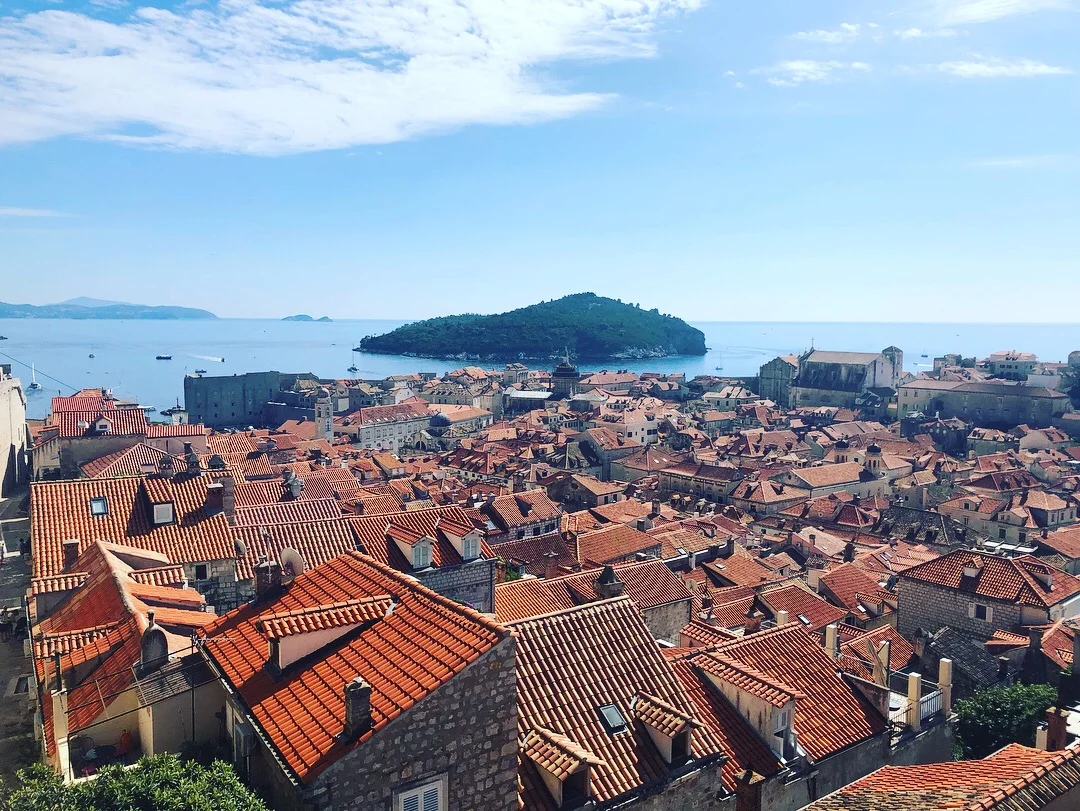
Photo courtesy of K.C. Dermody
Many yacht charters end or begin in Dubrovnik, one of Croatia’s most popular destinations, with its medieval walled Old Town home to centuries-old buildings, including Baroque-, Gothic-, and Renaissance-style palaces and churches. One of the top things to do is to walk the stone walls that encircle the historic center, providing spectacular views of the sea and nearby islands on one side, with the red-tiled rooftops on the other. Serving as King’s Landing in the hit show “Game of Thrones,” fans will recognize many iconic filming sites, from Fort Lovrijenac (The Red Keep) to the Jesuit Staircase (Cersei’s “Walk of Shame”).
More articles


Ready to set sail?
Discover the perfect yacht charter for you — effortlessly with Yacht.com.


