Greece Yacht Charter: Best Time to Go, Which Islands to Cruise, and What to Expect Each Season
Discover the best time to charter a yacht in Greece for weather and events, plus which islands belong on your itinerary.
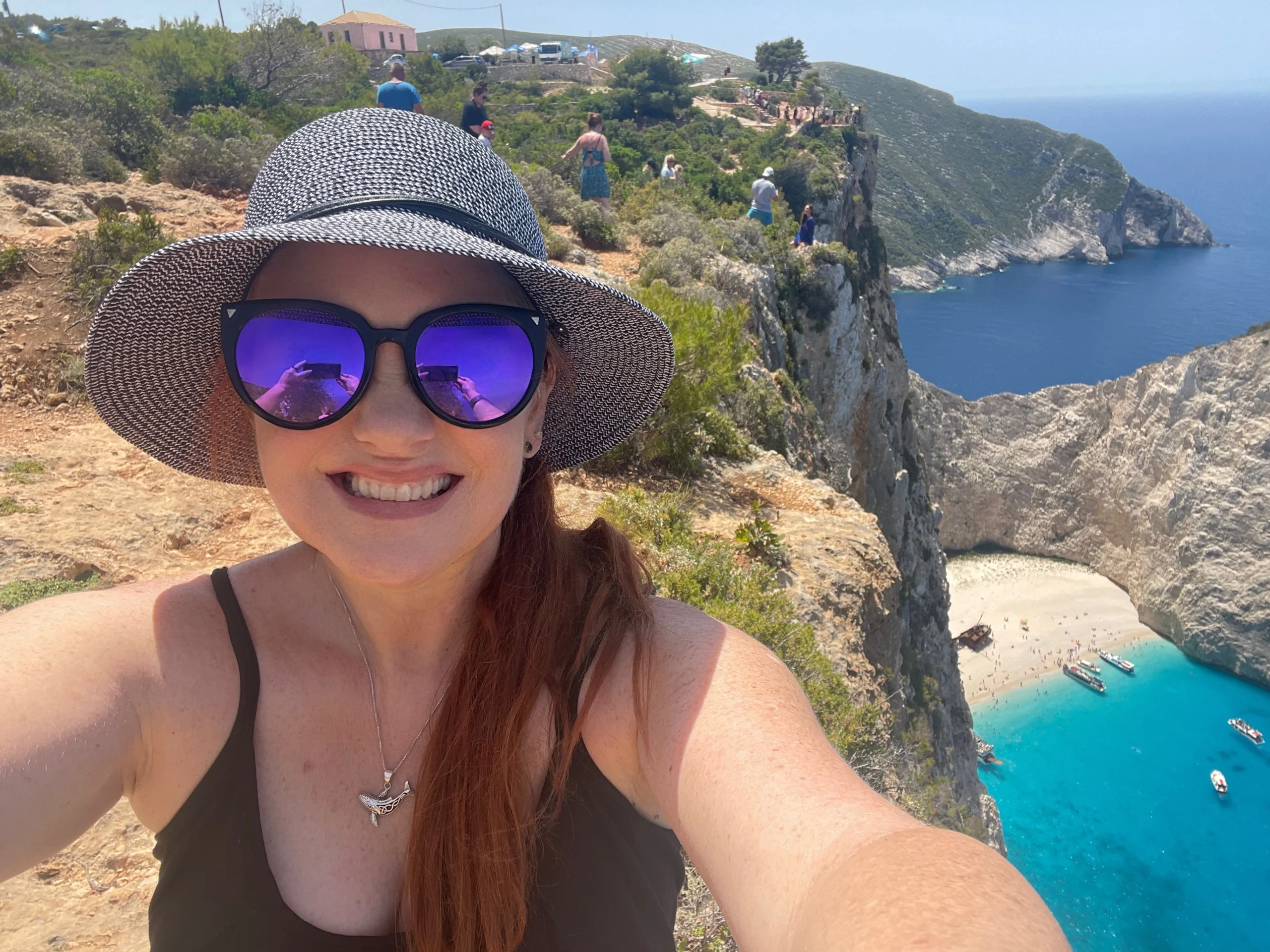
There are few better things in life than relaxing on an elegant vessel, enjoying the salty sea breeze and the Mediterranean sun while sailing in the Greek Islands. In fact, it can be addictive, which is why I’ve found myself returning to Greece again and again. With thousands of islands (227 of which are inhabited), it would take a lifetime to explore them all.
While no two islands are the same, some are home to white sandy beaches, others are known for their unique black volcanic sands, and some are rocky and barren, with pebbly shores. There are lush islands with lots of greenery and soaring mountains, and islands known for ancient ruins. When it comes to yachting, you’ll probably want to stick to one island group, or cruise the coast of the country’s largest island, Crete.
To help you plan the ultimate yacht charter escape, learn more about the country’s archipelagos, the best time to go for good weather, and events.
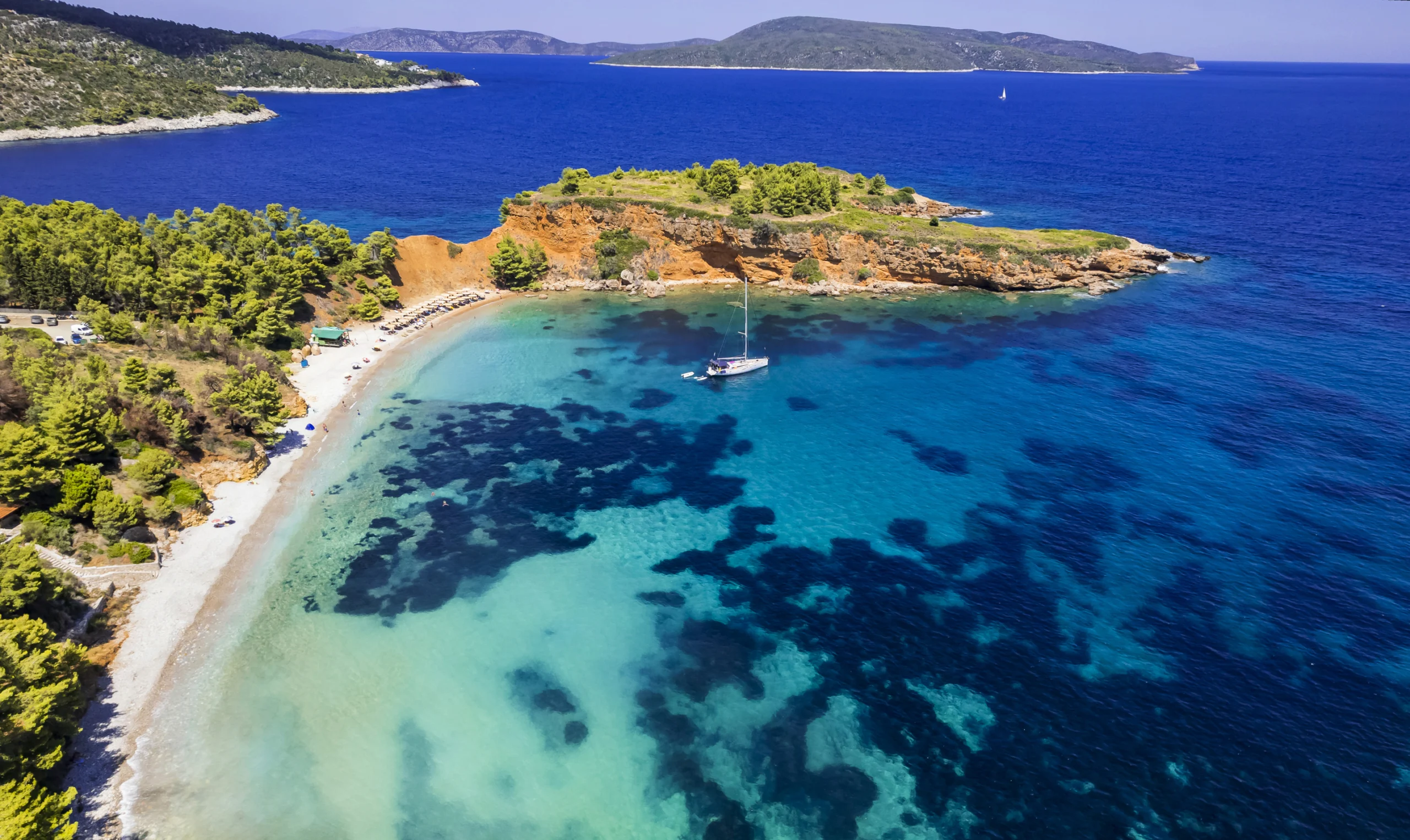
Photo by © Freesurf69 | Dreamstime.com
Best Time to Charter a Yacht in Greece by Season
The Greek yachting season runs from April through October, with summer bringing peak conditions. November through March can be wet and windy, a period that’s best avoided for those who plan to explore by water. From mid-June through mid-September, you can expect plenty of sunshine and warm temperatures with highs ranging from the upper 70s to the upper 80s Fahrenheit. The Meltemi winds are at their strongest in July and August, creating thrilling but challenging conditions that sailors often revel in. This is also when you can expect the islands to be at their liveliest, with trendy beach clubs hosting music and dancing on the sand, the harbors bustling, and the nightlife vibrant.
For those who prefer more tranquil settings with pleasant weather, consider the shoulder season months of April and May or mid-September through October, with the latter best for swimming as the sea will have been warmed by the sun throughout the summer. Still not sure? Read on for more details about each period.
April and May
April and May are good months for yachting in Greece if you want to enjoy more tranquility and decent weather. Average high temperatures in the Greek Islands in April range between 63 and 72 degrees, although the southern islands, including Crete and the Dodecanese, will be warmer, often reaching 70-73 degrees. In May, it really starts to warm up, with afternoon highs averaging 75 degrees, and again, it will be warmer the further south you go. This isn’t the best time for swimming as the sea is too cold for most, around the low 60s. Even in Crete and Rhodes, it’s still a bit too chilly for more than a quick dip.
The middle of spring is a good time to take in the sights without big crowds, with the week around Easter the exception. There will be processions and vibrant festivals peaking with Holy Week and Easter Sunday, most notably the famous clay pot smashing from balconies on Corfu Town’s Liston Square on Holy Saturday. Crete, Rhodes, and Naxos all have island-wide celebrations with candlelit processions on Holy Friday and midnight services with fireworks on Holy Saturday.
June through Mid-September
June through mid-September, basically summer, is the high season for yachting in Greece, with average temperatures around 80 degrees. July and August are the peak, with exceptional conditions, including calm waters, outstanding visibility, and low tidal ranges. The sea will have warmed up nicely by now, making it comfortable for swimming, averaging 75 to 79 degrees depending on the specific location. As the busiest time of year, you can expect crowds at the popular beaches and sites. This is the time when islands known for their beach clubs and party scenes will be at their most lively, with opportunities for music and dancing.
The Naxos Festival is held throughout July and August at the historic Bazeos Tower, with art workshops, theater, and concerts. The biggest celebration, particularly in the Cyclades, is Panagia, the Feast of the Virgin Mary on August 15, featuring traditional music, all-night dining, and village-wide feasts. The Armata Festival in the first half of September is one of the most visually dramatic in the Saronic Islands, filled with music and exhibitions, culminating with fireworks over Spetses’ harbor.
Mid-September Through Mid-October
With kids heading back to school, the visitor numbers gradually decrease in September, although much of the month remains busy on very popular islands like Santorini. Aim toward late September for a more serene sightseeing atmosphere and good weather, with temperatures around the mid to upper 70s. The sea will still be quite pleasant for swimming through mid-October, having warmed up all summer.
Santorini hosts the annual Ifestia (Volcano) Festival around the official start of fall. It includes a fireworks display simulating a volcanic eruption over the caldera, along with concerts and dancing. September is also the peak time for grape harvest festivals across the islands, particularly in Crete and Santorini, while October marks the beginning of the olive harvest season in Corfu, Crete, and other islands, providing the opportunity to get hands-on for an authentic cultural experience.
The Greek Archipelagos: Where to Cruise
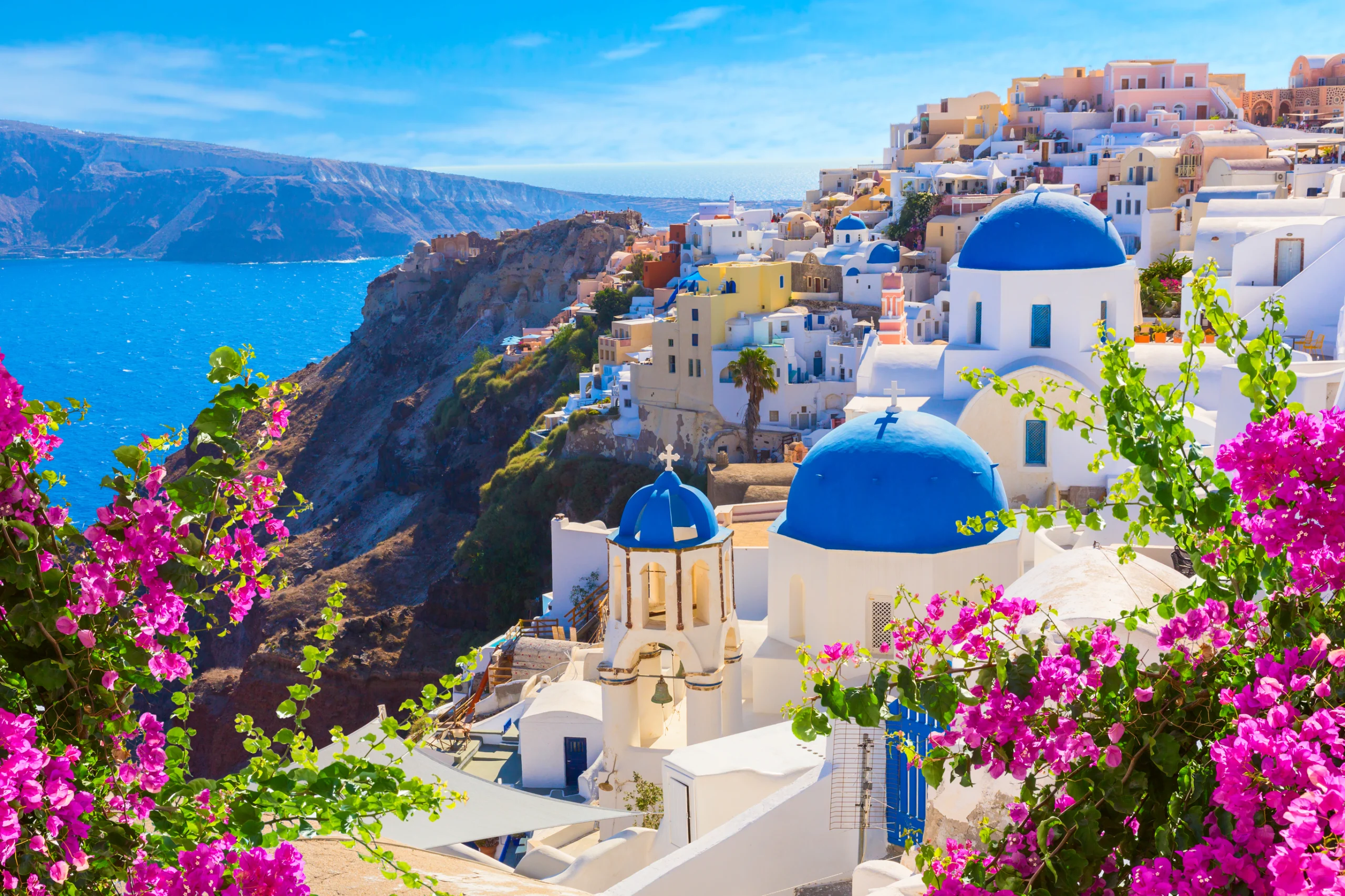
Photo by © Maglara | Dreamstime.com
Cyclades Islands
Located southeast of the mainland in the Central Aegean, the Cyclades archipelago is one of the most popular for an island-hopping yachting excursion. The islands are known for their whitewashed, cubist-style buildings with blue-painted doors, domes, and shutters, lined along narrow, maze-like streets. It includes favorites like Santorini, Mykonos, and Naxos, along with less-visited gems like Serifos, Kythnos, Syros, Folegandros, and Milos.
Visitors can party at the trendy clubs cosmopolitan Mykonos is known for, gaze up at Santorini’s breathtaking caldera while cruising along the coast, lounge on the soft, white sands of Naxos, and sunbathe on the smooth, white rock formations contrasted by brilliant turquoise waters in Milos. There’s something for everyone, whether seeking total serenity, lots of action, or a little of both.
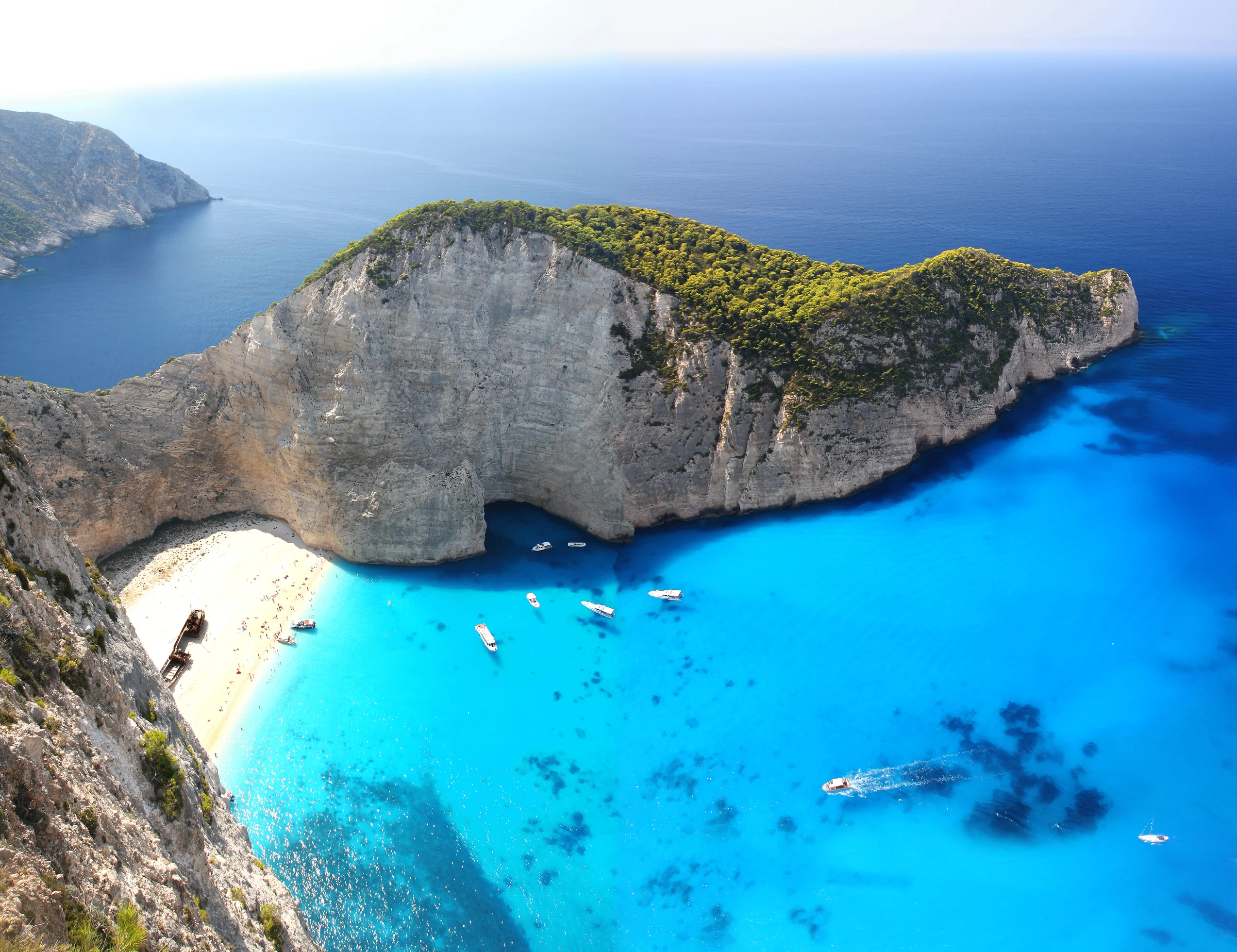
Photo by © Tomas Marek | Dreamstime.com
Ionian Islands
The Ionian Islands are known for their lush landscapes, with aromatic pine trees and postcard-perfect beaches lapped by Easter egg blue waters that might make you think you’ve somehow traveled to the Caribbean. Located off the western coast of the Greek mainland, to the south of the Peloponnese and east of the Italian Peninsula, the archipelago includes over 20 islands, mostly small and uninhabited. There are seven major islands, including Zakynthos (home to famous Shipwreck Beach), Corfu, Kefalonia, Ithaca, Paxos, Kythira, and Lefkada, which is attached to the mainland by a bridge. This island group tends to experience calmer winds and offers many scenic, protected harbors.
In addition to stunning natural beauty, Ionian towns are known for their distinct Venetian-influenced architecture, setting them apart from the whitewashed Cyclades. Think colorful, multi-story buildings with red-tiled rooftops, neoclassical mansions, and ornate arches.
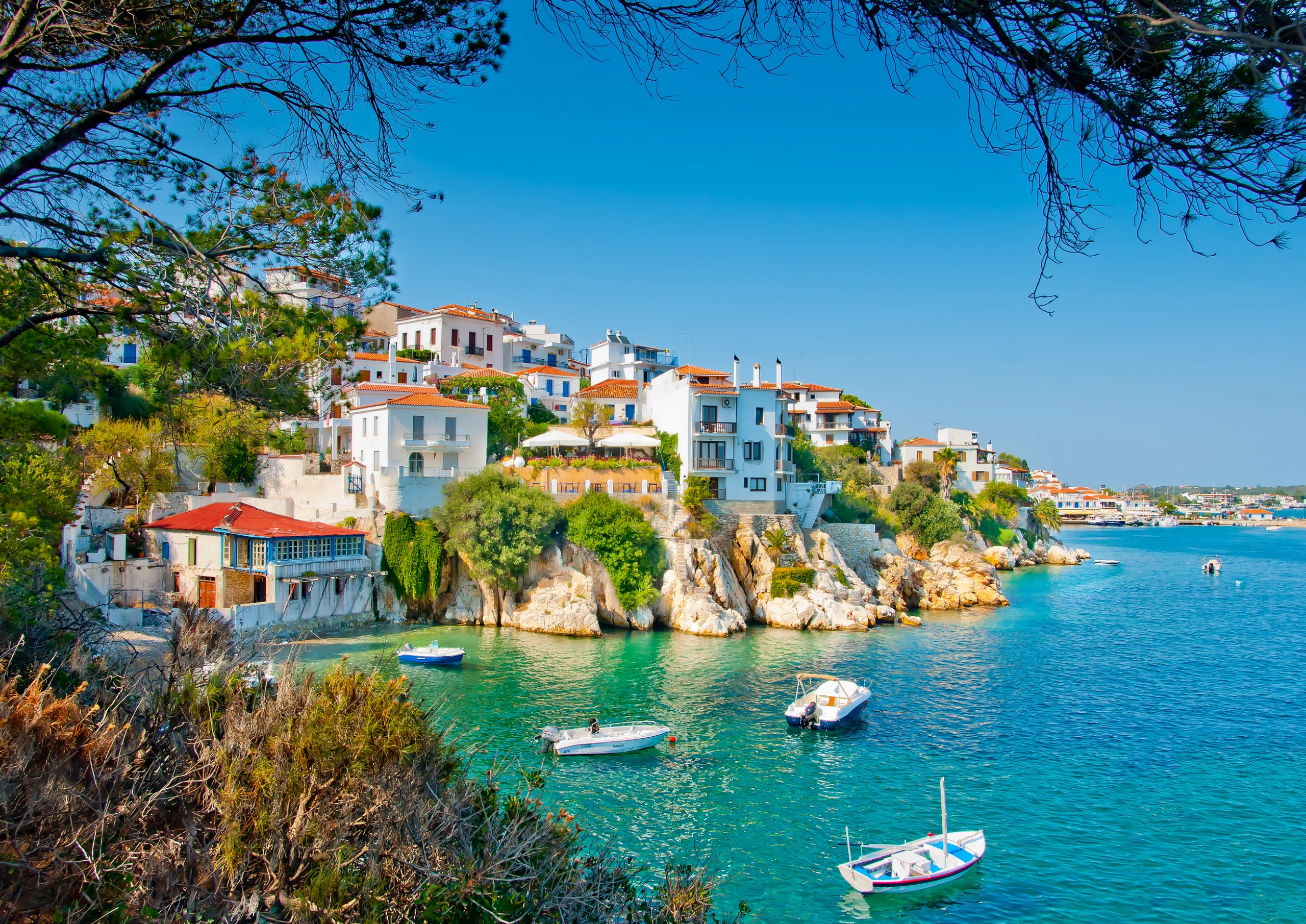
Photo by © Imagin.gr Photography | Dreamstime.com
Sporades Islands
Located between Mount Pelion and the island of Evia in the North Aegean, the Sporades are one of the least-visited island groups in the Mediterranean. They’re quite verdant, with pine-covered hills and picturesque beaches framed by brilliant blue waters. Just a few are inhabited: Skopelos, Skiathos, and Alonissos. Skiathos has an international airport and offers the most in terms of tourist facilities. Sometimes called the “Mykonos of the Sporades,” it’s home to some of the country’s best beaches, with more than 60, and also offers a wealth of shopping, dining, and nightlife options.
Skopelos is not to be missed for nature lovers, with its pine forests, spectacular beaches, and wildlife, including monk seals. It was also the primary filming location for the hit movie “Mamma Mia!” Alonissos is ideal for those seeking solitude, with tourist crowds virtually unheard of. It’s also home to the National Marine Park of Northern Sporades, a refuge for Mediterranean monk seals, dolphins, and rare sea birds.
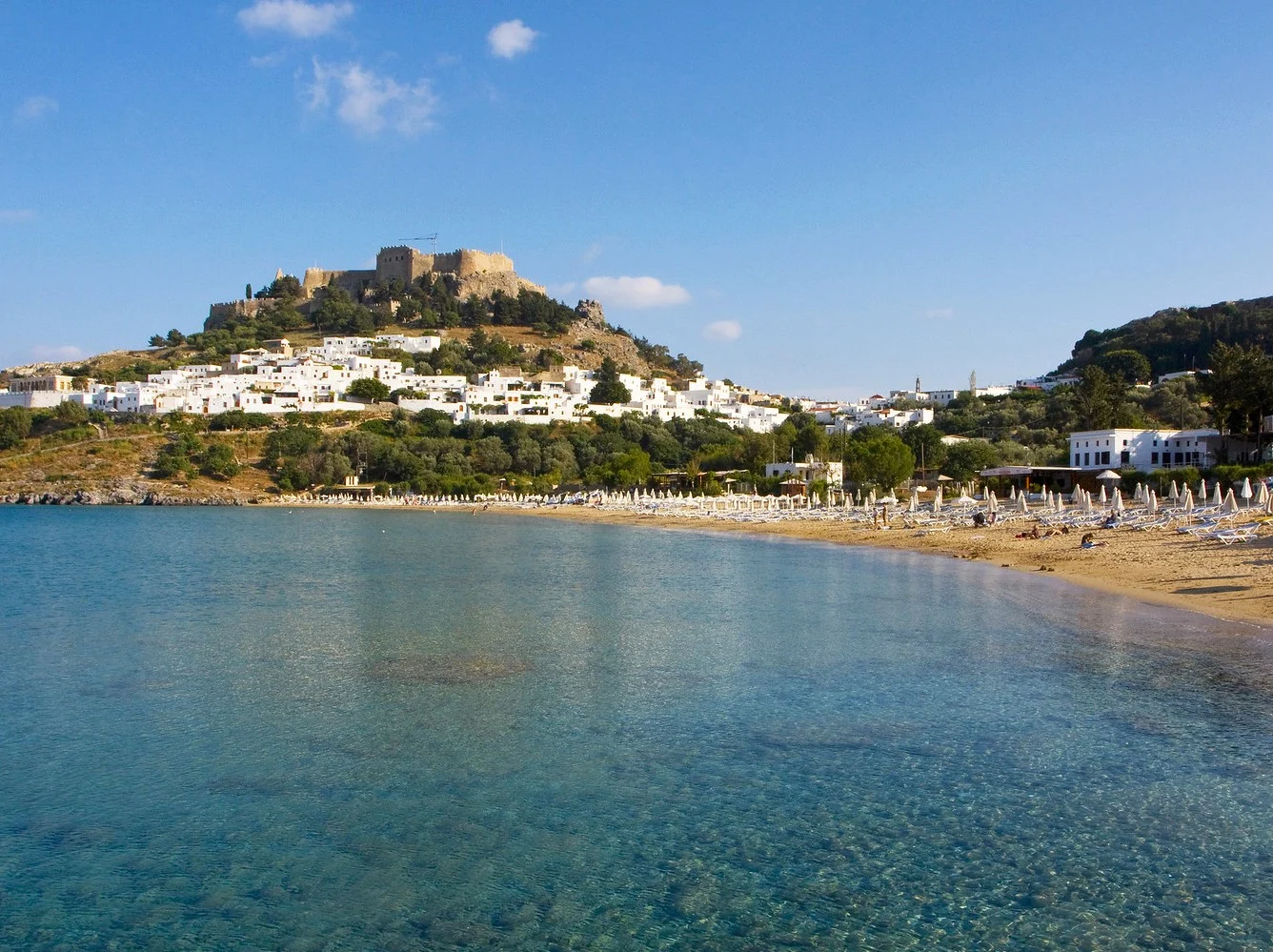
Photo courtesy of K.C. Dermody
Dodecanese
The furthest islands to the southeast, with several so close to Turkey that one can visit another country on a day trip, the Dodecanese includes 165 islands, 26 of which are inhabited. Some provide secluded spots far from the hordes of tourists, while others attract many visitors with luxury resorts and beaches filled with sunbathers. They offer an intriguing mix of cultures and architectural styles, including everything from medieval and neoclassical to Italian rationalist, thanks to the archipelago’s turbulent history, ruled by the Crusaders, Ottomans, and Venetians. In addition to offering many historic sites, you’ll find lots of idyllic beaches for activities and relaxation.
Some of the most notable islands include Rhodes, with magnificent white sandy beaches, the lush Valley of the Butterflies, and medieval Old Town Rhodes. The rocky island of Symi doesn’t draw nearly as many tourists, but it offers hidden beaches tucked into picturesque coves and a colorful main town built around a natural harbor into the side of a mountain. Lined along the waterfront are numerous traditional tavernas offering fresh fish and Symi shrimp. Kos is home to well-preserved Roman ruins and many sandy beaches, along with wildlife-filled parks, while remote Patmos is the island where Saint John wrote the closing pages of the New Testament in the Cave of the Apocalypse.
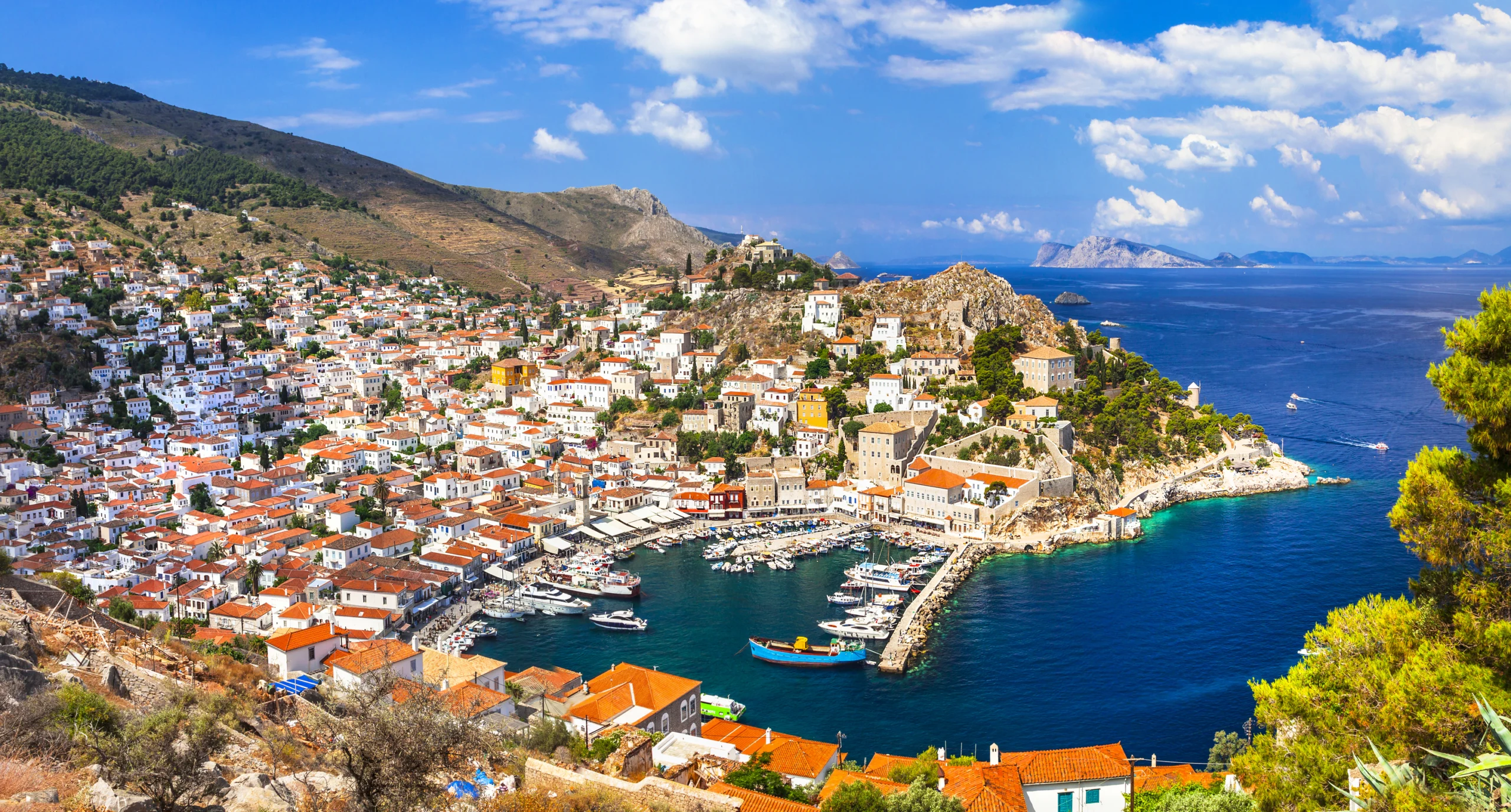
Photo by © Freesurf69 | Dreamstime.com
Saronic Islands
Located in the Saronic Gulf near Athens, the Saronic Islands are well-protected from strong winds and are convenient for those with limited time, offering everything from historical sites to stunning natural beauty. The main islands include car-free Hydra, Aegina, Poros, and Spetses. Some are more developed, while others have remained unspoiled gems. No matter which you choose, you can look forward to mouthwatering cuisine and glorious sunsets.
Hydra is a blast from the past with development restricted. Incredibly tranquil, visitors and locals get around by boat, on foot, or by donkey. The narrow, cobblestone streets are lined with grand mansions, many of which are home to museums. It’s also a nature enthusiast’s dream, with outstanding snorkeling, diving, and hiking. Spetses, “the island of aromas,” with many pine and lemon trees, offers fabulous beaches and crystal-clear azure waters along with a lovely waterfront promenade and inviting sea-view eateries. Poros is known for its authentic Greek atmosphere, scenic hiking routes, and an especially picturesque harbor. The closest island to the Greek capital, Aegina, offers both pebbly and sandy beaches, while the traditional tavernas in Perdika are famous for their fresh fish.
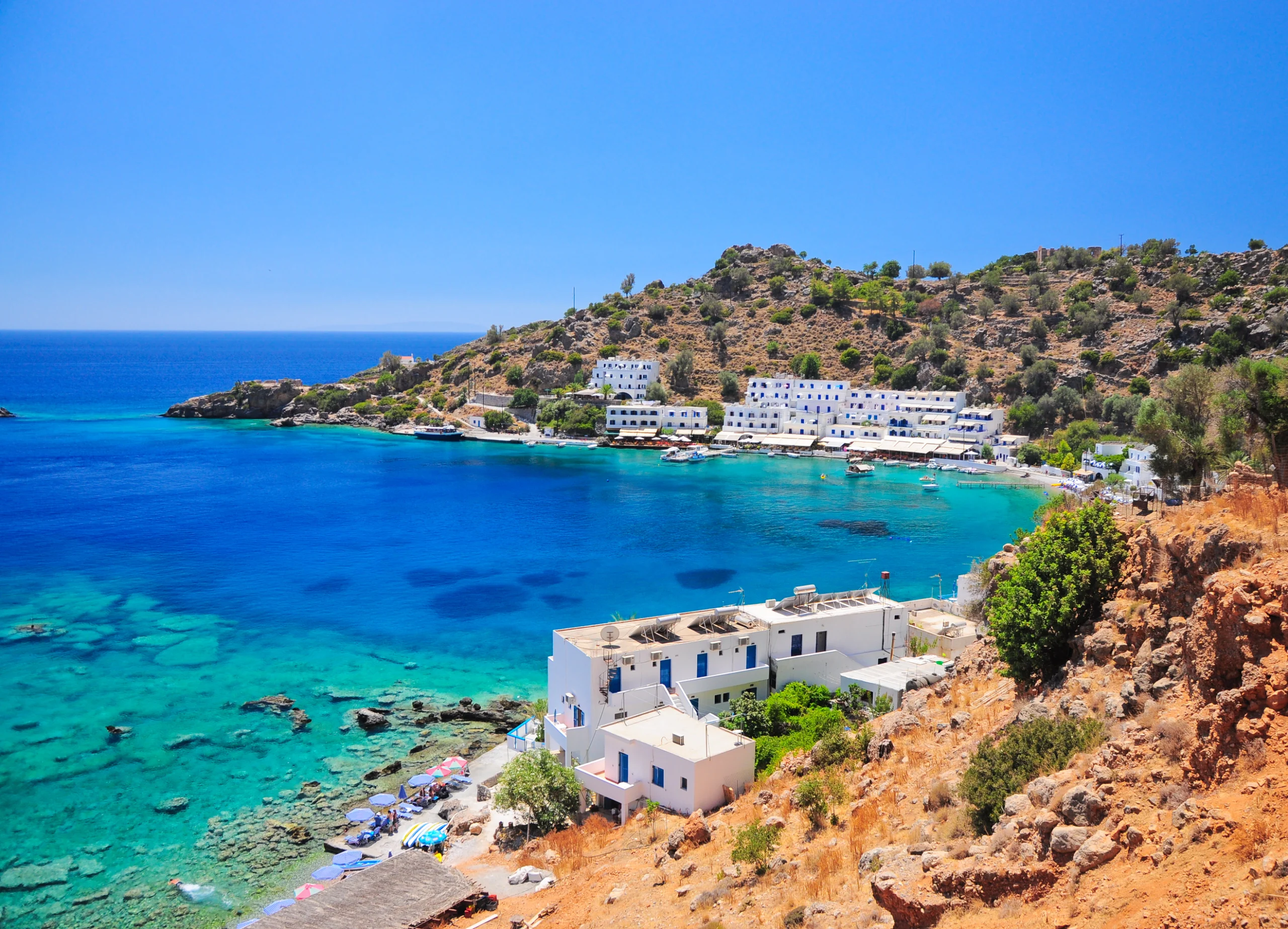
Photo by © Mirc3a | Dreamstime.com
Crete
Crete is the largest island in Greece, offering a little bit of everything. Its landscapes are diverse, with everything from pink sand beaches to caves, canyons, and dramatic mountains, with the tallest standing at over 8,000 feet. At around 3,260 square miles, one-week yacht itineraries typically explore the north coast, departing from Heraklion or Chania with its romantic walled Old Town to visit top destinations like Balos Lagoon, Old Town Rethymno, Agios Nikolaos, and nearby Spinalonga Island. From Heraklion, you won’t want to miss nearby Knossos Palace, the oldest human settlement in Crete, dating back to around 7000 BC, with remarkable Minoan ruins.
More articles
Ready to set sail?
Discover the perfect yacht charter for you — effortlessly with Yacht.com.


