Alaska’s Inside Passage by Superyacht: When to Go, What to See, and Where to Anchor
Forested islands, calm waters, a wealth of wildlife, and Indigenous culture. Explore it all while sailing the spectacular Inside Passage in Southeast Alaska.
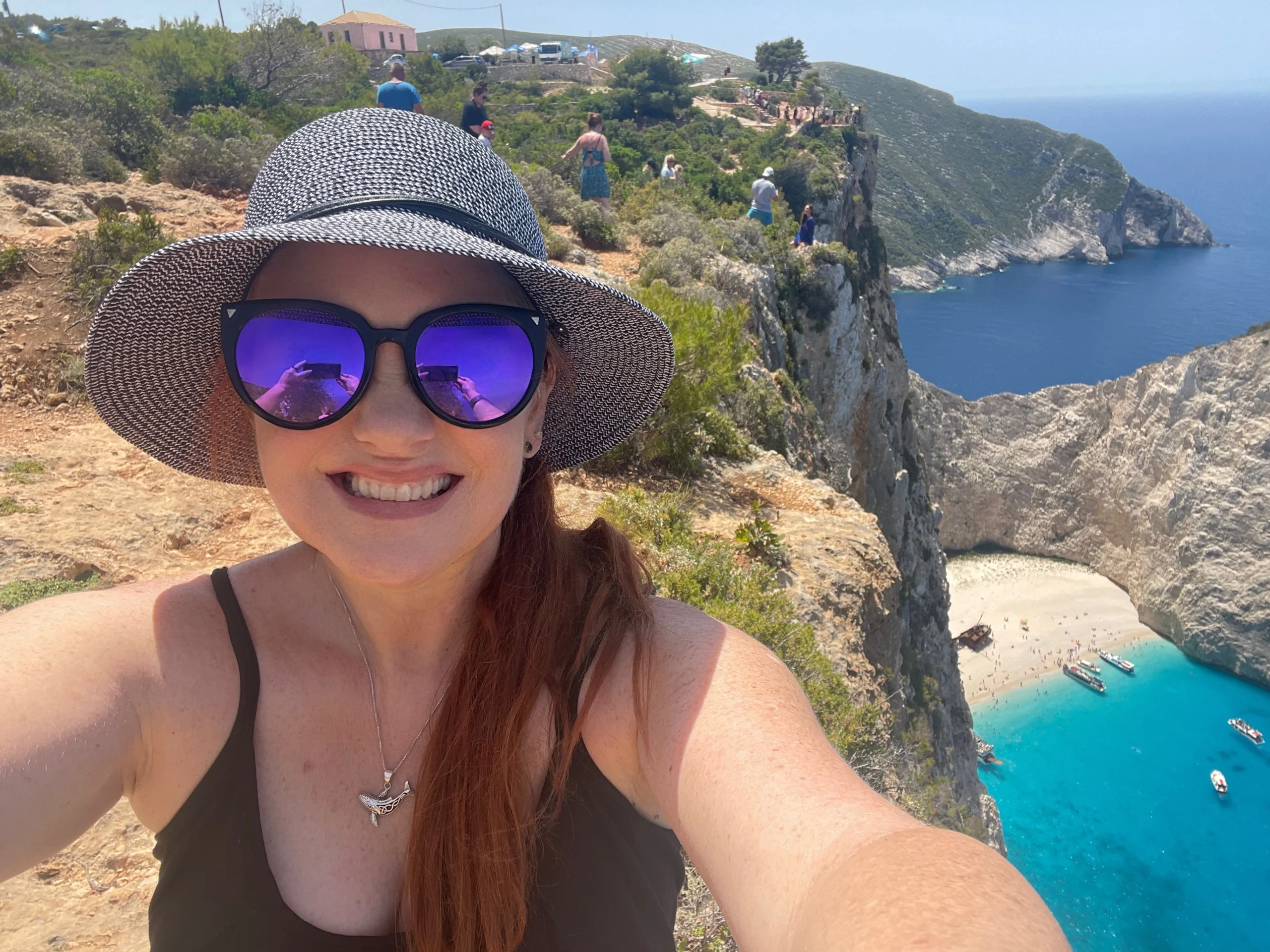
One of the world’s most stunning sailing routes, the Inside Passage is a roughly 1,000-mile-long waterway spanning from Northern Washington State to Southeast Alaska. While the big cruise ships typically begin in Seattle or Vancouver, Juneau and Ketchikan are the key starting points for yacht charters focused on the region. Sheltered by a maze of forested islands, it offers calm water that’s especially ideal for yachting.
No matter where you go in this area, you’ll have the chance to witness glacier-carved landscapes with dramatic fjords, temperate rainforests, and abundant wildlife, including frequent sightings of whales, sea lions, and sea otters. Watch for bald eagles overhead and bears along the shoreline too. Indigenous cultures and remote coastal communities enhance the journey, providing a culturally rich experience.
As one of my favorite destinations on the planet, I’ve been lucky to have explored it extensively by land and water, allowing me to create the ultimate guide for sailing the Inside Passage by yacht, from the best time to cruise to the top places to anchor.
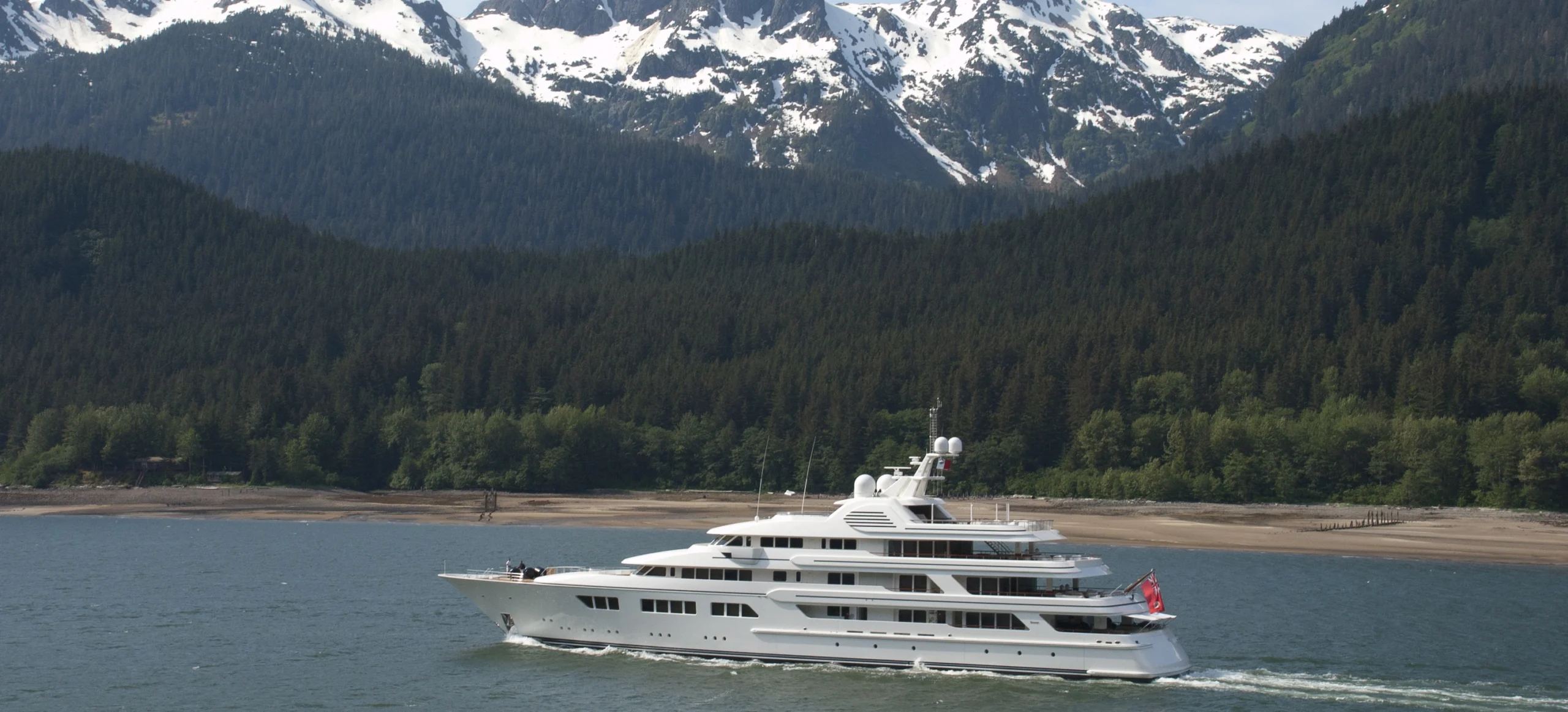
Photo by © Wisconsinart | Dreamstime.com
The Best Time to Sail Alaska’s Inside Passage for Good Weather & Exciting Events
The best time for a yacht charter in the Inside Passage is generally from May through September, when conditions are most favorable, including the weather, which is relatively mild this time of year. Keep in mind, even during the peak of summer, it’s typically cool here as compared to many destinations, with temperatures ranging from the upper 40s to the mid-60s Fahrenheit. July is the warmest with afternoon highs around 65 degrees. No matter which month you sail during this period, layers are essential, especially with moisture and wind out on the water.
A more in-depth look can help you determine the optimal time for your trip based on the weather, crowds, and wildlife activity.
May and June
Late spring brings long daylight hours and lots of color with flowers in bloom, enhancing the breathtaking landscapes. While the weather can be less predictable, especially in May with a higher chance of rain and temperatures on the cooler side (around the mid-50s), sailing now will be more serene, ideal for nature lovers seeking a quieter experience, with peaceful anchorages minus the big crowds. There are long hours of daylight, 16 to 18 hours in May and around 18 hours throughout the month of June, bringing more opportunities for enjoying the scenery and wildlife.
There are multiple events worth planning your trip around, from the Juneau Maritime Festival, the two-week-long Juneau Jazz & Classics, and Skagway’s Spring Kick Off in May to Juneau Gold Rush Days in June. Early summer salmon derbies and festivals also take place in Ketchikan and Skagway.
July and August
Summer’s peak is the most reliable for sunshine, bringing the driest and warmest weather, with high temperatures in the mid-60s. It’s an ideal time for smooth sailing, outdoor activities, and watching wildlife, including bears that are drawn by the salmon runs. Everything is fully open during this time, from attractions and tour operators to marinas, ensuring the widest range of amenities and experiences. The long hours of daylight continue, especially in July, but even in late August, you’ll enjoy at least 14 hours, maximizing time for exploration.
Many towns along the Inside Passage host vibrant events in July and August, including Fourth of July celebrations in Wrangell, Skagway, and Juneau. Sitka hosts the Summer Musical Festival and the Arts and Science Festival, which both run throughout the season. That said, there are some cons of sailing during the peak of summer. Availability for charters will be more limited, pricing is generally higher, and the popular ports and anchorages are usually busier.
September
A yacht charter through the Inside Passage in September brings another opportunity for tranquility and solitude, with the summer crowds starting to dwindle. Anchorages are quieter, and visitors can expect a more intimate connection with the landscapes. Charter rates and availability may be more affordable than during the peak of summer. While wildlife viewing is most optimal between mid-July and late August, salmon runs continue to attract bears and bald eagles, depending on the specific location. Plus, early fall colors start to emerge, enhancing the scenery.
The later in September you sail, the fewer crowds you’ll encounter, but the weather becomes more unpredictable. Temperatures are dropping, and there is a noticeable increase in rainfall. You’ll need to plan for shorter days as well, with daylight hours ranging from just under 14 hours earlier in the month to 11.5 hours by late September. Guided excursions, seasonal businesses, and marinas may start to scale back or even close by the time October rolls around. Festivals and events slow down as well, although there are typically community barbecues and other gatherings during Labor Day Weekend in towns like Ketchikan and Juneau.
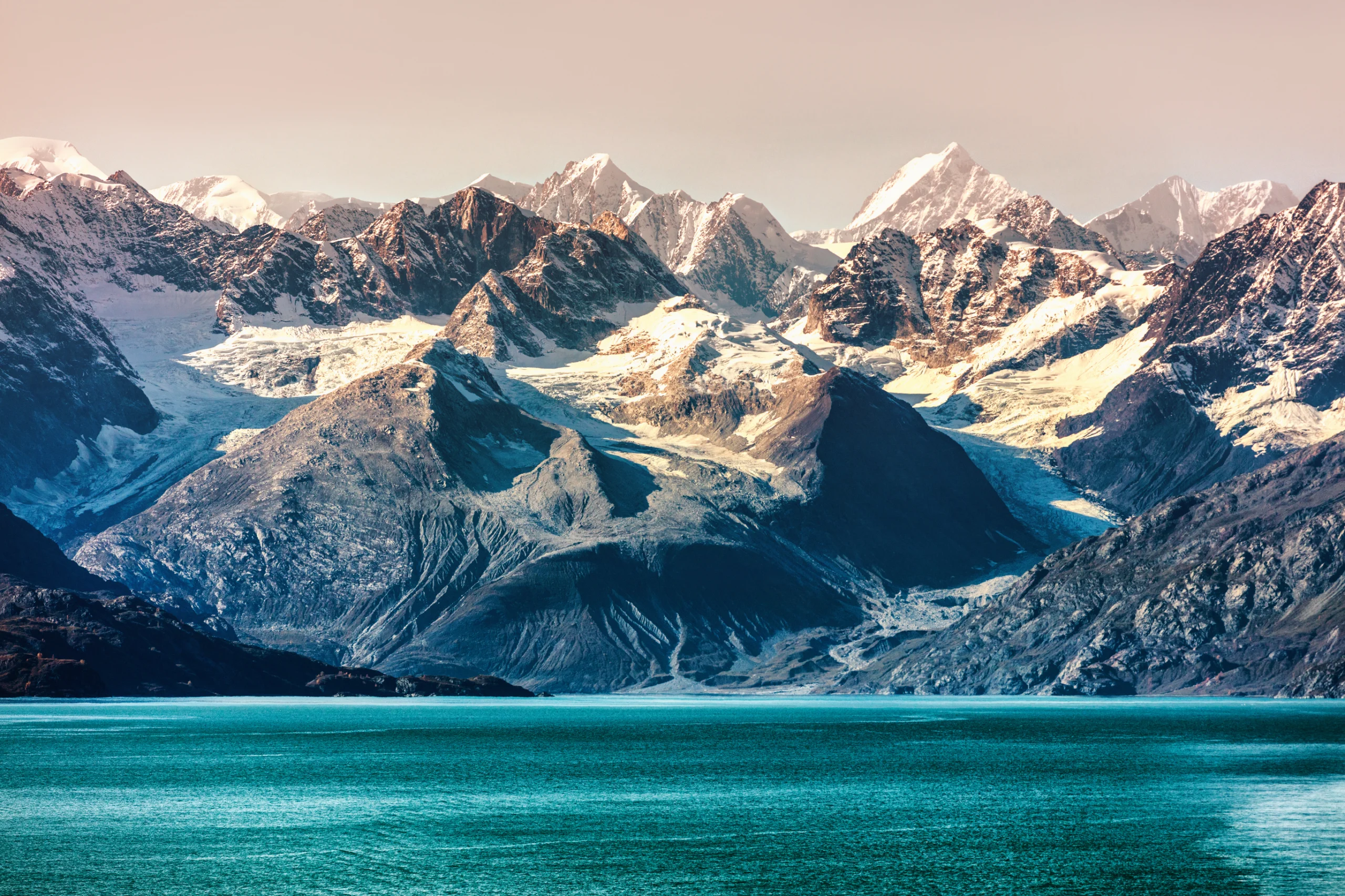
Photo from © Martinmark | Dreamstime.com
Where to Go
Juneau
While Juneau is the Alaskan capital, it feels more like a small town. Overlooking the Gastineau Channel in the Inside Passage, the downtown area is tucked between the water, Mount Roberts, and Mount Juneau. Its narrow streets feature a mix of charming early 19th-century homes and old storefronts that date to its early gold mining, along with newer structures. Top attractions include the Mount Roberts aerial tramway, which will whiz you to the top of 3,819-foot-high Mount Roberts for a panoramic view and opportunities for scenic hikes. Mendenhall Glacier is a must-visit as one of North America’s most beautiful and accessible glaciers, only 13 miles from downtown Juneau.
Glacier Bay National Park
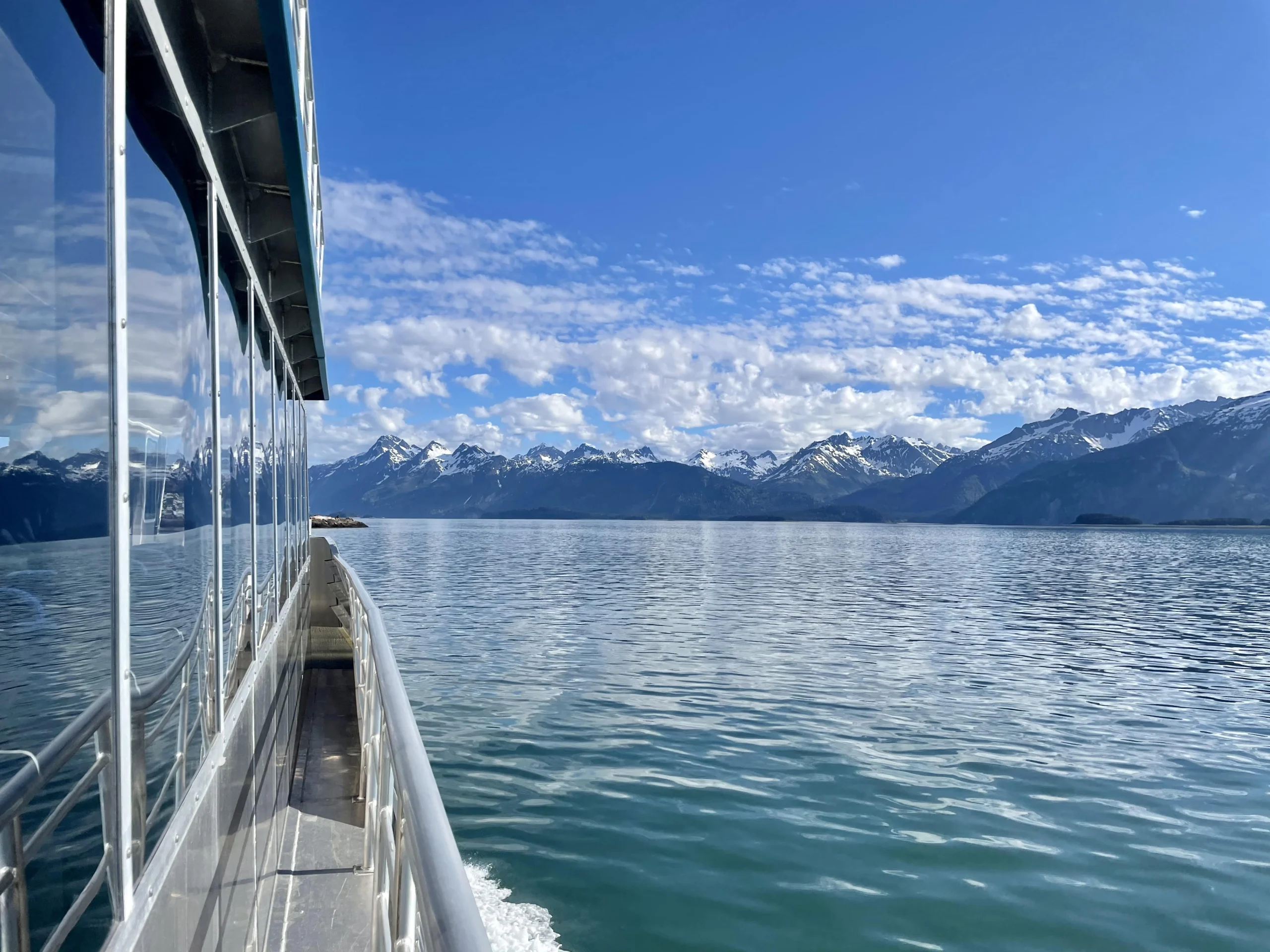
Photo courtesy of KC Dermody
While glaciers are the star of the show in Glacier Bay National Park, it’s also renowned for wildlife. Accessible only by boat or plane, it’s located west of Juneau between the Gulf of Alaska and Canada. It’s home to more than a thousand glaciers, including seven active tidewater glaciers that frequently calve icebergs, including Margerie, a 21-mile-long and one-mile-wide glacier you can come practically face-to-face with. Along the way, watch for black bears, mountain goats, moose, and many other animals onshore. In the water, you might see everything from harbor seals, Steller sea lions, and sea otters, to orcas and humpback whales. Among the over 200 bird species inhabiting the area are bald eagles and puffins.
Ketchikan
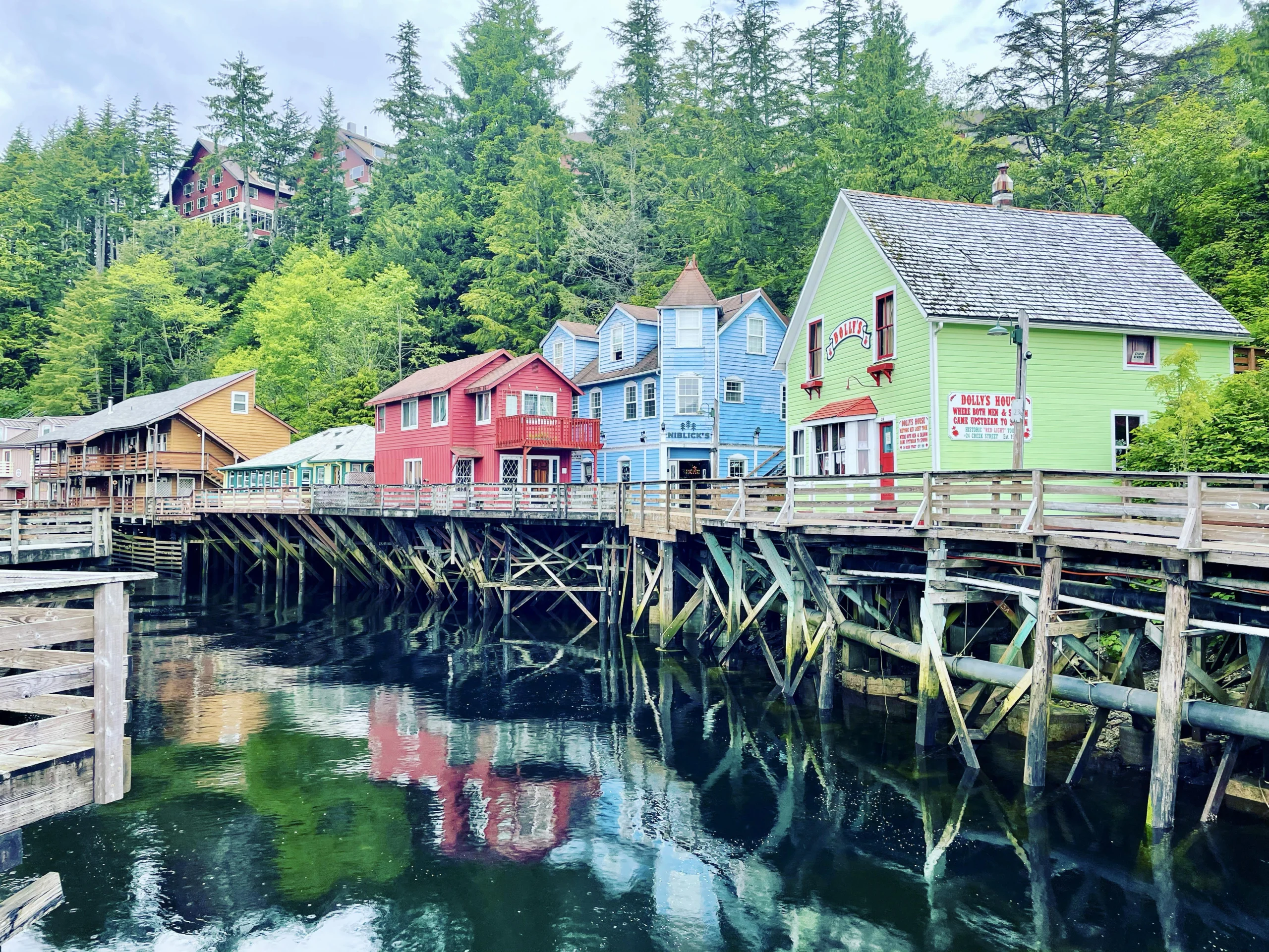
Photo courtesy of KC Dermody
Located toward the southern end of the Inside Passage, Ketchikan is often called the “first city” as it’s the first that most cruise passengers reach when traveling north. It boasts an award-winning arts scene with theater and live music, along with a wide range of shopping and dining venues.
Anglers arrive from across the globe for the chance to catch salmon – in fact, it’s also known as the “Salmon Capital of the World.” During the summer salmon run, thousands can be seen swimming upstream right through the heart of town. The charming historic Creek Street boardwalk is an excellent vantage point for watching the spectacle, especially in July and August. In addition to fishing, there is a wide range of other outdoor activities, from hiking to the top of Deer Mountain and zip-lining between towering trees to flightseeing over the Misty Fjords.
Sitka
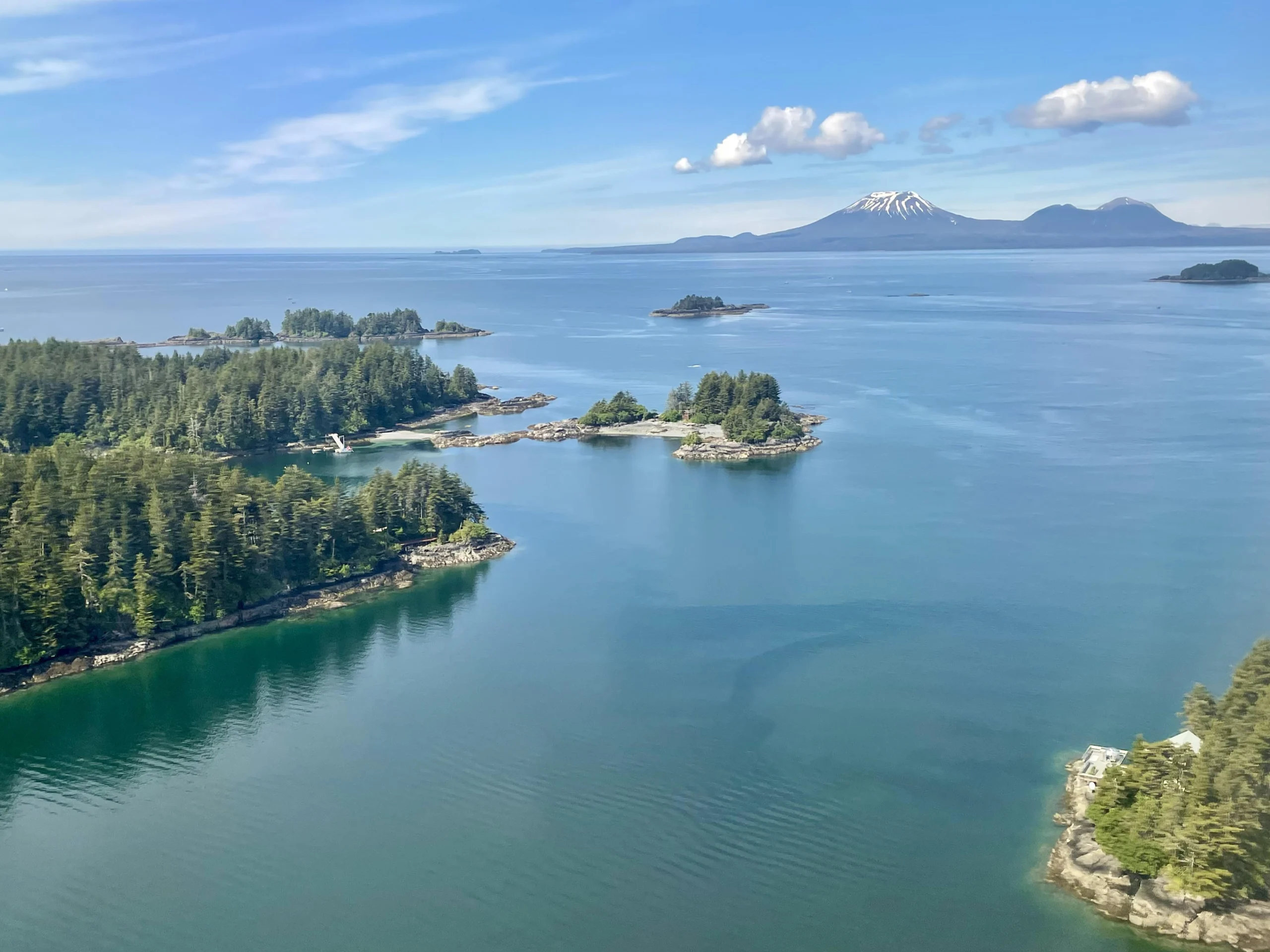
Located on Baranof Island, Sitka is the only town on the Inside Passage that fronts the Pacific Ocean. It’s surrounded by rainforest and lies in the shadow of soaring Mount Edgecumbe, a dormant volcano that looks similar to Japan’s Mount Fuji. Fishing, kayaking, hiking, and whale watching are just a few of the possible outdoor adventures here. While strolling the downtown area, you’ll find nearly two dozen buildings on the National Register of Historic Places, with plenty of places to shop and dine.
Wrangell
Wrangell is home to Alaska’s smallest cruise port, but it offers many interesting sights and attractions. It was a lawless place during the gold rush, but today, locals in this quiet community often make their living by crabbing, fishing, and harvesting sea urchins. Learn more about its past at the Wrangell Museum and Petroglyph Beach State Historic Site, home to prehistoric rock carvings that are believed to be 8,000 years old. The totem poles on Chief Shakes Island reflect Wrangell’s history under four different nations, including Tlingit, Russian, Great Britain, and the U.S. Wildlife enthusiasts visiting in July or August won’t want to miss the Anan Wildlife Observatory to observe harbor seals, bald eagles, black and brown bears.
Skagway
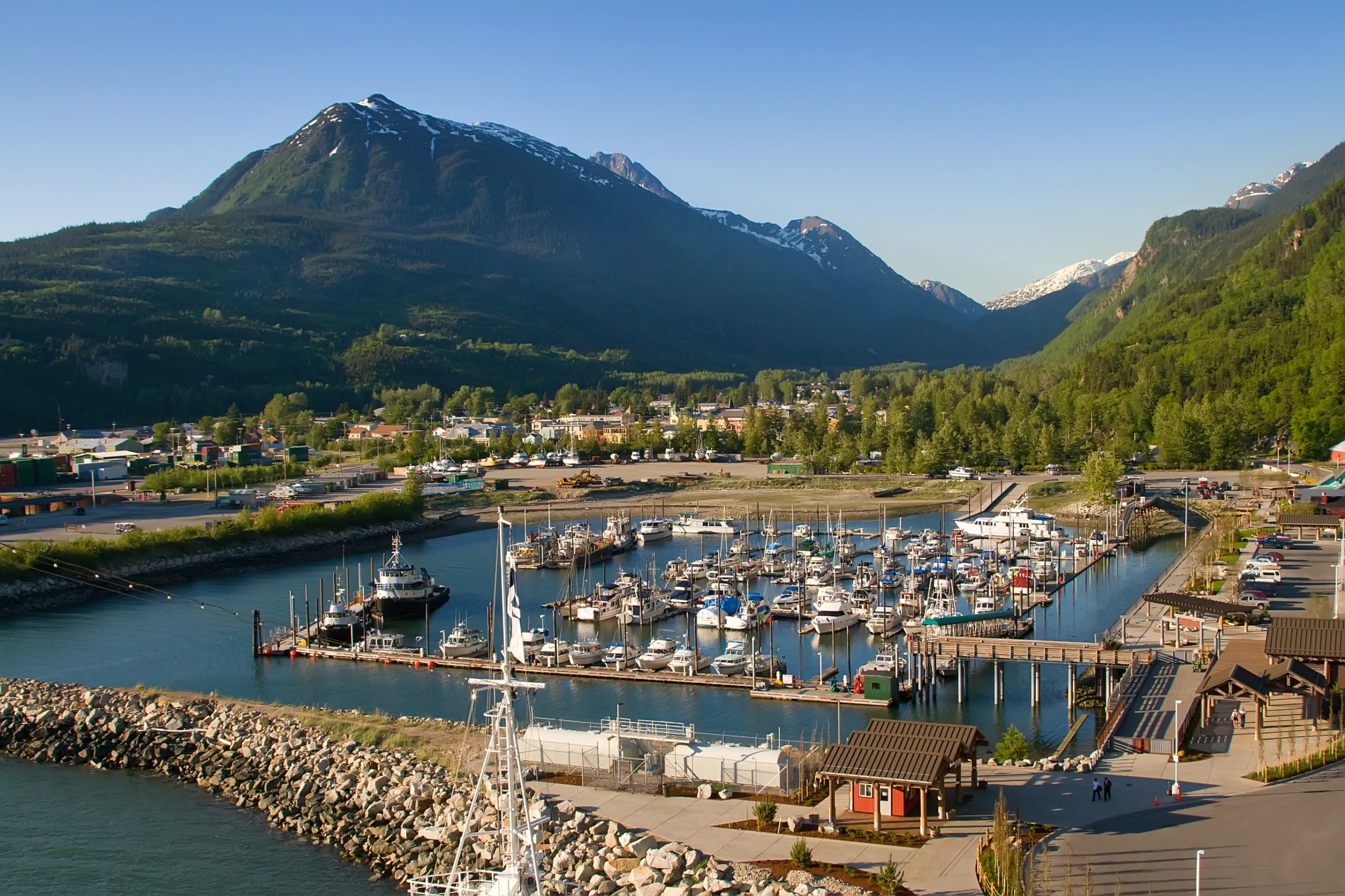
Photo form © Ruth Peterkin | Dreamstime.com
The former gateway to the Klondike Gold Rush, Skagway drew countless treasure seekers in the late 19th century. Today, visitors can explore the well-preserved historic district known as the Klondike Gold Rush National Historical Park and explore the Red Onion Saloon, a former brothel turned museum. Hiking is a popular activity, with everything from the easy .8-mile hike to Yakutania Point to the famous 33-mile Chilkoot Trail. Built in 1898 during the gold rush, the White Pass and Yukon Route Narrow Gauge Railway is a popular attraction, covering 20 miles while providing magnificent views of glaciers, waterfalls, and historic sites. Don’t miss the old cemetery, with remains of gold miners, local legends, and various outlaws.
Petersburg
Petersburg is often referred to as “Little Norway” with its rich Norwegian heritage. The charming fishing community has lots to offer, including stunning beauty with a mountainous landscape surrounded by water and dotted with vibrantly painted buildings. Visitors can hike through the Tongass National Forest, take glacier tours, and explore Norwegian culture.
While strolling through town, you’ll see rosemaling, a traditional type of Norwegian folk art, especially in the heart of old Petersburg along Sing Lee Ally. The social hall here is a center for Norwegian culture and a National Historic Site where visitors can enjoy Norwegian dance performances and a buffet. Those sailing early in the season can take advantage of the multi-day Little Norway Festival in mid-May, featuring a parade, costumes, dances, games, and lots of delicious fresh seafood.
More articles
Ready to set sail?
Discover the perfect yacht charter for you — effortlessly with Yacht.com.


