Celebrity Yacht Showdown: 12 Floating Superyachts With Helipads, Nightclubs & 50+ Crew Members
Calling these vessels “luxury yachts” barely scratches the surface anymore.

Today’s most famous superyachts operate less like boats and more like floating estates. Think helipads for instant arrivals, beach clubs that open directly onto the sea, wellness spas with full treatment menus, cinemas, recording studios, submarine garages, and in some cases, full-scale nightclubs hidden below deck.
They’re owned by tech founders, fashion moguls, media tycoons, and some of the world’s wealthiest business leaders.
Here are 12 of the most extraordinary celebrity/ billionaire-owned superyachts ever built.
Koru — Jeff Bezos

Photo from Oceanco
At around 416 feet, Koru is one of the largest sailing yachts ever constructed (and one of the most visually striking).
Instead of leaning into pure excess, it takes a more romantic approach to scale: towering masts, sweeping lines, and a silhouette that feels closer to a classic tall ship than a modern mega-yacht. But underneath that traditional exterior is a fully modern floating residence.
Expansive teak decks, multiple lounge areas, and a large onboard pool create a sense of openness rarely seen at this scale. The yacht also operates alongside its support vessel Abeona, which carries additional equipment, crew, and logistical infrastructure — essentially extending what’s possible onboard without crowding the main vessel.
Launchpad — Mark Zuckerberg

Photo from Feadship
Launchpad represents a newer design language in the billionaire yacht world — clean, restrained, and deliberately minimal.
Stretching roughly 390 feet, it prioritizes open space and flow over ornamentation. Interiors are designed around natural light and seamless transitions between indoor and outdoor areas, creating a more architectural than decorative feel.
Onboard features include a helipad, cinema, spa, gym, beauty salon, beach club, and multiple lounge spaces. A support vessel accompanies it, handling everything from storage to extended expedition capability.
It doesn’t try to compete on spectacle. Instead, it reflects a quieter kind of luxury (one that leans into privacy and simplicity rather than visual excess).
Eclipse — Roman Abramovich

Photo by © Ricardo Pilguj | Dreamstime.com
Few yachts have shaped the modern superyacht conversation quite like Eclipse.
At 533 feet, it was once the largest private yacht in the world and still remains one of the most recognizable. While security and privacy were central to its design, it’s the onboard features that cemented its reputation.
Two helipads, multiple swimming pools, a private submarine, expansive decks, and a fully equipped nightclub make it feel closer to a floating resort than a private vessel. Add cinemas, spas, and entertainment lounges across multiple decks, and the scale becomes almost difficult to process.
Even years after its launch, Eclipse continues to be used as a benchmark for everything that followed in the mega-yacht space.
Rising Sun — David Geffen
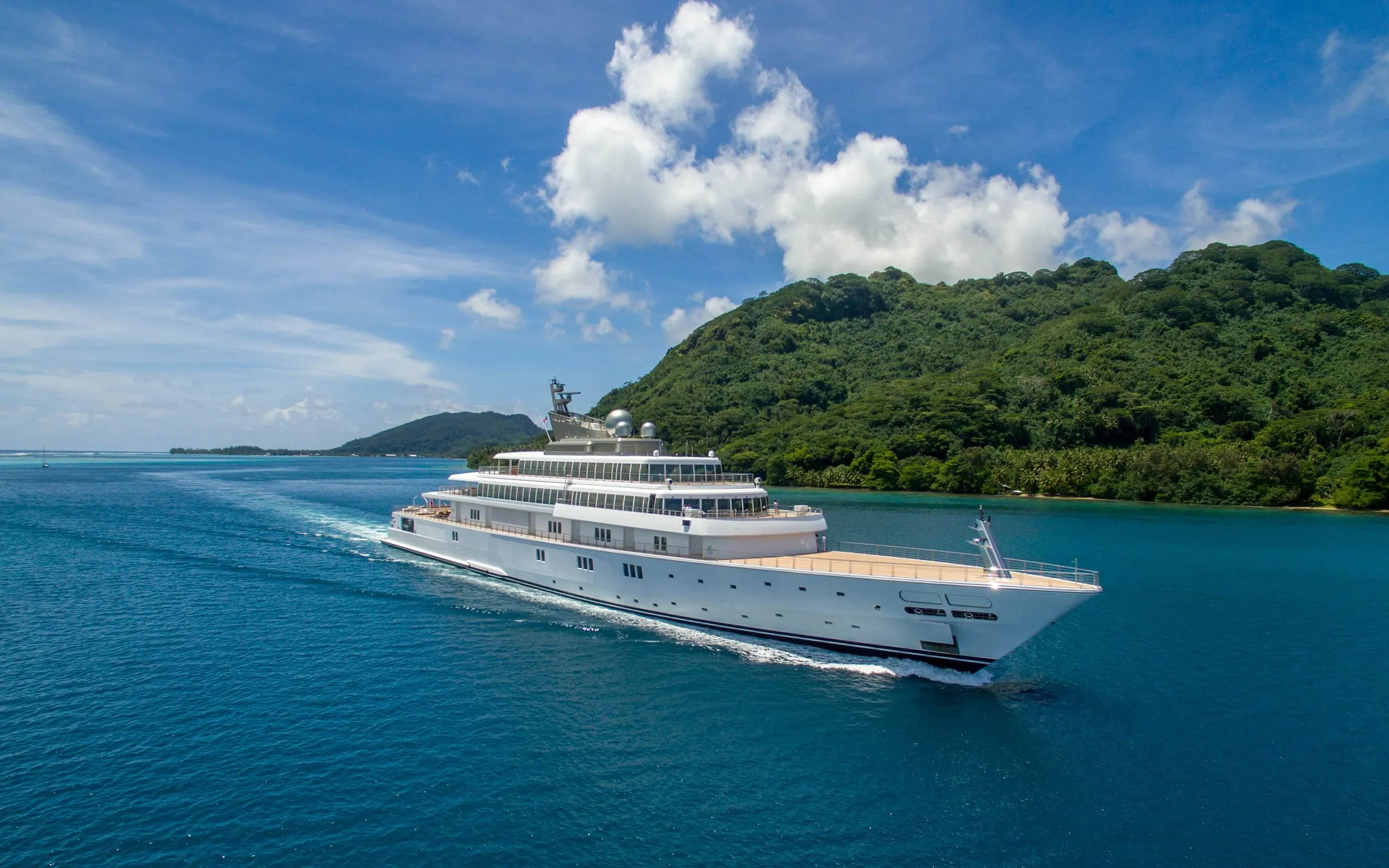
Photo from Lurssen
Originally commissioned by Larry Ellison and later owned by David Geffen, Rising Sun has long been associated with Hollywood gatherings and high-profile guests.
At 452 feet, it offers an enormous amount of interior volume, with guest accommodation spread across multiple decks. A cinema, wine cellar, spa, gym, basketball court (which doubles as a helipad), and multiple entertainment salons make it particularly well-suited for hosting large groups.
It’s less about understatement and more about sociability. Over the years, it has reportedly hosted a rotating cast of entertainment and business elites, adding to its reputation as one of the most social yachts afloat.
Dragonfly — Sergey Brin
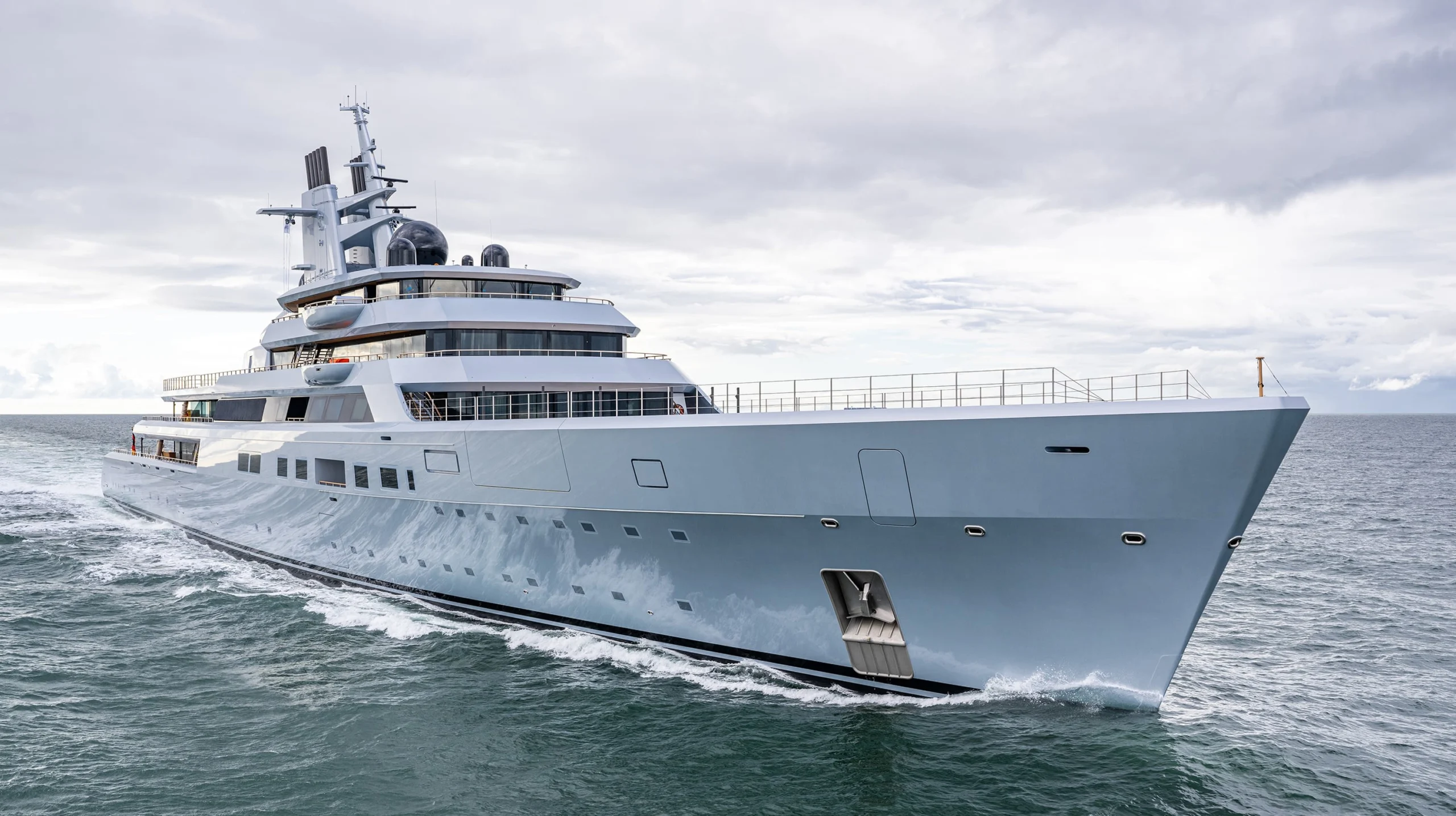
Photo from Lurssen
Dragonfly sits firmly in the “explorer yacht” category, where luxury meets long-range capability.
At around 465 feet, it includes two helipads, a helicopter hangar, cinema, spa, gym, glass-bottom pool, and dedicated business and meeting spaces.
It’s designed to travel far and stay self-sufficient while doing so. In many ways, it reflects a broader shift in yacht design: not just comfort at sea, but full operational independence.
Seven Seas — Steven Spielberg
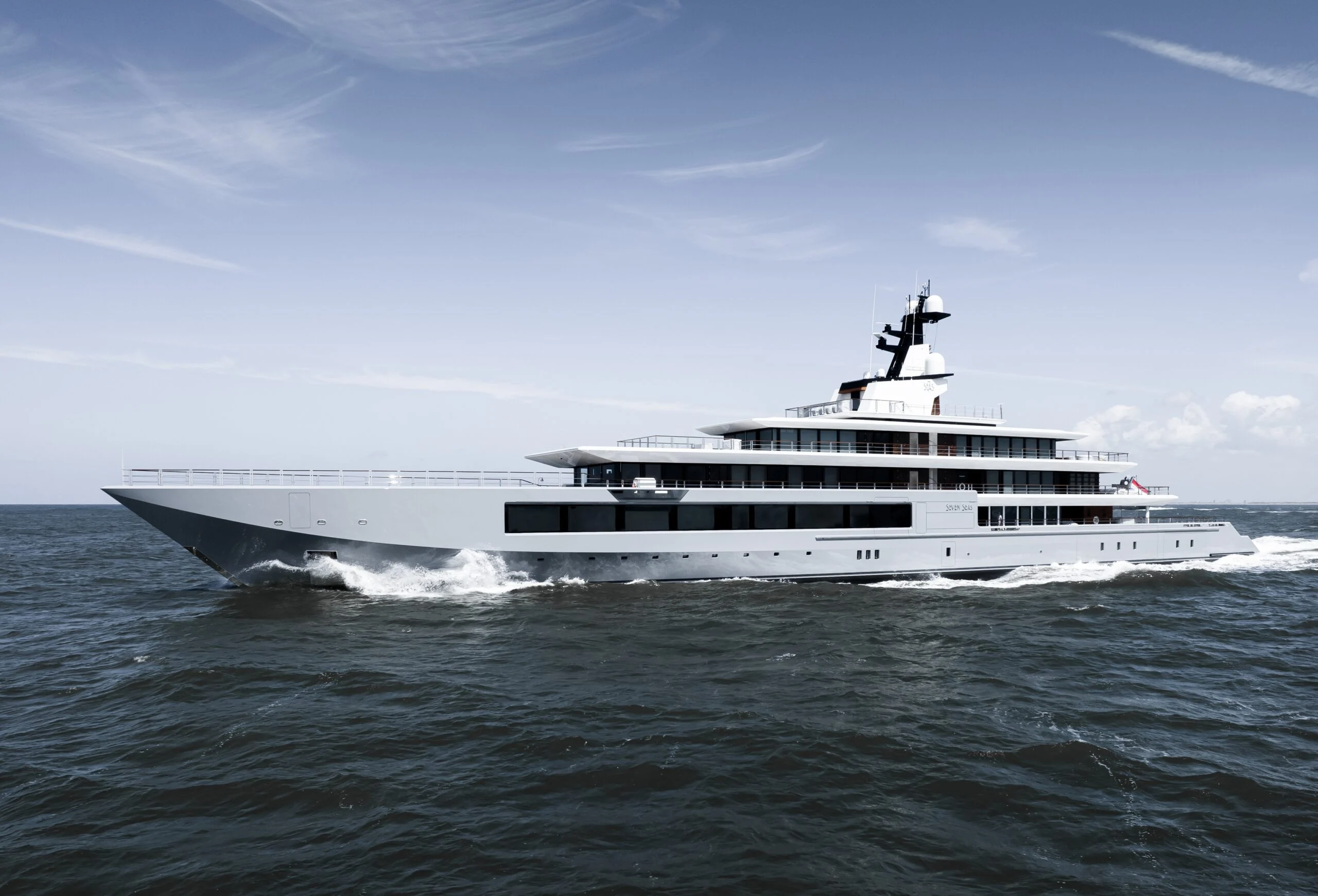
Photo from Oceanco
Built by Oceanco, Seven Seas spans 357 feet and feels more personal in scale compared to some of its larger counterparts.
There’s a private cinema (unsurprisingly), a swimming pool, spa, gym, and wide outdoor decks designed for relaxed time with family and friends. A helipad ensures seamless access, but the overall tone is less about arrival and departure and more about staying put.
Spielberg reportedly designed the yacht with extended family use in mind, and that influence shows in the layout. It’s functional, comfortable, and geared toward shared time rather than spectacle.
Venus — Laurene Powell Jobs
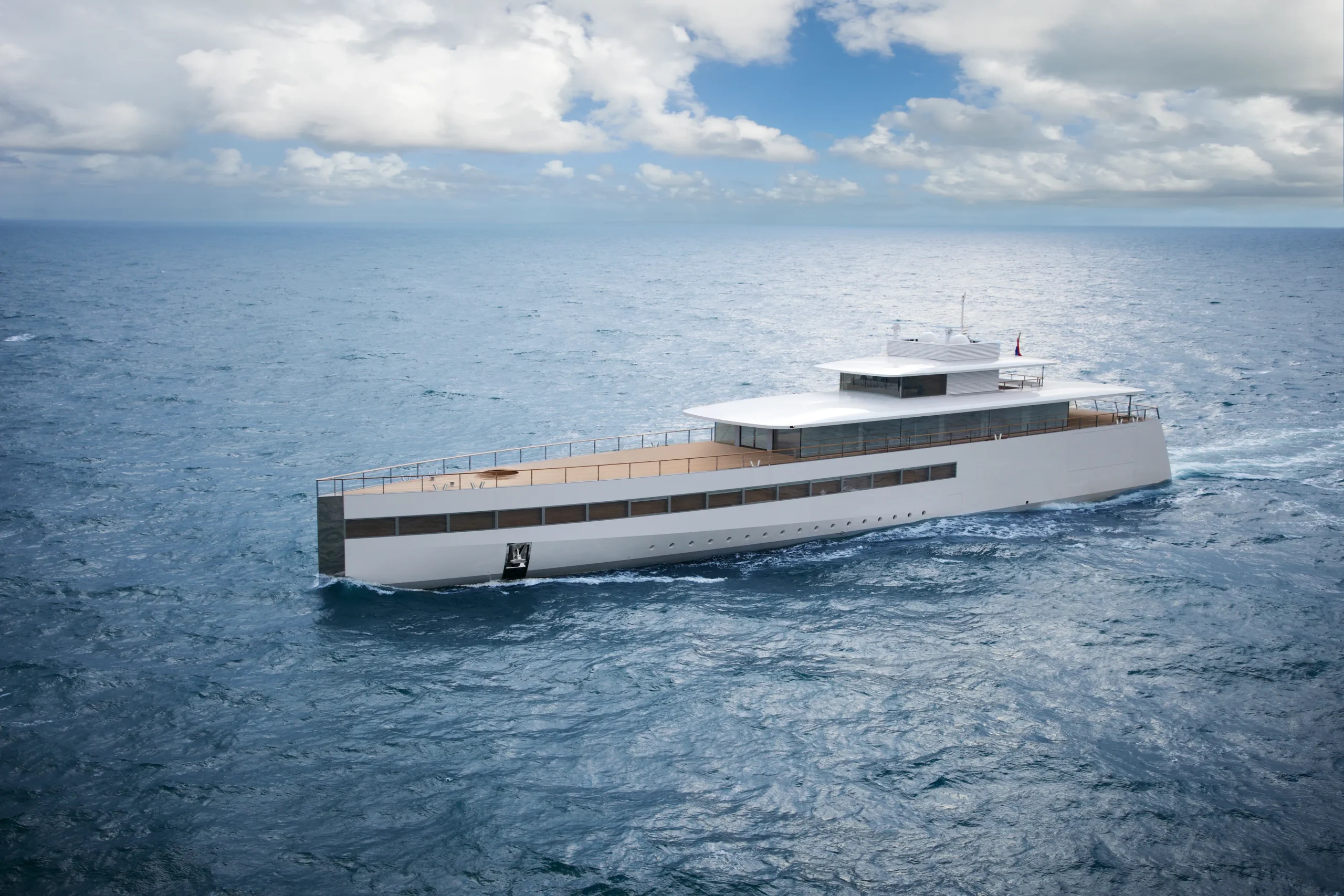
Photo from Feadship
Designed by Philippe Starck, Venus takes a completely different approach to billionaire yacht design.
At 255 feet, it’s smaller than many others on this list, but its impact lies in restraint. Vast glass panels define the exterior, giving it a light, almost architectural presence on the water.
Inside, the design philosophy is stripped back and precise. There’s none of the typical yacht excess — no nightclub, no over-the-top installations — just clean lines, open spaces, and a focus on clarity and proportion.
Eos — Barry Diller and Diane von Fürstenberg
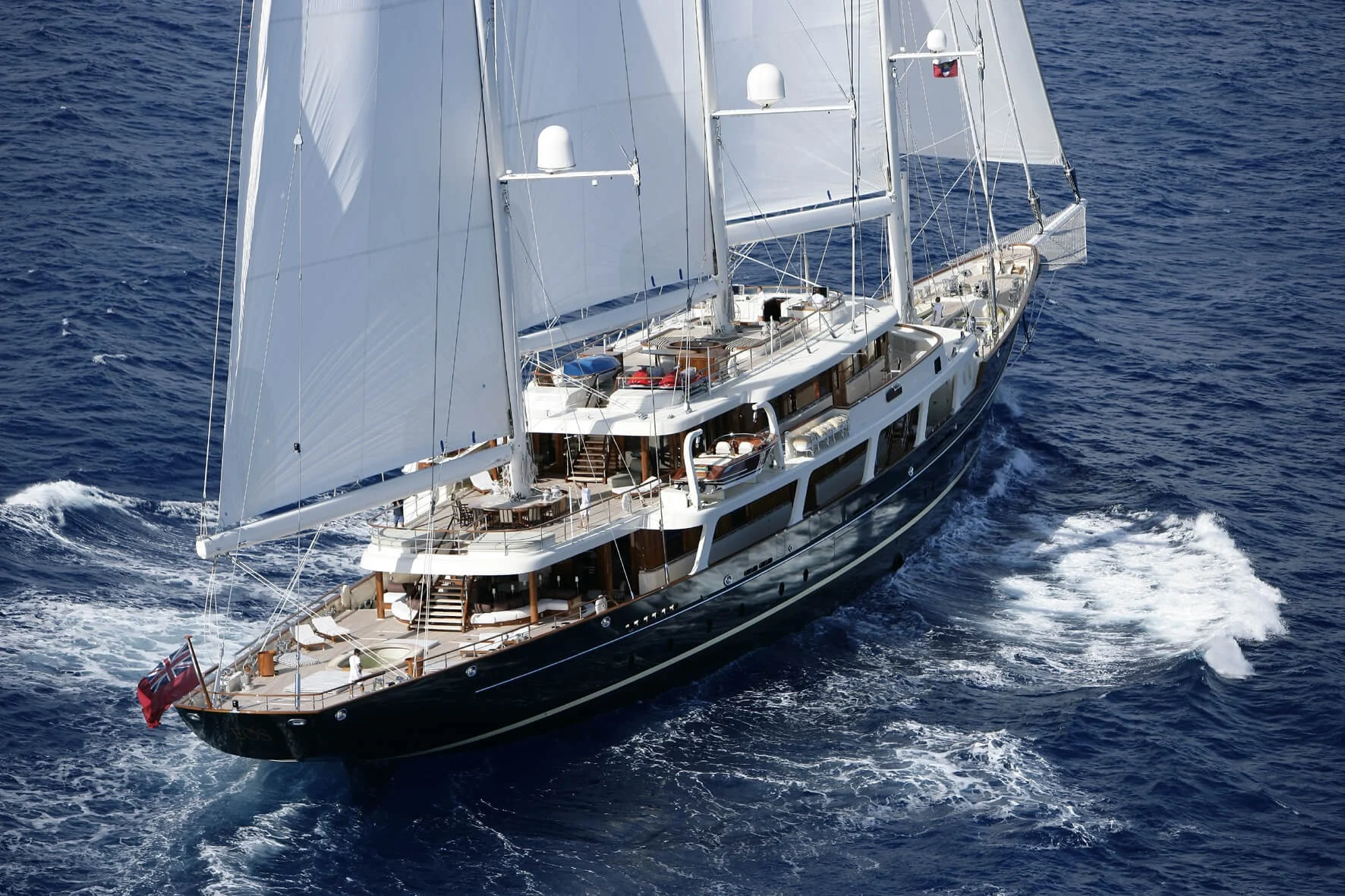
Photo from Feadship
With its towering masts and classic schooner design, Eos is one of the most recognizable sailing yachts in the world.
At 305 feet, it’s among the largest private sailing yachts ever built, combining traditional design with modern comfort. Expansive decks and elegant interiors make it ideal for long, slower-paced cruising.
Compared to many of the high-tech motor yachts in this list, Eos feels quieter and more understated. There’s a strong emphasis on wind-powered travel whenever possible, giving it a different rhythm entirely.
Octopus — Paul Allen

Photo from Lurssen Yachts
Few yachts have achieved the near-mythical status of Octopus.
Originally owned by Microsoft co-founder Paul Allen, this 413-foot expedition yacht was designed for far more than leisure. Alongside its luxury amenities — helipads, submarine hangar, cinema, recording studio, gym, and lounges — it also supported scientific exploration and deep-sea research.
That dual purpose is what has made it so influential.
Serene — Yuri Shefler
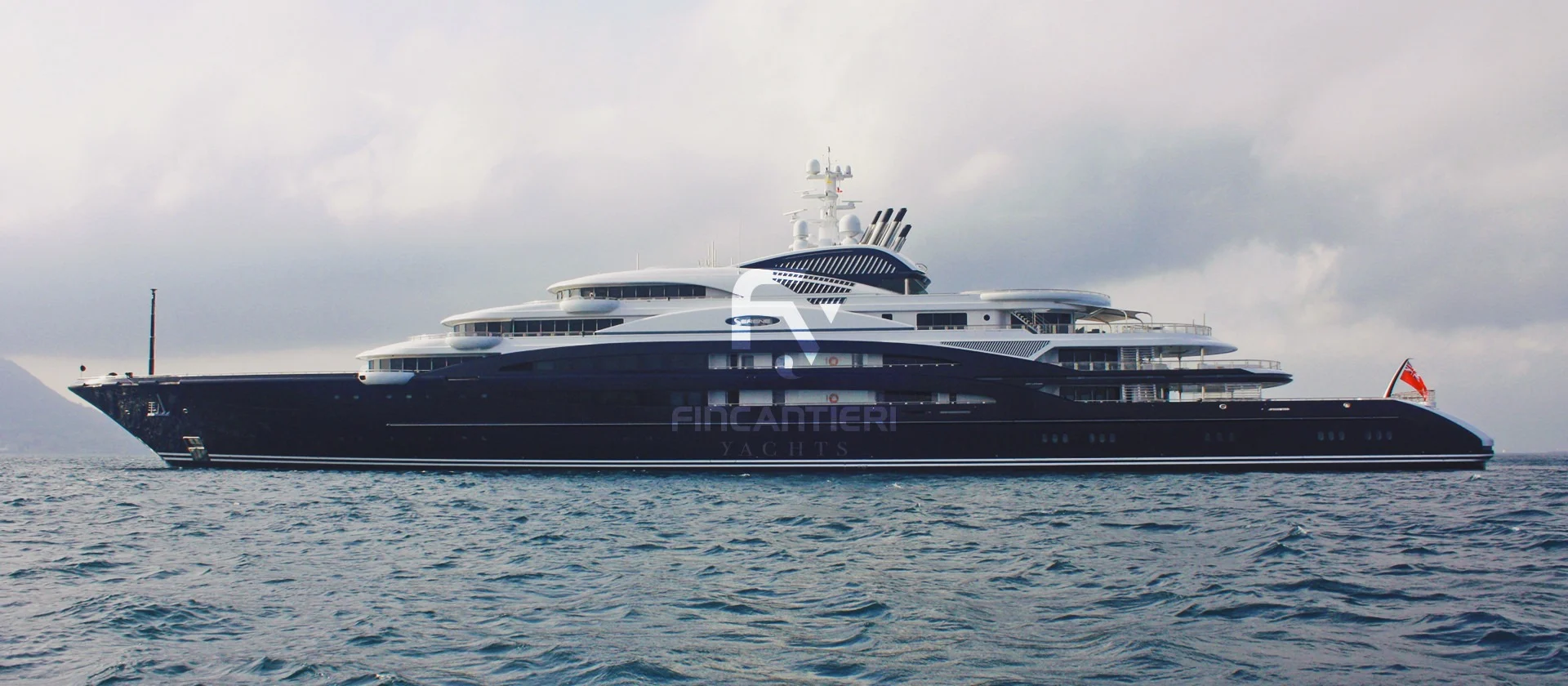
Photo from Fincantieri Yachts
At 439 feet, Serene is one of the most versatile superyachts ever built.
It features multiple helipads, a submarine garage, vast beach club, indoor and outdoor pools, spa facilities, a snow room, and extensive wellness areas designed for different climates and conditions.
With a crew of over 50, the yacht functions almost like a floating resort, shifting between relaxation, entertainment, and exploration depending on where it is in the world.
It has also become one of the most in-demand charter yachts, offering a rare glimpse into this level of travel (for those willing to pay for it).
Symphony — Bernard Arnault
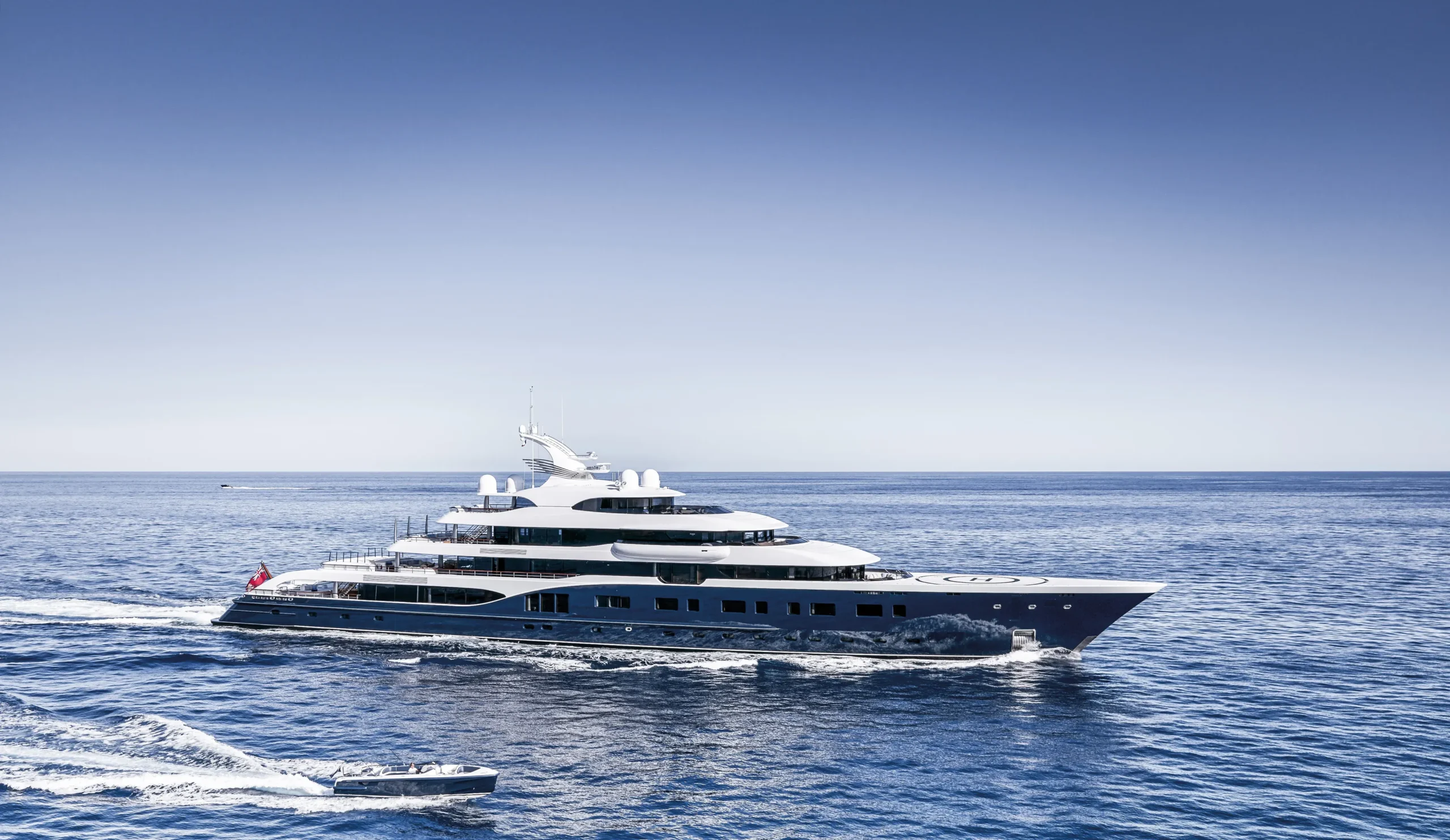
Photo from Feadship
Symphony represents the intersection of ultra-luxury design and corporate-level refinement.
At around 333 feet, it was the first Feadship yacht to exceed 100 meters, setting a new benchmark at the time of its launch. A glass-bottom swimming pool sits at its center, while wellness facilities, a cinema, and multiple lounges reflect its focus on comfort over spectacle.
There’s a noticeable sense of balance in its design: less about pushing extremes, more about refinement and precision. That approach feels fitting for its owner, whose business empire is built on luxury itself.
Sailing Yacht A — Andrey Melnichenko
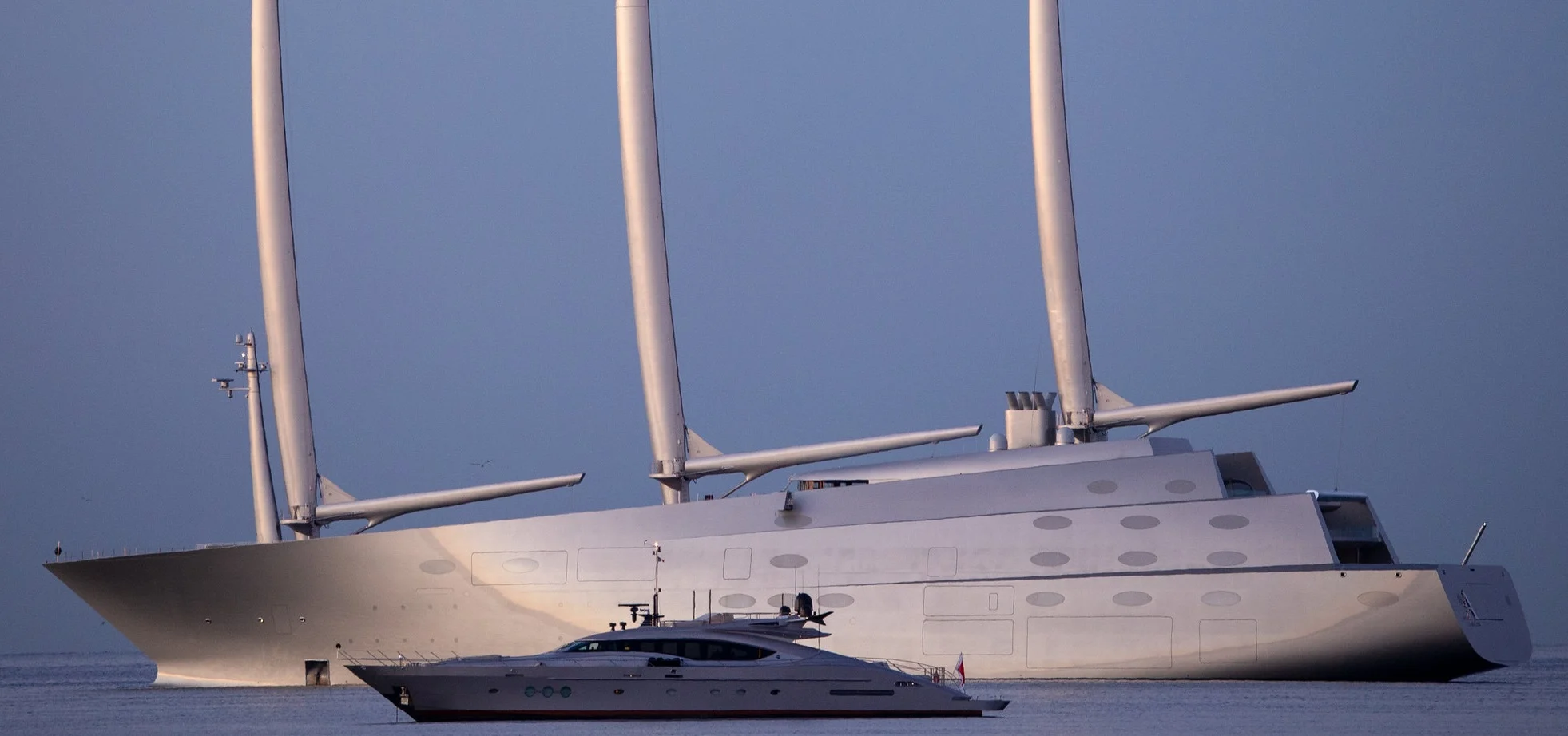
Photo from Wikimedia/Feliz
If there’s a yacht that consistently stops people mid-scroll, it’s Sailing Yacht A.
With its three towering carbon-fiber masts and almost sculptural silhouette, it looks more like a concept vessel than something you’d actually find at sea. At roughly 468 feet, it’s one of the largest sailing yachts ever built.
One of its most unusual features is an underwater observation pod, allowing guests to look directly into the ocean below. Combined with minimalist interiors and cutting-edge engineering, it feels closer to a piece of naval architecture art than a traditional yacht.
More articles
Ready to set sail?
Discover the perfect yacht charter for you — effortlessly with Yacht.com.


