Why Japan Is the Most Underrated Superyacht Destination in the World
Discover why Japan’s 7,000 islands, from Okinawa to the Seto Inland Sea, offer uncrowded, year-round superyacht cruising.

The superyacht map is surprisingly predictable. The French Riviera in summer, the Caribbean in winter, a handful of crossover seasons in between. These destinations dominate for a reason—but they also come with a trade-off: congestion, competition for berths, and itineraries that often feel pre-written.
Spread across more than 7,000 islands, Japan is less a single cruising ground and more a collection of entirely distinct ones. For owners and charterers willing to look beyond the usual circuits, it represents one of the last places where yachting still feels exploratory.

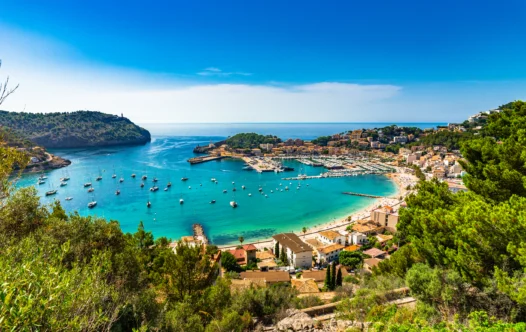
Photo by © Dominique Bonnet | Dreamstime.com
Okinawa: The Maldives Without the Traffic
Start in the south. Okinawa delivers the kind of conditions typically associated with the Maldives—clear, warm water, coral reefs, and long, white-sand beaches—but without the density.
There are fewer resorts. Fewer yachts. And significantly more freedom.
Anchorages remain open rather than allocated. Routes are flexible rather than fixed months in advance. A day might mean snorkeling off a reef in the morning, cruising to a near-empty island for lunch, and dropping anchor somewhere entirely unplanned by sunset. In a market where even remote-feeling destinations are increasingly saturated, that level of spontaneity is rare.
The Seto Inland Sea: Culture as a Cruising Ground
The Seto Inland Sea is not about beach clubs or high-energy ports. It’s quieter, with an inland network of calm waters dotted with hundreds of islands. Among them is Naoshima, now firmly established as one of the most compelling art destinations in Asia.
Here, contemporary museums, site-specific installations, and architectural landmarks sit directly on the coastline. Approaching by yacht feels less like arriving at a destination and more like entering a curated experience—one that blends culture, landscape, and seclusion in a way few cruising grounds can replicate.
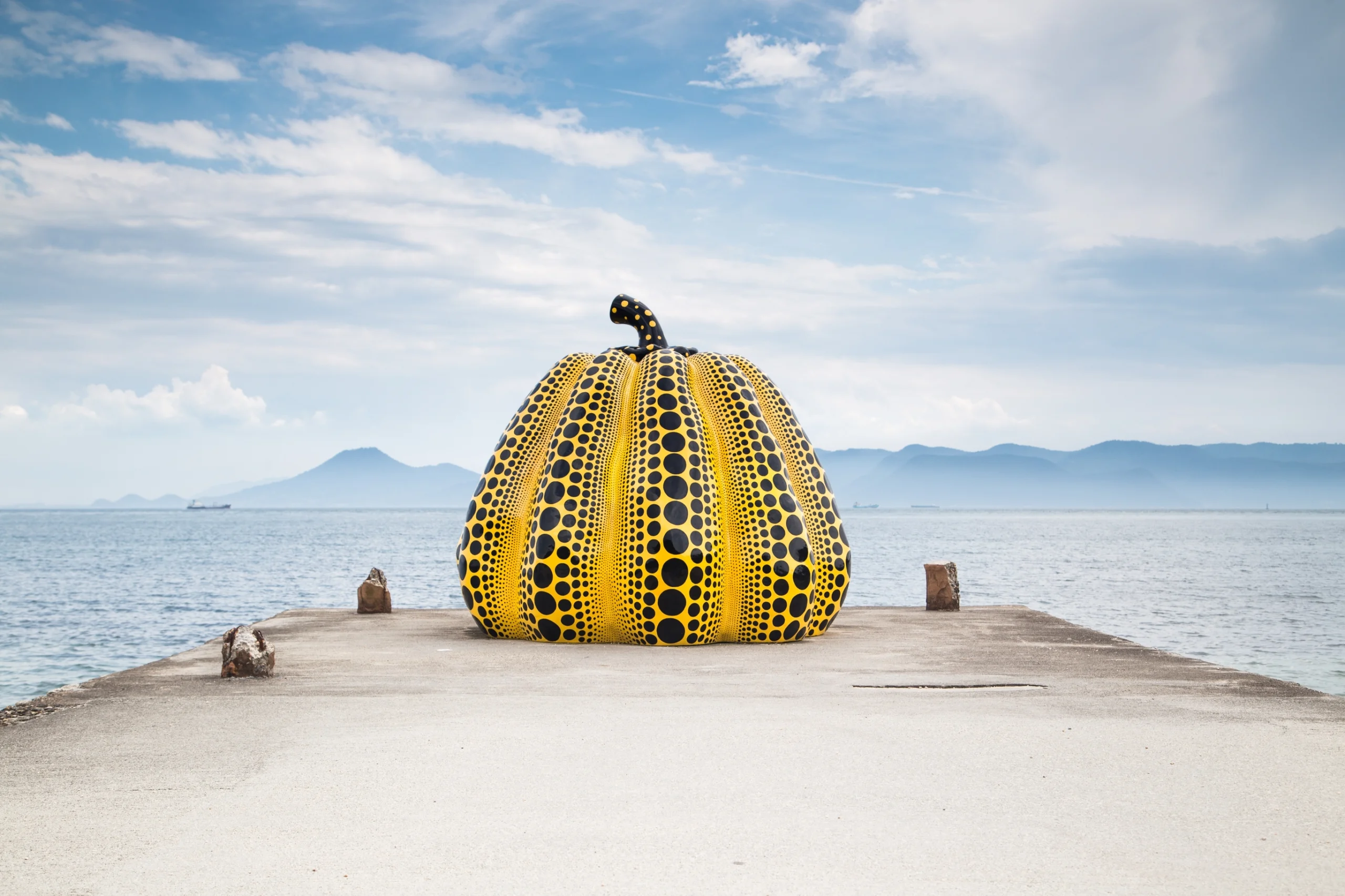
Photo by © Wirestock | Dreamstime.com
Year-Round Cruising, Without the Calendar Pressure
One of Japan’s most practical advantages is its range.
Unlike traditional hotspots that operate within narrow seasonal windows, Japan stretches across multiple climate zones. Northern regions open up in the summer months, while southern areas like Okinawa remain viable well into winter. The result is a destination that can be cruised for much of the year without the sharp peaks and bottlenecks seen elsewhere.
There is also no equivalent to the Riviera’s tightly structured event calendar—no weeks where berths are effectively unattainable or prices spike dramatically around major fixtures.
A Different Kind of Yachting Destination
Perhaps Japan’s greatest advantage is also its simplest: space.
In established superyacht regions, density is part of the experience. Harbors fill, anchorages compete, and even remote bays rarely feel entirely private at peak times. Japan, by contrast, remains largely off the mainstream charter radar. That translates into quiet marinas, open anchorages, and cruising grounds that still feel undiscovered.
Japan does not try to compete with the Mediterranean or the Caribbean on their terms. It doesn’t need to.
What it offers instead is tropical islands without the crowds, and cultural cruising grounds that rival Europe’s best. Add in world-class cuisine, seamless infrastructure, and a coastline that shifts dramatically from one region to the next, and the case becomes difficult to ignore.
For an industry always searching for what’s next, Japan may already be it.
More articles
Ready to set sail?
Discover the perfect yacht charter for you — effortlessly with Yacht.com.


