A Yacht Charter Guide to Australia’s Most Beautiful Coasts
Explore Australia’s best yacht charter destinations, from the Whitsundays and Sydney Harbour to the remote Kimberley and Ningaloo Reef.

Australia has about 21,750 miles of coastline. It has coral seas and red-rock gorges that meet the water, harbor cities, the world’s largest coral reef system, and a stretch of remote northwest coast so vast that a week spent here is not nearly enough time. For yacht charter, this presents an unusual problem: not a shortage of destinations, but an excess of them.
What follows is a selection of the places where a charter yacht is the right vessel for the landscape, where the water is the whole point, the anchorages are the reward, and arriving by sea is not merely convenient but the only approach that makes proper sense.
Queensland
The Whitsundays
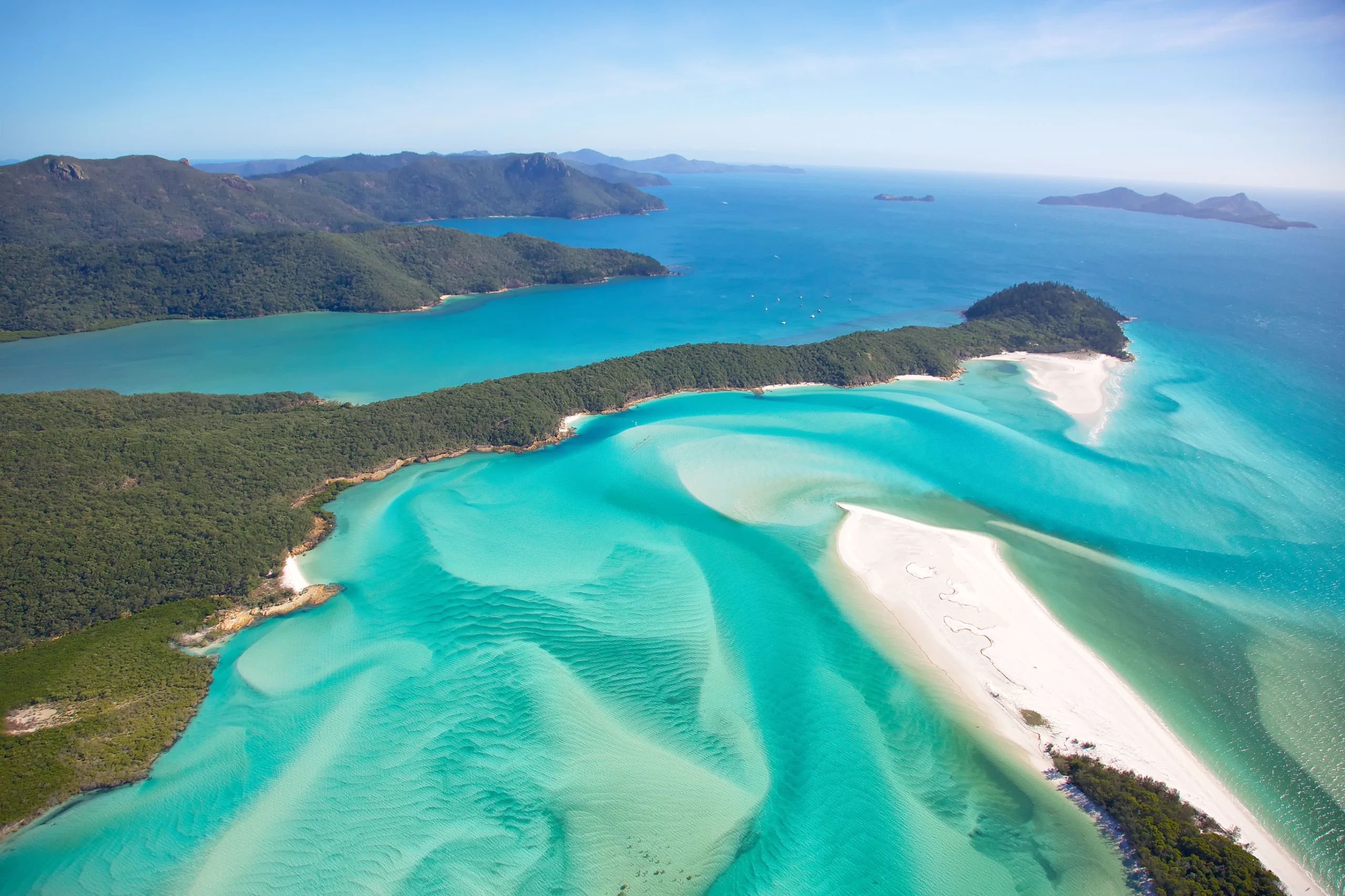
The Whitsundays are seventy-four islands scattered across the Coral Sea between the Queensland coast and the outer reef, and they represent the most established charter sailing destination in the country for good reason. The waters here are sheltered by the reef, consistently warm, and coloured in graduated turquoise. Whitehaven Beach is four and a half miles of silica sand so fine and white it squeaks underfoot, and is the flagship attraction (and justifies its reputation). But the Whitsundays reward those who move beyond the obvious: Hook Island, with its coral bommies and resident reef sharks visible from the surface; the passage between Haslewood and Lupton Islands at dawn, when the water is flat; the anchorage at Nara Inlet, where wallabies come to the water’s edge in the early morning.
The charter infrastructure here is the most developed in Australia. Airlie Beach offers a full range of vessels and provisioning, and the sailing between islands is straightforward enough for those without extensive offshore experience.
What to do ashore: The Hill Inlet lookout on Whitsunday Island is reached by a twenty-minute walk from the beach and shows the swirling sandbanks from above. Go at mid-tide for the full effect.
The Coral Sea
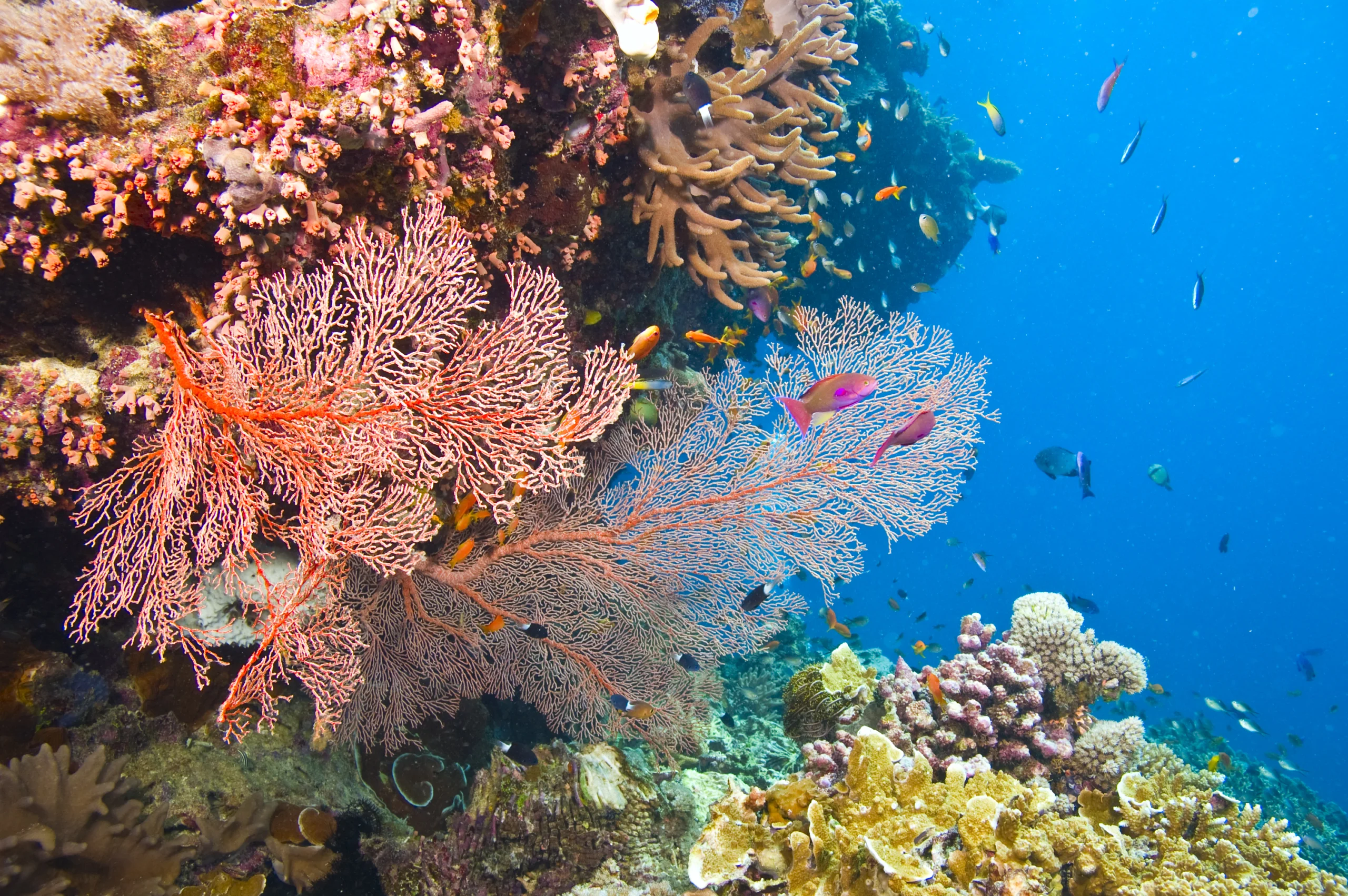
Photo by © Debra James | Dreamstime.com
For charter yachts willing to make the passage north from Cairns, the Ribbon Reefs offer something the Whitsundays cannot, which is the outer Great Barrier Reef in its full, largely undisturbed condition. The Cod Hole, at the northern end of Ribbon Reef No. 10, is one of Australia’s most celebrated dive sites, a gathering point for potato cod of extraordinary size who have been fed by divers here for decades. The snorkeling above the reef itself, in visibility that can exceed about 100 feet, is as good as anywhere in the Indo-Pacific.
This is not a casual charter destination. The passage north is exposed and the logistics require planning. But for those with the time and the inclination, the Coral Sea rewards in a way a more accessible reef cannot quite match.
What to do ashore: There is no shore to speak of, which is kind of the point. The Ribbon Reefs exist almost entirely at and below the waterline. Provision well in Cairns and plan to stay out.
New South Wales
Sydney Harbour
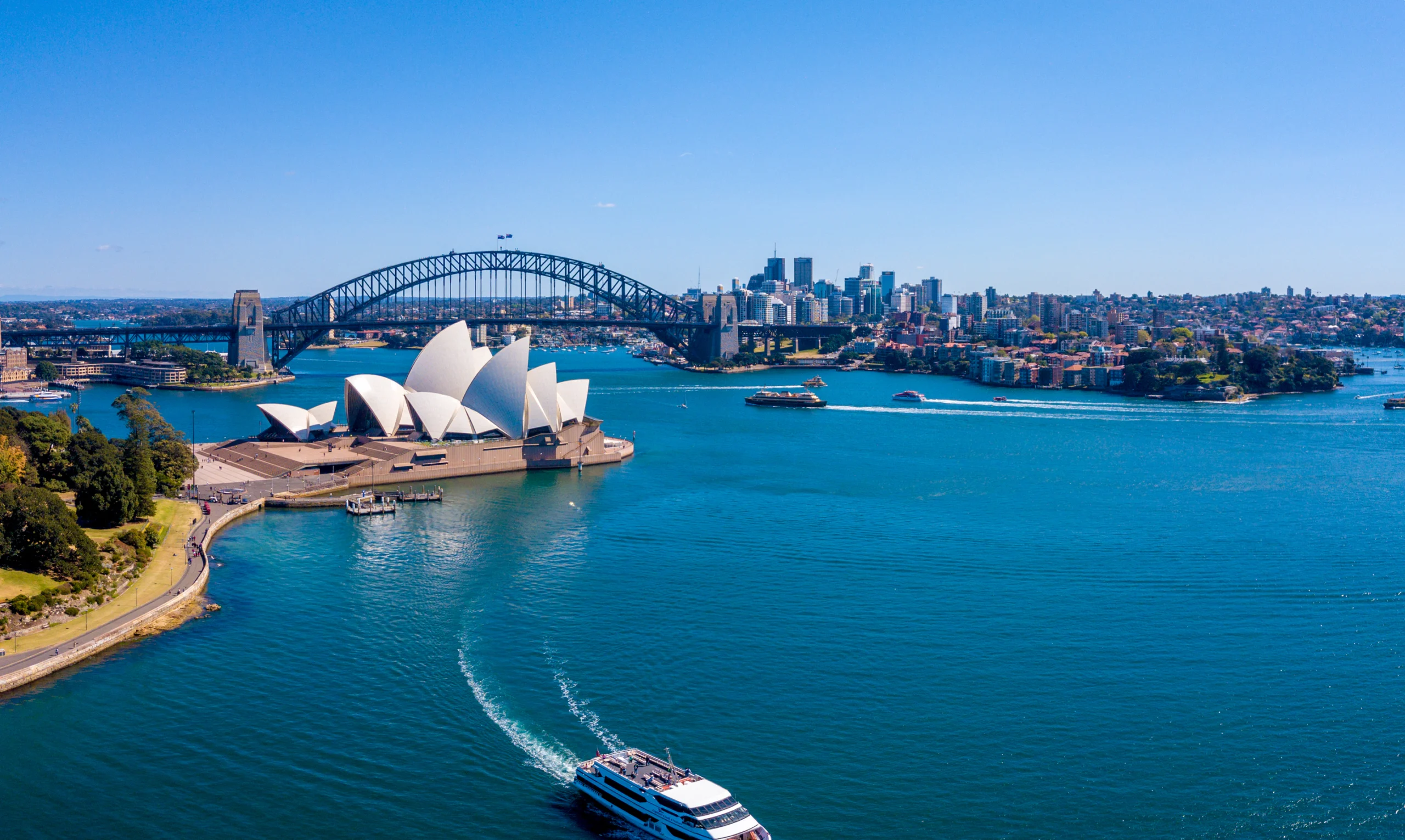
Photo by Alexkane1977vi | Dreamstime.com
Sydney Harbour is about 14 miles long, contains more than fifty beaches and coves within its shores, and is framed by one of the world’s most recognizable skylines. It is also, for those who have not considered it, a legitimate charter destination, one where the city itself becomes the backdrop to a sailing experience that really has no equivalent in Australia. Morning on the harbor, before the commuter ferries build and the wind comes up from the south, is a particular pleasure. The Opera House, the Bridge, and the harbor’s coves (Gunnamatta Bay, Bantry Bay, Cobblers Beach) offer anchorages within fifteen minutes of the CBD that still feel remote. The Middle Harbour, in the north, extends the experience further as a deep, wooded waterway where the city falls away and the bush comes to the water’s edge.
What to do ashore: Anchor in Watsons Bay and walk up to the Gap for the coastal views south toward Botany Bay, then return for a late lunch at one of the waterfront restaurants that have occupied this spot, in various forms, since the nineteenth century. The fish here, whatever is fresh and simply prepared, is the correct order.
Pittwater and the Hawkesbury
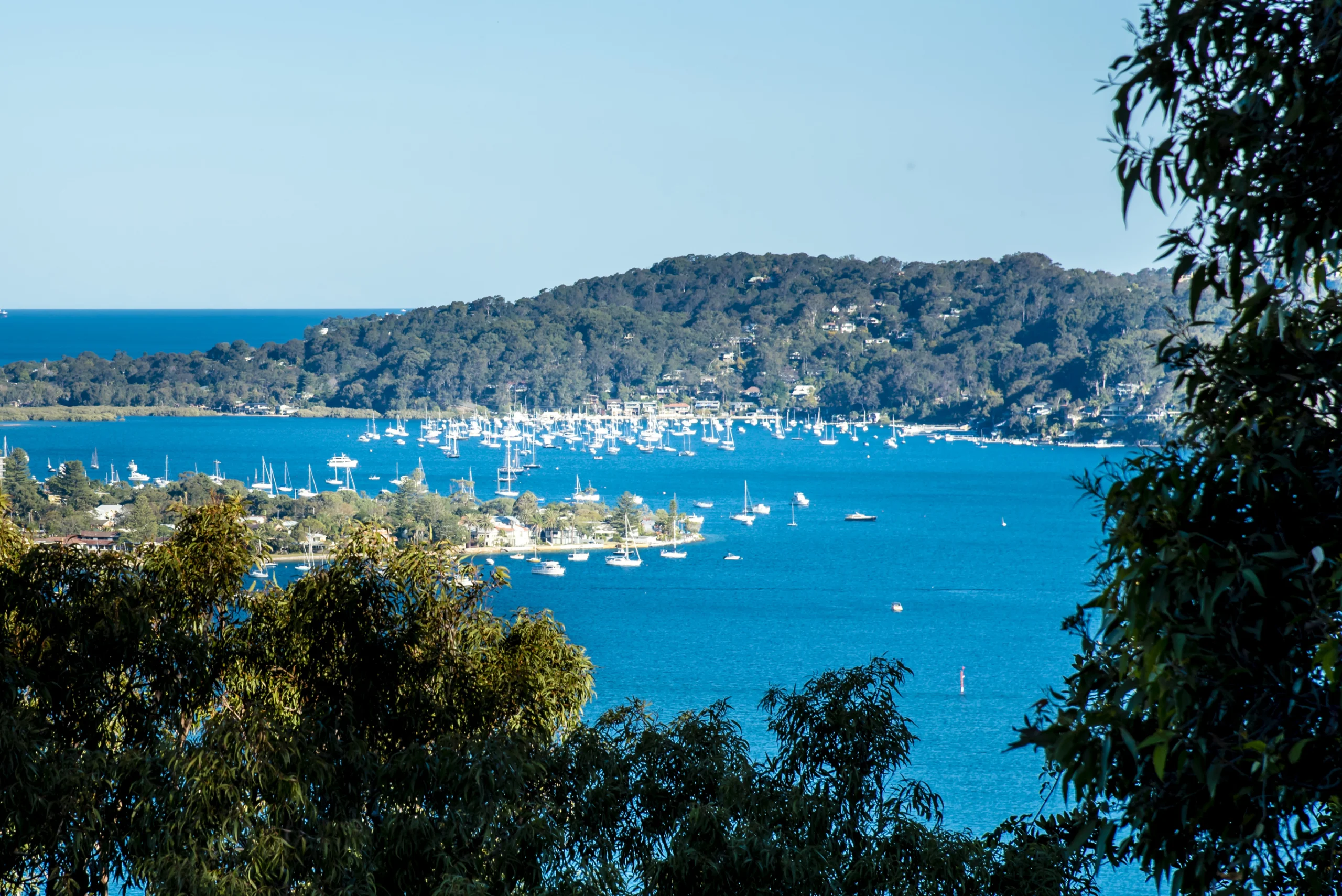
Photo by © avphotosales | Dreamstime.com
An hour north of the city by road, and a different world entirely by water, Pittwater is a long, protected waterway running between the Ku-ring-gai Chase National Park and the Barrenjoey headland. The national park occupies both shores for much of its length, which means the anchorages here -Refuge Bay, Coasters Retreat, The Basin- sit within bushland that has changed little since European arrival. The Hawkesbury River, which opens to the north of Pittwater, extends the charter range further into a landscape of sandstone gorges, oyster leases, and river towns.
What to do ashore: The Basin, at the southern end of Pittwater, has a campsite and walking trails into the national park that lead to Aboriginal rock engravings. The engravings (figures, animals, and fish) etched into the sandstone plateau are thousands of years old and largely unvisited. The walk from the water takes about forty minutes.
Western Australia
The Kimberley
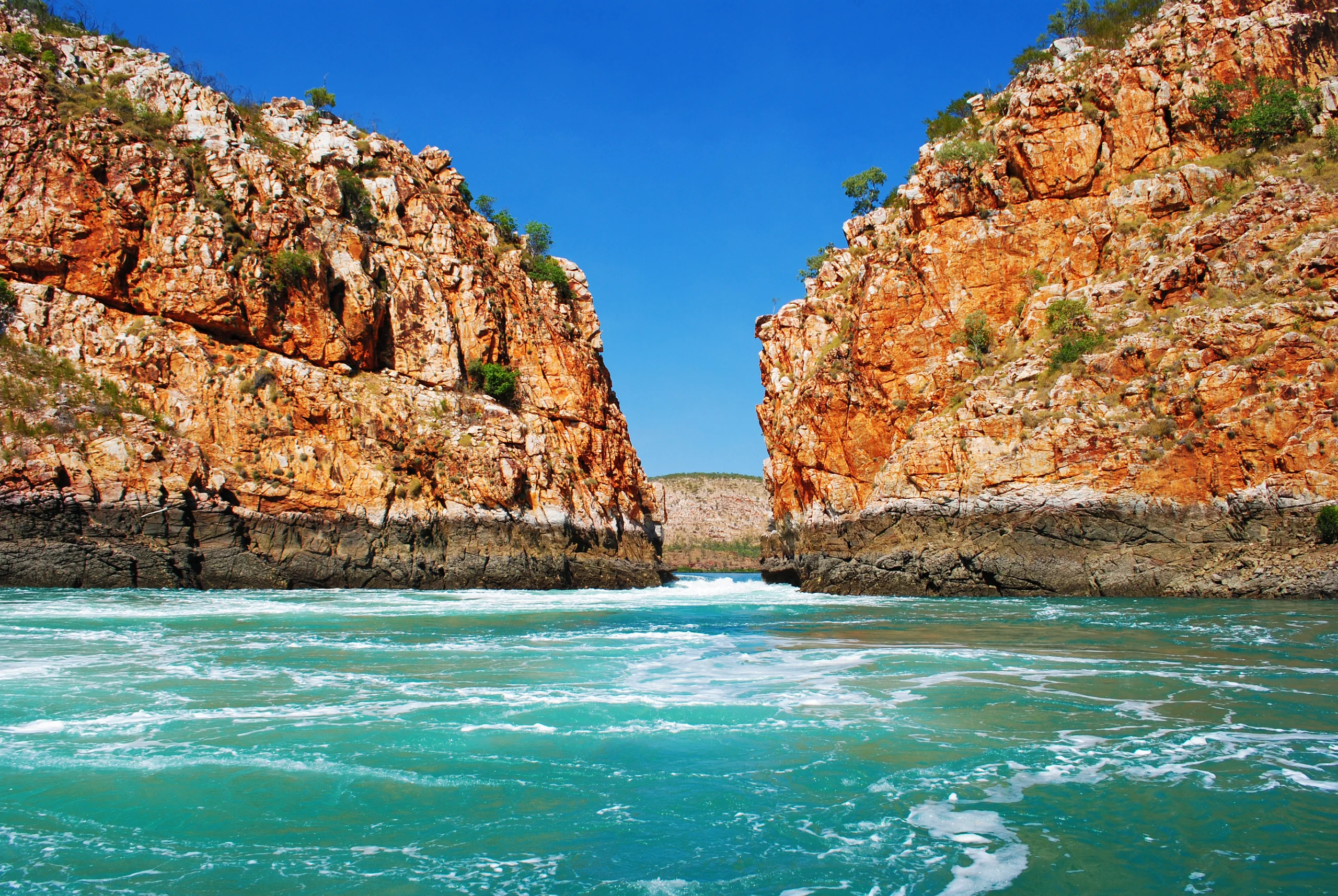
Photo by © Alyssand | Dreamstime.com
The Kimberley coast in northwest Western Australia is not a destination you just stumble upon. It requires planning, a capable vessel, and a willingness to operate in a place where the tidal range reaches about 36 feet, there are crocodiles, and the nearest town of any size is several days’ sail away. What it offers in return is ancient sandstone ranges, waterfalls, gorges accessible only by dinghy at high tide, and a star-filled night sky. The Horizontal Falls, a tidal phenomenon where water forces through narrow coastal gorges, creating a standing wave, is among the more natural spectacles in a country not short of them.
Charter operations here are specialist and small in number, and the season runs from April to October, outside the cyclone window.
What to do ashore: Montgomery Reef, south of the Buccaneer Archipelago, emerges from the sea at low tide with fish, turtles, and reef sharks. Witnessing it from a tender as the reef surfaces beneath you is quite magical.
The Exmouth Gulf and Ningaloo Reef
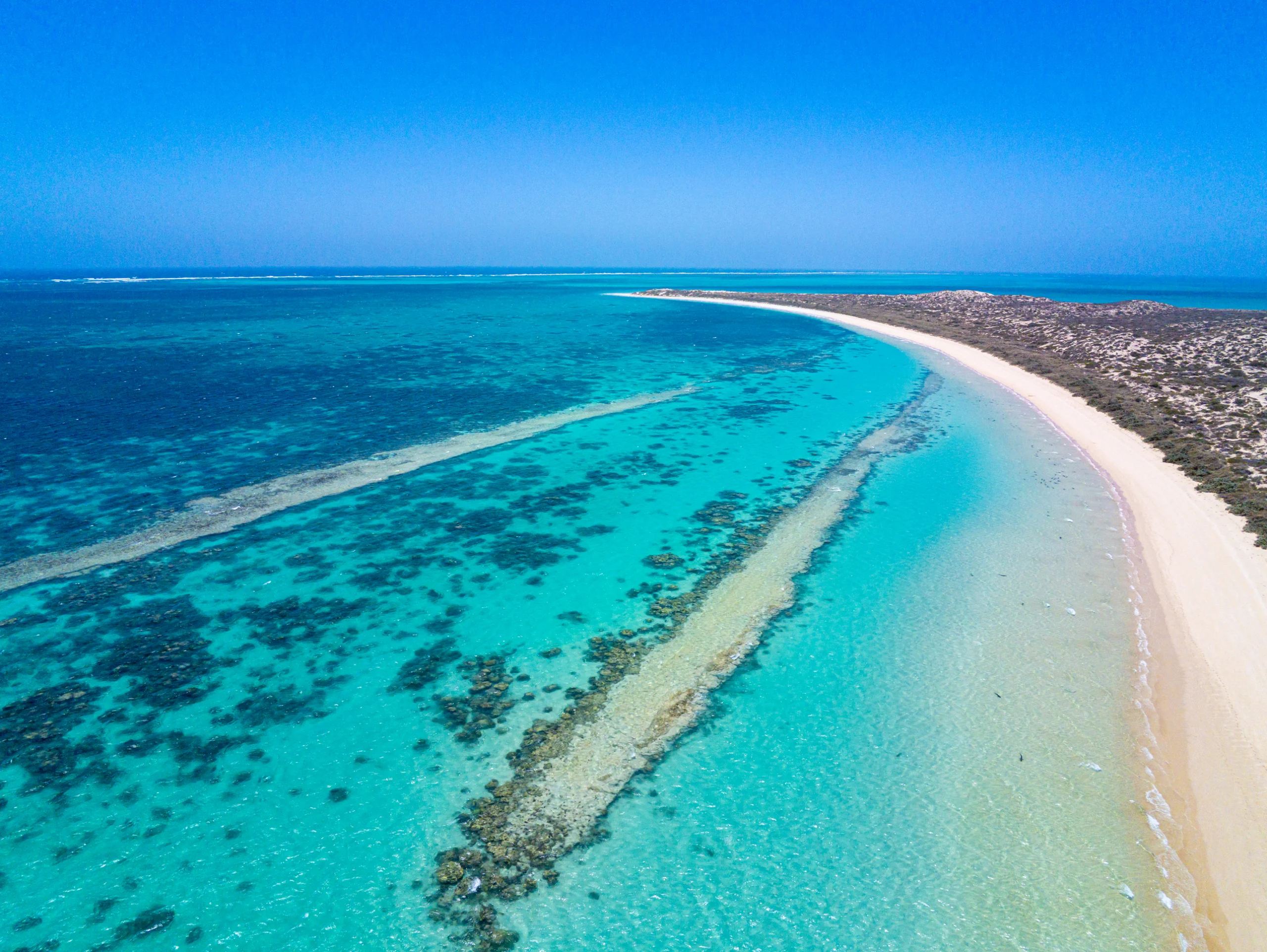
Photo by © Mxwphoto | Dreamstime.com
Ningaloo Reef runs for about 160 miles along the remote northwest coast, beginning almost at the shoreline. Unlike the Great Barrier Reef, it is accessible without a significant offshore passage, and the snorkeling from the beach is extraordinary. From a charter yacht, though, the access is different in kind. You are positioned directly above the reef system, able to move along it at will, and between March and July, you are in the proximity of the whale shark aggregations that make Ningaloo one of the world’s premier marine wildlife destinations. The whale sharks here are filter feeders and swimming alongside one in open water is quite the experience.
The Exmouth Gulf, to the east of the cape, offers sheltered anchorages and a landscape of dramatic arid hills falling to the water. Dugongs feed in the shallows and manta rays are reliably present through much of the year.
What to do ashore: The Cape Range National Park runs along the spine of the Exmouth Peninsula, and the gorges, Yardie Creek and Mandu Mandu, can be visited from the water’s edge. The black-footed rock wallabies at Yardie Creek are visible from the dinghy as well.
Conclusion
Australia rewards ambition. A week in the Whitsundays is a brilliant holiday. A season working north from Sydney through the Barrier Reef, or west along a coastline most sailors have never heard of, will change how you think about scale and remoteness.
The coastline is 21,750 miles long, so start somewhere and keep going.
More articles

Ready to set sail?
Discover the perfect yacht charter for you — effortlessly with Yacht.com.


