The US Has Some of the Best Yachting Waters in the World — Here’s Where to Sail
From the fog-wrapped harbors of Maine to the impossibly blue shallows of the Florida Keys, these are the American yachting routes worth planning your entire season around.

From fog-wrapped harbors in Maine to the impossibly blue shallows of the Florida Keys, the United States has some of the most rewarding yachting waters in the world. Whether you’re plotting your first big passage or just looking for a new route to fall in love with, 2026 is a great year to get out on the water. Here are the routes worth putting on your chart.
New England
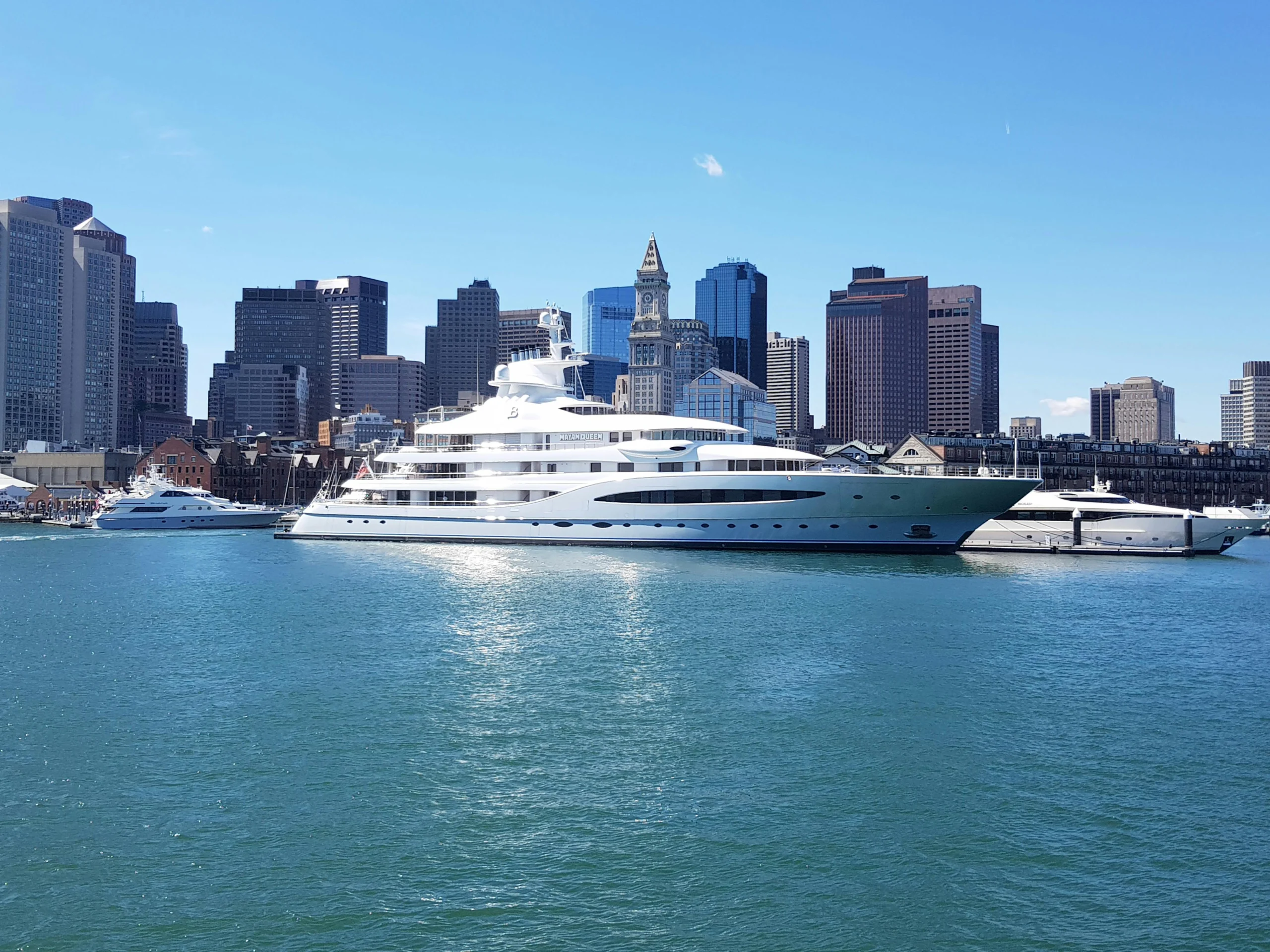
Photo by Mohamed Hassan/Pexels
No summer afloat is complete without some time in New England. The cruising grounds running from Narragansett Bay in Rhode Island up through Penobscot Bay in Maine have everything: stunning scenery, reliable summer winds, and a maritime culture that’s been perfecting its hospitality for centuries. It’s the kind of sailing that makes you want to cancel your return flight.
Newport to Martha’s Vineyard and Nantucket
Newport, Rhode Island is the undisputed capital of American sailing, and once you pull into the harbor and see the mix of superyachts, classic wooden ketches, and ocean racers all jostling for space, you’ll understand why. From there, the short hop south to Martha’s Vineyard threads through Buzzards Bay and lands you in Vineyard Haven or the quieter Menemsha Creek on the western shore.
From the Vineyard, a brisk eastward reach takes you to Nantucket, where the old whaling-town vibe, cobblestone streets, and well-stocked chandleries make a two or three-day layover hard to leave. The southwest winds of July and August keep things steady, and the range of anchorages, from the buzzy scene at Edgartown to the near-solitude of Tarpaulin Cove on Naushon Island, means there’s something for every kind of sailor.
Maine’s Penobscot Bay
If you’re willing to trade warm temperatures for jaw-dropping scenery, Maine’s Penobscot Bay will absolutely deliver. Rockland, Camden, and Castine are your gateway ports: fuel, provisions, and lobster so good it justifies every extra mile you sailed to get there. The bay itself is scattered with granite islands, quiet gunkholes, and working fishing harbors where the smell of salt air and diesel is its own kind of perfume. North Haven and Vinalhaven islands sit at the heart of it all and reward every patient hour you spend exploring them.
Fair warning: fog is excessive in Maine. RADAR, AIS, and a solid watch schedule aren’t optional. But when the fog burns off and the sun hits those spruce forests along the Camden Hills, you’ll completely understand why sailors who come here once keep coming back.
Pro tip: The Maine Windjammer Association holds its annual fleet rendezvous in Camden every August. Time your arrival right and you’ll share the harbor with some of the most beautiful traditional schooners still sailing in North America.
The Chesapeake Bay
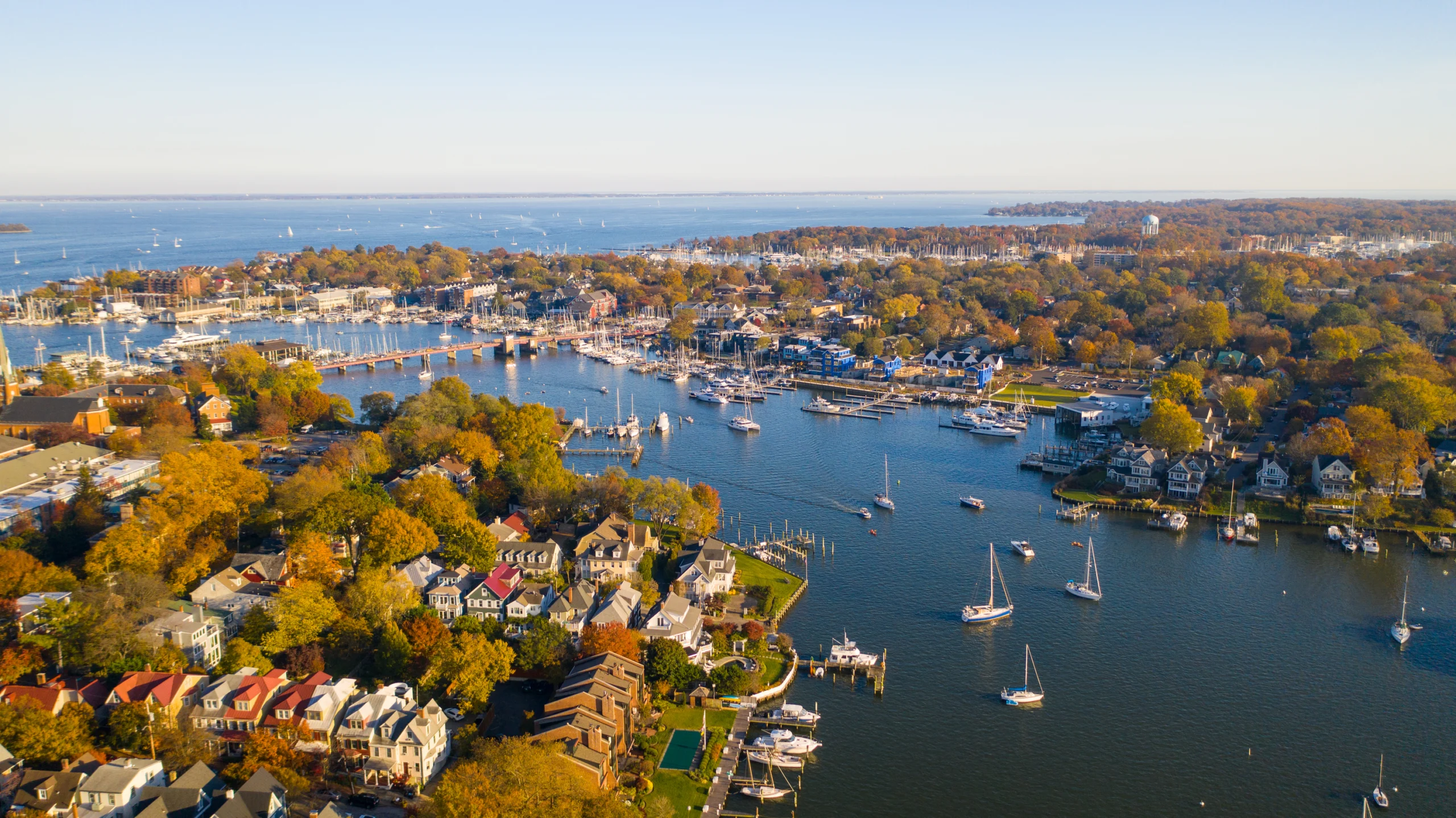
Photo by © Lgbillman | Dreamstime.com
Stretching 200 miles from the Susquehanna Flats in Maryland down to Hampton Roads in Virginia, the Chesapeake Bay is a destination big enough to fill an entire season (and then some). With 11,000 miles of shoreline, 150 navigable tributaries, and more anchorages than you could ever count, a hurried week here would honestly be a waste.
Annapolis, the Eastern Shore, and the Potomac
Annapolis is to the Chesapeake what Newport is to New England: the social hub, the best place to provision, and the spot where sailing stories get told over cold drinks at the dock bar. From there, crossing east to the Eastern Shore reveals a quieter, slower America. St. Michaels, Oxford, and Onancock are small towns with great marinas and farm-to-table restaurants for a good meal after a long day on the water.
Head south and the Potomac River opens up an unexpected detour into history. Dropping the hook off George Washington’s Mount Vernon and going ashore by dinghy is one of the more civilized pleasures in American yachting.
Pro tip: Summer thunderstorms on the Chesapeake build fast and hit hard. Get into the habit of checking the afternoon sky, tuning in to NOAA weather radio every morning, and always having an escape plan before you’re caught out in the open bay.
The Intracoastal Waterway
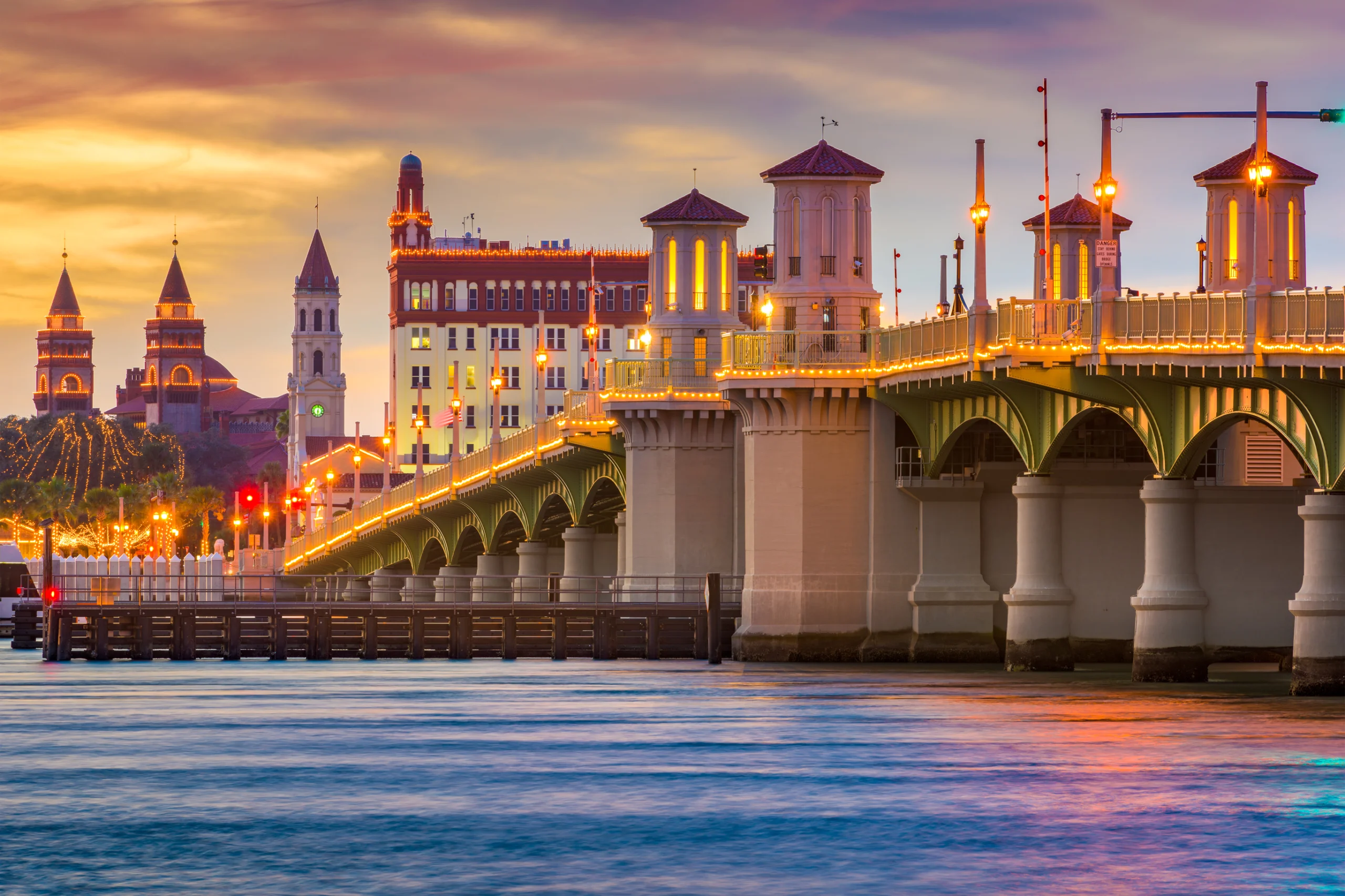
Photo by © Sean Pavone | Dreamstime.com
For boats making the seasonal run between New England and Florida, the Atlantic Intracoastal Waterway is a great alternative to offshore passages. Running about 1,300 miles from Norfolk, Virginia to Miami, the ICW is a mix of rivers, sounds, bays, canals, and cuts that can handle vessels drawing up to six feet.
The ICW isn’t a route you rush. It’s a slow reveal of the American South: the lowcountry of South Carolina, the sea islands of Georgia, the tidal marshes of the Savannah River, and then, finally, the first palm trees of northern Florida. Charleston, Beaufort, Savannah, and St. Augustine are the marquee stops, and each one easily deserves two or three days of serious exploration ashore.
Pro tip: Timing really matters here. Heading south in October or November puts you ahead of the holiday crowds and gives you the best conditions. Budget 30 to 40 days if you want to do it right.
The Florida Keys
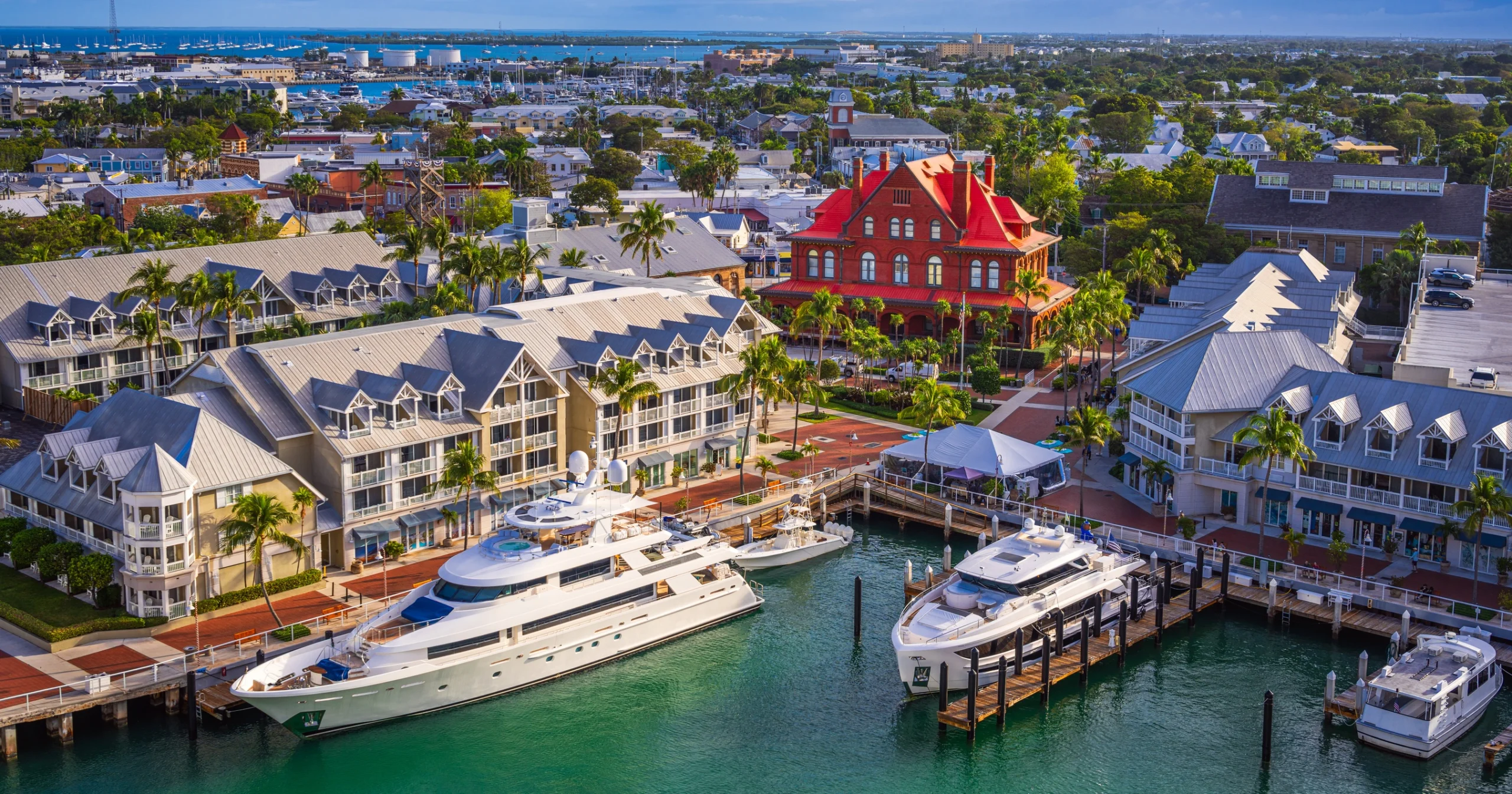
Photo from © Sean Pavone | Dreamstime.com
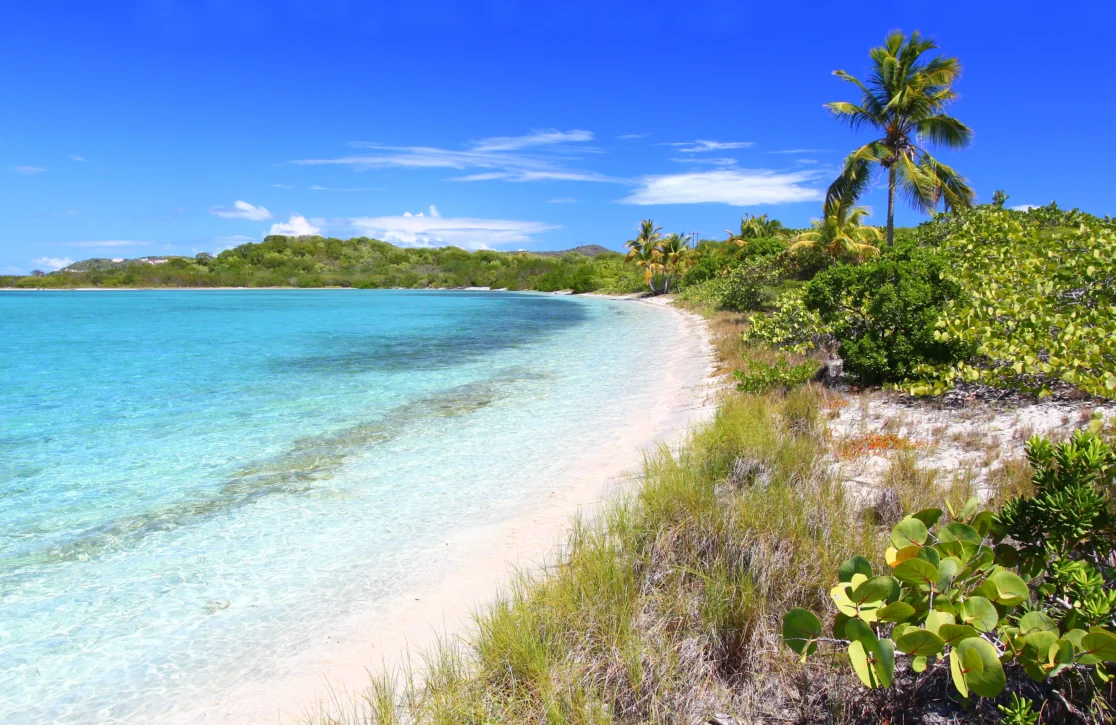
South of Miami, the Florida Keys curve southwest for 125 miles in one of the most dazzling strings of islands, reefs, and tidal flats you’ll find anywhere in the continental US. The water is warm, the snorkeling is world-class, and the Keys’ cheerful indifference to the rest of the world is rather contagious. Fair warning: you may never want to leave.
Card Sound to Key West
Coming from the north, your best approach is through Card Sound, south of Biscayne Bay, with better depths than the alternatives. Your first real anchorage is Rodriguez Key, just south of Key Largo, where turquoise water and the proximity to John Pennekamp Coral Reef State Park make it a natural first stop.
Working your way down the Keys means paying close attention to the charts. The Atlantic (or “ocean”) side has deeper water and reef access; the Gulf (“bay”) side is shallower, calmer, and better suited to smaller boats. Marathon, right in the middle, is the practical heart of the Keys with excellent marine services, a big mooring field at Boot Key Harbor, and enough restaurants and provisioning stops to resupply.
Key West is the destination. The anchorage off Christmas Tree Island and the mooring field inside the harbor fill up fast in winter, so arrive early or book a slip ahead of time. Sunset at Mallory Square, the Hemingway House, and the evening scene on Duval Street are the obvious draws, but the real joy is sitting in the cockpit with a rum drink and watching the pelicans.
Dry Tortugas
Seventy miles west of Key West, across open water that demands proper offshore preparation, the Dry Tortugas National Park is the most dramatic destination in all of Florida yachting. Fort Jefferson—a massive 19th-century fortification rising from a coral atoll—sits at the center of a marine sanctuary with some of the clearest water and healthiest reef in the entire country. You won’t find any shore power, fuel, or cell service here. That’s the whole point. Get your permit in advance, pack everything you need, and plan the passage carefully. It’s worth every bit of the effort.
The Gulf Coast
The Atlantic coast and the Keys get most of the attention, but the Gulf of Mexico has its own genuinely compelling cruising. The Florida Panhandle’s Emerald Coast, centered on Destin and Pensacola, offers sugar-white beaches and protected bay sailing tucked behind the barrier islands. Further west, Texas has the 113-mile-long Laguna Madre, one of only a handful of hypersaline lagoons in the world, where the paddling and sailing are unlike anything you’ll find on the East Coast. If you haven’t explored the Gulf side yet, 2026 is a good year to change that.
More articles

Ready to set sail?
Discover the perfect yacht charter for you — effortlessly with Yacht.com.


