The Greek Islands Savvy Yacht Travelers Are Booking Instead of Santorini and Mykonos
The Sporades offer pine-clad islands, turquoise anchorages, and an authentically Greek experience — without the crowds that have come to define the Cyclades.
When it comes to travel destinations in the Greek Islands, the Cyclades are almost always on the list. Millions of tourists visit Santorini, Mykonos, and other islands in the archipelago every year, with the region experiencing record-breaking travel numbers. It’s also among the most popular for yacht charters, with an estimated quarter-million sailing the area during the season.
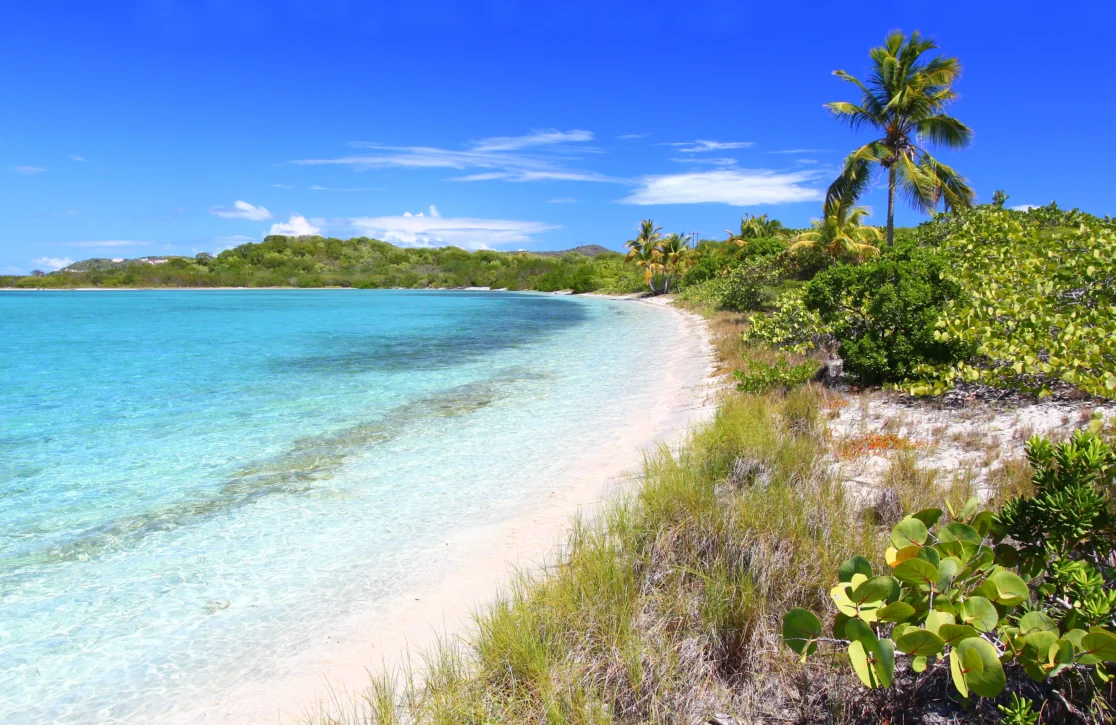
While the Cyclades have plenty to offer, smart travelers are choosing less-visited islands like the Sporades instead. Located in the northwest Aegean, about 75 miles north of Athens off the mainland coast, the archipelago is made up of two dozen islands, four of which are permanently inhabited: Skopelos, Skiathos, Alonissos, and Skyros. Remarkably lush with fragrant pine-clad hills, all are home to serene anchorages and a wide variety of beaches lapped by turquoise waters.
A week-long charter allows you to visit all four of the main islands comfortably, balancing sailing time with relaxation and exploration on land. Provisions are readily available on all, but stocking up in Skiathos will provide the widest selection.
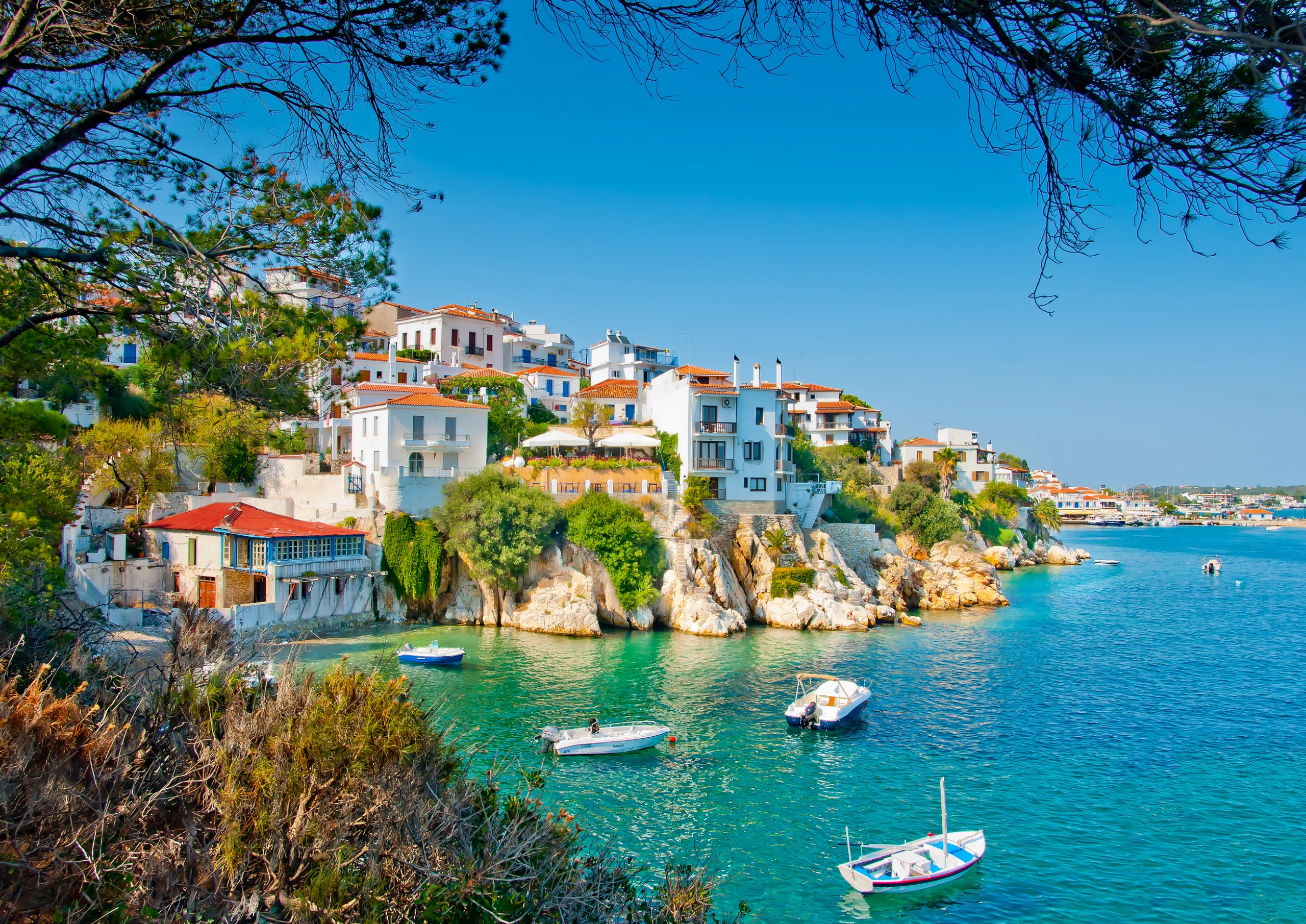
Photo by © Imagin.gr Photography | Dreamstime.com
Who the Sporades Are Perfect For
Each island in the Sporades has its own character. With protected waters and mild winds, they’re ideal for groups of friends and families seeking a scenic, relaxed escape with opportunities to swim, snorkel, and explore onshore. Adventurers can discover marine life, hidden coves, and authentic Greek villages. Beginner and intermediate sailors will appreciate the manageable conditions and safe anchorages.
The Best Place to Start Your Sporades Charter
Skiathos is the main hub, serving as the epicenter for charters in the Sporades. It has an international airport (JSI) with direct flights from major European cities and frequent ferry connections. Departing from the mainland port of Volos is often recommended, however, as it offers a wider selection of charter yachts and calm, protected sailing in the Gulf of Volos. Volos Marina is a popular starting point with direct access to the archipelago.
What to Know Before You Go: Wind, Weather, and Marinas
The summer Meltemi wind blows in from the north, but it is notably weaker and more manageable here in the northwest Aegean as compared to the southern Aegean. With steady wind speeds between 8 and 24 mph, conditions are generally quite manageable, ideal for relaxed and intermediate cruising.
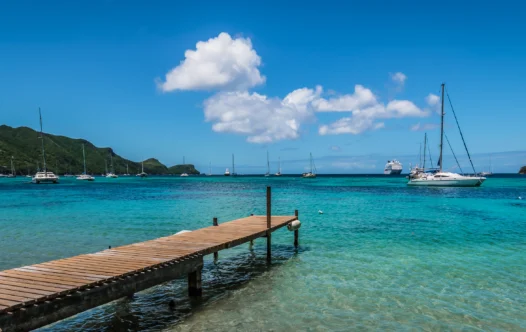
The top marinas in the Sporades include Skiathos Marina, near the main town and airport, and Skopelos Port, a picturesque harbor with easy access to the island’s villages and best beaches. Both are well-equipped.
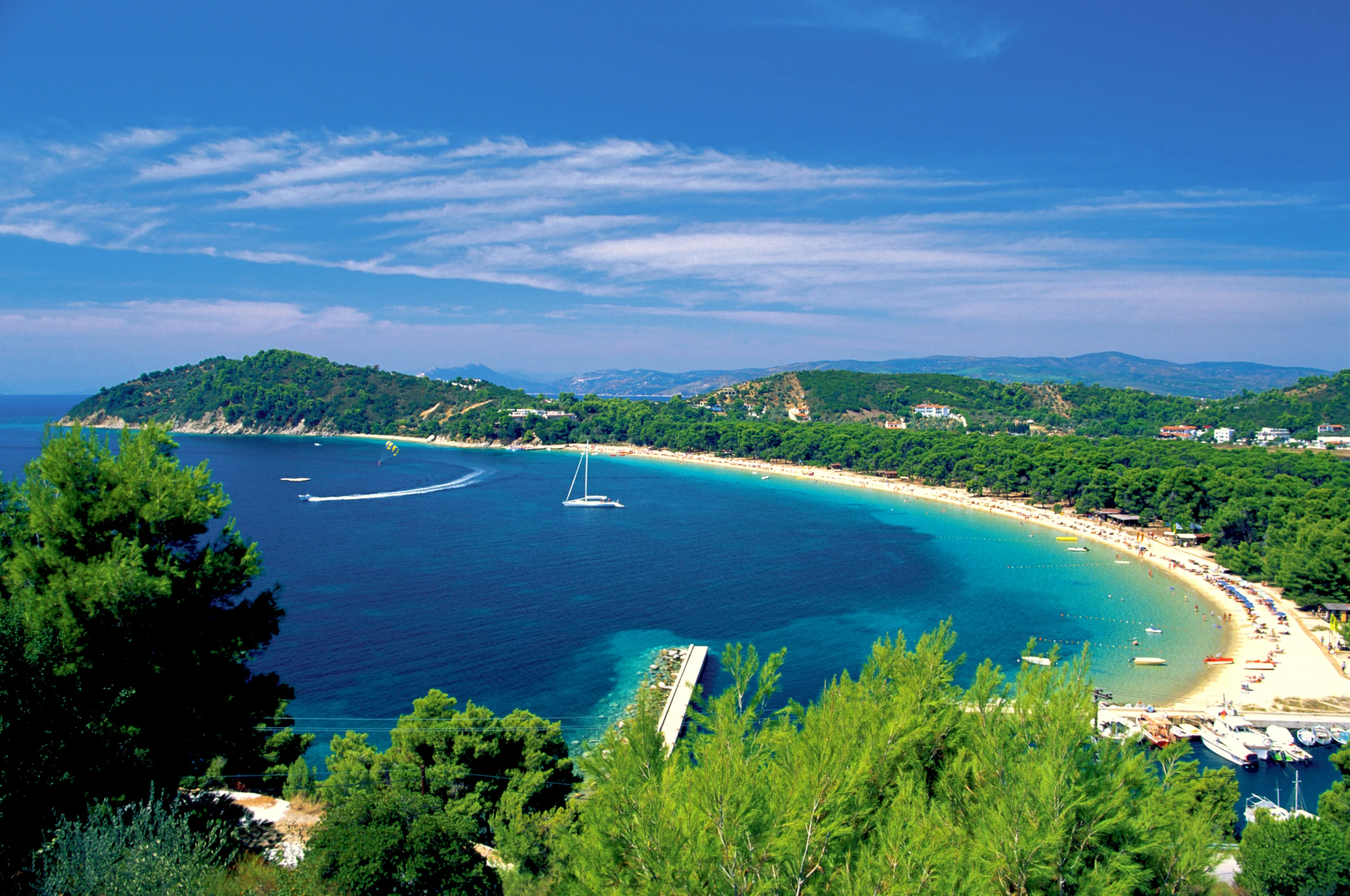
Photo by © Alanesspe | Dreamstime.com
The Destinations
Skiathos
Skiathos has been referred to as everything from “paradise on Earth” to the “Mykonos of the Sporades.” If you’ve watched the hit film “Mamma Mia,” it may look familiar, with several scenes shot here, many at the old port. Its famous nightlife is nearby, along the pedestrianized street with bars and clubs buzzing until the early morning hours. You’ll find more options around Ammoudia, including large open-air clubs.
Skiathos town (Chora) is also fun to explore by day. Start at the Venetian-built Bourtzi Fortress, which sits on an islet at the harbor’s east side. From the shady terraces, it offers a postcard-perfect view of the old port. Stroll the picturesque waterfront with its many cafes and eateries before wandering the maze of narrow streets and alleyways with one-of-a-kind shops and galleries. Of course, many come for the nature. The island is ideal for those seeking a mix of relaxation and activities. It’s home to pine forests and 60 pristine beaches lapped by turquoise water. There’s a beach for everyone, some tucked into secluded coves and others that are livelier, popular for water sports and partying.
Koukounaries is one of the most notable beaches, often ranked among the Mediterranean’s most stunning stretches. The three-quarter-mile-long span of fine, golden sand on the southwestern coast is lapped by clear aquamarine water and backed by the Strolfilia Lake nature reserve. Its pine trees provide natural shade right at the edge of the sand. There are beach bars, umbrellas, loungers, and opportunities for water sports. Paddleboarding, diving, and swimming are all popular.
Skopelos
Skopelos is where most of the outdoor scenes in “Mamma Mia” were shot. In fact, it’s been called the “Mamma Mia Island” ever since the film crew arrived in 2007. Fan or not, sailors and visitors of all types are sure to appreciate the spectacular nature and opportunity for a more authentic island experience. By climbing the 200+ steps up a rock cliff to Agios Ionanis Chapel, the iconic cliffside church in the film’s wedding scene, you’ll enjoy a stunning panoramic view, particularly from the courtyard. To discover more filming locations, guided tours are available to bring you to sites featured in the movie.
Old Town Skopelos (Chora) is another idyllic place to get lost in a labyrinth of cobbled alleyways, splashed with colorful bougainvillea, while lined with traditional bakeries and seaside tavernas. There are plenty of beaches for relaxing and swimming too, including Panormos, Kastani, and Milia. In the charming fishing hamlet of Agnontas, there’s just one beach, but it’s postcard-perfect. Stick around until dusk to enjoy sunset cocktails at one of the seaside tavernas.
Tsougrias
For a tranquil island escape just a few nautical miles south of Skiathos, spend a day on uninhabited Tsougrias. It boasts practically untouched beaches fringed with pines and shallow, clear cobalt waters for swimming or snorkeling. You can rent umbrellas and loungers to unwind on the bright, white sand, or simply lay down a beach blanket or towel for free. There’s a beach bar/restaurant for food and drink, but you can always bring your own supplies for a picnic. If you want to get more active, take a short hike to the little chapel of Agios Floros, two lakes, and a deserted oil press sitting atop the island’s rocky ridges.
Alonissos
A peaceful oasis popular with nature lovers, Alonissos is a gateway to Alonissos Marine Park. Dolphins, rare seabirds, Eleonora’s falcons, and occasionally Mediterranean monk seals can be spotted in their natural habitat. Boats can’t get closer than 400 meters (about a quarter-mile) to most islets, but it is possible to visit Kyra Panagia with a restored early 13th-century monastery. Divers can also explore an underwater museum off the coast of Peristera Island, the closest to Alonissos.
On Alonissos itself, there are unspoiled beaches like Agios Dimitrios and hilltop Chora (old town). The medieval village was beautifully restored following a 1965 earthquake and has a labyrinth of cobbled streets for browsing local shops and art galleries. It’s also a perfect spot for watching the sun go down over the Aegean. Those who want to learn more about traditional island life, winemaking, and piracy should visit the Alonissos Museum in the main port of Patitiri.
Skyros
Skyros is the largest island in the Sporades, geographically isolated from the rest of the group, about 38 nautical miles from Alonissos. That isolation means time-honored traditions have been maintained, and you’ll encounter fewer other visitors. It’s the most culturally distinct of the island group, featuring architecture that combines Sporades and Cycladic influences with whitewashed homes alongside traditional pitched-roof structures. Chora, overlooked by a Byzantine castle, was built amphitheatrically, with narrow lanes lined with artisan workshops where locals craft ceramics and unique furniture.
The rare Skyros pony can be spotted in the southern region of the island. The ancient horses, barely taller than a large dog, are believed to be descended from breeds depicted in the Parthenon frieze. There’s plenty of nature to explore, with Skyros one of the most sparsely populated of the Greek Islands. It’s home to over 180 beaches, including Molos and Magazia, the most popular. Just a short distance from Chora, they combine to form an uninterrupted stretch of coastline with golden sand and shallow sapphire waters ideal for sunbathing and swimming.
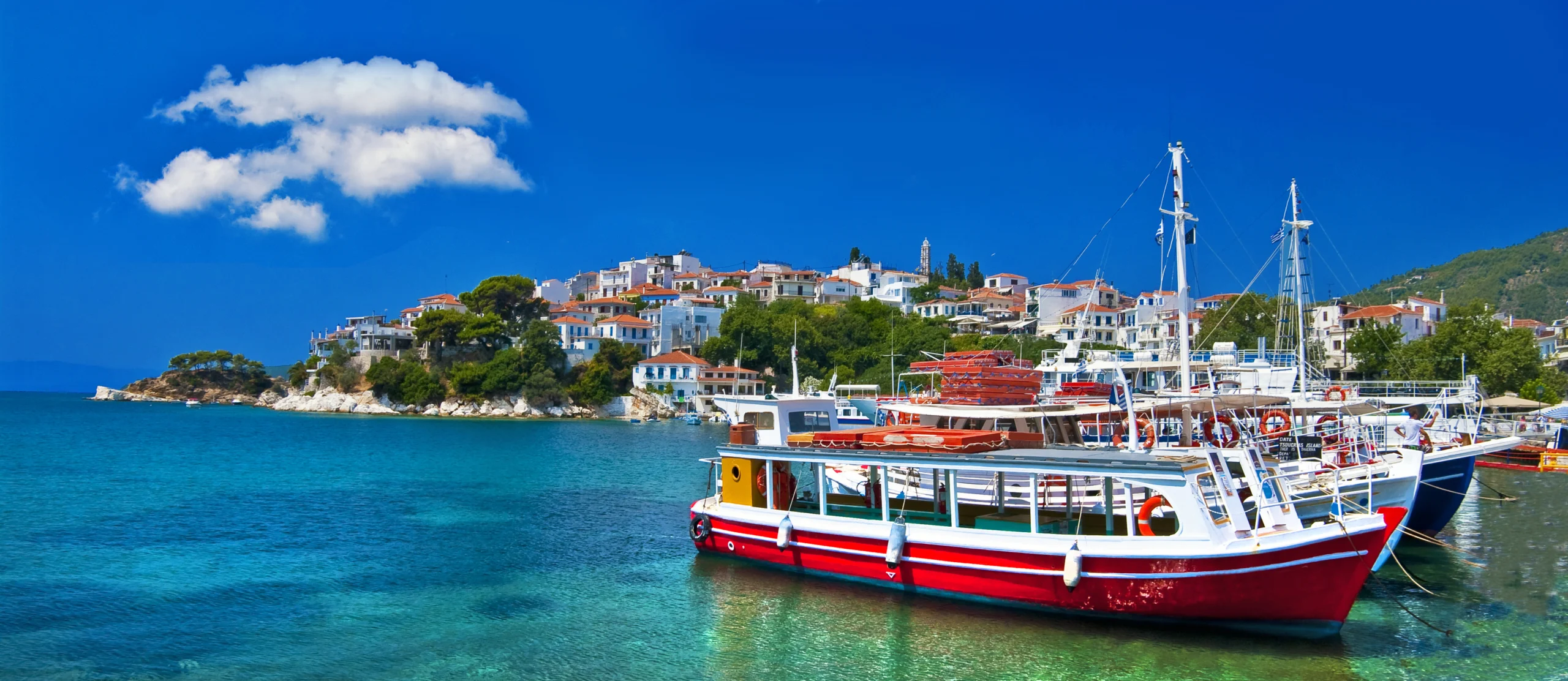
Photo by © Freesurf69 | Dreamstime.com
What to Eat and Drink in the Sporades
The main difference between food in the Sporades and the Cyclades stems from their landscapes. The windswept Cyclades are known for crops that have adapted to the lack of water, including drought-resistant produce, such as fava, figs, olives, and Santorini cherry tomatoes. The forested Sporades rely heavily on Mediterranean agricultural traditions, including locally produced olive oil, wild herbs, and seasonal vegetables like tomatoes, aubergines, and courgettes that thrive in the climate. Almonds and walnuts are widely grown across the islands, while figs and citrus are commonly cultivated in home gardens and island valleys. Skopelos is world-famous for its varieties of sweet and sour plums.
Local meze, like sun-dried, grilled fish seasoned with local herbs and spices, is popular throughout the islands. Fried pies, including ladopita from Skyros and skopelitiki from Skopelos, are the signature dish. Unlike most Greek pies that are oven-baked, they’re fried in hot olive oil, which imparts a rich flavor and an extra-crunchy texture. They can be sweet, like ladopita, which is filled with soft cheese, drizzed with honey, and dusted with cinnamon, or savory, packed with myzithra or fresh goat cheese.
Hearty rabbit stews, fishermen’s stews made with the fresh catch of the day, and astakomakaronada (lobster spaghetti) are a few of the other popular menu items.
The grapes used to make Sporades wines are primarily grown in Skiathos. Shaped by the cooling Meltemi winds, the region focuses on indigenous Greek varieties, defined by mineral-driven profiles and crisp acidity. Assyrtiko is the most popular white, while Alypiako is its famous red. Dark and robust, it was historically crafted by monks at the Evangelistria Monastery in Skiathos.
More articles

Ready to set sail?
Discover the perfect yacht charter for you — effortlessly with Yacht.com.


