The Best Time for a Sea of Cortez Yacht Charter: Month-by-Month Weather, Wildlife & Events
Here in the "World's Aquarium," discover uninhabited islands ringed by secluded white sandy beaches, accessible only by boat, and surrounded by brilliant turquoise water, with extraordinary biodiversity.
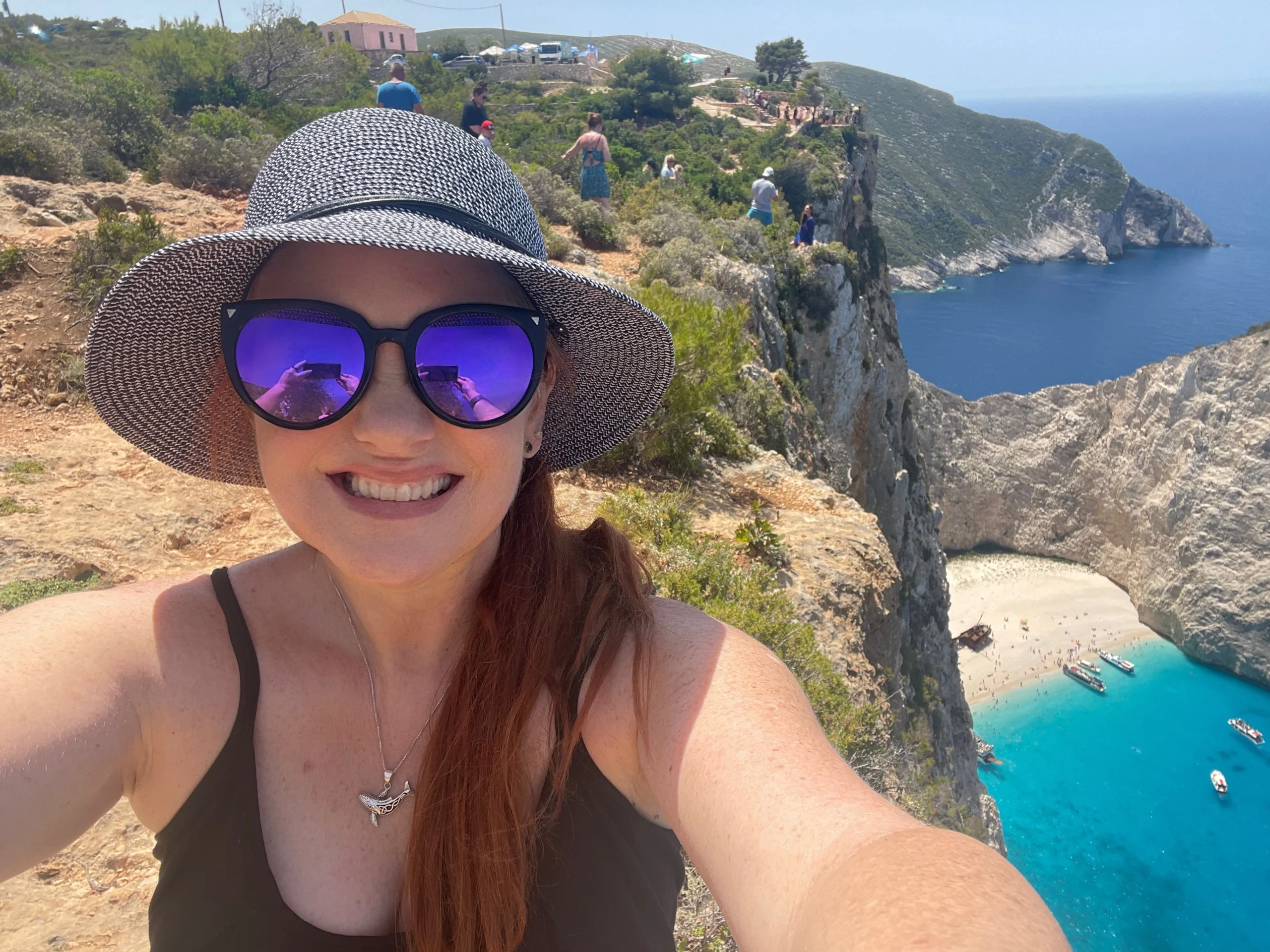
Sailing the Sea of Cortez along Mexico’s western coast, you’ll be surrounded by spectacular scenery above and below the water’s surface, with thriving coral reefs, schools of colorful fish, rays, and all sorts of other marine life. In the winter, you can watch for the spouts of whales and often see humpbacks breach. Timing your voyage can make all the difference, whether you’re hoping for calm sailing conditions, opportunities for whale watching, world-class diving, or to immerse yourself in authentic culture, perhaps by attending a lively local festival.
As a local whose favorite pastime here is getting out on the water, I’ve put together this guide for all you need to know for the ultimate yachting excursion, including the best time to charter a yacht on the Sea of Cortez based on weather, seasonal wildlife encounters, and special events. You’ll also learn more about the top spots to visit along the way, from secluded anchorages to charming coastal towns.
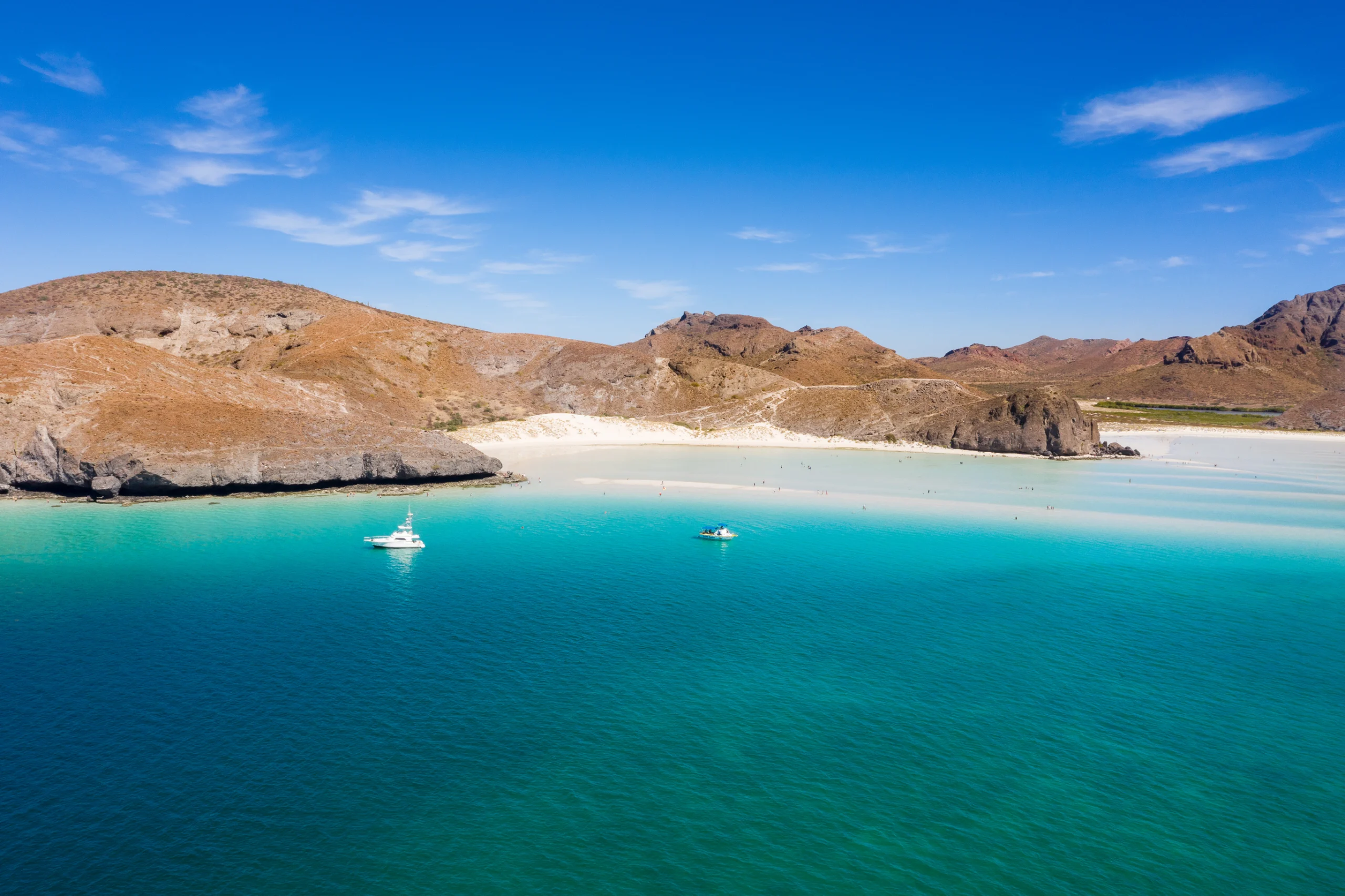
Photo by © Flydragonfly | Dreamstime.com
Sea of Cortez by Season: What Each Month Has to Offer
The Sea of Cortez offers year-round yachting opportunities, but the best time to sail is between November and May. During these months, the weather is relatively mild, and the sea is typically calm. Temperatures range from nighttime lows between 55 and 79 to daytime highs in the 70s and upper 80s. In the winter, whales are a common sight, including humpbacks, gray, fin, and blue whales. You’ll almost always see dolphins, and if you’re lucky, the occasional pod of orcas.
To narrow it down to the very best month based on your interests, take a closer look at what each has to offer.
November
November marks the end of the tropical storm/hurricane season, although it’s typically a dry month as the region transitions to more comfortable winter temperatures, ranging from about 80 to 88°F. After the late summer/fall rain, the desert landscapes will be much more lush. Plus, the winter visitors have yet to arrive, for a more tranquil experience at land and sea. While it’s a bit early for whales, the sea lions will be active, and large gatherings of mobula rays are frequently spotted. This is also the start of the whale shark season in the Bay of La Paz, providing opportunities to swim alongside the gentle giants.
December
Temperatures dip to highs in the 70s in December while many different whales begin to arrive. Particularly later in the month, you might see migratory humpback and blue whales that come to feed and breed in the warm waters. That said, winter high-pressure systems can bring cold, powerful winds of 30+ knots that generally last from one to four days. Yachters can always island-hop up the coast while waiting instead of fighting the wind, with several days of beautiful, calm weather soon following.
January
January is the peak of the sailing season, seeing some of the best weather of the year with minimal, if any, rainfall and pleasant daily temperatures with highs in the upper 70s and lows around 60°F. Whale numbers significantly increase, and Loreto’s Blue Whale Festival, celebrating the arrival of blue whales and other cetaceans, often takes place toward the end of the month (the exact date varies by year). If your trip coincides with the festival, you can enjoy the food and artisan markets, educational events, and more.
If close encounters with gray whales sound appealing, tour operators based in Loreto can bring you to Bahía Magdalena on the Pacific side of the Baja Peninsula. Known locally as the “Friendlies,” some of the mothers bring their calves right up to boats, seeking human interaction. They arrive around mid-January and usually stick around through early March.
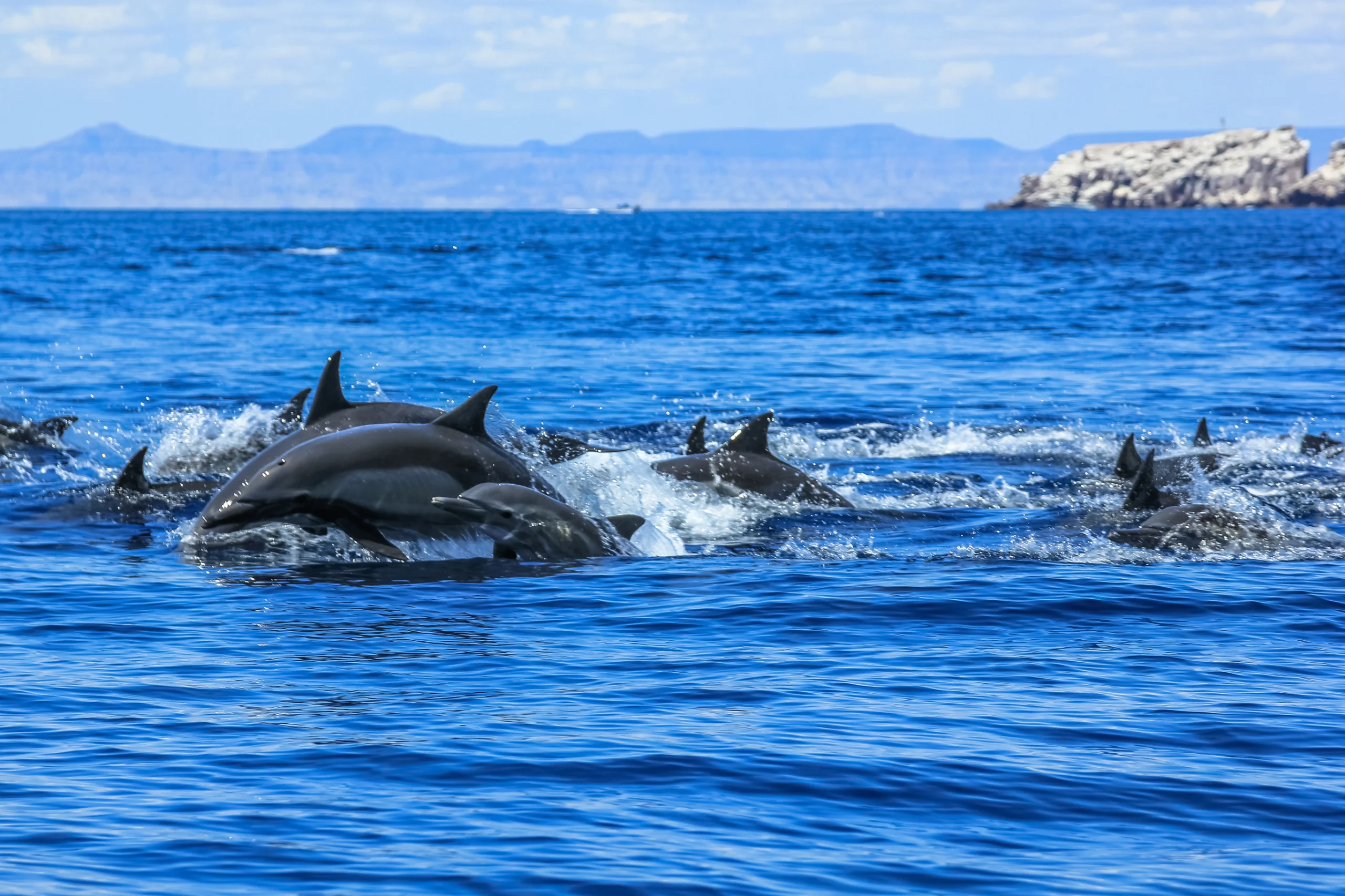
Photo by © Bennymarty | Dreamstime.com
February
The very best month for whale watching, you’ll have the chance to see many different whale species, including blue whales, the largest animals on the planet. Fin whales, the second-largest, can also be spotted, and humpbacks will be quite active now. Sperm whales, Bryde’s whales, and orcas can occasionally be seen as well. In terms of weather, it won’t be much different than January. Daytime temperatures average around 69 –79°F, but winds can be strong and unpredictable, stirring up swells for a short time.
Carnaval is celebrated in multiple towns along the Sea of Cortez, including La Paz and Loreto, featuring colorful parades, dance performances, live music, and lots of tasty street foods.
March
March is a transitional month for sailing. Expect sunny skies and idyllic temperatures, ranging from about 72°F to 82°F, but during the first half of the month, northern winds can blow down, producing strong gusts of 25 to 30+ knots. In between, you can expect mild breezes of 10 to 15 knots, excellent for yachting. Many of the migrating whales will start to head north again, although you’ll have good odds for spotting them most of the month. Keep an eye out for blue-footed boobies as the nutrient-rich waters draw large schools of baitfish, providing a feast for the birds that can be seen executing high-speed dives.
April
April is the end of the peak season in the Sea of Cortez, but it’s still a prime month for sailing with a shift from the strong northerly winds to lighter, southerly breezes. Daytime temperatures range from 80 to 86°F, while nights are cool and comfortable, in the upper 60s to lower 70s°F. Most of the whales will be north of Loreto by now, but there’s still a chance of spotting a few. Plenty of other wildlife can be sighted, including dolphins, whale sharks, and mobula rays.
May
May brings mostly sunny skies and calm seas, although temperatures start to rise significantly now as the intense heat and humidity of summer will soon be here. Temperatures peak in the afternoon, ranging from the upper 80s to the low 90s Fahrenheit. Winds are typically light to moderate, averaging 8 to 15 knots. This is the last month for swimming with sea lions at major rookeries such as Los Islotes, as the water around these islets is strictly closed to tourists to protect newborns between June and August.
Coastal Towns Worth Stopping In
La Paz
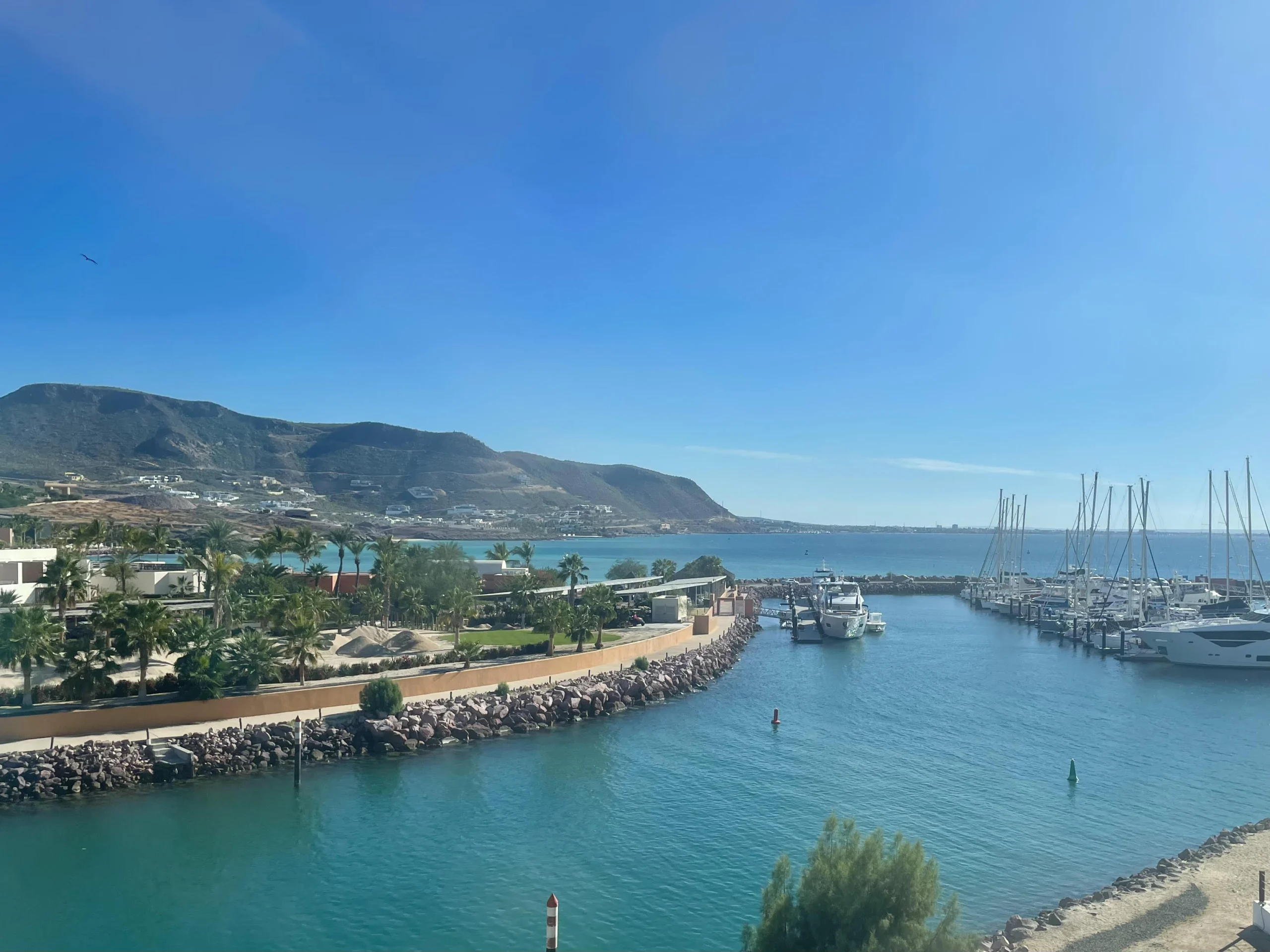
Photo courtesy of KC Dermody
The capital of Baja California Sur is the perfect place to begin your sailing experience, but whether you start or end here, you’ll find plenty of things to do. Playa Balandra, one of Mexico’s most beautiful beaches, is less than a 30-minute drive from the center, while the malecon, an over three-mile-long waterfront promenade, provides the perfect spot for a stroll. On one side, enjoy views of the countless pelicans that dive into the teal blue water. The other is lined with boutiques, coffee shops, bars, and eateries. There are several marinas from Costabaja Marina, 10 minutes north of the malecon, to Marina de La Paz, just steps away.
Espíritu Santo & Isla Pardita
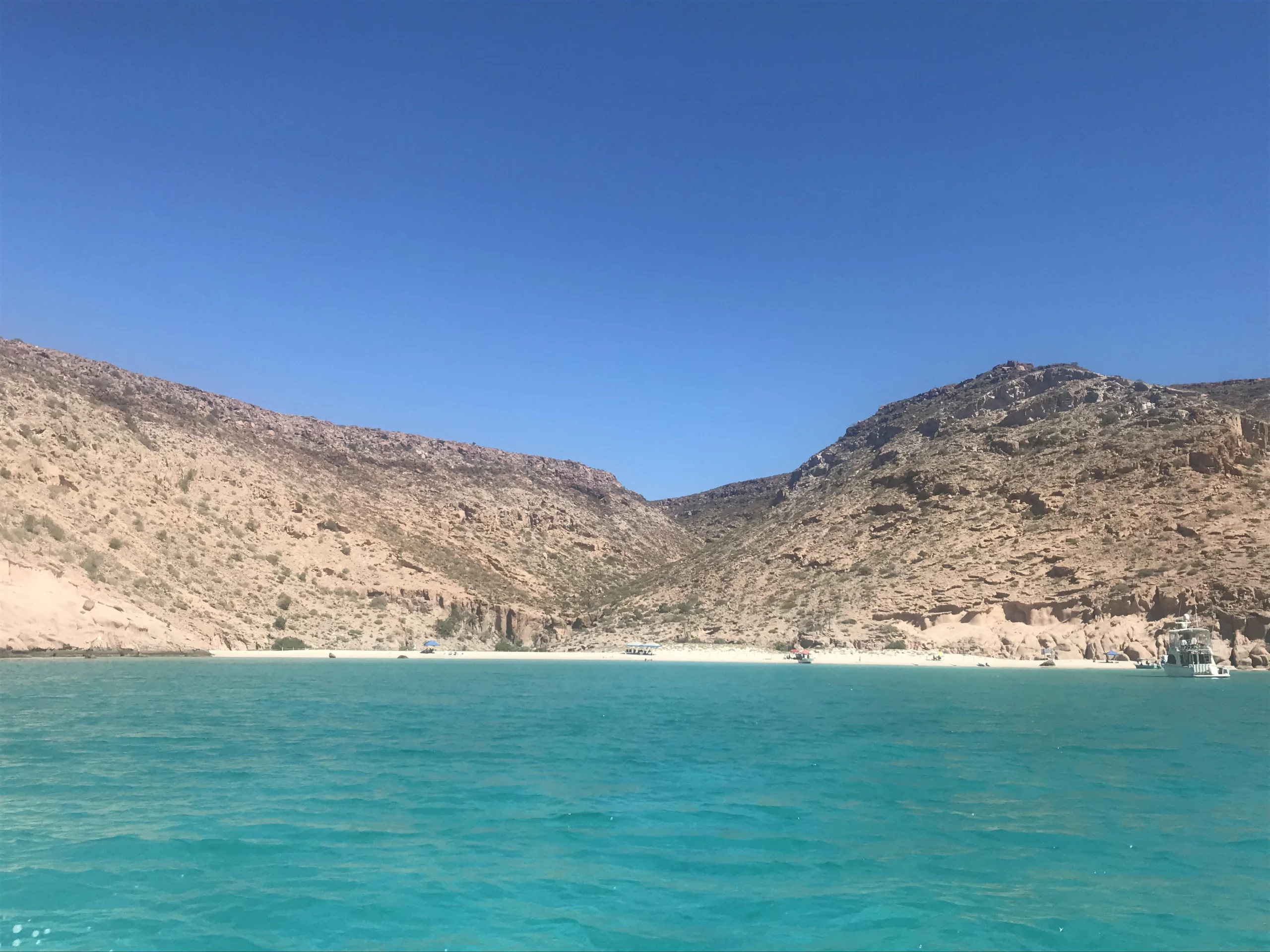
The Espiritu Santo Biosphere Reserve is a must-visit. If you’re here outside of June, July, or August, you can snorkel with sea lions and tropical fish at Los Isolotes. Afterward, you might head to the secluded, chalk-white sands of Playa Ensenada Grande on Isla Partida for a picnic in between swims in the stunning turquoise water. You’ll find sheltered anchorage for an overnight stay at Caleta Partida in the narrow channel between Isla Partida and Isla Espíritu Santo.
Isla San Francisco
A tiny island shaped like a comma, Isla San Francisco offers some of the country’s most surreal beauty. Look forward to fantastic snorkeling and outstanding anchorages, particularly on the south side of the aptly named Bahía de la Amortajada, which translates to giant half-moon bay. There are beaches with bright white sands backed by fiery red hills and desert landscapes with towering cacti, where you can hike to one of the ridges for a panoramic view. There are lots of birds to watch for along the way, including blue-footed boobies.
Isla San José
Anchor on the west side of Isla San José, where you’ll have convenient access to white sand beaches and a cardón cactus forest. If you like to hike, you’ll find plenty of scenic trails. The mangrove forest at the island’s southeastern tip is ideal for kayaking. This is critical habitat for all sorts of wildlife. Keep watch for dolphins, turtles, and a wide range of birds like herons, ospreys, and frigate birds. Snorkeling offshore brings the chance to spot colorful fish, rays, sea turtles, and whale sharks.
Isla Carmen
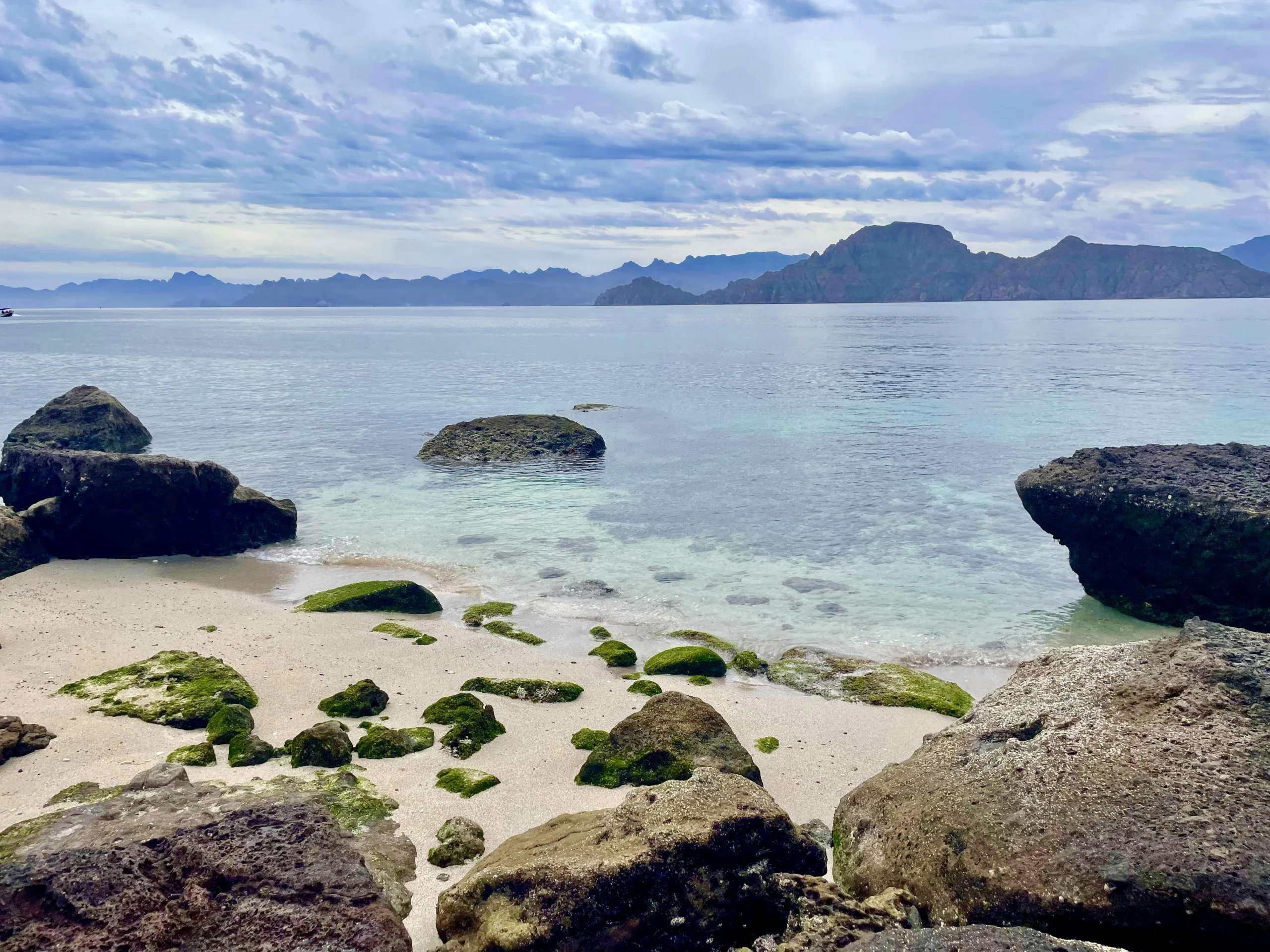
Photo courtesy of KC Dermody
Located east of the town of Loreto, Isla Carmen is home to the remains of an old, abandoned salt-mining town where miners worked in what was once the world’s largest salt mine. There are also historic buildings made from coral and a lighthouse. V-Cove on the northern side is the best place to anchor before exploring. The island is also home to sandy coves ideal for relaxing, swimming, or snorkeling. There’s a wide range of wildlife to watch for, including bighorn sheep, often spotted on the rocky hillsides. Blue-footed boobies, osprey, and many other birds can be seen too.
Loreto
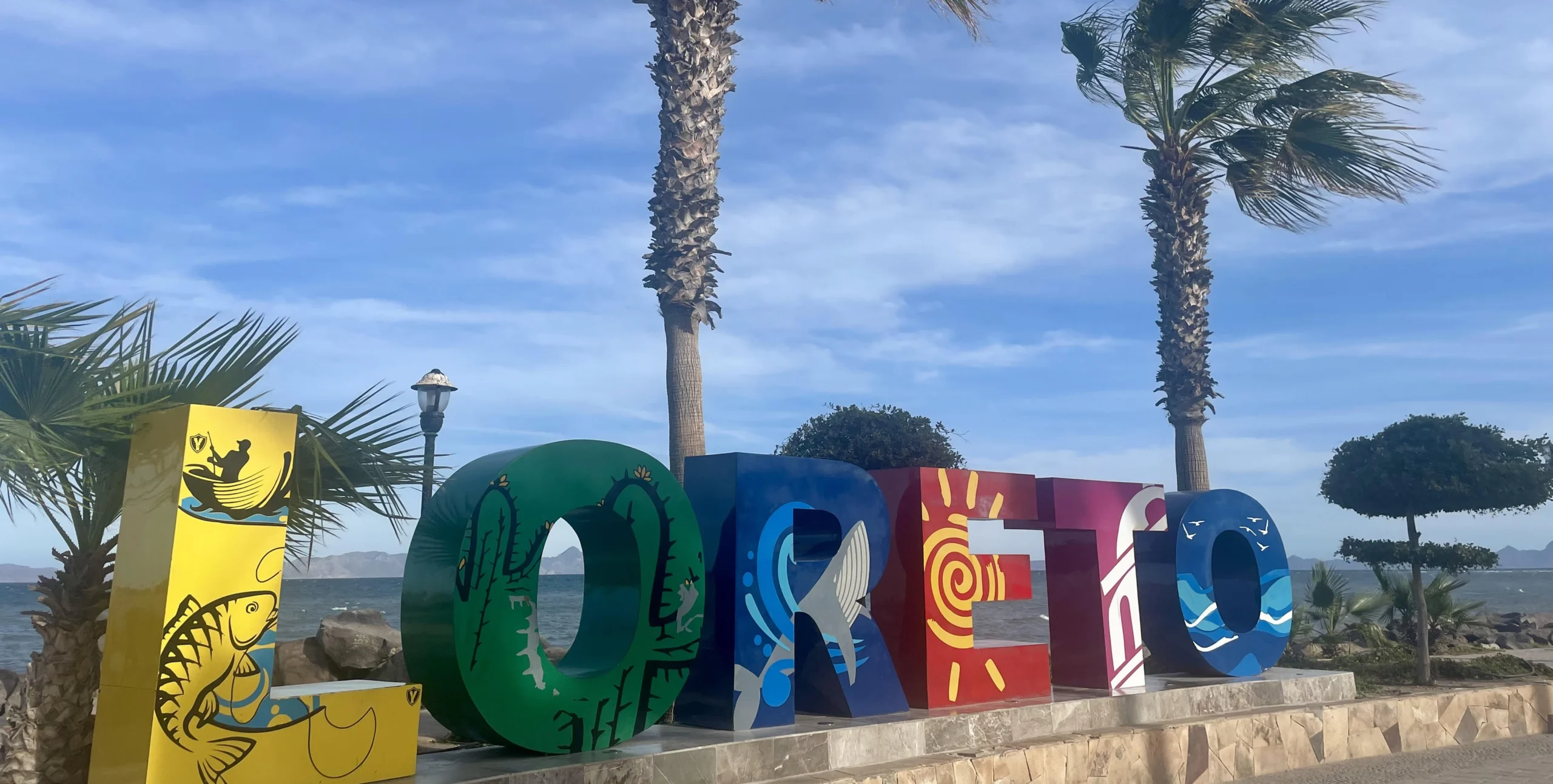
Photo courtesy of KC Dermody
The charming colonial town of Loreto is a popular place to start or end a yacht charter. It’s a gateway to Loreto Bay National Park and offers multiple marinas, including Marina Loreto right off the waterfront promenade, steps from the downtown area. You’ll want to spend some time here with a rich cultural heritage to explore, found in multiple museums and historic landmarks like Misión de Nuestra Señora de Loreto, founded in 1697. There are also plenty of picturesque beaches to relax on, like Dársena del Malecón with palapas for shade, right in front of the promenade.
Before or after exploring, head out into the bay where 800 different animal species can be spotted, including sea lions, sea turtles, manta rays, and many types of whales in the winter.
More articles

Ready to set sail?
Discover the perfect yacht charter for you — effortlessly with Yacht.com.


