The Galapagos by Yacht: When to Sail and Where to Anchor
Dramatic volcanic shores, warm turquoise waters, and unforgettable wildlife encounters. The Galapagos is a bucket-list sailing adventure best enjoyed with knowledge of where to go and when to sail.
Dreaming of entering a world where you can meander among sea lions lounging on white sandy beaches, blue-footed boobies exhibit comical, high-stepping courtship dances, penguins dart through cobalt waters, giant tortoises roam ancient landscapes, and marine iguanas gather in such large numbers they block the walking paths? You can do all this and more in the Galapagos, but to make the most of the experience, it’s important to understand the best time to visit and where to go.
Weather patterns, water temperatures, wildlife activity, and ocean conditions can vary by season in this remote archipelago. For the ultimate trip, get to know everything from the top islands to explore to the best times to visit based on weather, events, and wildlife encounters.
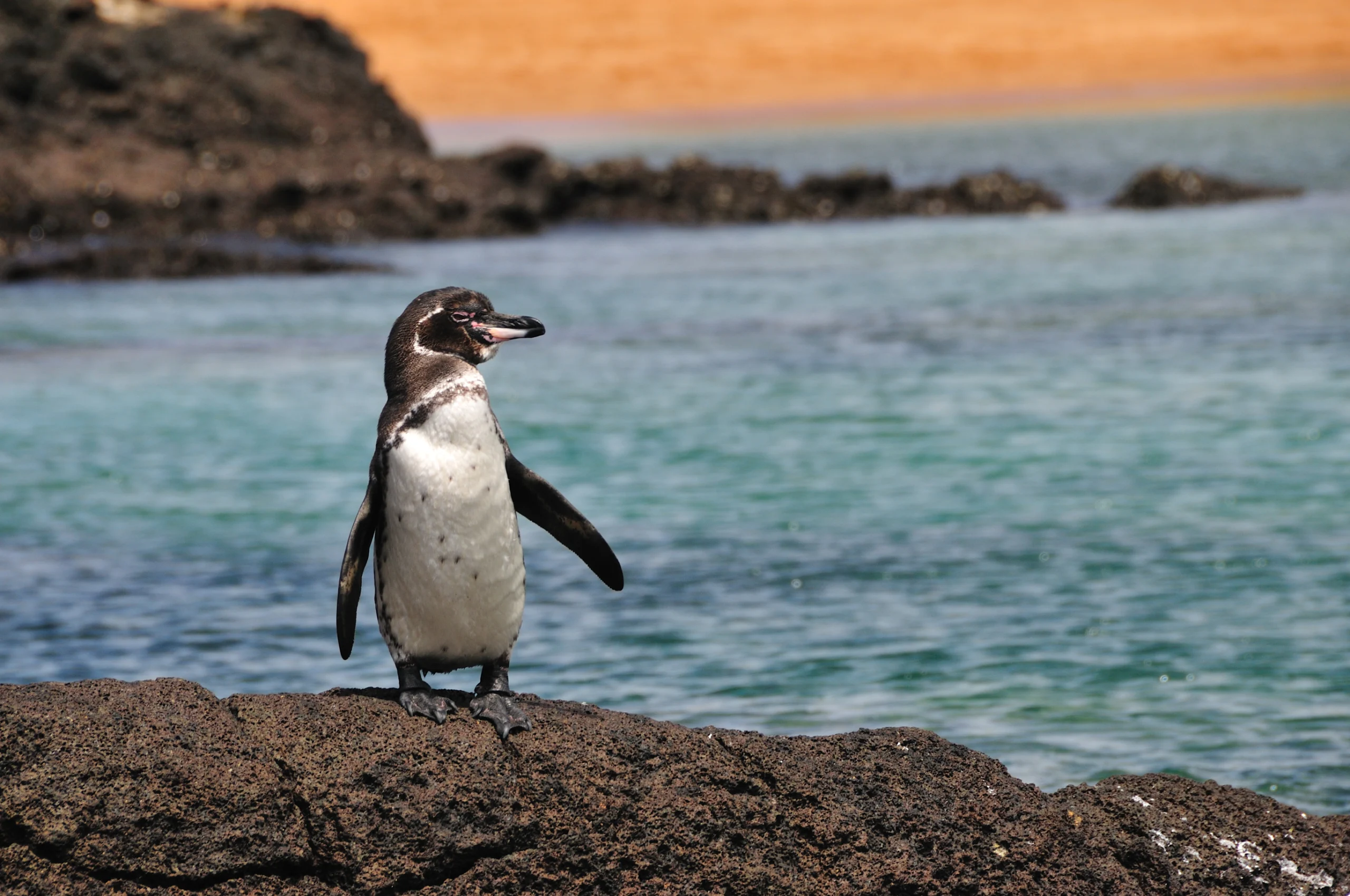
Photo by © Jmjm | Dreamstime.com
The Best Time to Sail the Galapagos – Month-by-Month
The Galapagos can be visited year-round, but before booking your trip, consider your interests and what you hope to see. Some wildlife can only be seen during certain months, so if you have your heart set on viewing something particular, you’ll want to come then. There are just two seasons here. The warm and wet season runs from December through May, and the cool and dry season runs between June and November. The wet season is optimal for snorkeling, with excellent visibility and warmer air and water temperatures. It’s also the best time to see Galapagos tortoises.
The dry season is a bit cooler. It’s breeding time for many animals that inhabit the islands, including marine iguanas, sea lions, and many seabirds. Plus, the plankton blooms attract whale sharks. If you’re hoping to swim alongside one, you’ll want to come during this period. For a better understanding, discover what each month in the Galapagos has to offer.
January
January falls within the warm, wet season. It’s one of the best times for snorkeling and diving with active marine life and excellent water visibility. Many endemic species can be easily spotted during this time. Highlights include the marine iguanas courting on Española Island, green sea turtles laying eggs on sandy beaches, and land birds beginning their nesting rituals. Average daytime temperatures reach around 86°F while sea temperatures hover near 77°F. Conditions are ideal for water-based activities. As the islands are warm and wildlife-rich during a time when much of the Northern Hemisphere is cold, this is also one of the busiest and most expensive months to visit.
February
February brings warm temperatures, frequent sunshine, and brief afternoon showers as the Galapagos’ wetter season continues. Wildlife activity ramps up, with turtles, iguanas, giant tortoises, and many bird species entering breeding season, creating exceptional viewing opportunities. Flamingos begin nesting on Floreana Island, while penguins return to the waters around Isabela Island. February also brings lively Carnival celebrations filled with parades, music, dancing, street parties, and local cuisine, making it an exciting time to visit land and sea.
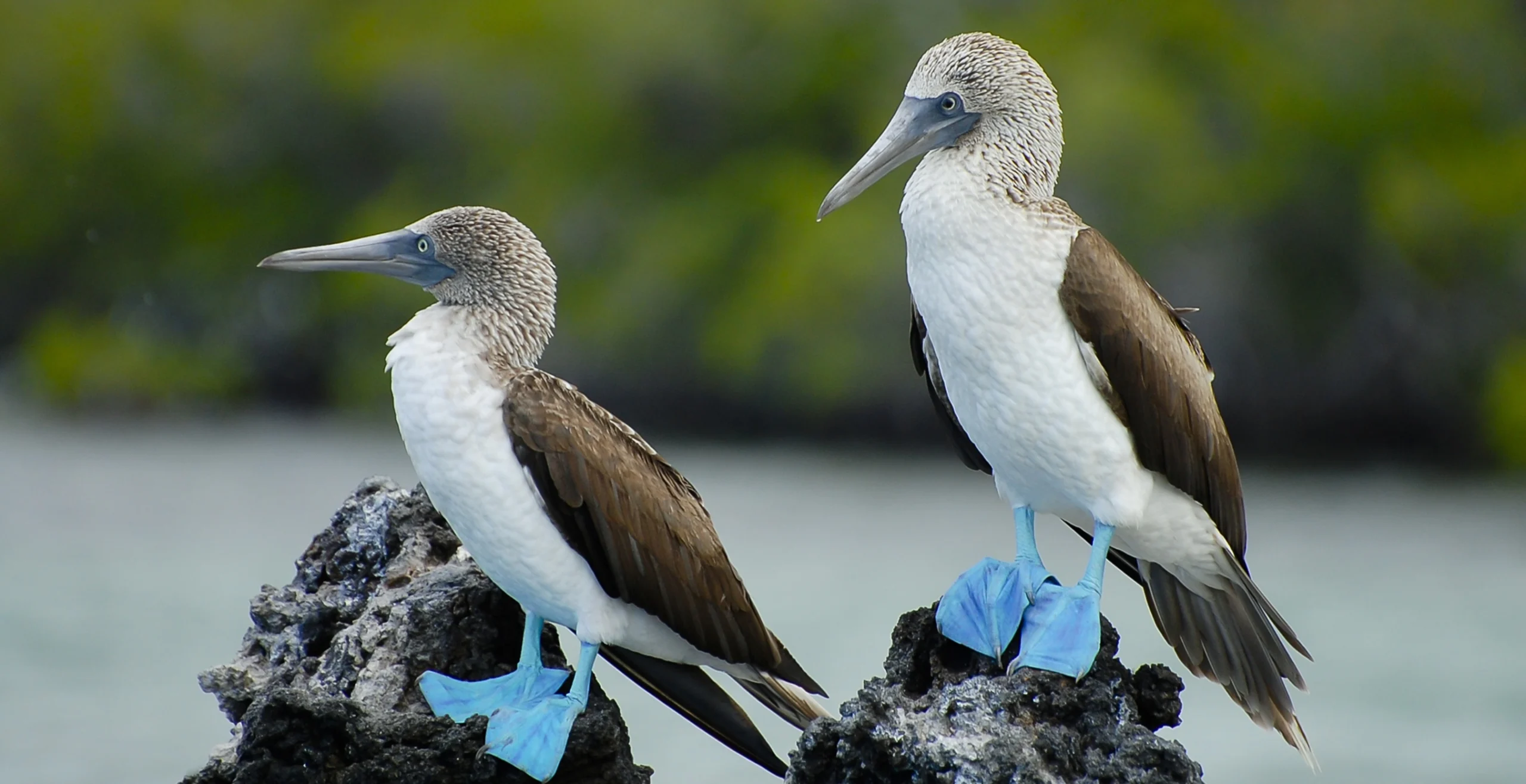
Photo by © Adwo | Dreamstime.com
March
March is one of the quieter months in the Galapagos, making it a good time for travelers seeking fewer crowds and potentially lower prices. Although it falls during the peak rainy season, showers are usually brief, and snorkeling and diving remain excellent, with warm waters and outstanding visibility. Wildlife viewing is especially rewarding, with nesting birds, marine and land iguanas, flamingos, penguins, and flightless cormorants commonly seen. Great frigate birds are often spotted on Genovesa Island, while waved albatrosses begin arriving on Española Island.
April
April is a wonderful transition month in the Galapagos as the rainy season begins to fade and humidity drops ahead of the dry season. Temperatures average around 80°F, with a mix of sunshine and occasional showers. Water clarity remains excellent, making snorkeling and diving especially rewarding, with chances to spot manta rays and hammerhead sharks in the warmer seas. Wildlife viewing is exceptional on land as well, with giant tortoises, land iguanas, Darwin’s finches, and other birds highly active. Tourist numbers also begin increasing later in the month.
May
May marks the start of the cooler, drier season in the Galapagos, bringing greener landscapes, lower humidity, and mild temperatures averaging around 78°F. While skies become cloudier, rainfall decreases significantly, and sea temperatures remain pleasant for swimming, snorkeling, and diving. Wildlife encounters are especially rewarding this month, highlighted by the famous blue-footed booby courtship dance. Waved albatrosses begin laying eggs, sea turtles start hatching, and penguins nest on Fernandina Island and the western coast of Isabela Island.
June
June brings the start of the cool season in the Galapagos, with lower humidity and comfortable temperatures ranging from about 70 to 77°F. Rainfall is minimal, though occasional drizzle can occur. Sea temperatures remain pleasant for swimming, snorkeling, and diving, although water visibility may become slightly cloudier. Wildlife viewing is excellent this month, particularly for birdwatchers, with active birdlife throughout the islands. Flightless cormorants nest on Fernandina Island, while greater flamingos begin breeding and building nests, creating fantastic photography and wildlife viewing opportunities.
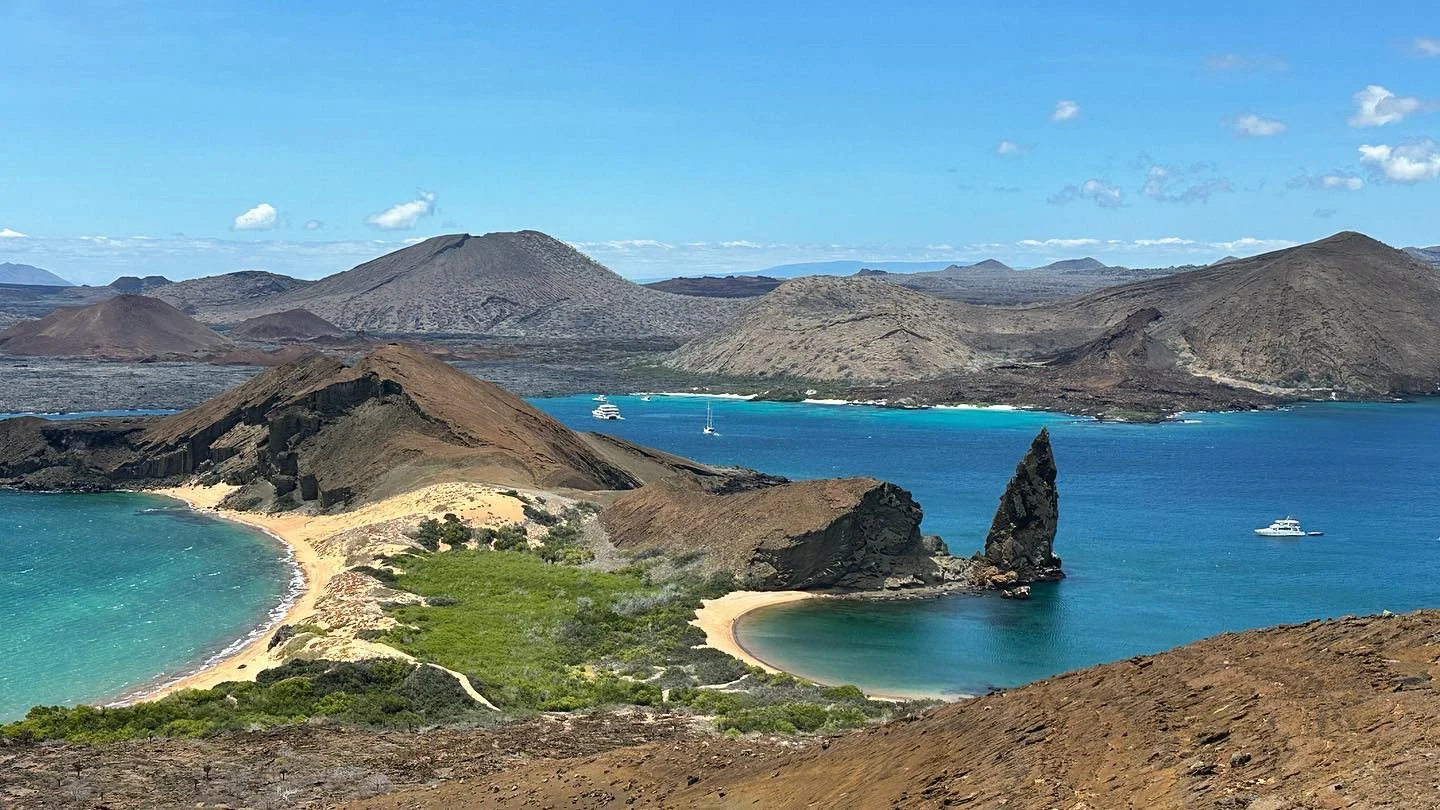
Photo courtesy of KC Dermody
July
July is one of the busiest months in the Galapagos as families and other travelers arrive to enjoy the mild weather and abundant wildlife. Booking in advance is essential as airfare and accommodation prices are typically higher during this peak travel period. Temperatures are comfortable, with afternoon highs around 76°F and cooler sea temperatures near 72°F, though stronger winds and rougher seas can affect boat travel. July is excellent for hiking, sightseeing, and wildlife viewing, including the start of sea lion breeding season when males can often be seen competing for mates.
August
August is one of the best times to visit the Galapagos. Expect mild weather, abundant wildlife, and many marine life encounters. Land temperatures average around 74°F, while cooler ocean temperatures attract whales and dolphins, making this a fantastic month for wildlife cruises. Visitors can also spot giant Galapagos tortoises, Galapagos hawks, and sea lions, with many sea lion pups being born now. As August remains a popular vacation month for families, tours and accommodations fill quickly, so booking well in advance is highly recommended.
September
September is a quieter month in the Galapagos as tourism slows with the return of the school year, making it ideal for lower prices and fewer crowds. Cooler temperatures averaging 66–70°F create comfortable conditions for hiking and sightseeing. Wildlife remains highly active, with opportunities to see dolphins and humpback whales before migration. On Isabela, there will be brand-new seal pups. Penguins are often spotted around Bartolomé Island, while blue-footed boobies and waved albatrosses are nesting on various islands, offering excellent wildlife viewing.
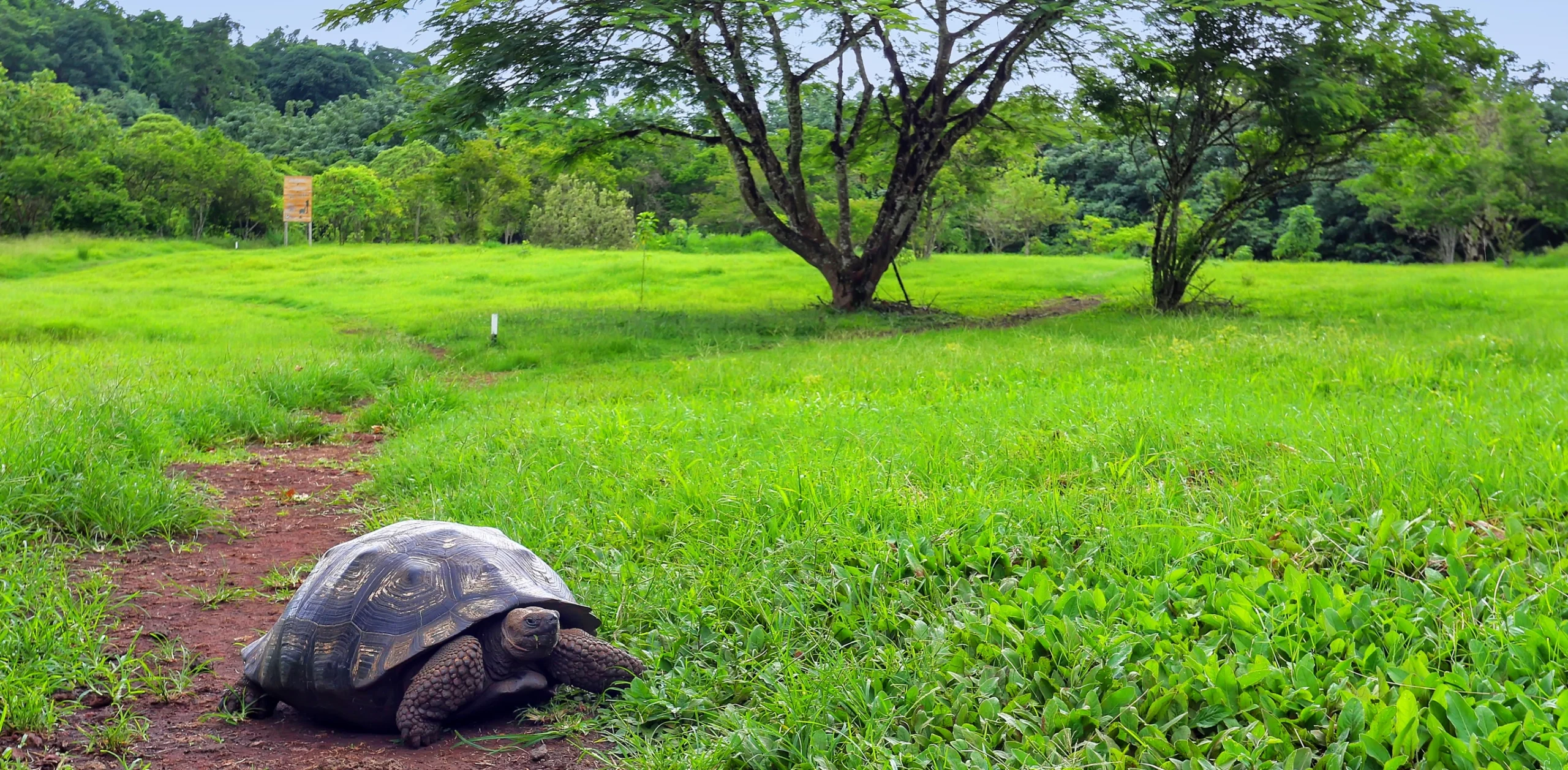
Photo by © Donyanedomam | Dreamstime.com
October
Air and sea temperatures increase slightly now as the days progress closer to the wet season. There’s a slightly higher chance of rain now, but it won’t be as high as it will be in a couple of months. Daytime temperatures hover around 74 degrees, and humidity rises a bit too. The sea will be warmer now, in the low 70s. You might be able to snorkel comfortably without a wetsuit. The sea and the beaches are likely to be teeming with sea lions and sea lion pups that love to play with human snorkelers. Birdlife is a special treat with tiny blue-footed booby chicks around, providing great photo-ops. Lava herons will be nesting on some islands, and some of the most dramatic sunrises and sunsets can be enjoyed throughout the archipelago.
November
November is a quieter shoulder season in the Galapagos, offering fewer crowds and good value on flights, accommodation, and tours, especially mid-month before holiday travel picks up. It marks the end of the cooler, dry season, with pleasant conditions including average land temperatures around 79°F and sea temperatures near 73°F. Rainfall remains low, and skies alternate between sun and light cloud. Wildlife viewing is excellent, with curious sea lion pups beginning to explore the water and active nesting among red-footed, Nazca, and blue-footed boobies.
December
December ushers in the warm, wet season in the Galapagos. It’s the start of peak tourist numbers, although it will be relatively quiet early in the month. Temperatures average around 80°F, with conditions for swimming, snorkeling, and diving improving. The sea is warm and calm, although a wetsuit may still be useful. Sea lion pups are especially playful in shallow waters, often interacting with snorkelers. Giant tortoise eggs begin to hatch, with sightings possible on Isabela Island. Marine iguanas exhibit more vivid colors with the breeding season underway, and hiking conditions remain outstanding.
Like the rest of Ecuador, there will celebrates for New Year’s Eve throughout much of the islands. Large, effigy-stuffed dolls are paraded through the streets to represent the passing year, followed by parties, dancing, and midnight fireworks.
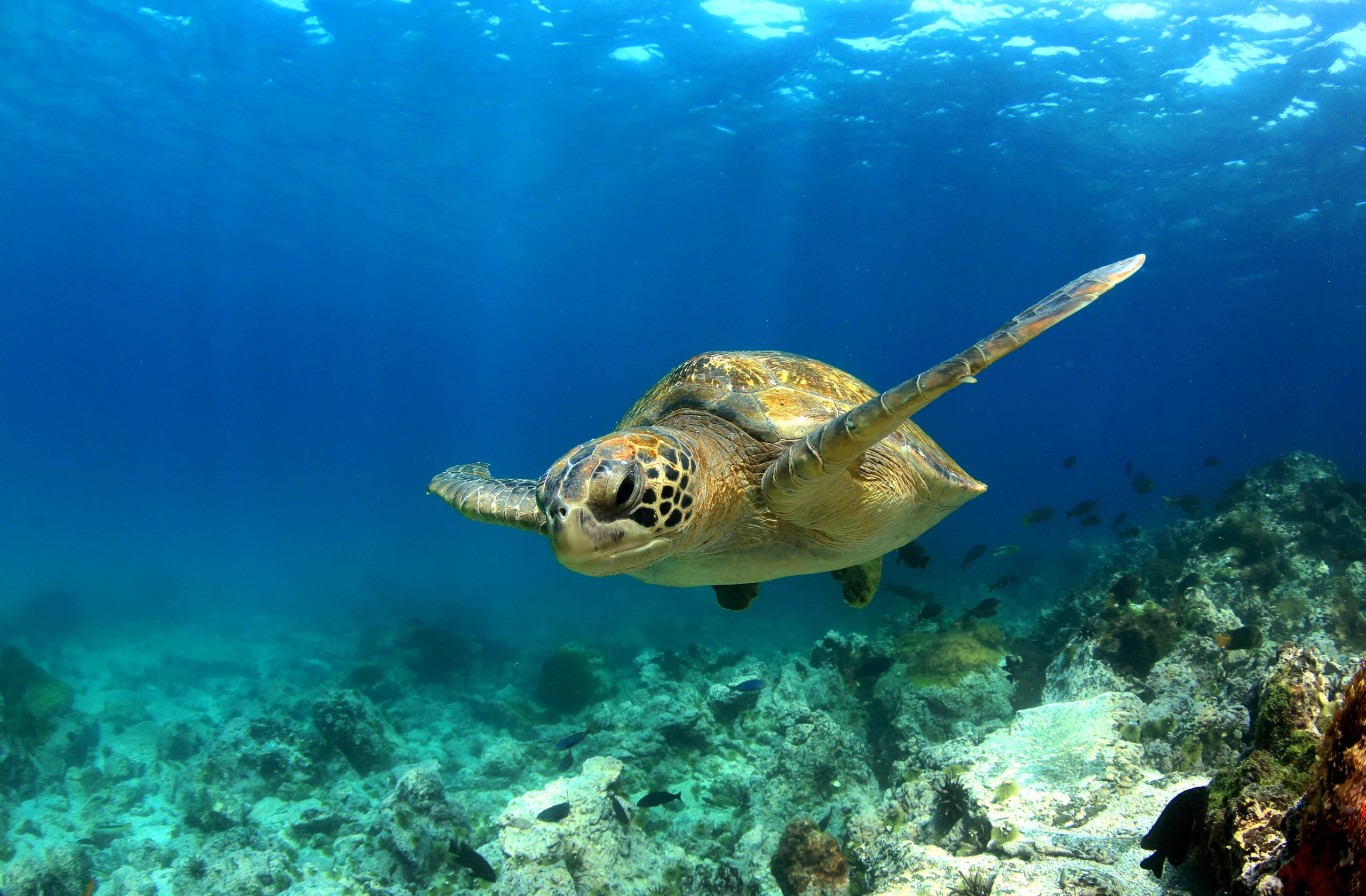
Photo by © Paul Kennedy | Dreamstime.com
Where to Go by Yacht
Santa Cruz Island
Santa Cruz is the main tourism hub of the Galápagos and an ideal starting point for a sailing adventure, with Puerto Ayora offering the most amenities, including shops, restaurants, and hotels. It’s one of the best places to see giant tortoises at El Chato Reserve and the Charles Darwin Research Station. Wildlife is everywhere, with sea lions, marine iguanas, and crabs often seen around town. Puerto Ayora also serves as the main port for yacht departures to other islands.
Isabela Island
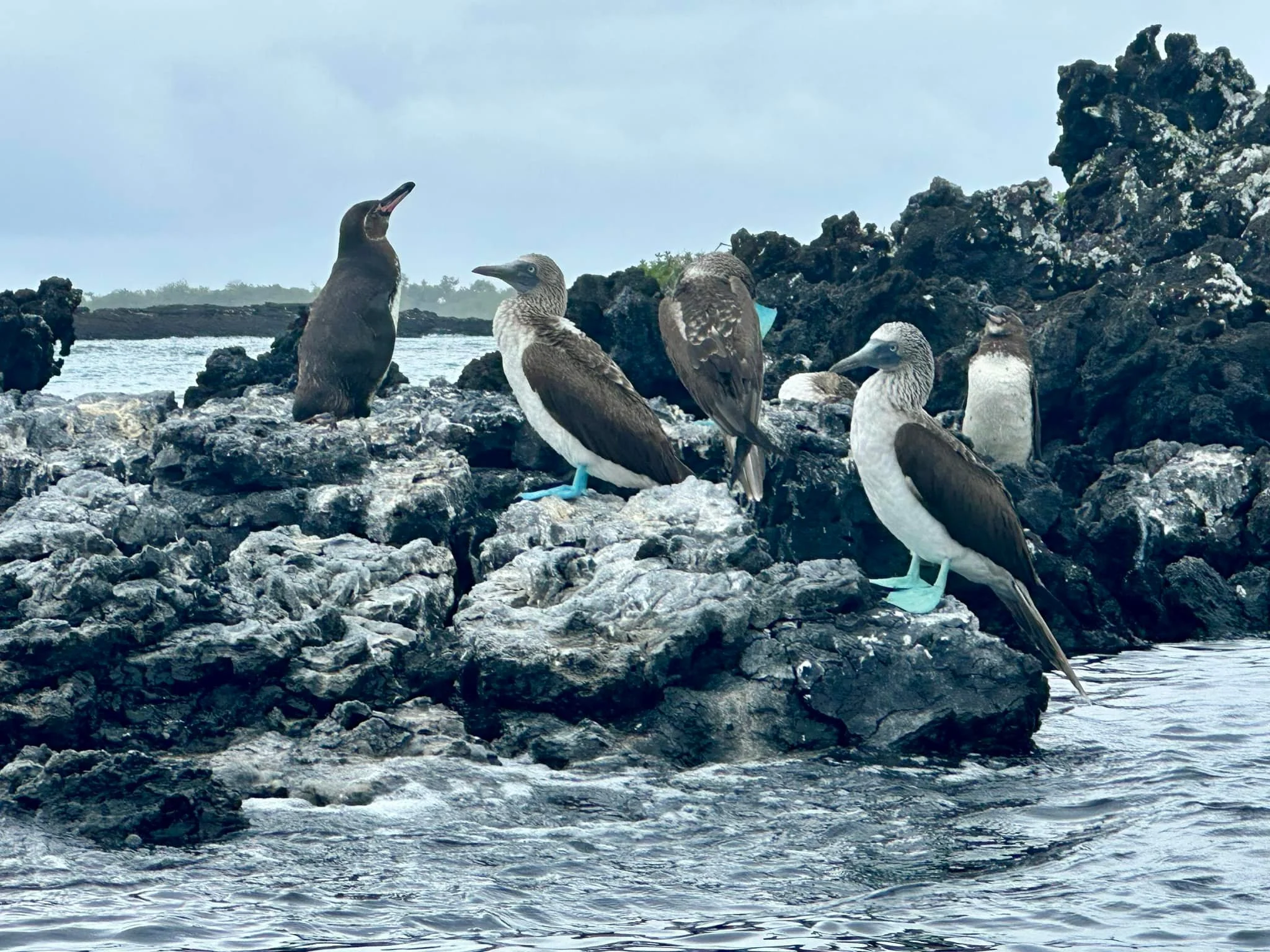
Photo courtesy of KC Dermody
Isabela is the largest and most undeveloped of the Galápagos Islands. It’s a rewarding stop for wildlife encounters. Yachts usually anchor offshore near Puerto Villamil due to limited docking. It’s home to the highest population of giant tortoises and one of the best places to see Galápagos penguins alongside blue-footed boobies. At Concha de Perla beach, visitors can snorkel with penguins, sea lions, marine iguanas, sea turtles, and colorful fish, making it one of the island’s top wildlife and swimming spots.
Bartolome Island
Bartolomé Island, north of Santa Cruz, is known for its iconic Pinnacle Rock and dramatic views over Sullivan Bay, reached via a 372-step climb. Yachts anchor nearby for snorkeling and diving at the north beach. The island offers rich wildlife encounters both above and below water, including Galápagos penguins, sea lions, rays, and colorful fish. Blue-footed boobies are often seen fishing and diving, adding to the island’s appeal as one of the archipelago’s top scenic and wildlife spots.
San Cristobal Island
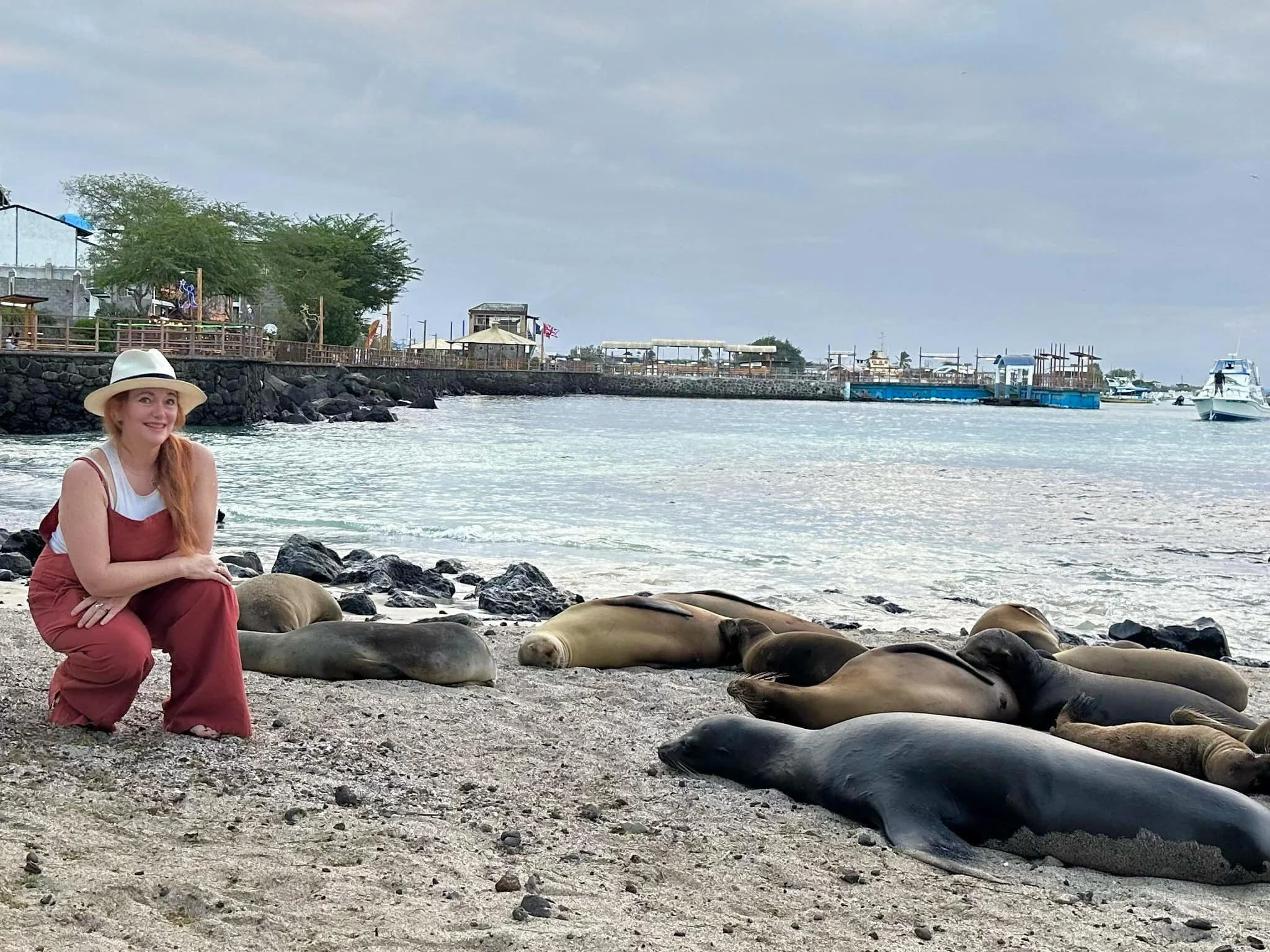
Photo courtesy of KC Dermody
San Cristóbal is home to the Galápagos’ largest sea lion colony, with excellent viewing at La Lobería beach near Puerto Baquerizo Moreno and in Wreck Bay. Visitors can walk among adults and pups, though touching is not allowed. Another highlight is snorkeling at Kicker Rock, a dramatic volcanic formation where sea lions, sea turtles, eagle rays, reef sharks, and hammerheads can be seen. The island offers close wildlife encounters both on land and underwater in a striking natural setting.
Española Island
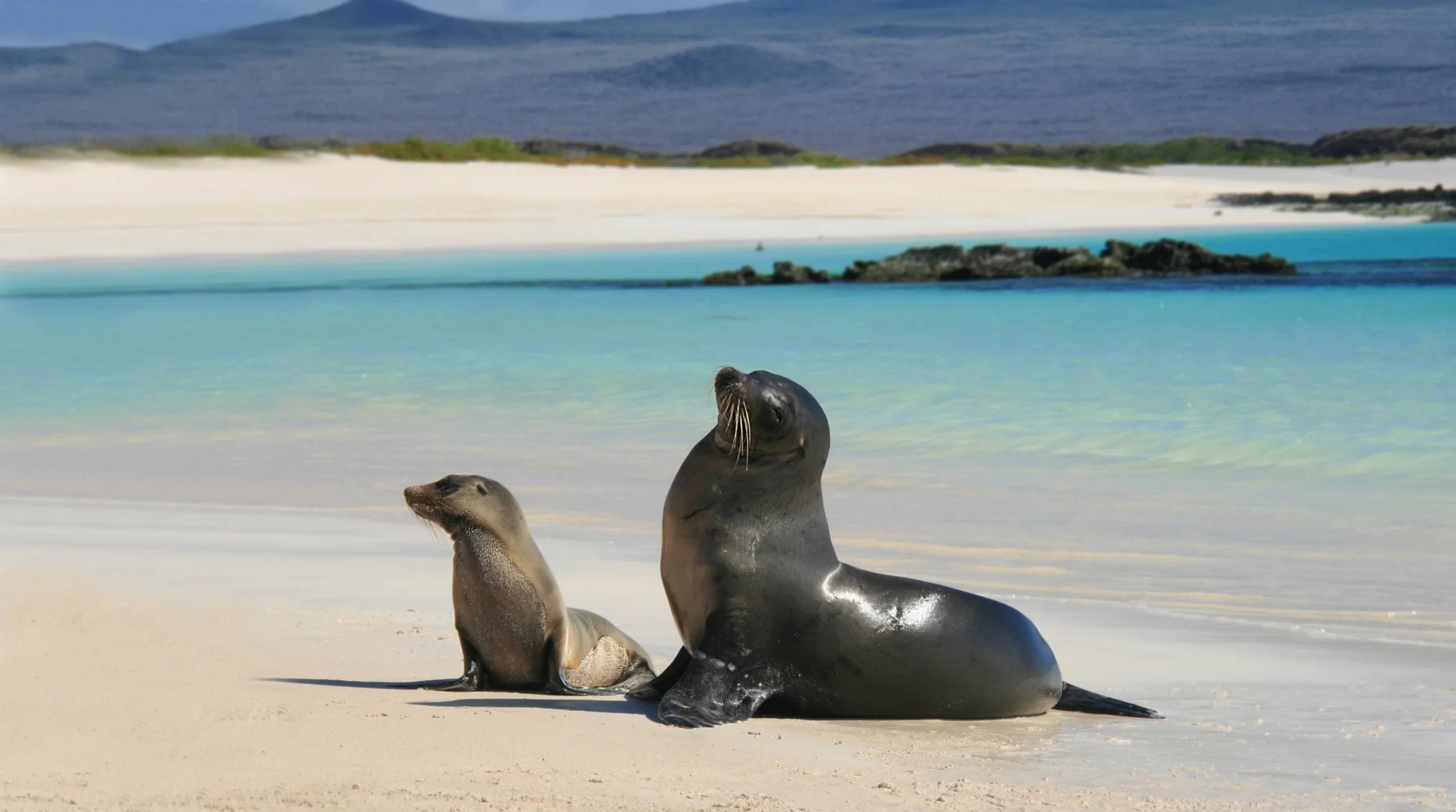
Photo by © Orionna | Dreamstime.com
One of the Galápagos’ most isolated islands, Española, is the world’s only nesting site for waved albatrosses, with about 12,000 breeding pairs. Gardner Bay offers a pristine beach often filled with sea lions, while Punta Suárez is the best place to spot albatrosses between April and December, sometimes performing their courtship dance. The island is also home to endemic species like the Española mockingbird and lava lizard, along with blue-footed and Nazca boobies and marine iguanas.
Santiago Island
Just northwest of Santa Cruz, Santiago is known for dramatic scenery, rich wildlife, and historic Buccaneer Cove. One of the last islands visited by Charles Darwin, it boasts the Galápagos’ greatest reptile diversity, including marine and land iguanas, racers, and lava lizards. Other wildlife includes blue-footed boobies, finches, flightless cormorants, and Galápagos fur seals. Puerto Egas is a highlight, featuring black sand beaches, fur seal grottos, and frequent sightings of sea lions, dolphins, sharks, and Sally Lightfoot crabs.
More articles

Ready to set sail?
Discover the perfect yacht charter for you — effortlessly with Yacht.com.


