The World’s Best Yacht Destinations for Swimming With Wildlife
Luxury meets wild on yachting adventures that bring opportunities for face-to-face encounters with animals in their own environment.
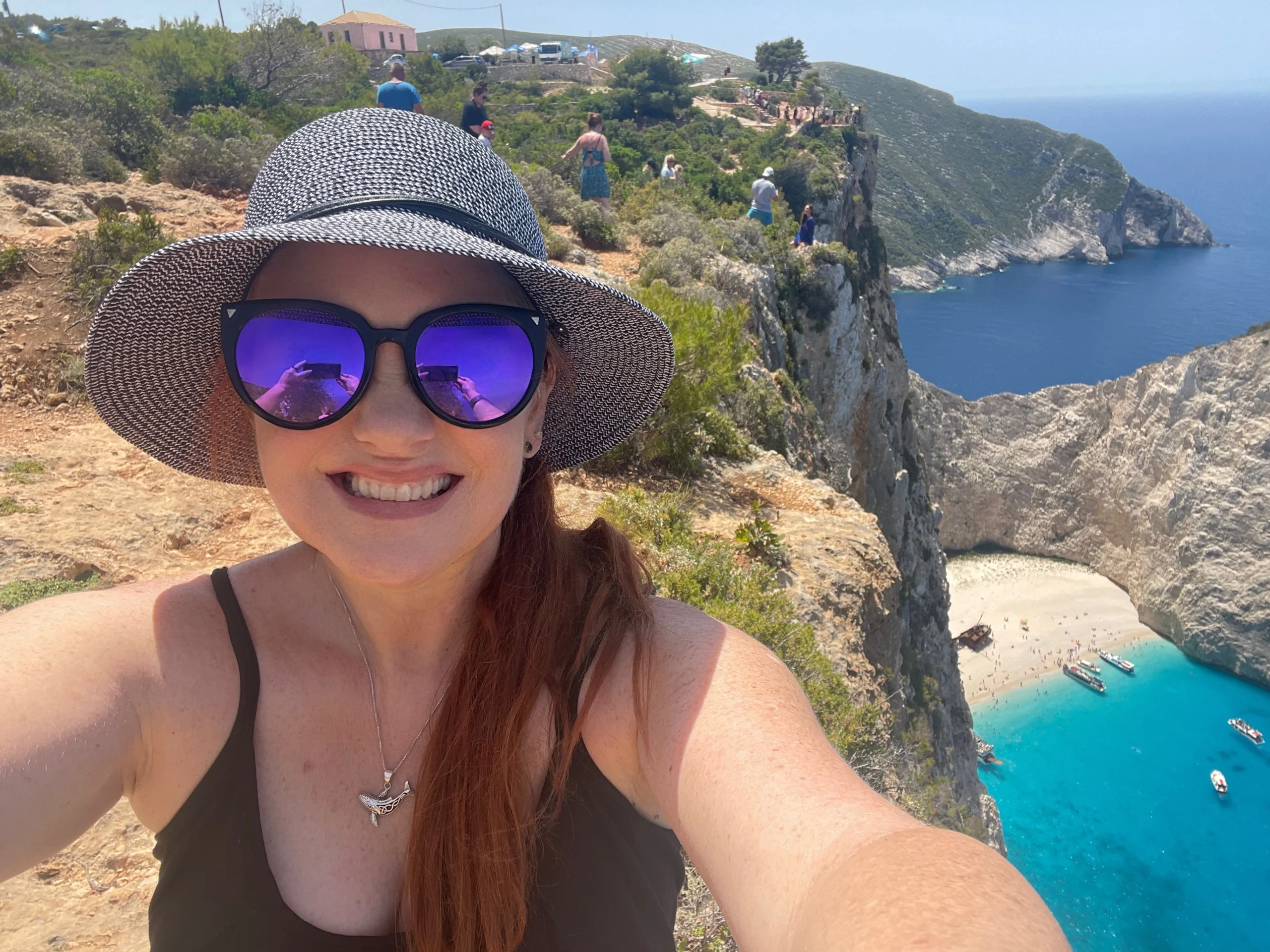
Yachting is a great way to relax and take in spectacular scenery while enjoying the feel of the sun’s rays on your skin and a salty sea breeze. But leaping into the water and swimming with wildlife takes the experience to a whole new level. There’s something transformative about close encounters with animals in their home. Can you imagine looking into the eye of a humpback, snorkeling next to a curious sea lion, or watching penguins dart past like rockets in clear blue waters?
There are places in certain corners of the world where a yacht can become your vessel for entering spectacular underwater worlds with opportunities for once-in-a-lifetime encounters like these, from the South Pacific to the Indian Ocean, the Arctic, and well beyond.
Tonga
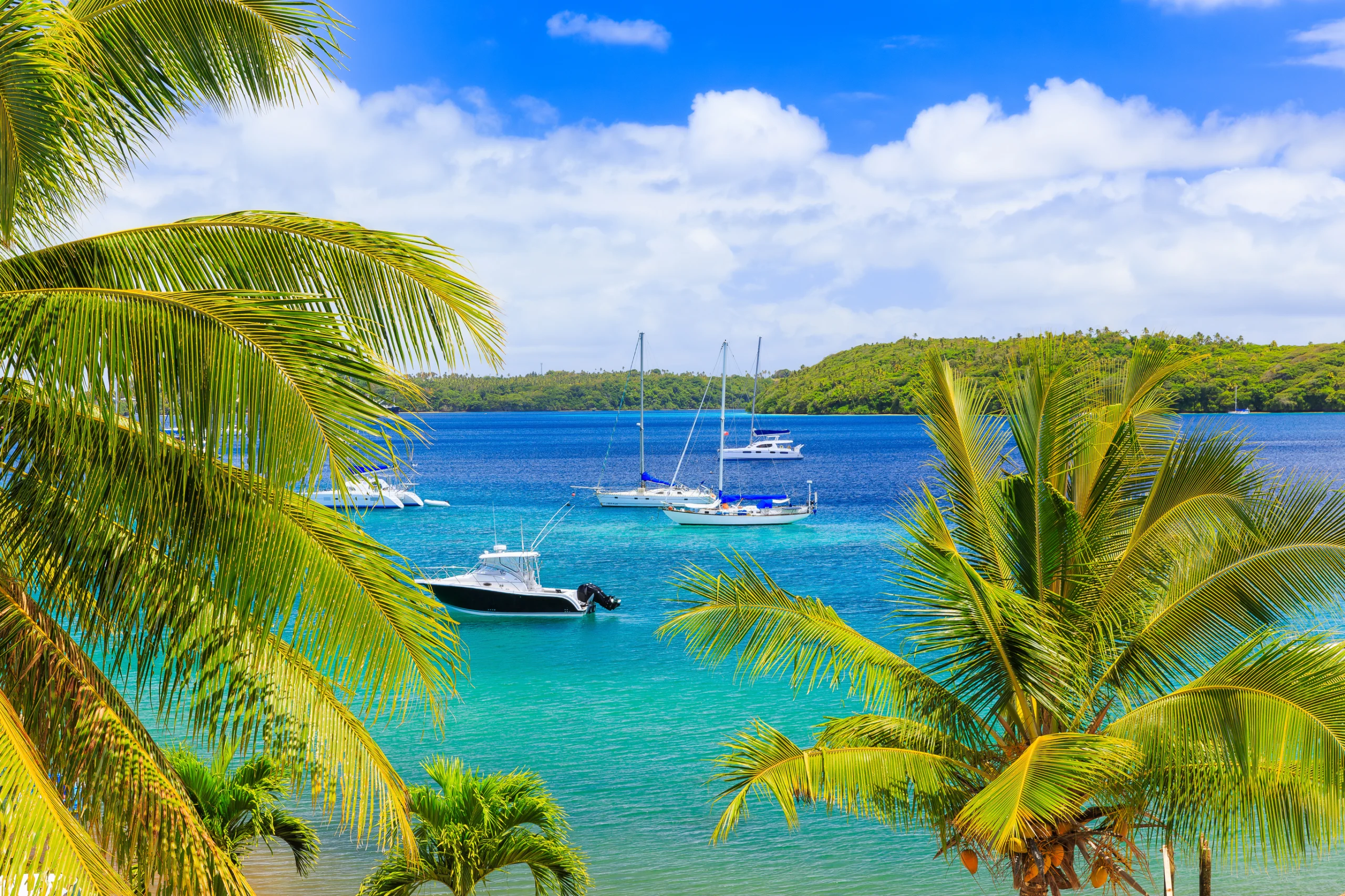
Photo by © Sorin Colac | Dreamstime.com
Tonga is one of only a few places in the world where you can swim with humpback whales. It’s widely regarded as the prime spot, with in-water experiences possible when they migrate here from Antarctica. The deep, warm waters are ideal for mating and calving between July and October. There will be large groups of humpbacks competing for mates, referred to as a “heat run.” Here in Tonga, they are more dramatic than anywhere else on Earth.
Just five people (four swimmers and a guide) are allowed in the water at any one time, with the rules designed to ensure respect for the whales while ensuring more personal encounters. The protected waters that surround the Vava’u and Ha’apai island groups are renowned for being exceptionally clear. The visibility often exceeds 100 feet, perfect for underwater photography. In between your whale swimming trips, you can enjoy beautiful beaches and the local culture.
La Paz, Baja California Sur, México
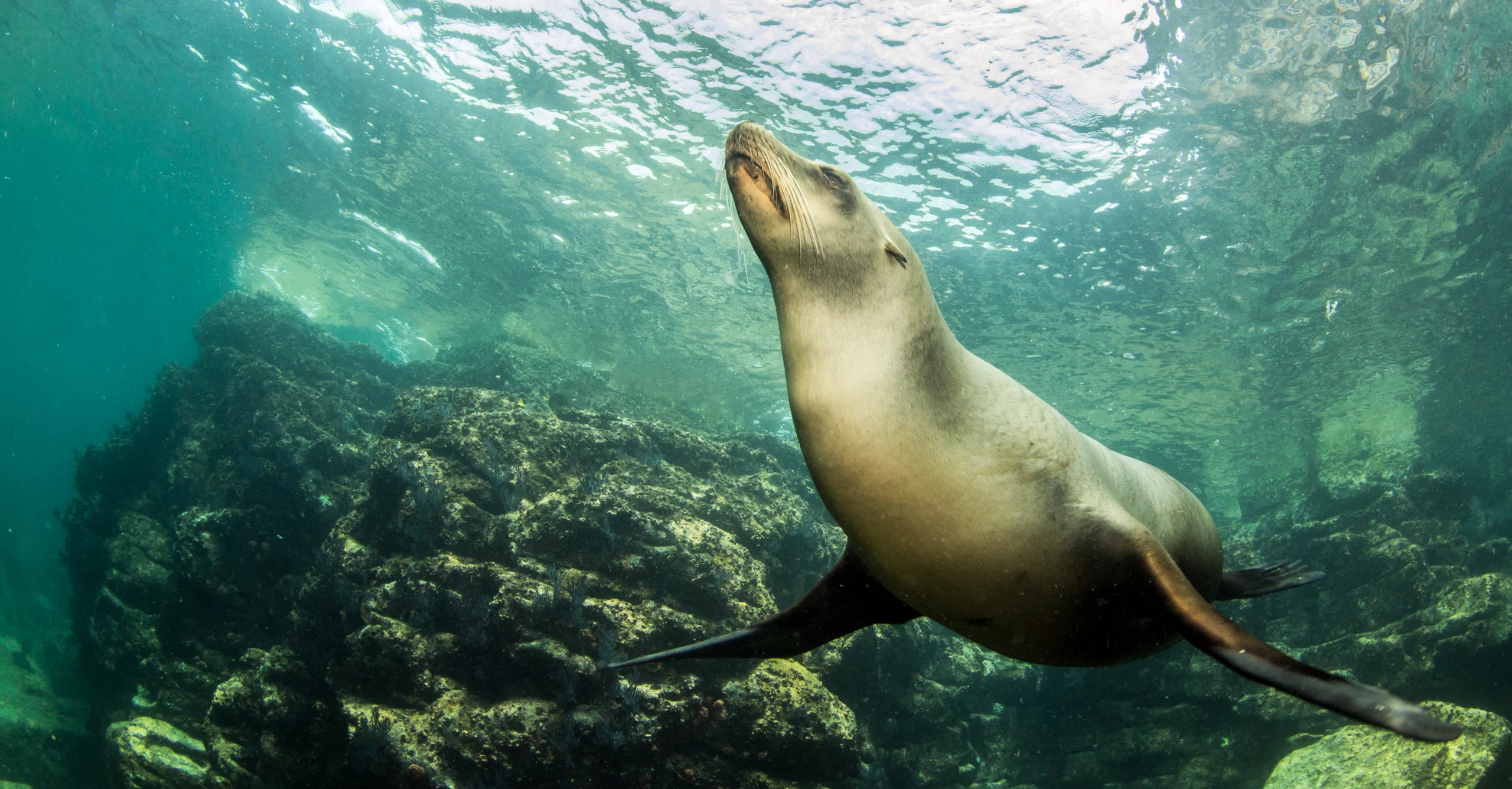
Photo by © Michael Bogner | Dreamstime.com
One of the reasons this writer moved to La Paz is the opportunity to swim among all sorts of wildlife, from sea lions and whale sharks to large pods of dolphins, manta rays, turtles, and diverse reef fish. Typically, whale sharks gather in the Bay of La Paz from around mid-November through mid-April. These “gentle giants” aren’t whales or sharks, but rather the world’s largest fish. They feed on plankton in the shallow, protected waters, providing the opportunity for a highly regulated, eco-friendly swimming experience.
Boat excursions can also bring you to nearby Espiritu Santo, a rocky island in the Sea of Cortez, famous for its large sea lion colony that you can swim with between September and May. Many are playful, especially the pups, and if you’re lucky, one will turn upside down so you can rub its belly. Alongside the sea lions are a wide array of colorful, tropical fish. The visibility is so outstanding that this body of water was referred to as “the world’s aquarium” by the late international ocean explorer Jacques Cousteau.
Galapagos Islands, Ecuador
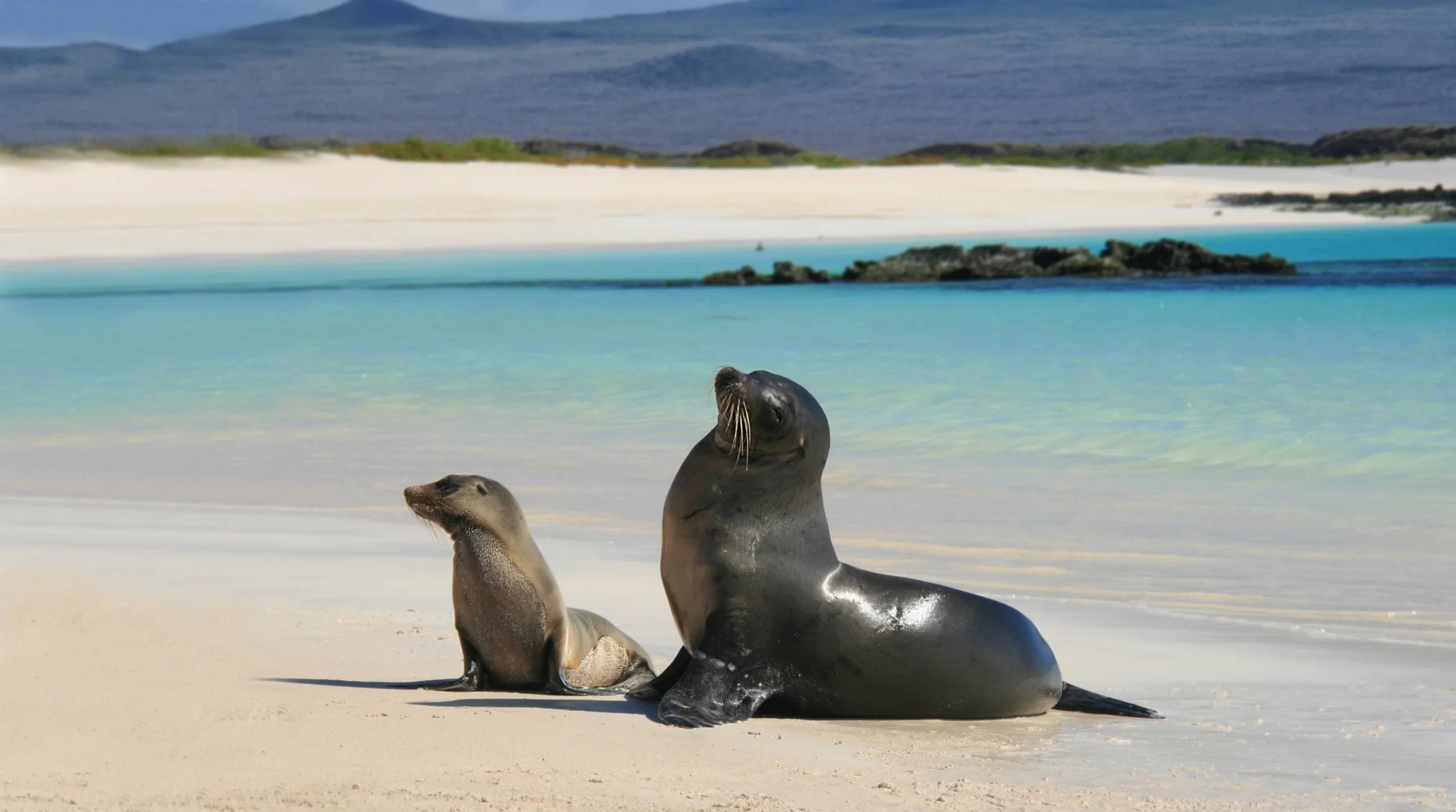
Photo by © Orionna | Dreamstime.com
The Galapagos Islands are one of the world’s most renowned destinations for wildlife encounters with nearly 9,000 different species. You can swim right alongside marine iguanas, penguins, sea lions, fur seals, sea turtles, and much more. Many of the animals have little fear of humans. When visiting the most populated island of Santa Cruz, the odds are good that you’ll see a sea lion sneaking a meal at the fish market while others are lounging right in the middle of pathways.
Throughout the archipelago, the snorkeling and diving opportunities are truly epic, so much so that we’ve created an entire guide to the top Galapagos Islands to sail to and the animals you might encounter.
Arctic Norway
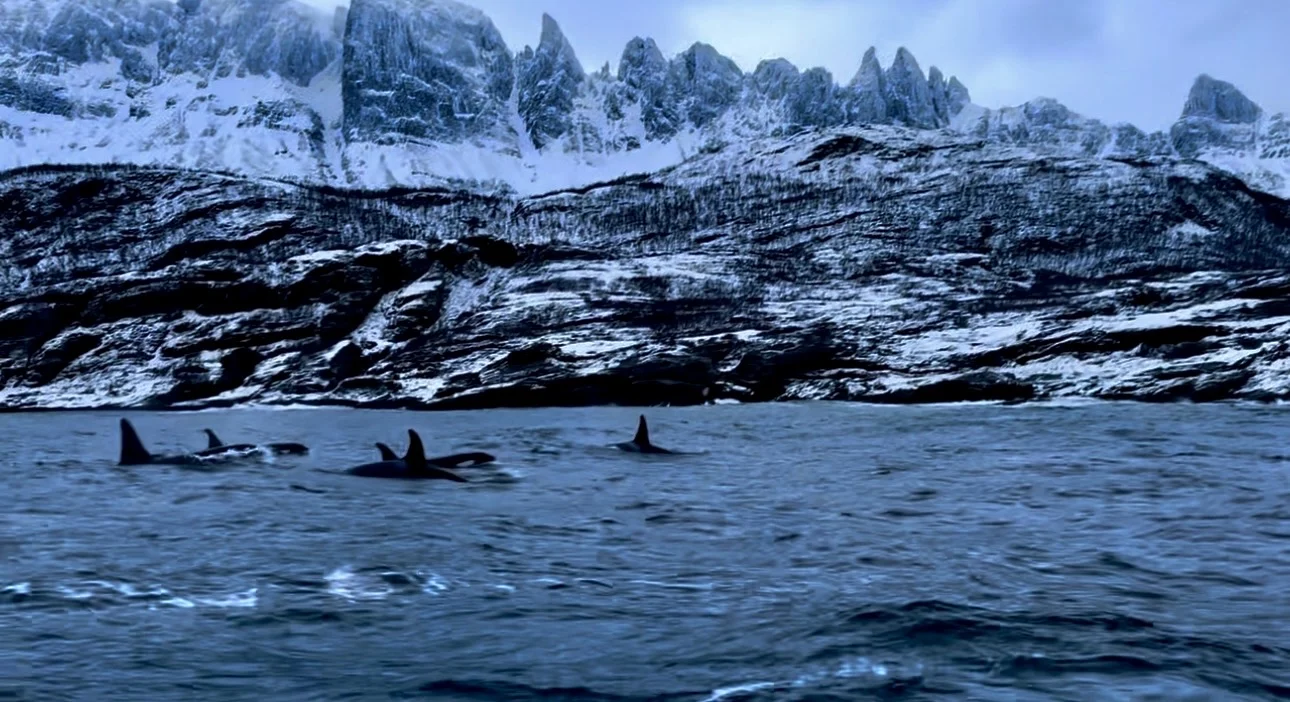
Photo courtesy of KC Dermody
Thousands of orcas travel to the Norwegian Arctic in the late fall and winter to feed on herring that migrate from their summer feeding grounds further south. While the specific destination varies by the route of the herring migration, they typically gather around Skjervoy, about a 4-hour drive or a 2.5-hour boat ride from Tromso. Various outfitters bring the opportunity to swim with them, with the peak months from November through January.
Witnessing these intelligent creatures and their various hunting, playing, and socializing behaviors in their world is a once-in-a-lifetime experience. Humpbacks often appear to feast on the herring as well, providing a “two-in-one” if you will. Plus, when you’re above the water’s surface, you’ll be surrounded by rugged coastlines, stunning fjords, and the colorful polar sky, often glowing with vibrant reds, oranges, and golds. If it sounds a bit too chilly, don’t worry, you’ll be outfitted with a high-quality drysuit, hood, and gloves (along with all the necessary snorkeling equipment).
The Bahamas
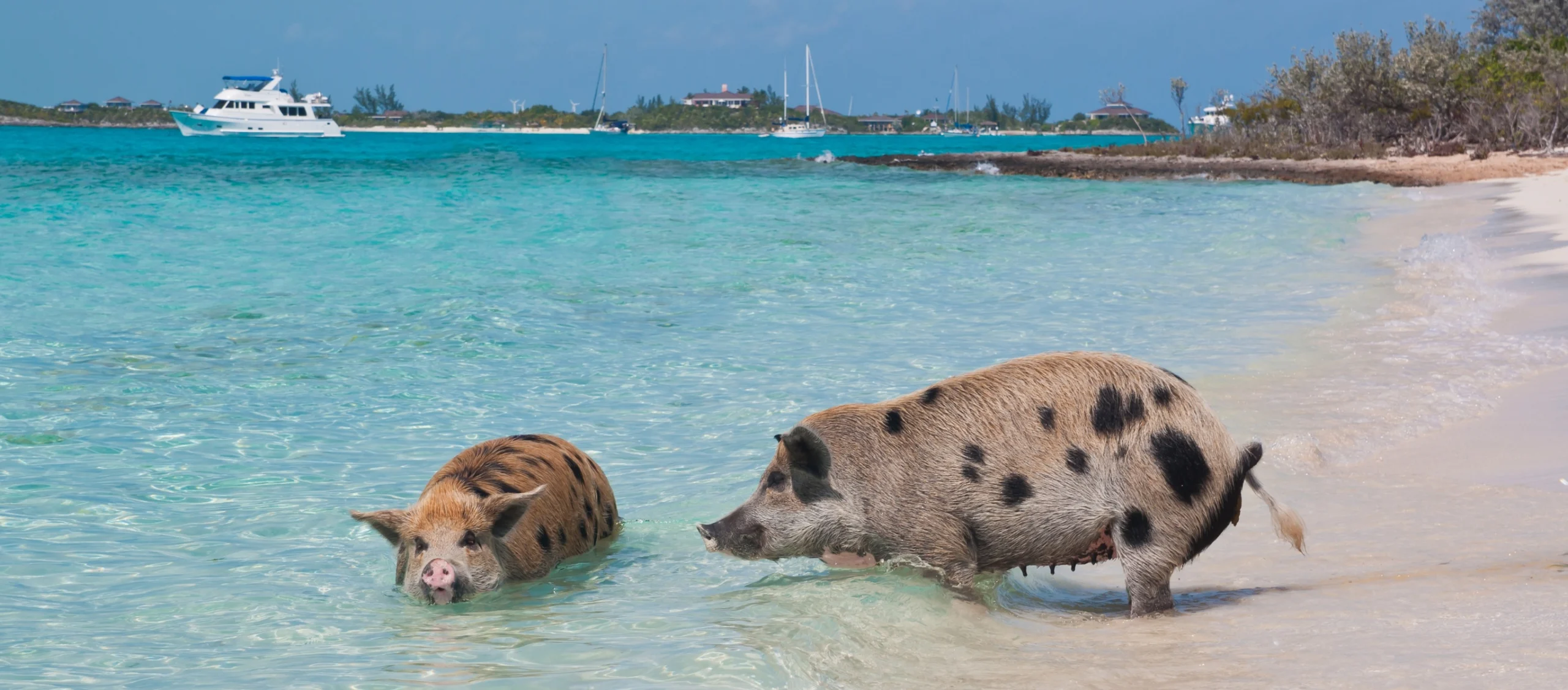
Photo by © Katie Smith | Dreamstime.com
Swimming with wild pigs has become one of the most popular activities in The Bahamas. The most famous, “original” colony is located at Big Major Cay in the Exumas. Often referred to as “Pig Beach, it includes around two dozen of the animals. The friendly pigs swim from the shore of this uninhabited one-mile-long island to greet new arrivals in the hopes of getting a treat thrown their way. While most visitors arrive on a boat tour, yachters can take advantage of sheltered anchorage on the west side of the island, with no need to join a guided excursion.
The pigs have since been introduced to other islands, making it possible to swim with them elsewhere, including at No Name Cay in the Abacos, Rose Island near Nassau, and Crystal Beach in Freeport.
Yasawa Islands, Fiji
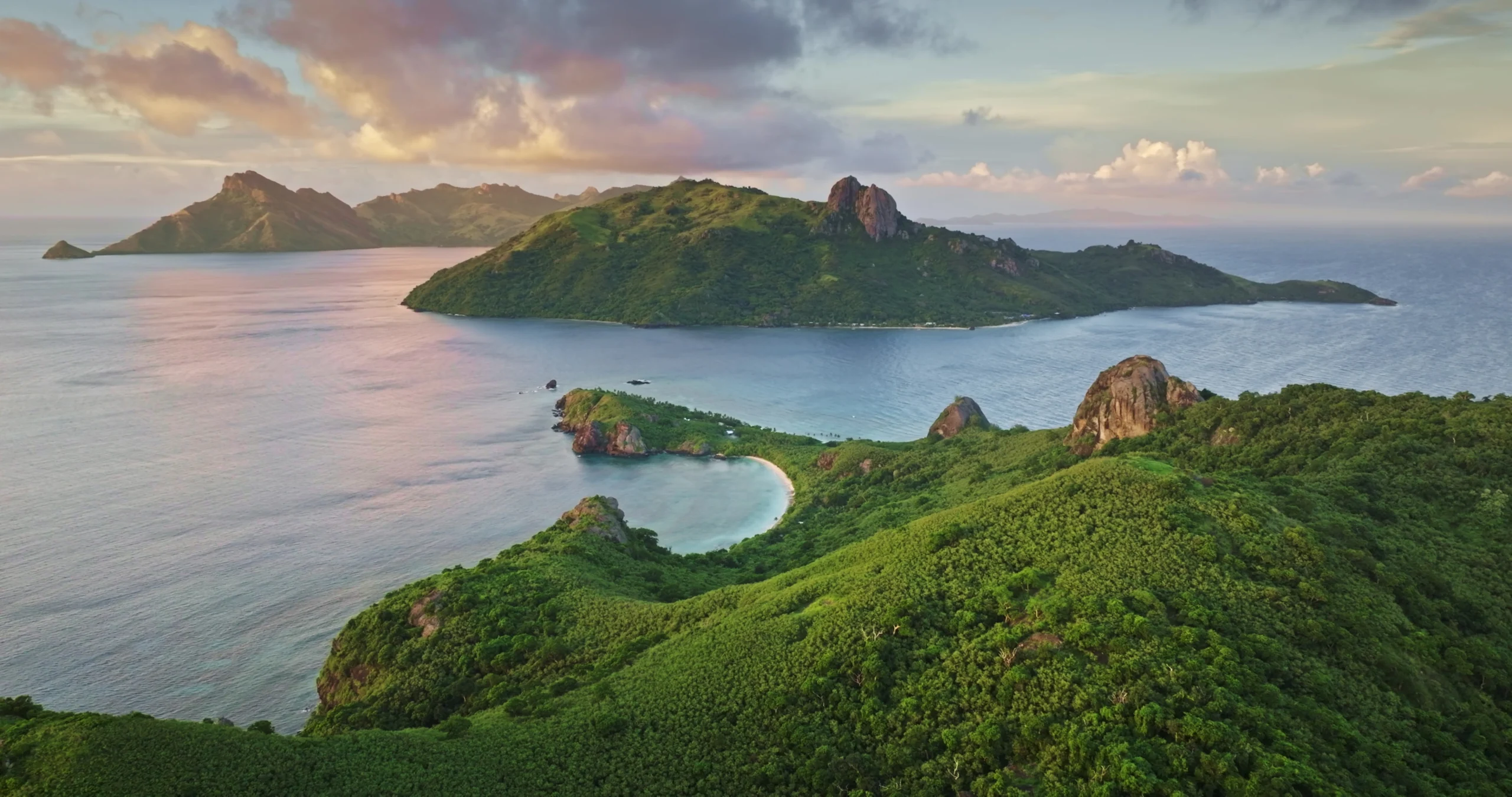
Photo by © Goinyk Volodymyr | Dreamstime.com
The Yasawa Islands are located just northwest of Fiji’s main island, Viti Levu, easily accessible on a charter, with close proximity to Nadi International Airport. The group of six main islands and 14 smaller islets is renowned for its stunning white sandy beaches, crystal-clear turquoise water, and dramatic volcanic peaks, showcased in the 1980 film “The Blue Lagoon.” Wildlife is abundant from the flying fox colony on the island of Sawa-i-lau to the Fiji crested iguana found in the northern group of islands, known for their more remote and tranquil atmosphere.
The southern Yasawas are home to the Barefoot Manta channel, located between Drawaq and Naviti islands, where visitors can swim with manta rays from May through October. Hawksbill turtles and both blacktip and whitetip reef sharks are also commonly spotted.
Cocos Island, Costa Rica
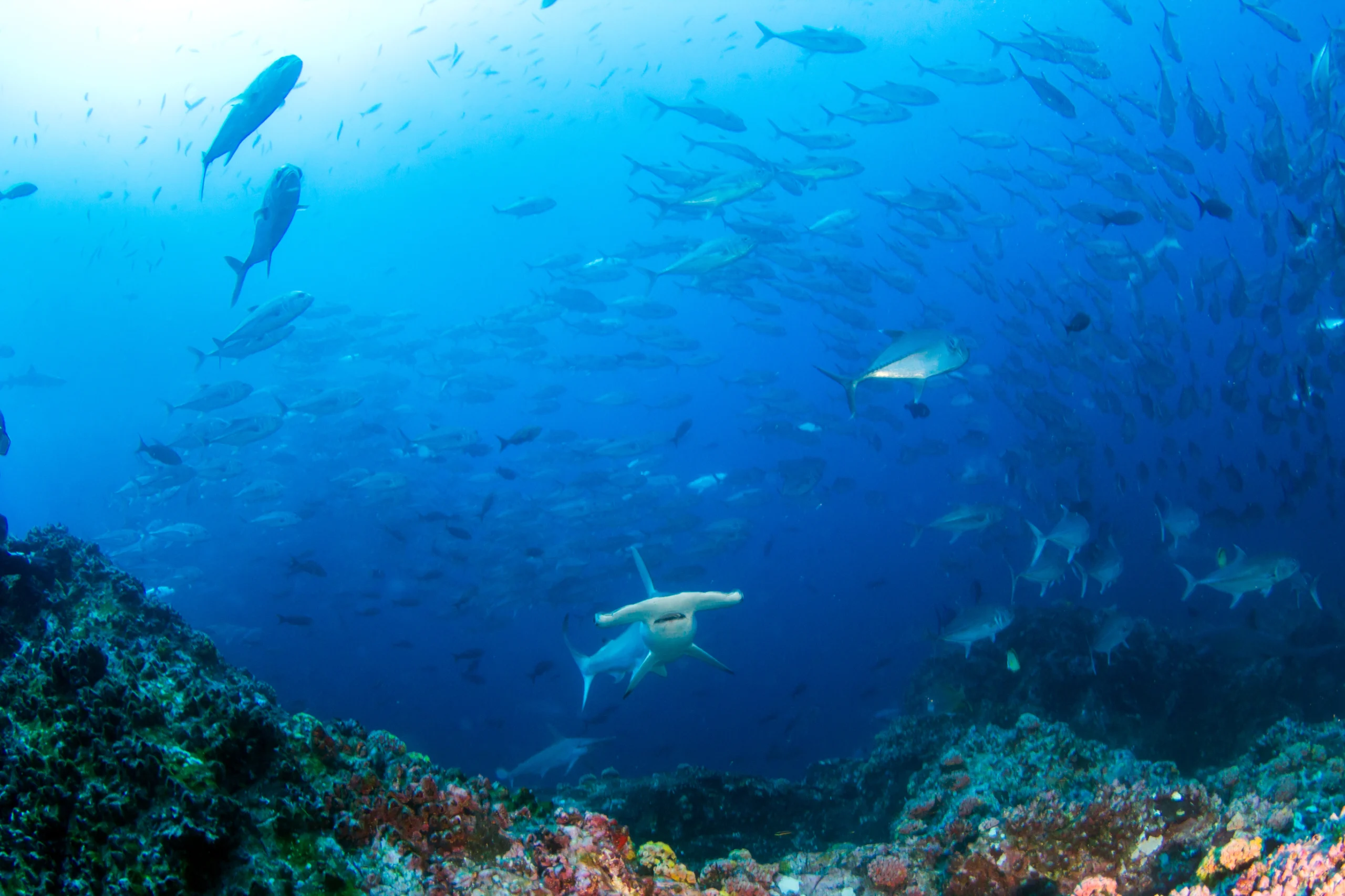
Photo by © Michael Bogner | Dreamstime.com
Located 340 miles off the Pacific Coast of the Costa Rican mainland, uninhabited Coco Island is renowned for diving excursions, with most yacht trips offering daily dives at some of the top sites like Alycyone and Big Dos Amigos. Hammerhead sharks are the highlight here, with massive schools of the animals, most notably at the sites of Manuelita and Dirty Rock. They gather in huge numbers, sometimes in the thousands, to take advantage of the region’s underwater “cleaning stations” where smaller reef fish remove bacteria, parasites, and dead skin. It provides unparalleled, close-up encounters for divers.
All sorts of other marine life can be seen too, including giant mantas, eagle rays, whale sharks, whales, and dolphins. While there are no restaurants or accommodations on land, in between your time diving, you can disembark to hike through cloud forests and swim beneath waterfalls.
Seychelles
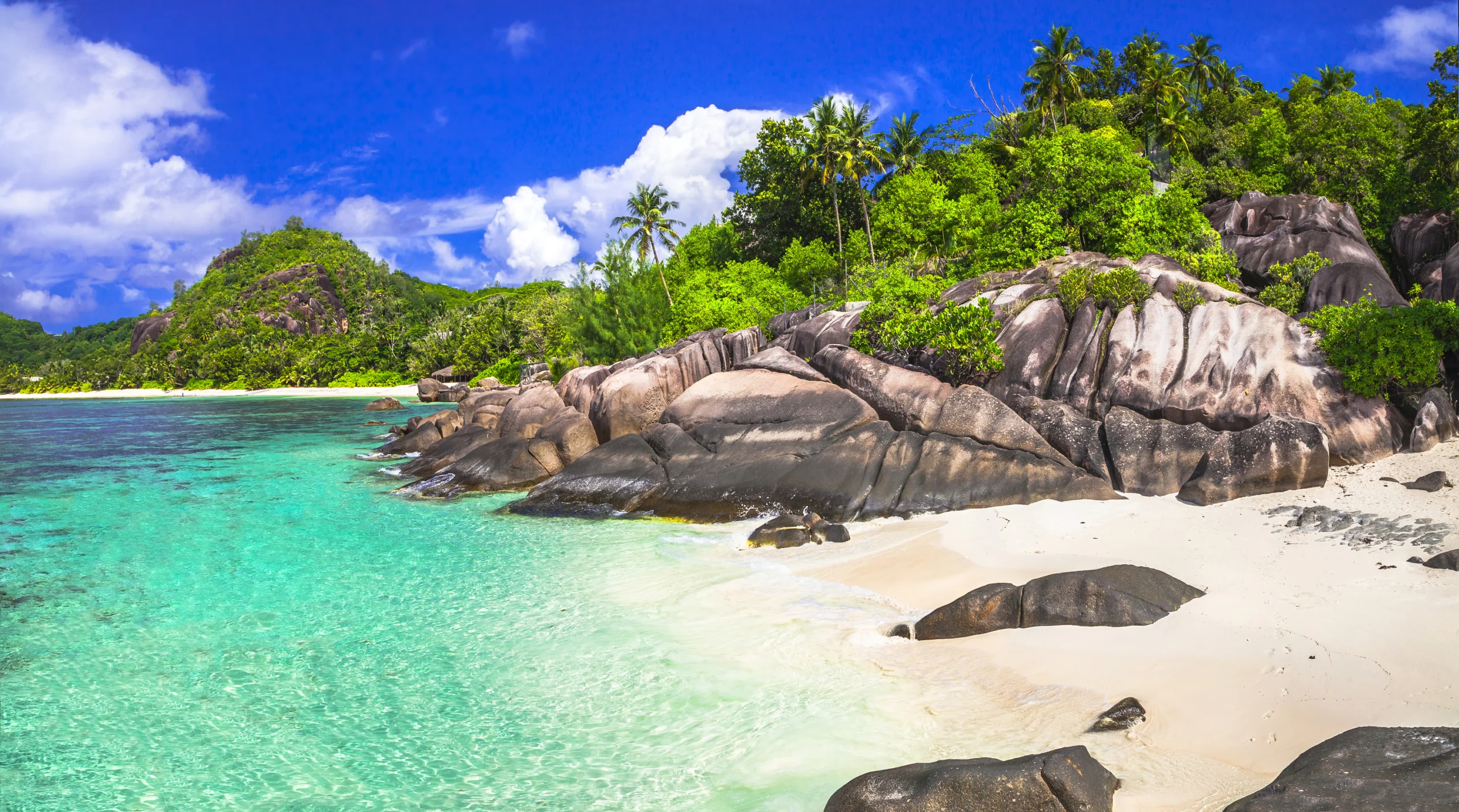
Photo by © Freesurf69 | Dreamstime.com
Roughly 1,000 miles off the coast of East Africa, the Seychelles are made up of 115 islands, looking like a postcard come to life with fantasy-like white sand beaches, coconut palms, and brilliant turquoise waters. They’re also home to abundant wildlife, including unique species like the endemic Seychelles black parrot and Aldabra giant tortoises. It’s possible to swim alongside the large tortoises, primarily on La Digue, off beaches like Anse Severe. The animals can often be seen in this area, along with green and hawksbill sea turtles. You might find yourself swimming alongside the tortoises at Curieuse Island, a protected breeding ground, and while in marine parks like Sainte Anne. Between August and November, you can also swim with whale sharks in Beau Vallon Bay and marine areas near Port Glaud on the island of Mahé.
Raja Ampat Islands, Indonesia
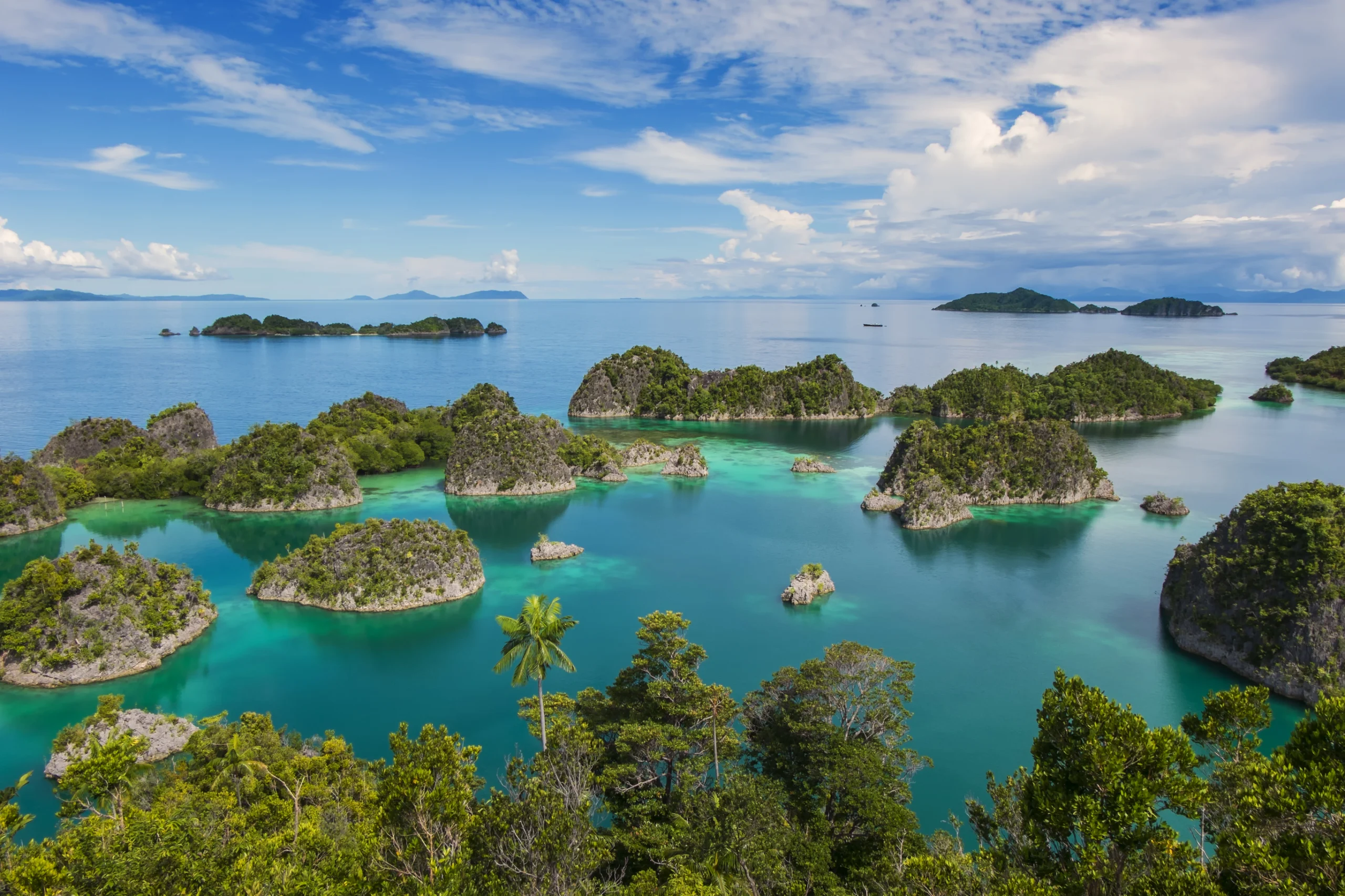
Photo by © Dodi Sandradi | Dreamstime.com
A haven for yachters off the northwest tip of Papua, Raja Ampat is made up of over 1,500 islands. The nutrient-rich waters are an epicenter of biodiversity, with three-quarters of the world’s hard coral species, a wide range of colorful fish, manta rays, and reef sharks. What makes it even more unique is that you’ll have the chance to swim alongside dugongs. Often referred to as “sea cows,” like the manatee, they’re actually an entirely different species. Residing only in saltwater and exclusively consuming seagrass, the best spot to encounter them in Raja Ampat is between the Mansuar and Kri islands, with lots of seagrass in the shallow, protected waters.
Turtle Town – Maui, Hawaii
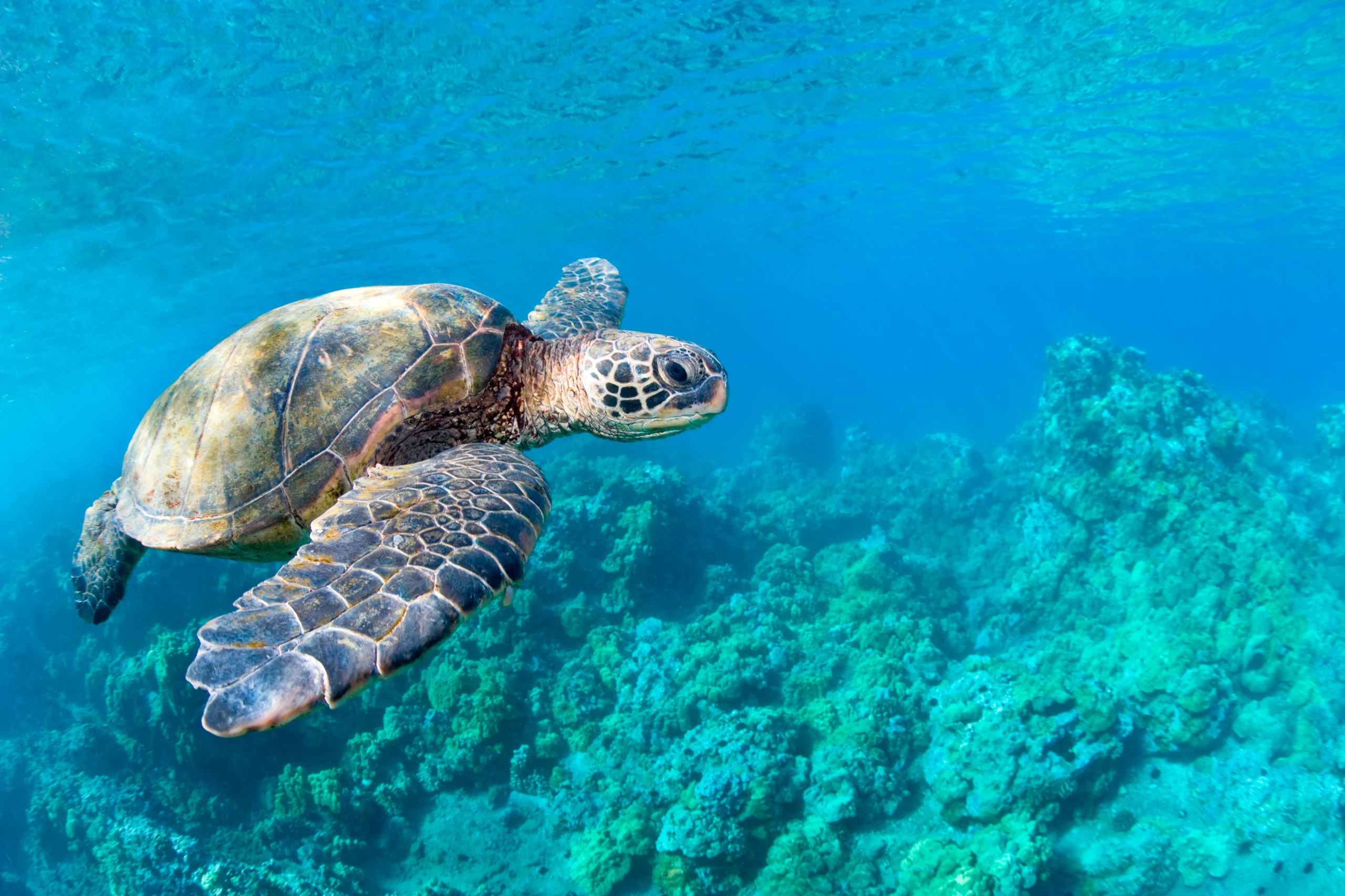
Photo by © Idreamphotos | Dreamstime.com
Maui is renowned for its postcard-perfect beaches, including Makena Beach, often ranked among the world’s best. But offshore, there’s a wealth of wildlife that awaits, including Hawaiian sea turtles. Turtle Town near Maluaka Beach along the southern Wailea-Makena coastline is the premier spot for swimming with them. Yachts can anchor in the sand with the best spots near the beach and Nahuna Point. The area offers calm, clear waters ideal for viewing the turtles that can often be seen in shallow, rocky areas or resting on underwater volcanic formations.
Cape Town, South Africa
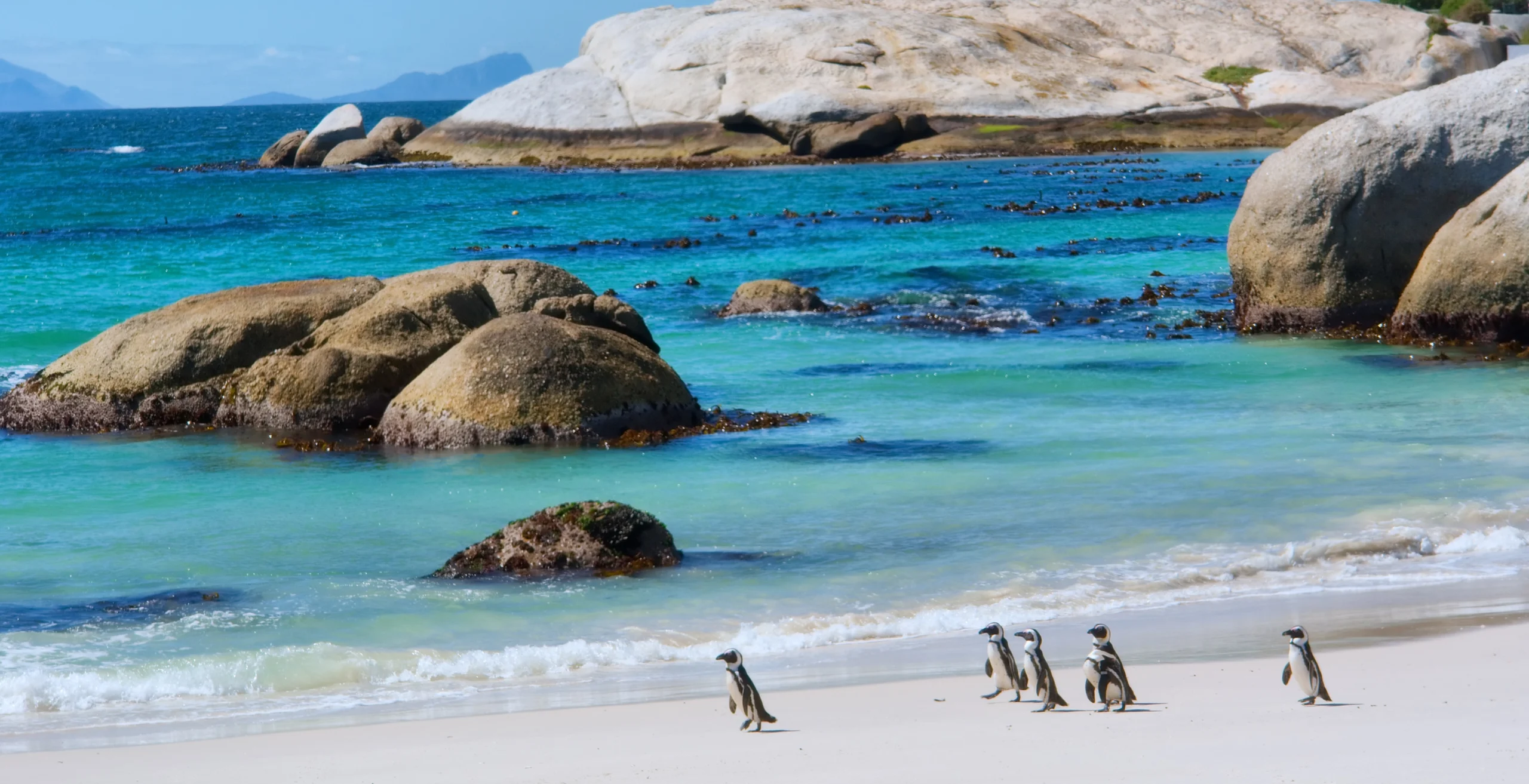
Photo by © Photosky | Dreamstime.com
Who doesn’t love penguins? While you can potentially swim with them in the Galapagos, Boulders Beach, just outside of Cape Town in Table Mountain National Park, is the most easily accessible. The endangered African penguins can be seen from boardwalks, but if you head to the nearby sandy coves, you’ll find designated areas for entering the warm cobalt waters where you can swim right alongside them. The tuxedoed birds are present year-round, but the best time to swim with them is from January through March, when the water is warmer. Arrive early in the morning when the penguins are more active and fewer other visitors are around for an optimal experience.
Ningaloo Reef, Western Australia
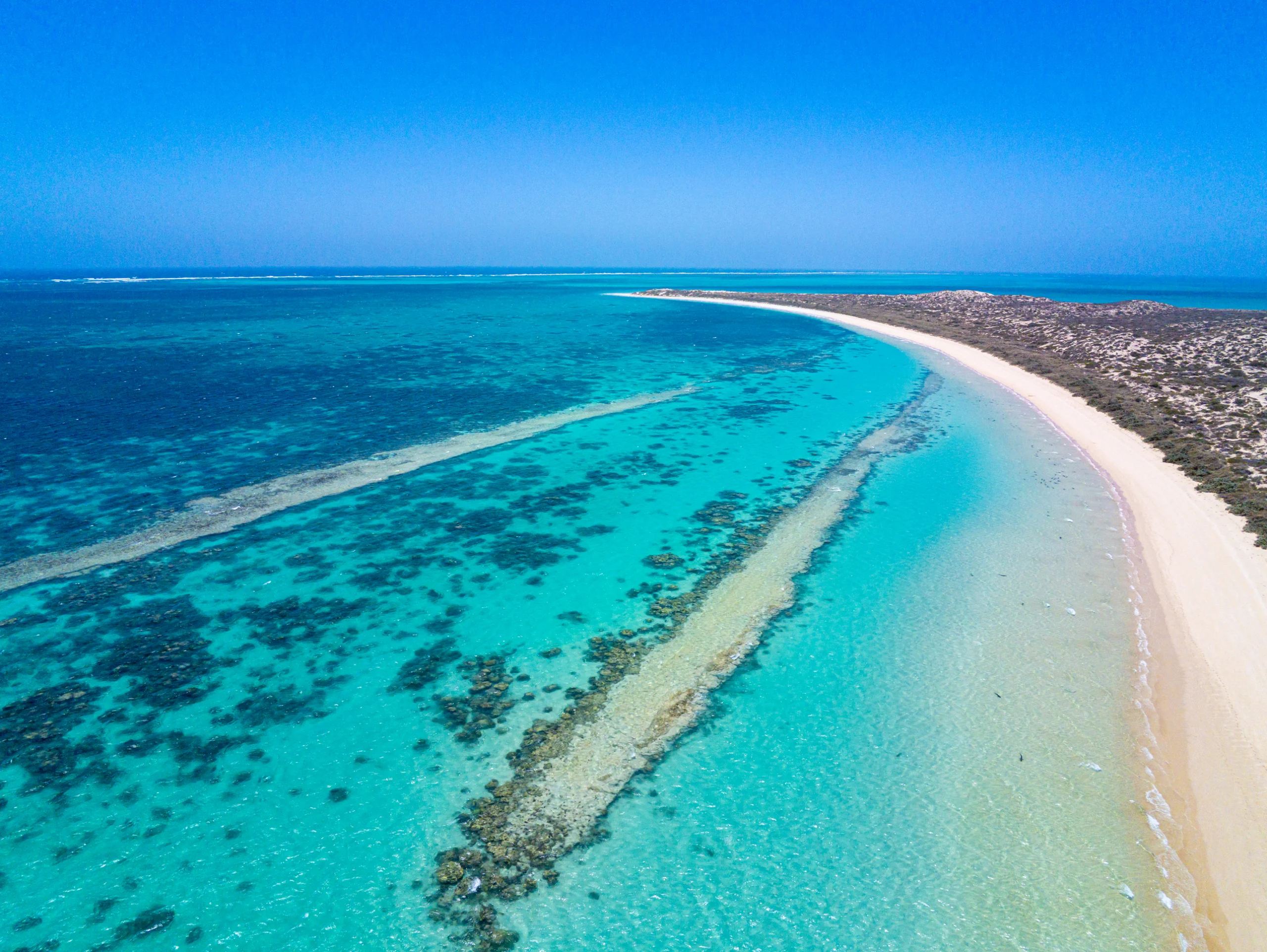
Photo by © Mxwphoto | Dreamstime.com
A yacht charter along Australia’s iconic Ningaloo Reef brings the opportunity to swim with a wide range of marine life. These trips are often focused on snorkeling, diving, and wildlife encounters, with dolphins and manta rays in the area year-round. Between March and September, you might find yourself swimming alongside a whale shark. When humpback whales are here during their migration from July to October, confident swimmers can get in the water with them or watch from aboard.
Dugongs and a variety of dolphin species are often spotted while sailing Ningaloo, including Indo-Pacific bottlenose dolphins. The dolphins like to socialize and forage in the shallow lagoon waters, providing occasional opportunities for passive observation underwater.
More articles
Ready to set sail?
Discover the perfect yacht charter for you — effortlessly with Yacht.com.


