Luxury Yacht Destinations Where Going Ashore Is Actually Worth It
A curated dispatch from the ports where going ashore is the whole point.

There is a particular pleasure in declining to disembark. The tender is waiting, the dock is crowded, and you (wisely) remain aboard with a chilled glass and a horizon that belongs entirely to you. Not every port deserves your afternoon. But some do. These are those.
Kotor, Montenegro
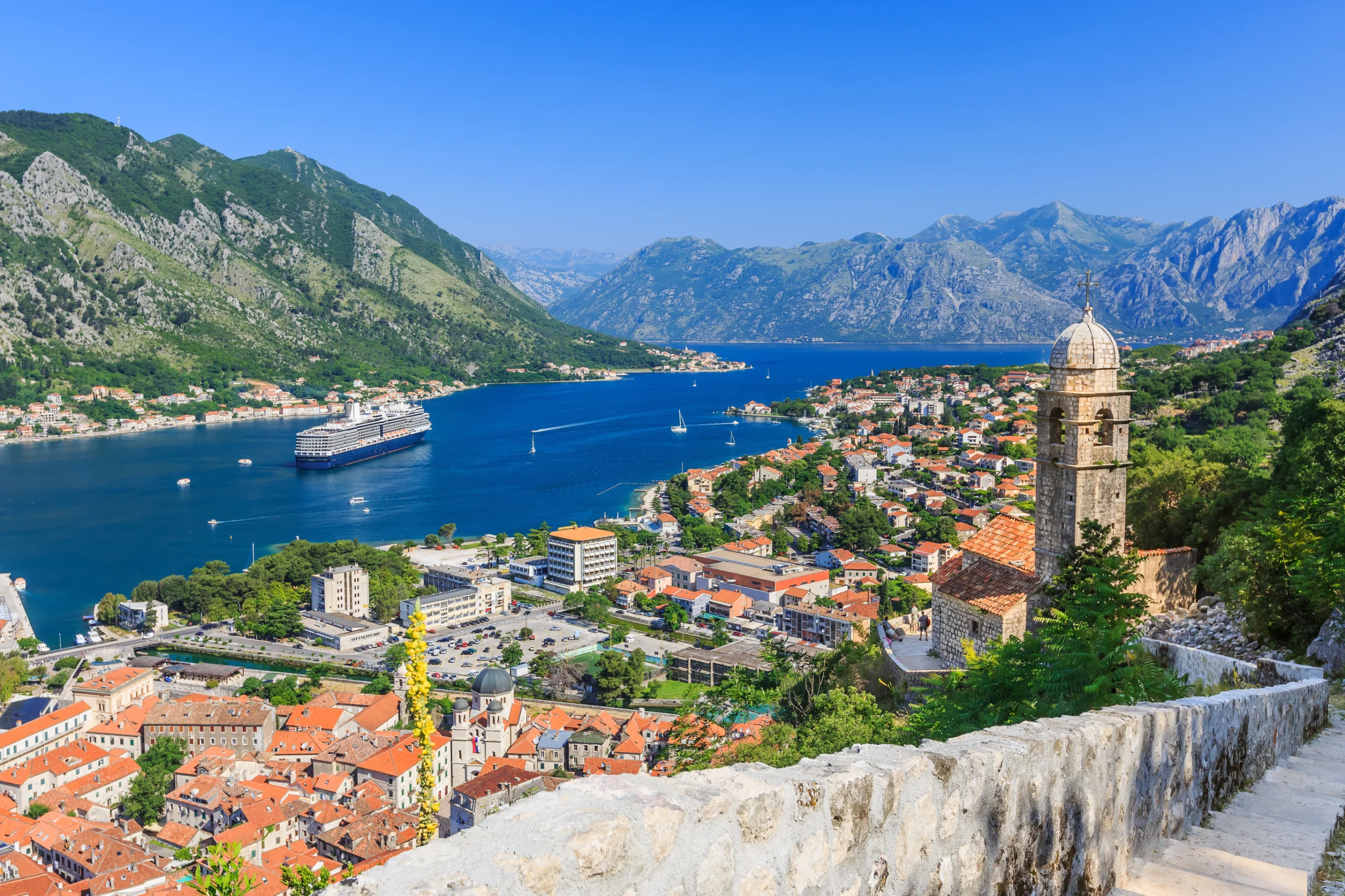
Photo by © Sorin Colac | Dreamstime.com
Dubrovnik gets the attention, but Kotor is just as viable a version. Imagine a walled medieval city at the end of a fjord so dramatic it is regularly mistaken for a Norwegian one. The old town is tiny and entirely car-free; you can walk the full circuit of the walls in a couple of hours with views over the bay that justify the climb. Down below, the streets are local with good seafood restaurants and cats everywhere by long tradition. The Bay of Kotor is also one of the finest sailing grounds in the Adriatic, with a string of smaller towns along the shore worth a stop: Perast, with its two tiny islands just offshore, is one of the prettiest spots in the whole Mediterranean.
Don’t miss: The walls walk, lunch in the old town, a short trip to Perast, and the island church of Our Lady of the Rocks.
Procida, Italy
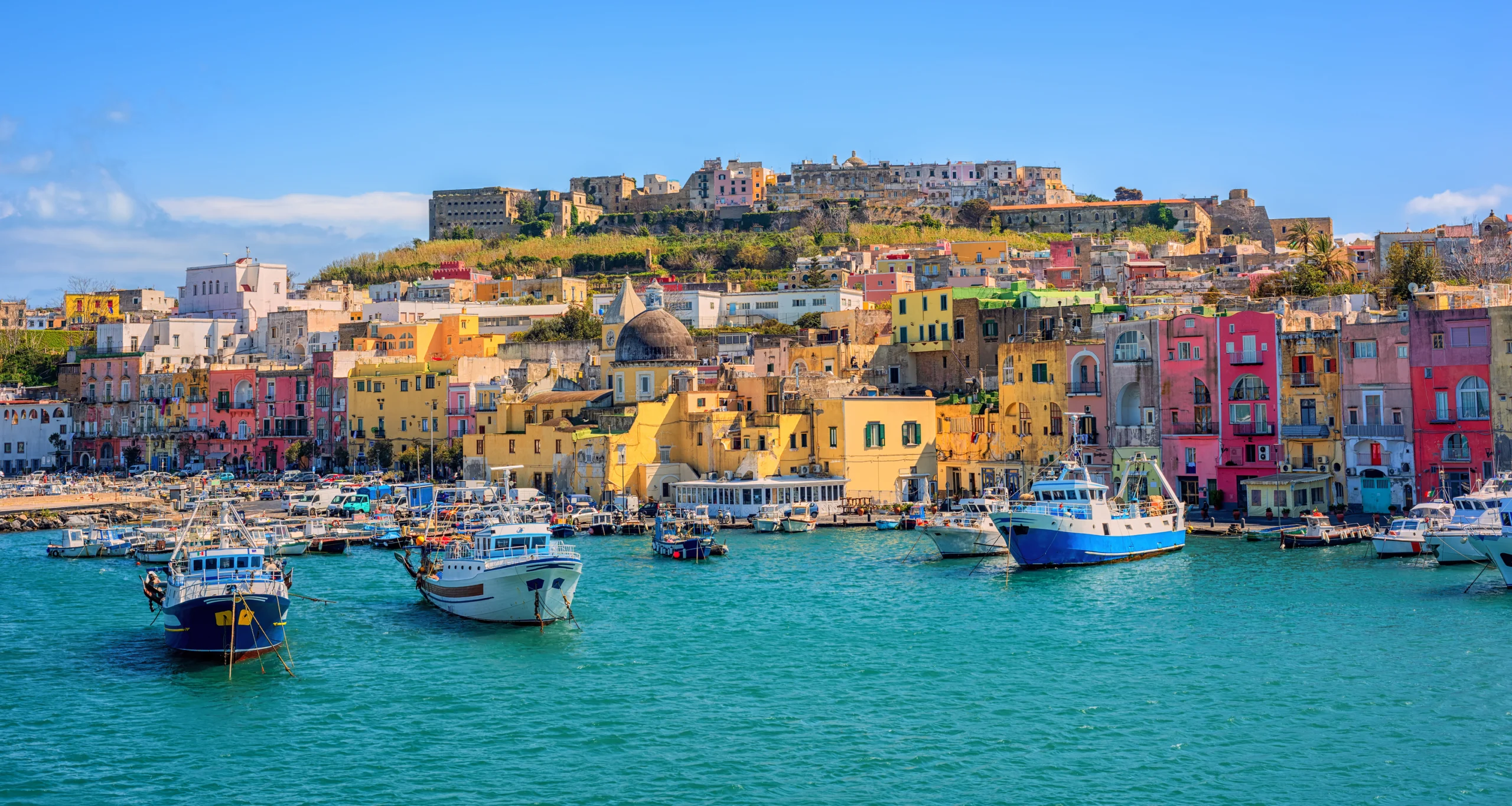
Photo by © Xantana | Dreamstime.com
Just off Naples and consistently overlooked in favor of Capri and the Amalfi Coast. Procida is small, working-class, and Italian in a way that Capri stopped being decades ago. The coloured fishing village of Marina Corricella (pastel houses stacked directly above the harbor) is one of the most photographed spots in the Mediterranean and somehow still feels undiscovered. The food is excellent and inexpensive by Italian standards: fresh pasta, fried seafood, and the island’s own lemons. Rent a scooter and you’ve seen the whole island in a morning.
Don’t miss: Marina Corricella at any hour, fried seafood at a harbor-side table, the view from the Terra Murata citadel above the island.
Gozo, Malta
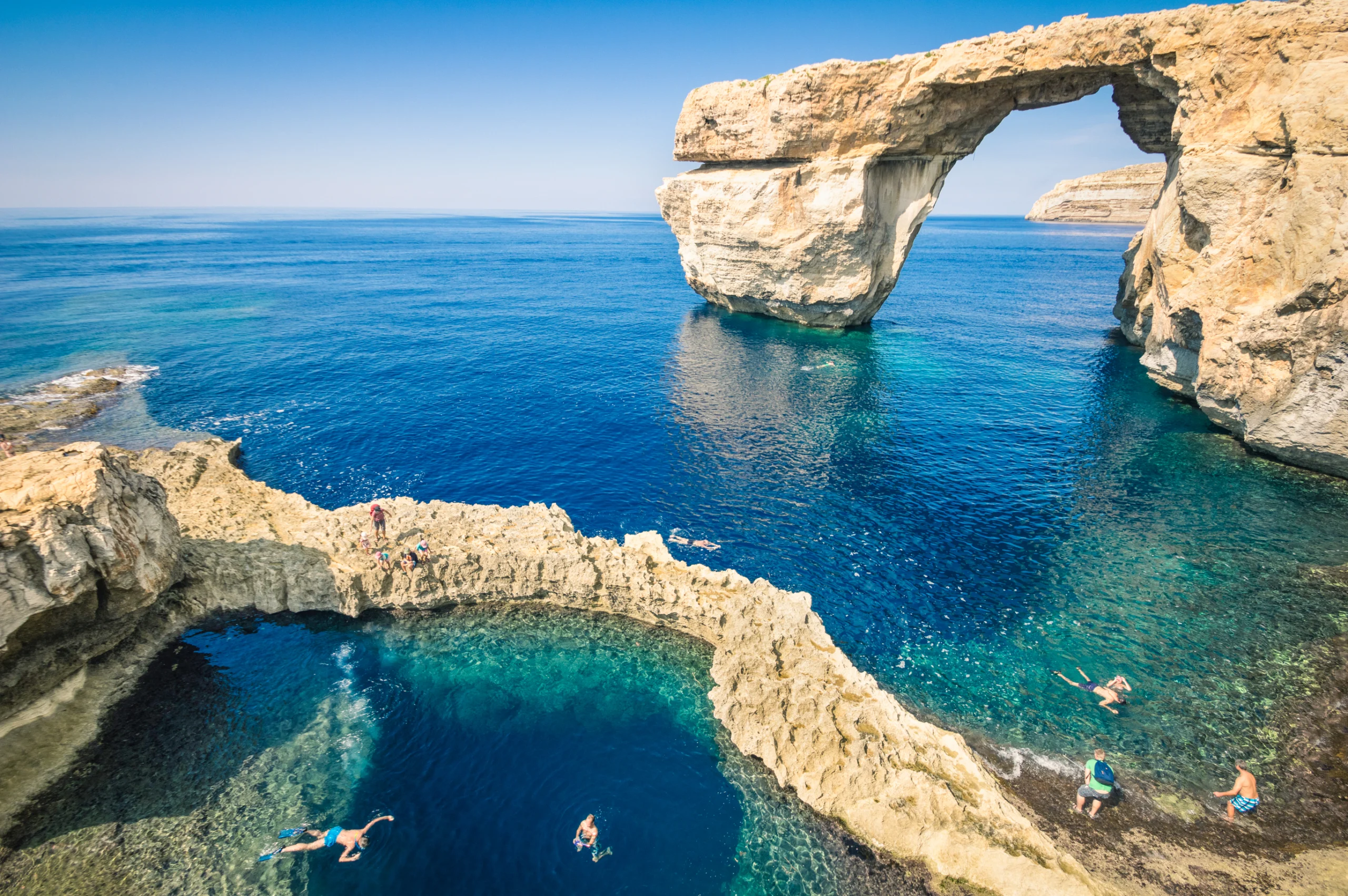
Photo by © Mirko Vitali | Dreamstime.com
The quieter, older, stranger island next to Malta is significantly more rewarding for a day ashore. The interior is all limestone villages, baroque churches, and terraced fields. It feels centuries removed from the tourist infrastructure of Valletta. The Ggantija temples on the hill above Xagħra are among the oldest freestanding structures on earth, predating Stonehenge by centuries. The food is better than Malta proper: fresh rabbit stew, sun-dried tomatoes, and local cheeselets called ġbejniet. The diving around the island is some of the best in the Mediterranean (the Blue Hole at Dwejra is a world-famous site).
Don’t miss: The Ggantija temples, the Blue Hole at Dwejra, lunch in the hill village of Xlendi.
Cagliari, Sardinia
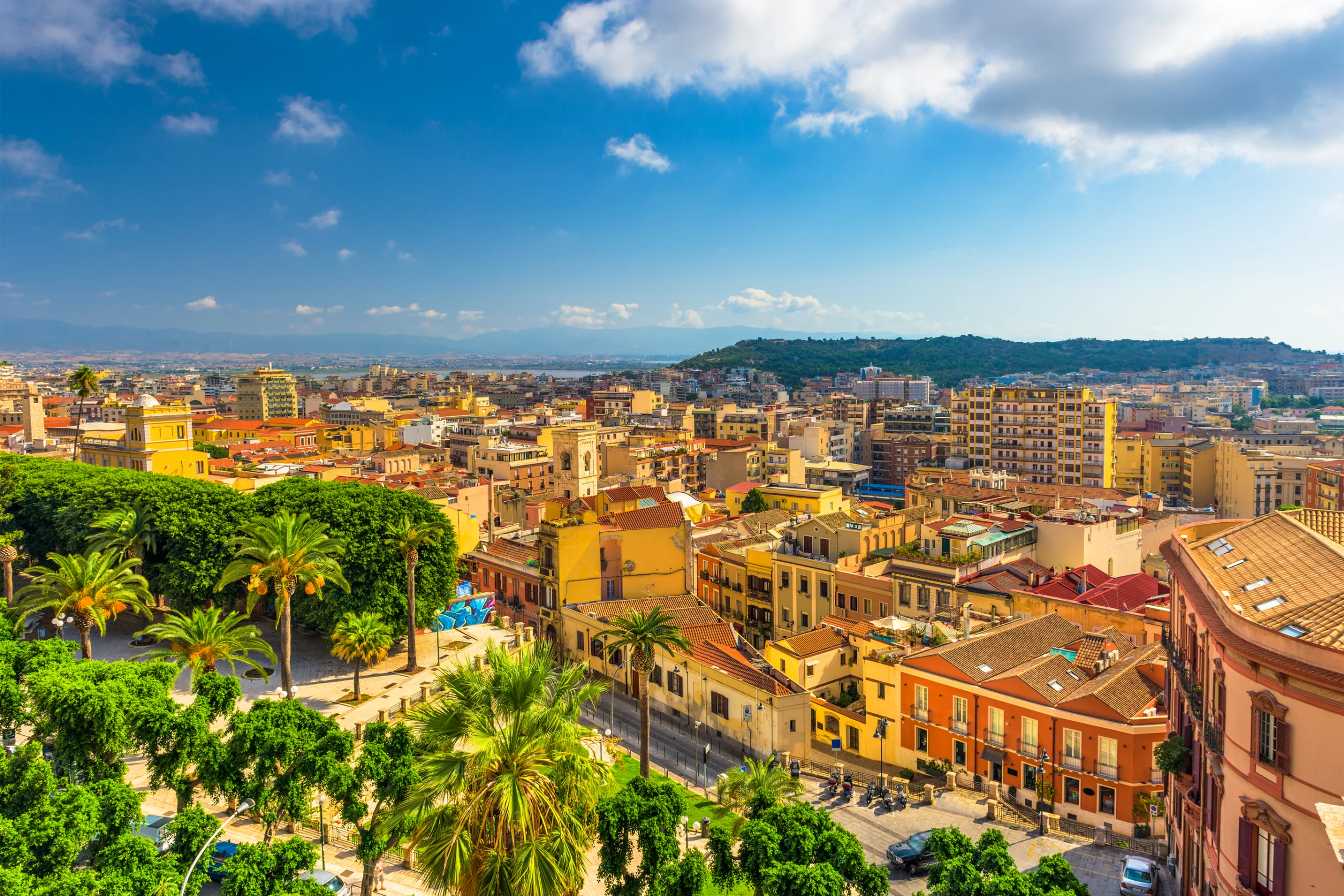
Photo by © Sean Pavone | Dreamstime.com
Underrated by most visitors who treat Sardinia purely as a beach destination and miss the fact that it has an interesting capital city. Cagliari is built on hills above the harbor, with a medieval Castello district at the top containing some of the best views in the western Mediterranean and a decent archaeological museum with Nuragic bronze figures that are unique to the island. The food culture is big—bottarga shaved over pasta, suckling pig, local pecorino, Cannonau wine—and the city has a local life that the Costa Smeralda resorts entirely lack. Good street food around the Mercato di San Benedetto, the largest covered market in Italy.
Don’t miss: The Castello district, the Mercato di San Benedetto, pasta with bottarga at a proper trattoria.
Raja Ampat, Indonesia
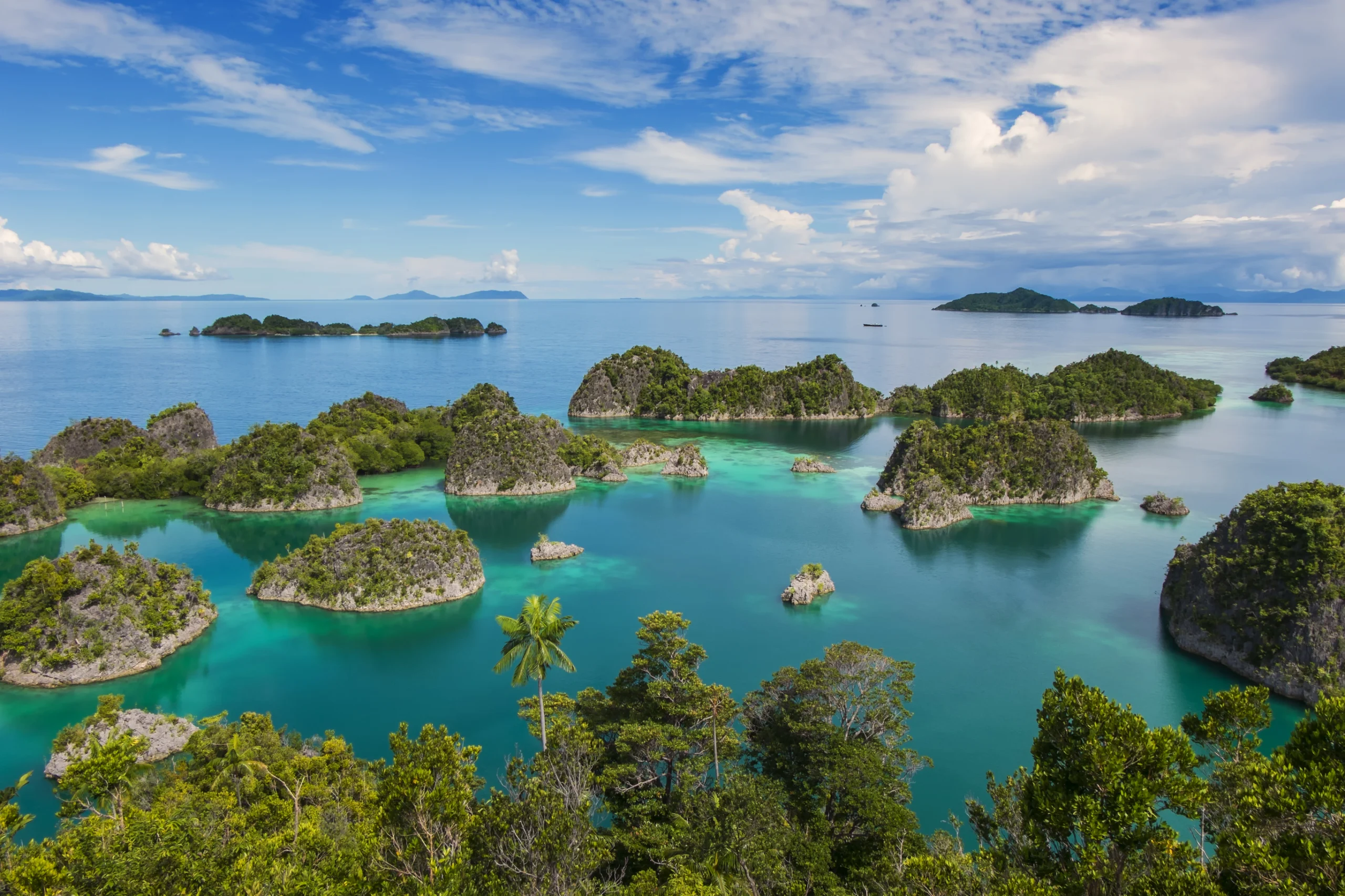
Photo by © Dodi Sandradi | Dreamstime.com
Widely considered to have the highest marine biodiversity on earth, the diving and snorkeling here are incredible. Over 1,500 fish species and 700 mollusk species live here, with coral coverage that rivals almost anywhere left on earth. Above the water, the landscape is just as dramatic with jungle-covered karst islands rising from flat turquoise sea, almost no development, and a near-total absence of other tourists outside a handful of small eco-resorts. This is as remote as yachting gets in this part of the world.
Don’t miss: Diving or snorkeling at Cape Kri or Sardine Reef, kayaking through the karst islands at dawn, and a visit to a local Papuan village.
Komodo Island, Indonesia
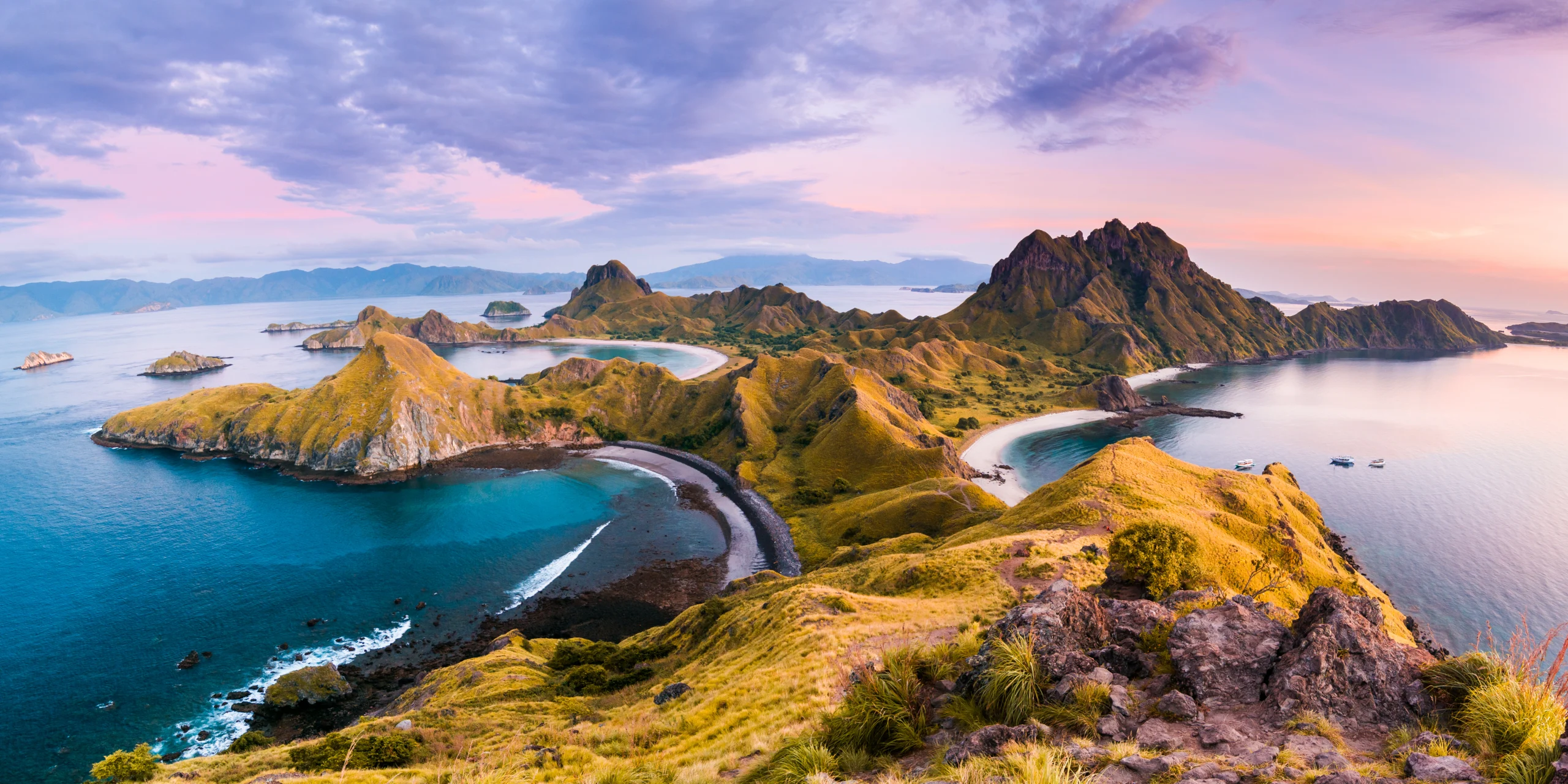
Photo by © Treethot Polrajlum | Dreamstime.com
The dragons are here and they are enormous—the largest lizard on earth in fact, up to three meters long, and dangerous. A guided walk through Komodo National Park to find them is one of the more primal wildlife experiences available in this part of the world. Beyond the dragons, the park contains some of the best diving in Indonesia: Batu Bolong is one of the most celebrated dive sites in Southeast Asia, with strong currents that bring in large pelagic species and walls covered in soft coral. The pink sand beaches at Pantai Merah are as good as advertised. This is a destination that delivers on multiple fronts and justifies a dedicated stop on any Indonesian transit.
Don’t miss: A guided dragon walk in Komodo National Park, diving at Batu Bolong, and the pink sand beach at Pantai Merah.
Fakarava, French Polynesia
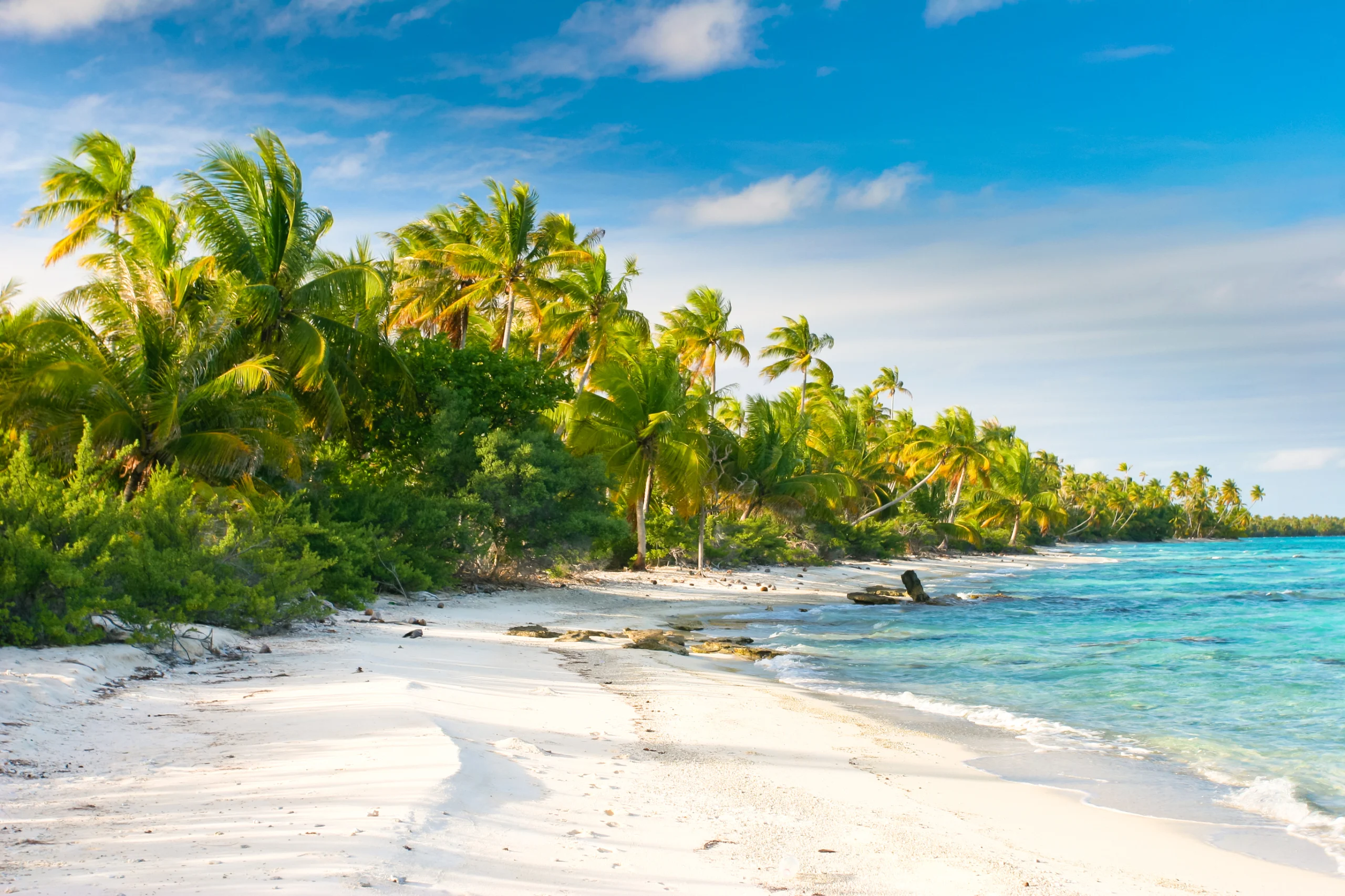
Photo by © Wrobel27 | Dreamstime.com
Where Bora Bora has the resorts and the infrastructure, Fakarava has almost nothing. One of the largest atolls in French Polynesia, a UNESCO biosphere reserve, and home to one of the most spectacular dive sites in the Pacific: the southern pass at Tetamanu, where hundreds of grey reef sharks gather in the current. Above water, the atoll is all coconut palms, white sand, and flat calm lagoon. There are a handful of small pensions and pearl farms. That is essentially it. For a yacht, it is close to perfect.
Don’t miss: Diving the southern pass at Tetamanu, snorkeling the northern pass at Garuae, a night under the atoll’s dark sky.
Ilha Grande, Brazil
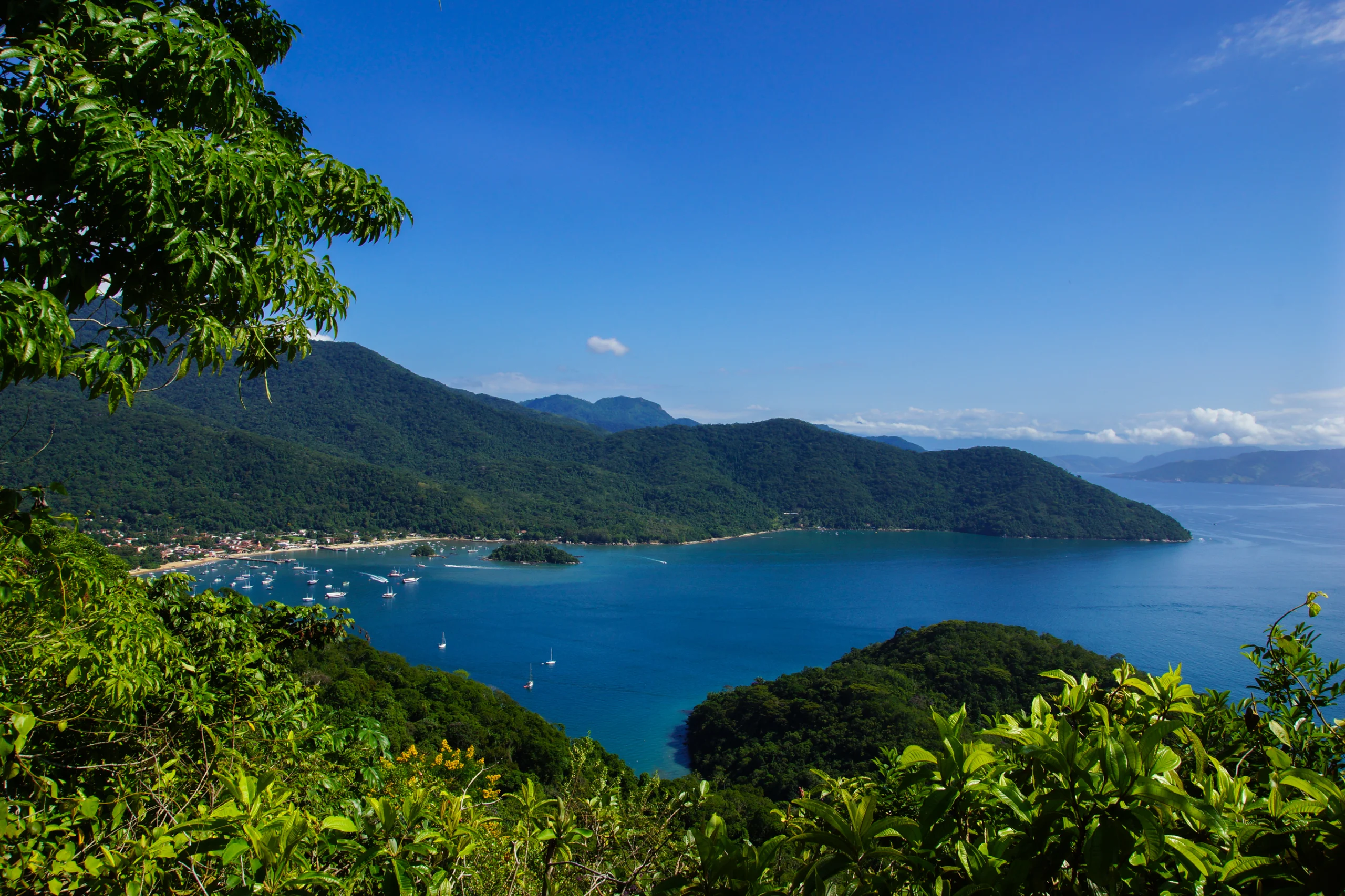
Photo by © Scotttnz | Dreamstime.com
No cars, no roads beyond footpaths, Atlantic rainforest running directly down to the water, and beaches that vary from busy and social to entirely empty depending on how far you’re willing to go. Ilha Grande is two hours by boat from Rio and feels like a different world. The town of Vila do Abraão is small and relaxed with good caipirinhas, fresh fish, and hammocks. The trails through the forest are excellent and lead to beaches like Lopes Mendes, consistently ranked among the best in Brazil. The snorkeling around the island is decent and the waters are clear enough that sailing in is a pleasure in itself.
Don’t miss: The trail to Lopes Mendes beach, snorkeling around Lagoa Azul, dinner and caipirinhas in Vila do Abraão.
Nosy Be, Madagascar
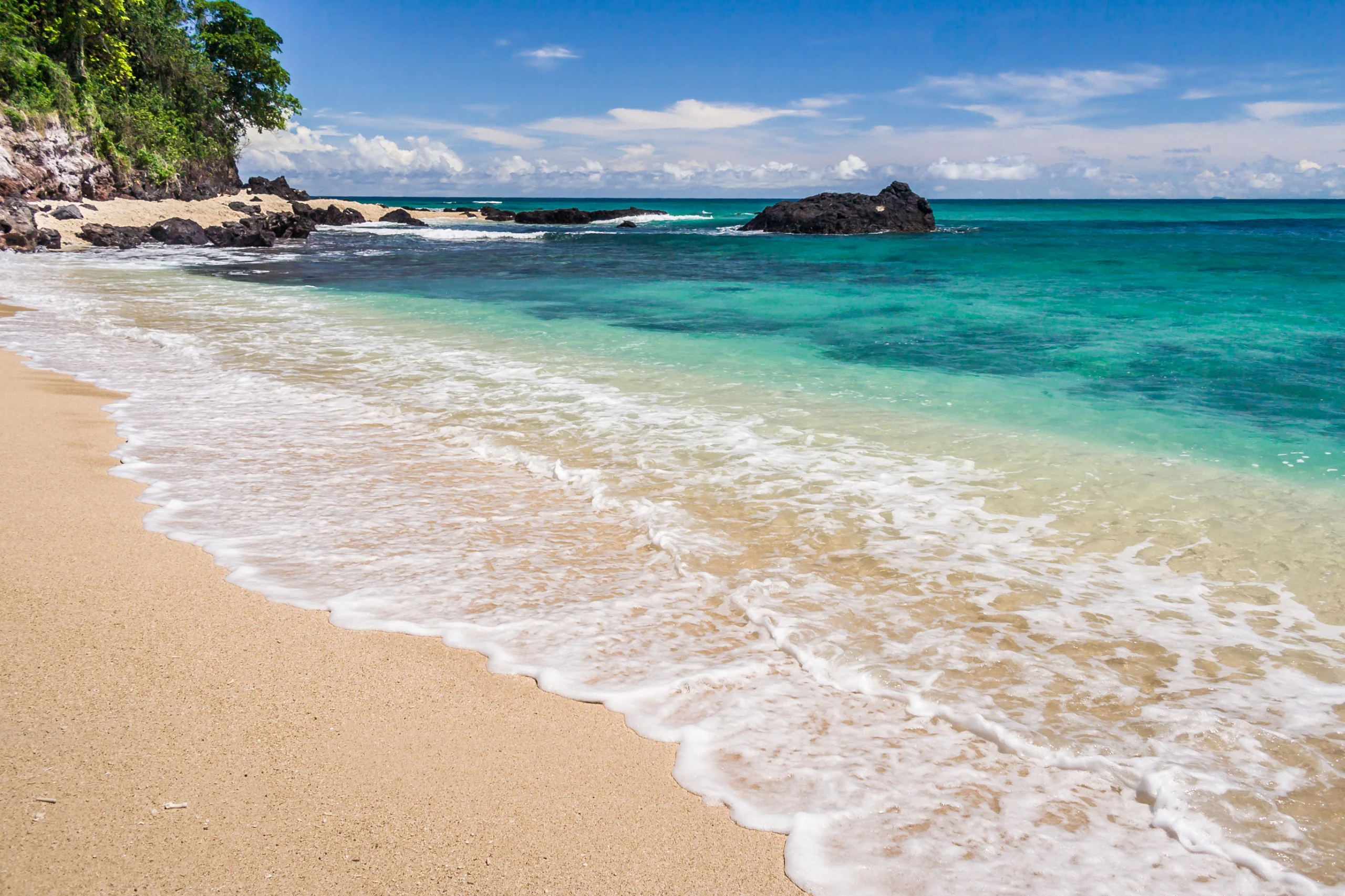
Photo by © Aline Rakotoson Babelon | Dreamstime.com
Almost no yacht traffic, extraordinary marine life, and a landscape unlike anywhere else in the Indian Ocean. Madagascar’s northwestern island is surrounded by a marine park containing whale sharks, humpback whales (between July and September), dolphins, and reef systems in good condition. Ashore, the island is dense with lemurs, chameleons, and baobab trees. The local food runs on fresh seafood and vanilla, both produced on the island. Infrastructure is basic and that is partly the appeal; this is one of the least visited yacht destinations in the Indian Ocean.
Don’t miss: Whale shark snorkeling around Nosy Tanikely, a visit to Lokobe Reserve for lemurs,and grilled crayfish on the beach at Ambatoloaka.
Mirbat, Oman
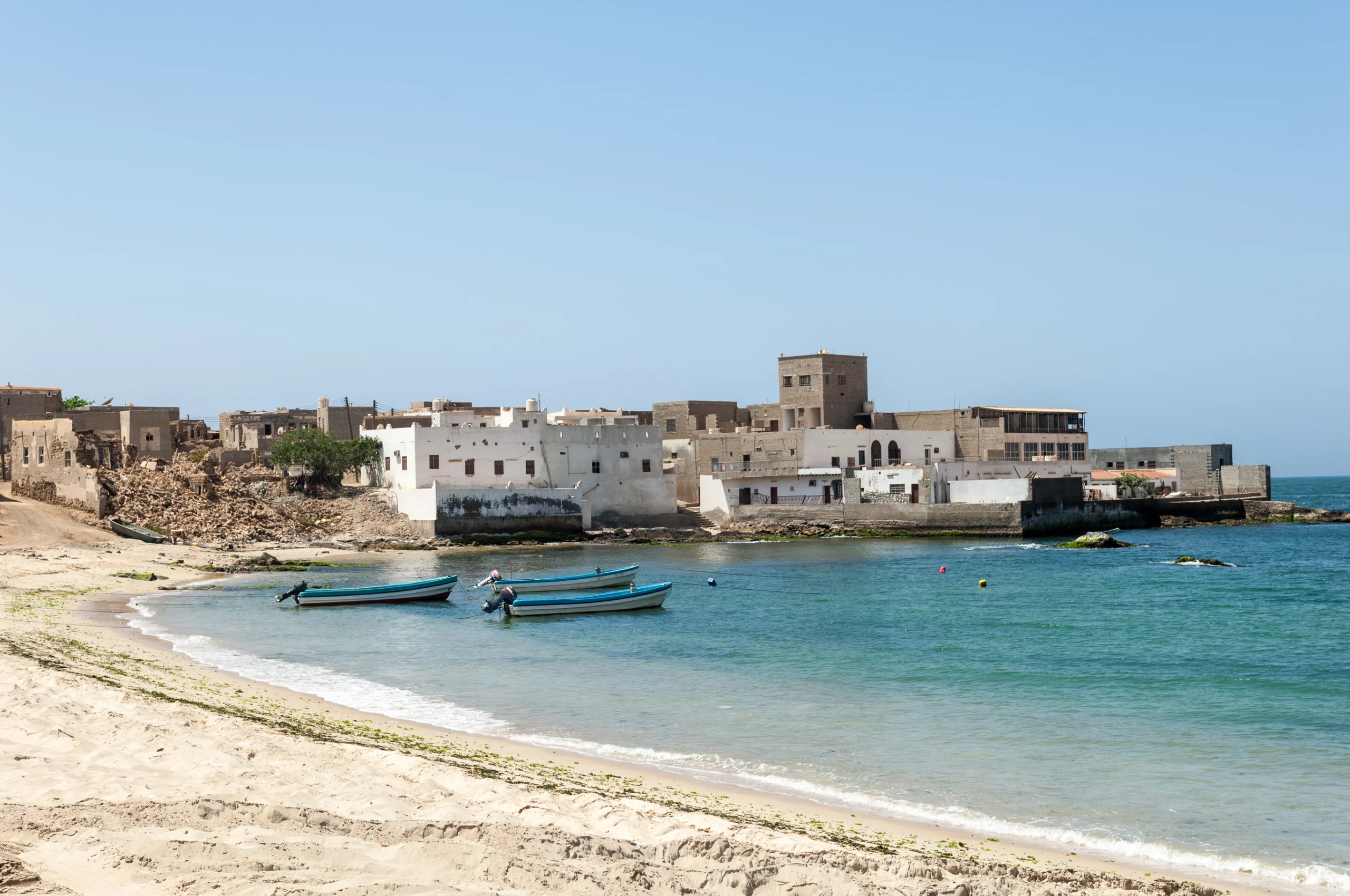
Photo by © Patrik Dietrich | Dreamstime.com
Most yachts stop at Muscat and miss the far more dramatic south. Mirbat, in the Dhofar region, is frankincense country proper. The trees grow wild in the hills above the town and have been harvested here since antiquity. The town itself is small and historic, with a 17th-century fort, a domed tomb of a local saint, and a fishing harbor that operates more or less as it always has. The coastline around Mirbat is wild and largely unexplored by yacht; the diving is excellent and the area around the nearby island of Hasikiya has been barely touched. During the Khareef monsoon season (July to September) the hills turn green in a way that looks nothing like the rest of Arabia.
Don’t miss: Buying raw frankincense direct from local traders, the old fort and harbor, diving the untouched reefs around Hasikiya island.
More articles
Ready to set sail?
Discover the perfect yacht charter for you — effortlessly with Yacht.com.


