The Best Yacht Charter Destinations in Florida, According to Experts
Expert-sourced recommendations for Florida’s best yacht charter destinations.

Florida is, by almost any measure, the yachting capital of the United States. Two coastlines, 30,000 inland lakes, 1,350 miles of shoreline, and a year-round climate that makes December feel like summer. It all adds up to a state where boating isn’t really a hobby so much as a way of life. Drawing on insights from charter specialists, brokers, and local experts, here’s where to go—and what to expect when you get there.
From the superyacht docks of Fort Lauderdale to the mangrove labyrinths of the Ten Thousand Islands, the variety of charter experiences here is remarkable. Here’s where to go, and what to expect when you get there.
Fort Lauderdale
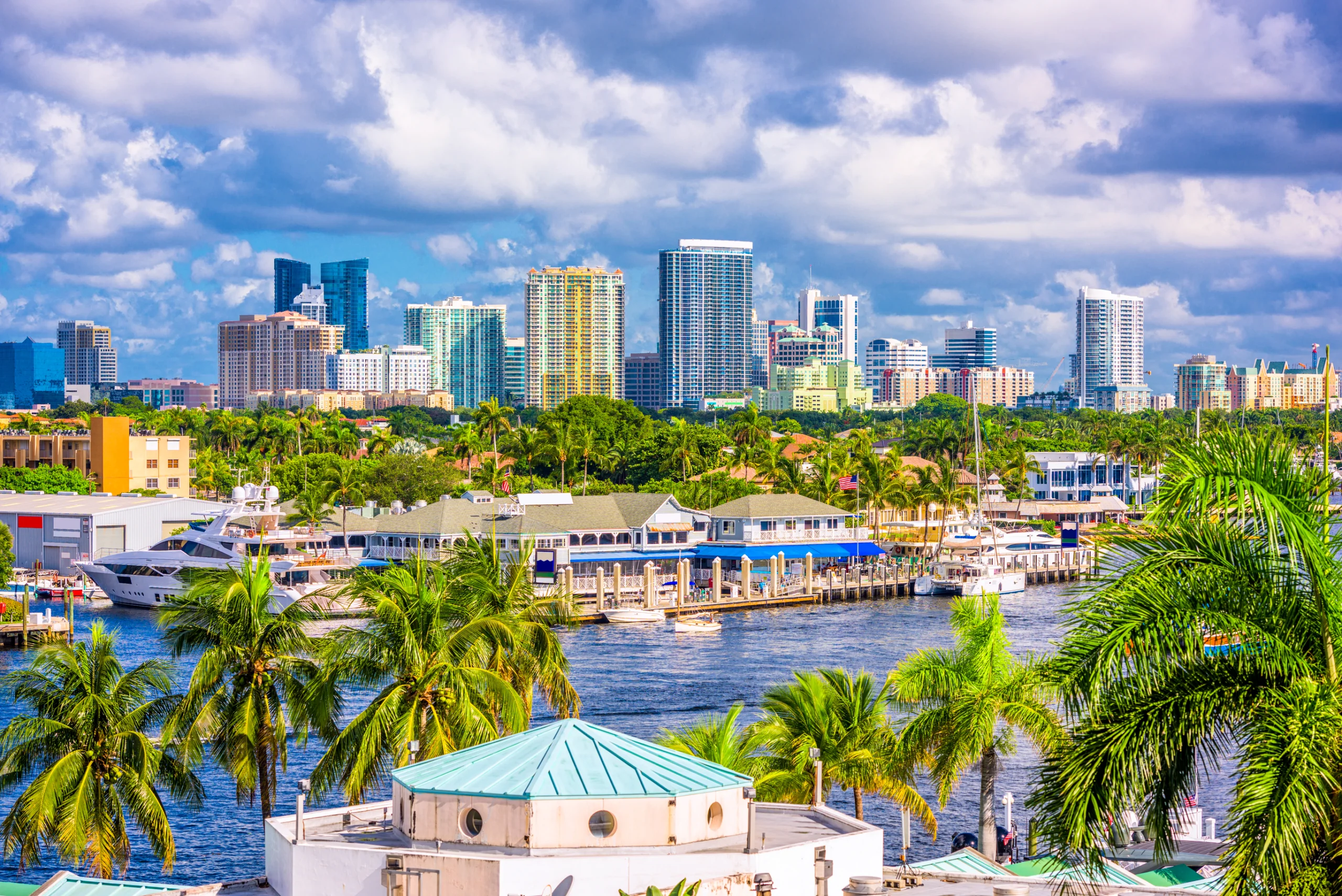
Photo by © Jessica Kirsh | Dreamstime.com
Fort Lauderdale’s claim to be the yachting capital of the world isn’t idle boasting. The city hosts the Fort Lauderdale International Boat Show every November (the largest in-water boat show on earth) and its marina infrastructure supports everything from a 30-foot daysailer to a 300-foot superyacht. The nickname “Venice of America” comes from its 300 miles of inland waterways, where spectacular waterfront homes, manicured marinas, and a constant procession of motor yachts give the whole city an unmistakably nautical feel.
“Fort Lauderdale offers an unmatched combination of marinas, yacht infrastructure, professional crews, and direct access to both the Intracoastal Waterway and the Atlantic Ocean, making it one of the most convenient charter hubs in North America,” says German Liubitch, Founder and Owner of Ritzy Yachts.
For longer itineraries, Fort Lauderdale is about as good a launching point as you’ll find. The Florida Keys are to the south, the Bahamas are to the east, and the Palm Beach glamour corridor stretches north. The provisioning infrastructure, repair facilities, and charter fleet options here are the best on the East Coast, so if you’re putting together a serious charter, starting or ending in Fort Lauderdale just makes the logistics easier.
Miami and Biscayne Bay
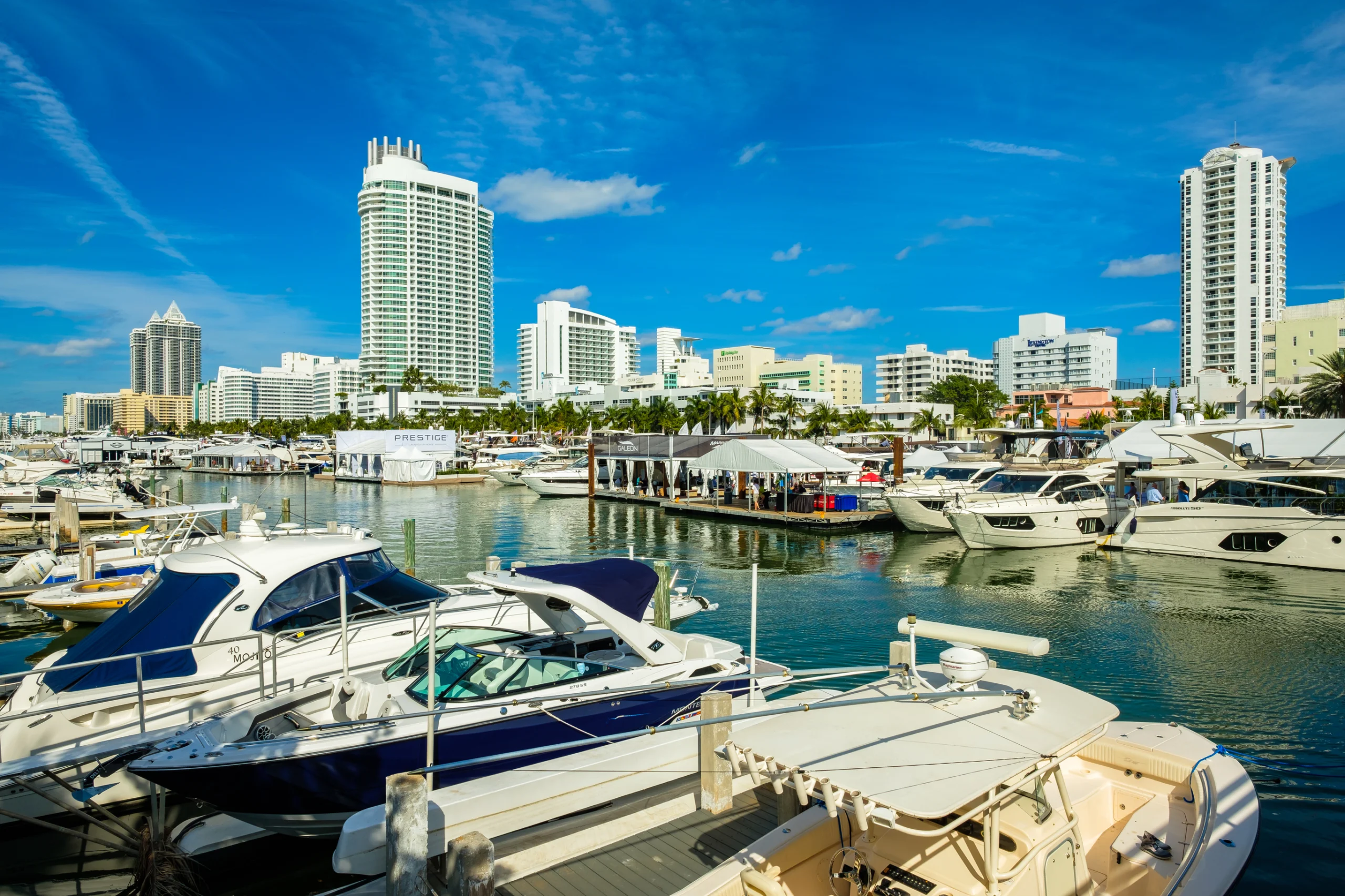
Photo by © Fotoluminate | Dreamstime.com
Miami has a split personality when it comes to yachting. On one side, you have one of the world’s great urban destinations—Biscayne Bay lined with world-class marinas, the skyline of one of America’s most photogenic cities behind you, South Beach visible from the anchorage. Arriving by yacht rather than by taxi gives the whole thing a completely different dimension. The Miami Yacht Show in February brings the world’s finest charter fleet right to the city’s doorstep.
Then you make a short passage south, and everything changes. Biscayne National Park begins just below the city and protects 172,000 acres of mangrove forest, turquoise shallows, the northernmost section of the Florida Keys reef tract, and a handful of small islands that feel completely worlds away from downtown. The snorkeling and diving in the park are excellent, and the protected bay waters offer calm anchorages for vessels of all sizes.
Tip: Miami charters are fantastic for luxury day-boat and weekend experiences. But for longer cruising itineraries, most guests find the Keys offer more variety at anchor. Think of Miami as a great start or end point rather than a base for extended cruising.
Palm Beach and the Treasure Coast
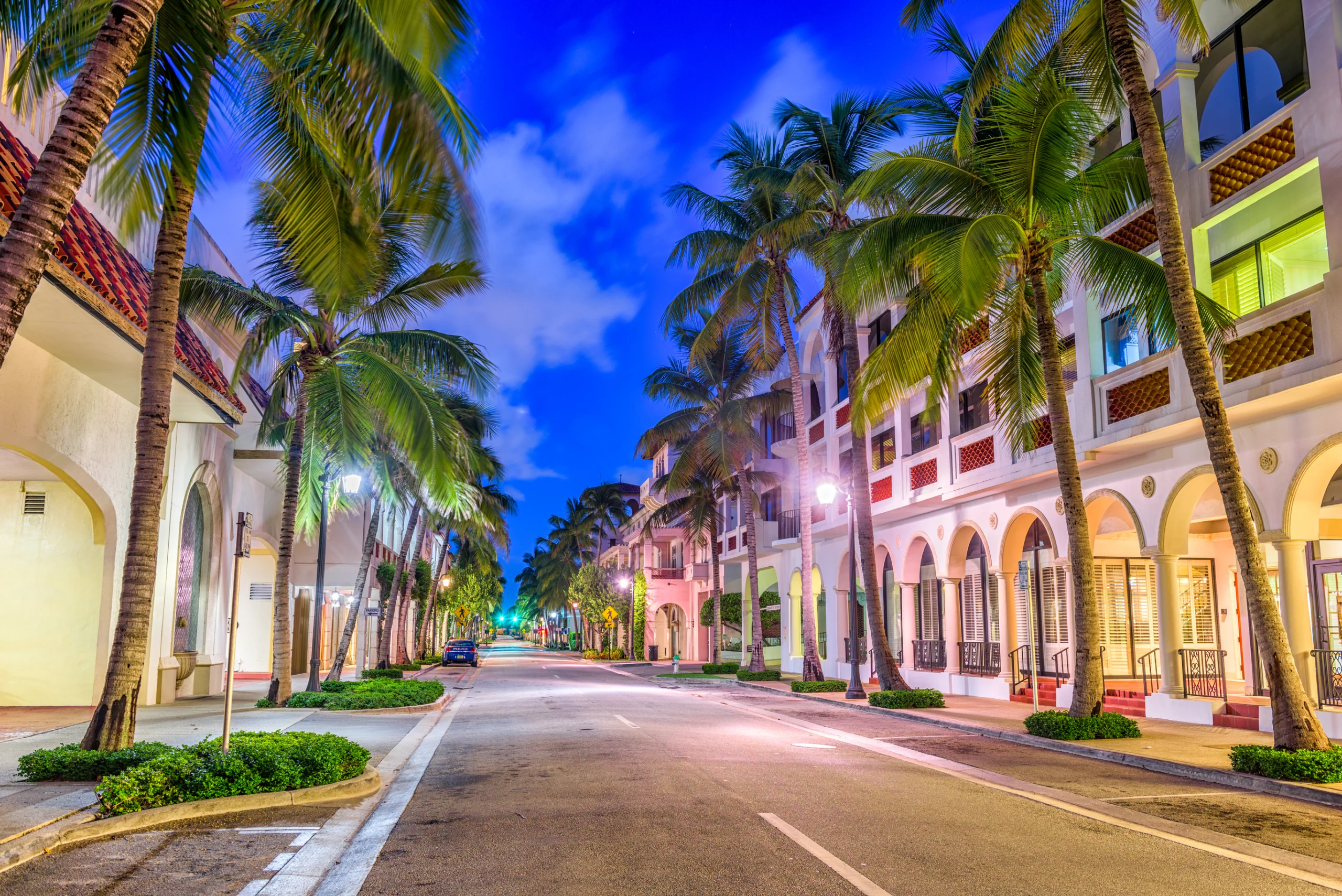
Photo by © Sean Pavone | Dreamstime.com
Fifty miles north of Miami, Palm Beach is Florida yachting at its most refined. Private docks tucked behind high hedges, gleaming white topsides on yachts. The Intracoastal Waterway through Palm Beach County is a destination in itself. Passing through the heart of the island gives you close views of the estates that have defined American wealth for generations. The marinas at Rybovich and Harbour Towne are among the finest in Florida. North of Palm Beach, the Treasure Coast through Stuart, Vero Beach, and the Indian River Lagoon is a less crowded alternative for anyone who prefers nature to nightlife.
“The Treasure Coast is a stretch the guidebooks usually skip,” says Jon Sterling, owner of The Jon Sterling Team and a Florida local. “The Indian River Lagoon gives you protected, no-swell anchoring with manatees and dolphins in plain view much of the time, and ocean access is easy through Sebastian or the Fort Pierce Inlet.”
The Florida Keys
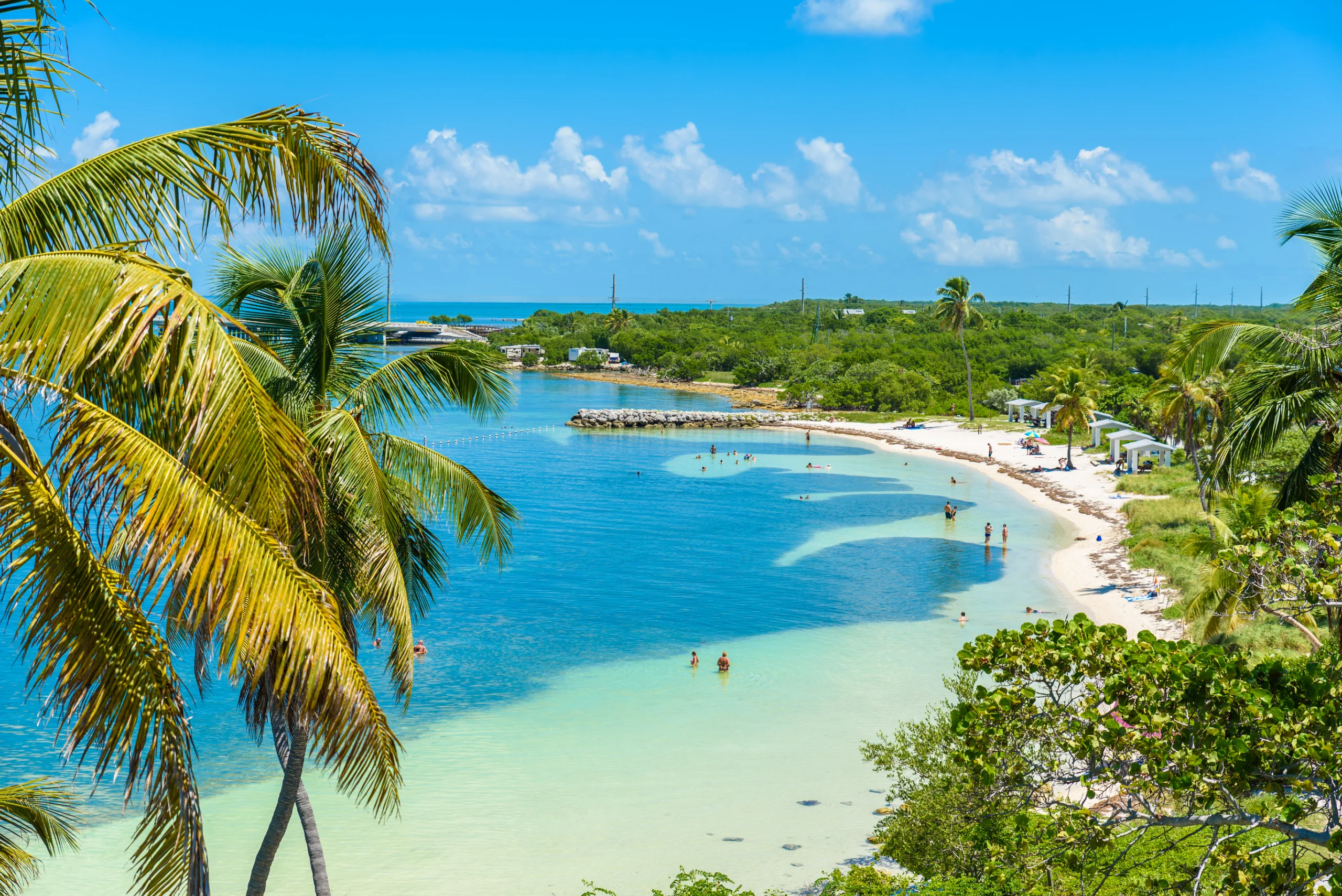
Photo by © SimonDannhauer | Dreamstime.com
The Florida Keys don’t need much of an introduction to anyone serious about yachting. The 125-mile archipelago curving southwest from the mainland to Key West is the defining Florida charter experience, and for a lot of guests it’s simply the finest charter destination in the continental United States. The reef runs parallel to the Atlantic side of the islands, offering some of the best diving and snorkeling in American waters. The Gulf side is shallower, calmer, and better suited to smaller vessels and flats fishing. The string of islands between them provides a natural itinerary you can pace however you like.
Key Largo
Key Largo is the northern gateway and home to John Pennekamp Coral Reef State Park, the first underwater park in the United States. The reef here is exceptional for snorkeling, and even guests who’d rather stay on deck can get out on glass-bottom boat tours. Most charter itineraries treat Islamorada as a quick stop on the way to Key West, but Richard Eisner, Senior Content Specialist at Boataround, recommends a detour worth making: “Just over a mile south of Indian Key, in 18 feet of clear water, sits the San Pedro, a ship from the 1733 Spanish fleet that sank in a hurricane. Tie up to one of the site’s mooring buoys, pair it with the ruins on Indian Key, and you get a full day of history and snorkeling inside a few square miles.” Marathon, at the geographic midpoint, is the practical hub. Boot Key Harbor’s mooring field is one of the largest and most popular in the Keys, provisioning is excellent, and the 7 Mile Bridge is one of the most dramatic pieces of road in America.
Key West
Key West is next. Mallory Square, the Hemingway House, Duval Street, the nightly sunset celebration, fresh stone crab in season, and the deeply idiosyncratic culture of a place that has always done things its own way — it all adds up to one of the most memorable port stops anywhere on the US coast. For charter guests who want to push even further, the Dry Tortugas are 70 miles west of Key West across open water. Fort Jefferson rising from its coral atoll in the middle of the Gulf of Mexico is one of the most extraordinary anchorages in North America.
Tip: Peak season in the Keys runs December through April. Mooring balls and marina slips fill fast, especially in Key West. Book as far in advance as you can and plan to arrive early in the afternoon.
The Gulf Coast
Florida’s Gulf Coast offers a different charter experience from the Atlantic side, and plenty of experienced charterers will tell you it’s the more rewarding one. The water is warmer, the currents gentler, the beaches whiter, the sunsets spectacular, and the pace of life several notches more relaxed.
Tampa Bay and the Surrounding Islands
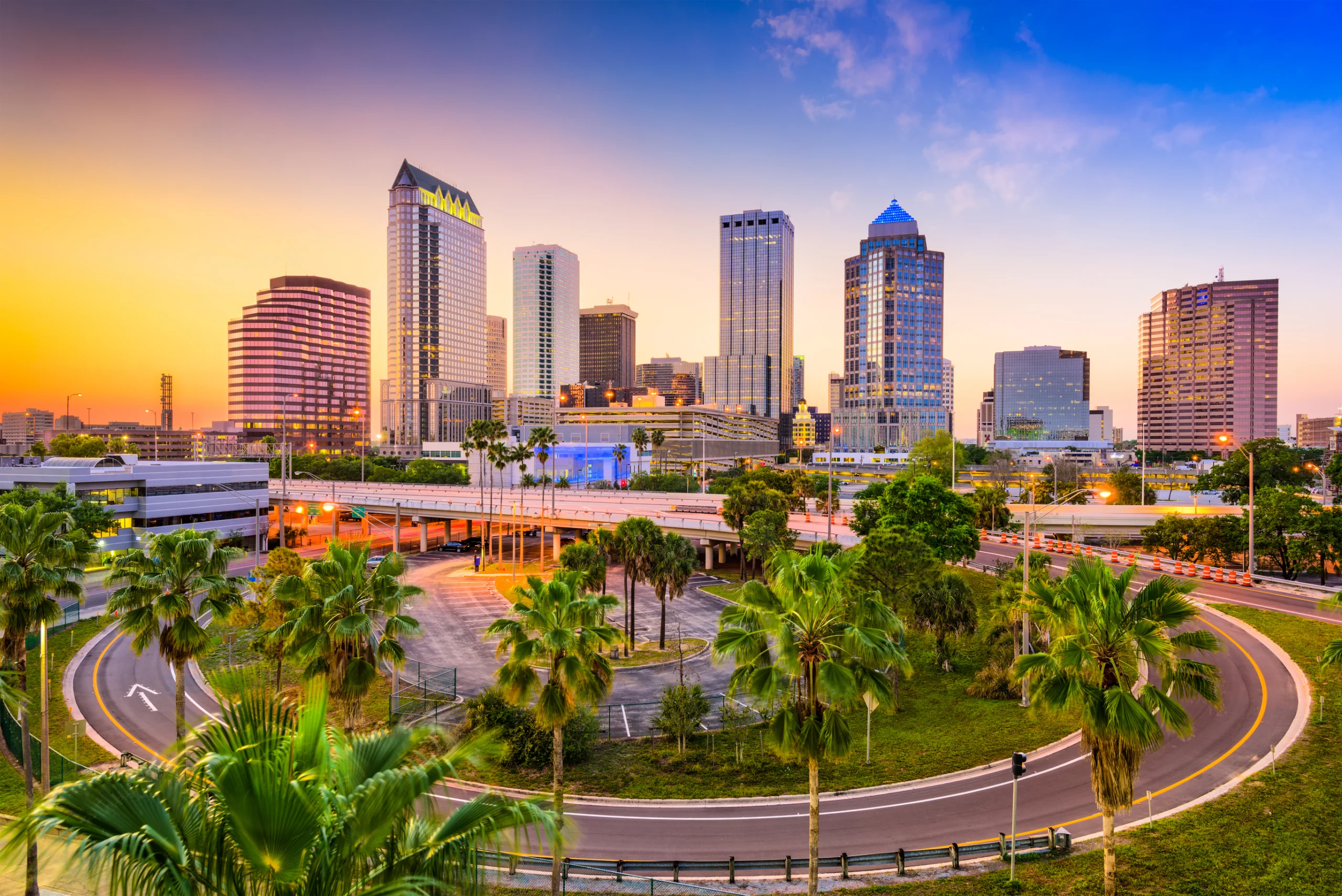
Photo by © Sean Pavone | Dreamstime.com
Tampa Bay is one of Florida’s most underrated charter destinations, especially for families or guests who are newer to the water. The bay’s protected waters make for calm, confidence-building cruising, and the surrounding area punches well above its weight: the cultural and culinary energy of downtown Tampa and St. Petersburg, the wildlife-rich waters of the Manatee River and Terra Ceia Bay, and the barrier island beaches of Caladesi Island State Park, which consistently ranks among the finest beaches in the entire country.
Egmont Key, sitting at the mouth of Tampa Bay, is a particular highlight. Accessible only by water, the island is home to gopher tortoises, great shelling beaches, and the ruins of a 19th-century fort. Anchoring off Egmont Key for a night, with bay traffic passing in the distance and the lighthouse blinking above the palmetto scrub.
Sanibel, Captiva, and Pine Island Sound
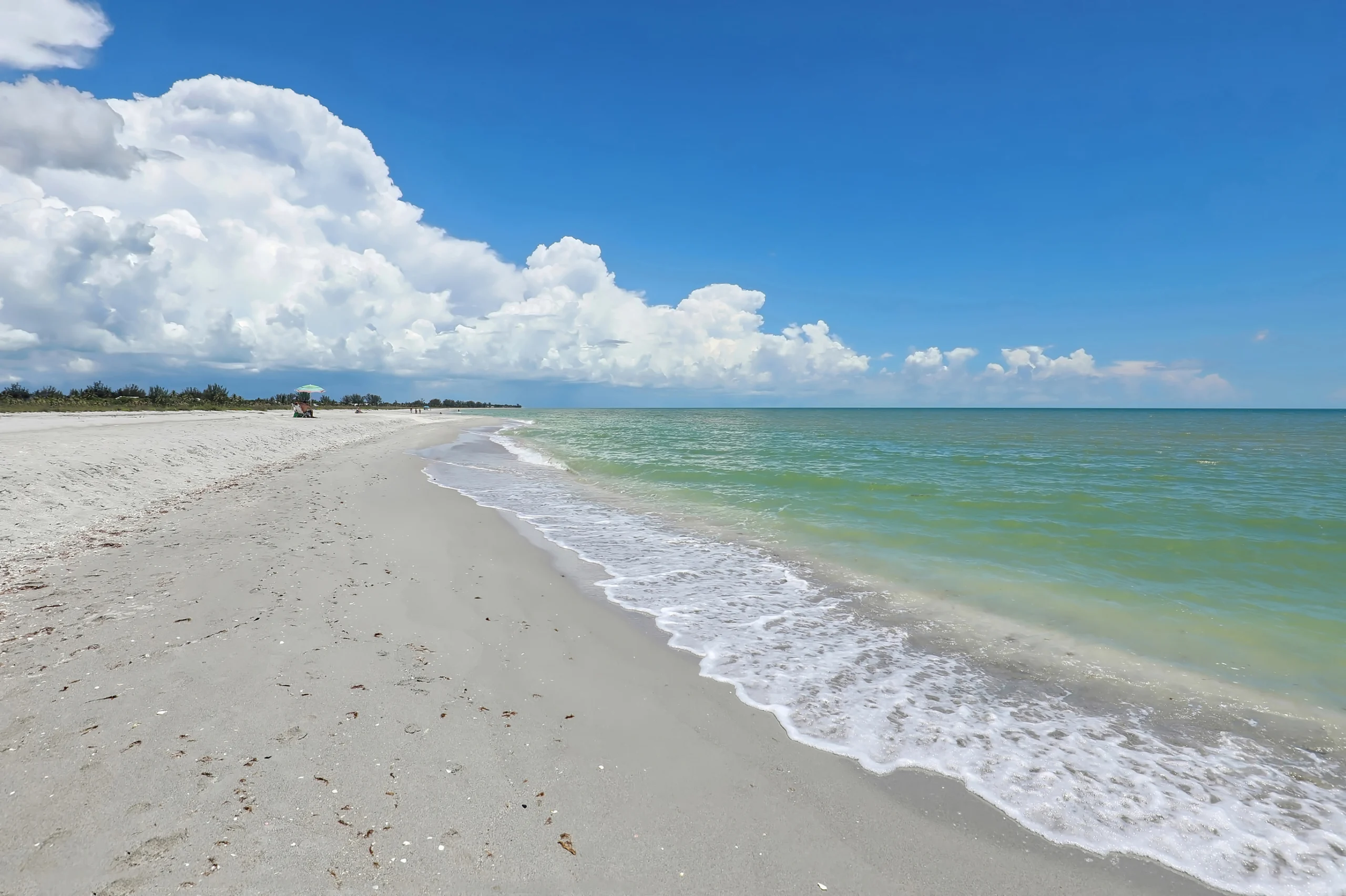
Photo by © Jillian Cain | Dreamstime.com
Further south, the barrier island chain running through Sanibel, Captiva, Cayo Costa, and Gasparilla Island is some of the finest cruising on the entire Gulf Coast. Pine Island Sound — the shallow, protected waterway behind the islands — is calm, warm, and packed with wildlife. Dolphins are a near-constant companion. Manatees show up in the cooler months. And the shelling on Sanibel is world-famous. Cayo Costa State Park, reachable only by water, is the kind of place that reminds you what Florida looked like before the highways arrived: miles of undeveloped beach, a small campground, excellent fishing and snorkeling in the surrounding waters. It’s a mandatory stop for any Pine Island Sound itinerary.
Liubitch highlights another Gulf Coast gem that surprises first-time visitors: “Anna Maria Island still feels like Old Florida. For yacht guests, one of the best-kept local secrets is spending the day between Jewfish Key and Passage Key, where shallow crystal-clear sandbars, abundant wildlife, and uncrowded anchorages create an experience that feels far removed from the busy Florida coastline.”
Naples, Marco Island, and the Ten Thousand Islands
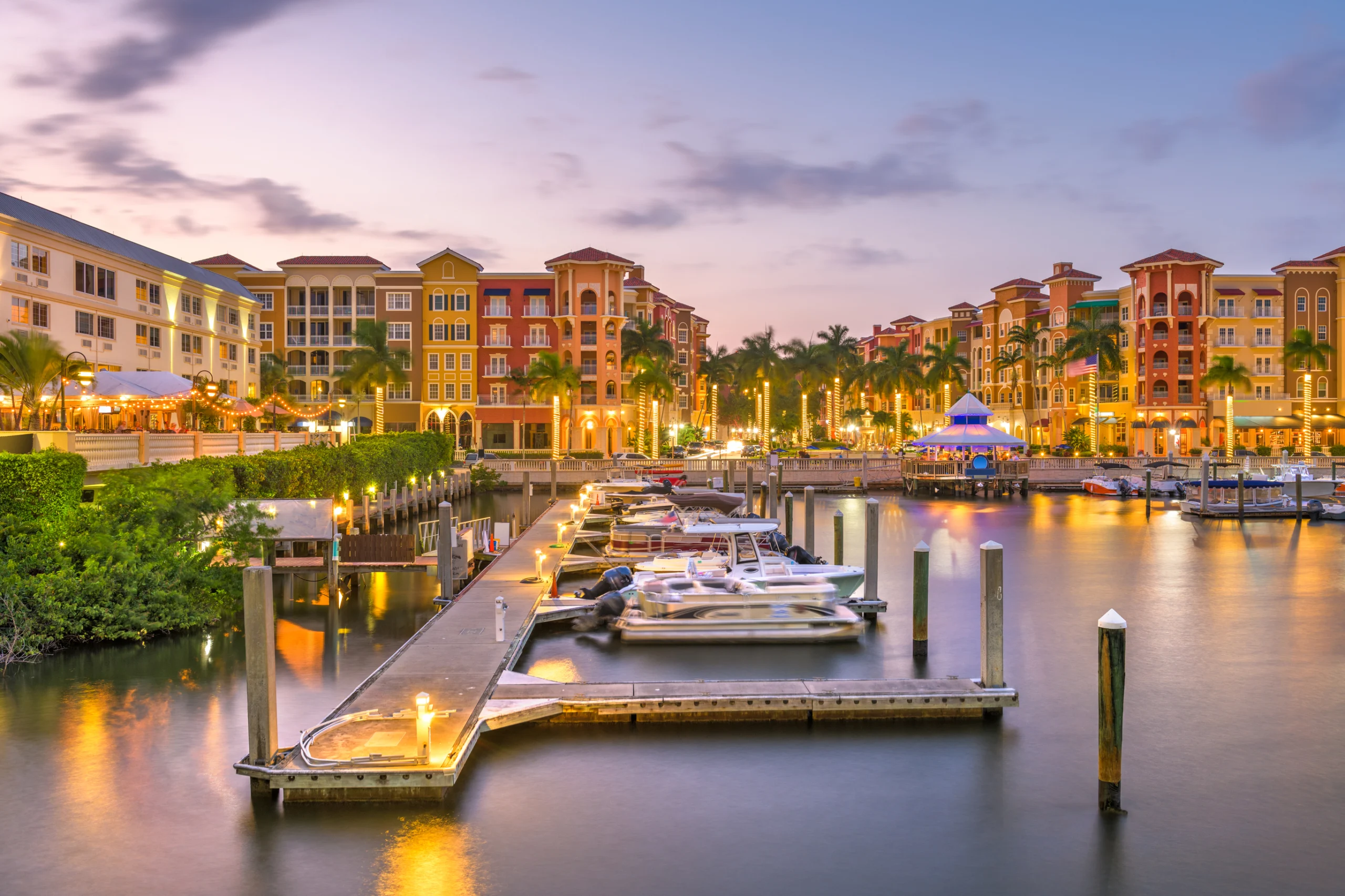
Photo by © Sean Pavone | Dreamstime.com
At Florida’s southwestern corner, Naples anchors a charter area of extraordinary natural drama. The city itself is one of the most sophisticated on the Gulf Coast, with a dining scene that’s long outgrown its beach-town origins, a Fifth Avenue shopping district, and waterways that make for great day and half-day charters. Head south of Naples and you reach Marco Island, the gateway to the Ten Thousand Islands, one of the most remarkable and least-visited marine wilderness areas in North America.
The island is a labyrinth of mangrove-fringed keys, tidal creeks, and shallow bays running along the northwestern edge of Everglades National Park. First-time visitors should treat the charts with respect, and ideally bring a guide. The wildlife here rivals anything in Florida — roseate spoonbills, American crocodiles, bottlenose dolphins, manatees.
Liubitch also points to North Captiva Island as one of the Gulf Coast’s most compelling hidden stops: “It’s one of the closest things Florida has to a private Caribbean-style escape. Accessible only by boat or small aircraft, it offers pristine white-sand beaches, remarkably clear water, and a sense of seclusion that’s increasingly difficult to find in South Florida.”
The Emerald Coast
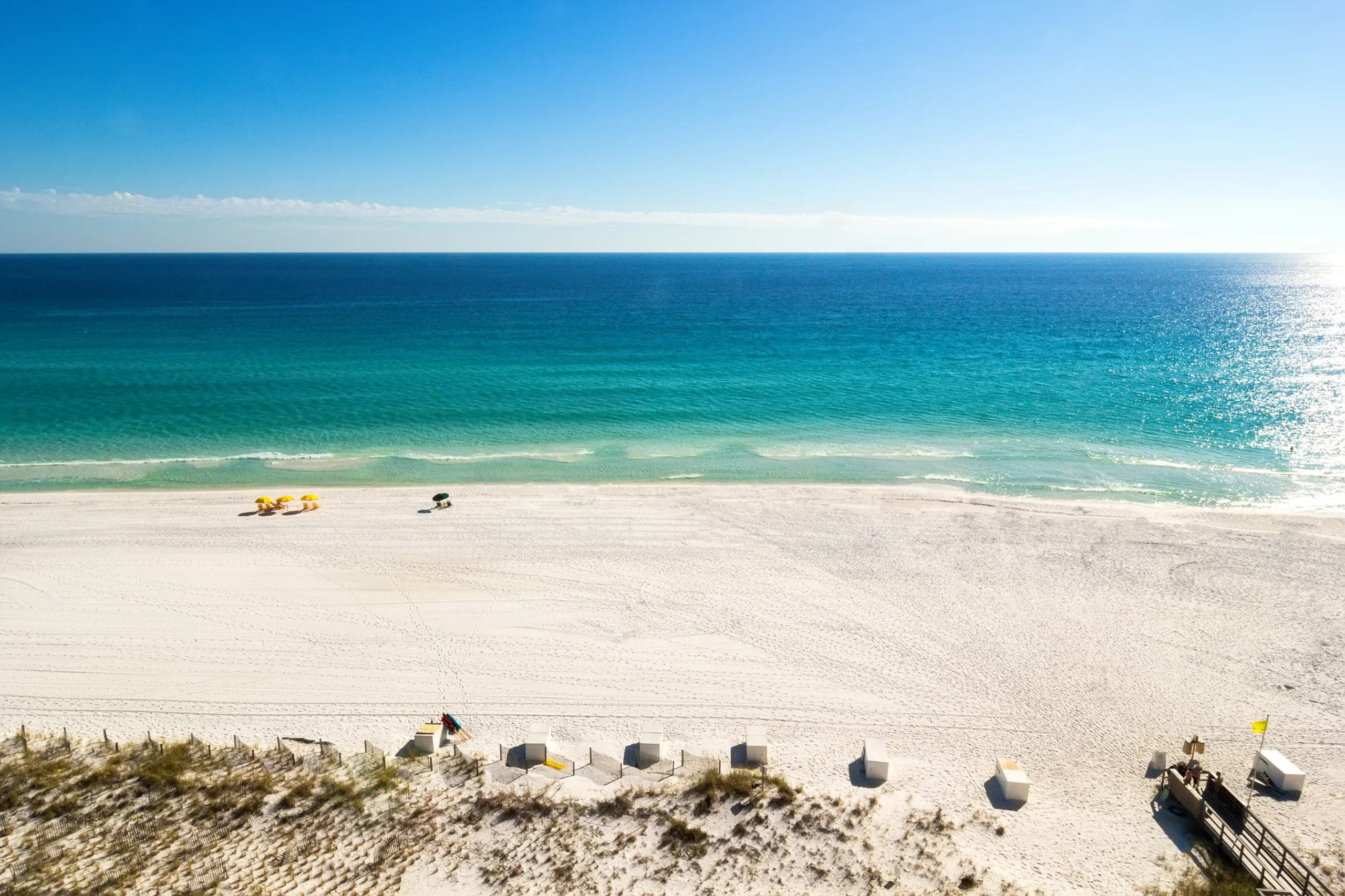
Photo by © Ruth Peterkin | Dreamstime.com
Up in the Florida Panhandle, the stretch of Gulf Coast centered on Destin—taking in Pensacola, Fort Walton Beach, and Panama City Beach—is called the Emerald Coast, and the name earns its keep. The water turns a distinctive green-blue here, the result of unusually white quartz sand that originated in the Appalachian Mountains and made its way south.
Charter activity up here is more seasonal than in South Florida, with peak conditions running from late spring through early fall. The fishing is exceptional (offshore for amberjack, grouper, and red snapper; inshore for redfish and speckled trout). And Crab Island, a submerged sandbar just off Destin’s East Pass, has become a legendary summer gathering spot: boats of every description rafted together in a floating party that is uniquely, exuberantly Floridian. You have to see it at least once.
When to Go
Florida rewards year-round yachting, but timing is key.
December through April is peak season on both coasts. The Keys and Gulf Coast offer the most reliable conditions, winter cold fronts bring brisk, clear sailing days, and temperatures hover comfortably in the low-to-mid 70s.
May and June are a great sweet spot with uncrowded conditions, warm water, and lower charter prices before the summer heat settles in. The Gulf Coast, in particular, really shines in spring.
July through September is warm and humid, with afternoon thunderstorms a daily possibility. Hurricane season runs June through November; serious charter operators monitor the tropics closely and build contingency planning into their itineraries.
October and November bring decreasing humidity, still-warm water, and the first hints of the winter season that makes Florida’s yachting grounds so compelling in the first place.
More articles

Ready to set sail?
Discover the perfect yacht charter for you — effortlessly with Yacht.com.


