Japan’s Yaeyama Islands: The Remote Archipelago Redefining Luxury Yacht Charters
Tropical, untamed, and culturally rich: the Yaeyama Islands are an emerging yachting paradise worth discovering before the rest of the sailing world catches on.

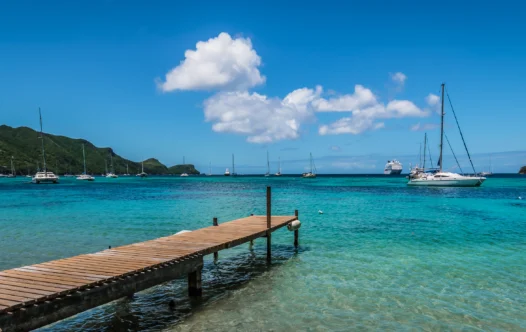
The Yaeyama Islands are roughly 250 miles from Okinawa Island, closer to Taiwan than the Japanese mainland. The remote archipelago consists of 23 named, large and small subtropical islands, 11 of which are populated, including the main islands of Ishigaki, Iriomote, Taketomi, and Yonaguni. Fringed by white sand beaches, coral reefs, and turquoise seas, they feel as if they’re worlds away from the hustle and bustle of Tokyo. While they’ve remained blissfully under the radar among the majority of the international yachting crowd, that’s beginning to change.
Yachters and charter companies are increasingly recognizing the region as one of Asia’s most exciting emerging island-hopping destinations, typically starting from Ishigaki, the main transport hub. With warm weather year-round, world-class diving, spectacular sunsets, and exceptional seafood, it’s easy to see why this island chain is poised to become the next major yachting hotspot.
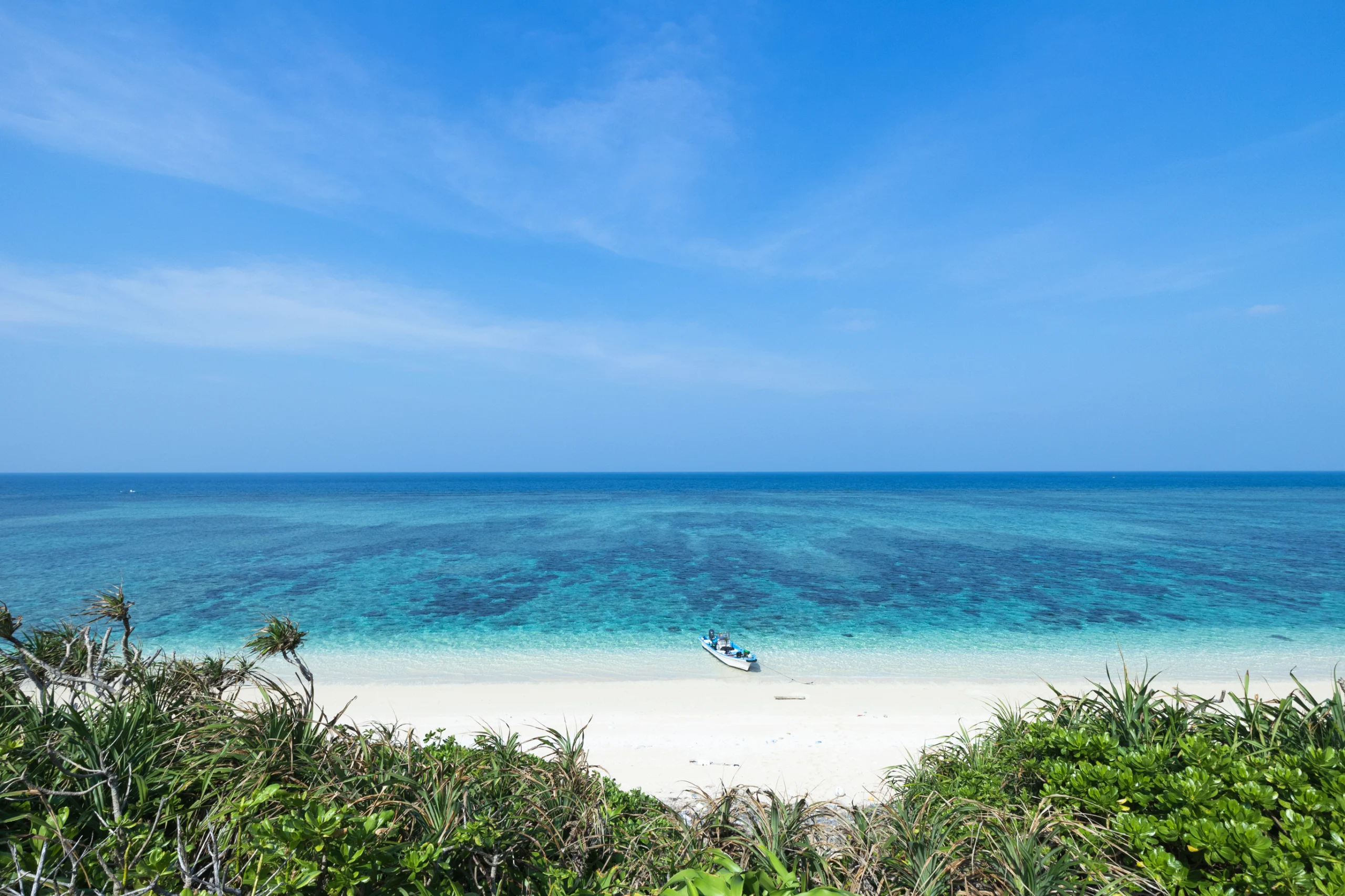
Photo by © Ippeito | Dreamstime.com
Sailing the Yaeyamas: What to Expect on the Water
The subtropical climate of the Yaeyama Islands allows for comfortable, year-round warm-weather cruising, with many protected harbors and uncrowded anchorages. The very best sailing is in the spring (March through May) and autumn (October and November), with pleasant temperatures ranging from around 70°F to 82°F.
Between June and September, the average temperatures are around 88°F to 91°F, ideal for island-hopping and spending more time in the water. However, summer coincides with the typhoon season, making it essential to keep a close eye on the forecast. In the winter, when strong, cold north winds blow in, sailing can be rough, which means many charter companies limit routes or pause operations altogether.
Coral Reefs, Manta Rays, and the Famed Yaeyama Blue
The Yaeyama Islands are scattered like jewels across the East China Sea in shades ranging from pale turquoise to deep cobalt and brilliant emerald green, a stunning gradient often referred to collectively as “Yaeyama Blue.” It’s a dramatic contrast of landscapes with lush jungles and mangrove forests blanketing islands like Iriomote, with waterfalls and rivers meandering through. Smaller islands such as Taketomi are renowned for their tranquil beaches, traditional villages, and star-filled nights. The region is home to internationally recognized Dark Sky Reserves, providing unmatched, light-pollution-free skies.
Yachters can also discover fantasy-like white sandy beaches and pristine coral reefs. Yaeyama is internationally renowned for its remarkable water clarity, thanks to the conservation efforts within Iriomote-Ishigaki National Park. A breathtaking underwater world waits for world-class diving and snorkeling among abundant marine life, including tropical schools of fish, manta rays, and sea turtles. Dolphins and whale sharks can also be spotted too.
Off the coast of Yonaguni Island, the westernmost in the archipelago, is the mysterious Yonaguni Underwater Ruins or “Japanese Atlantis,” as some researchers believe it’s an ancient, man-made city.
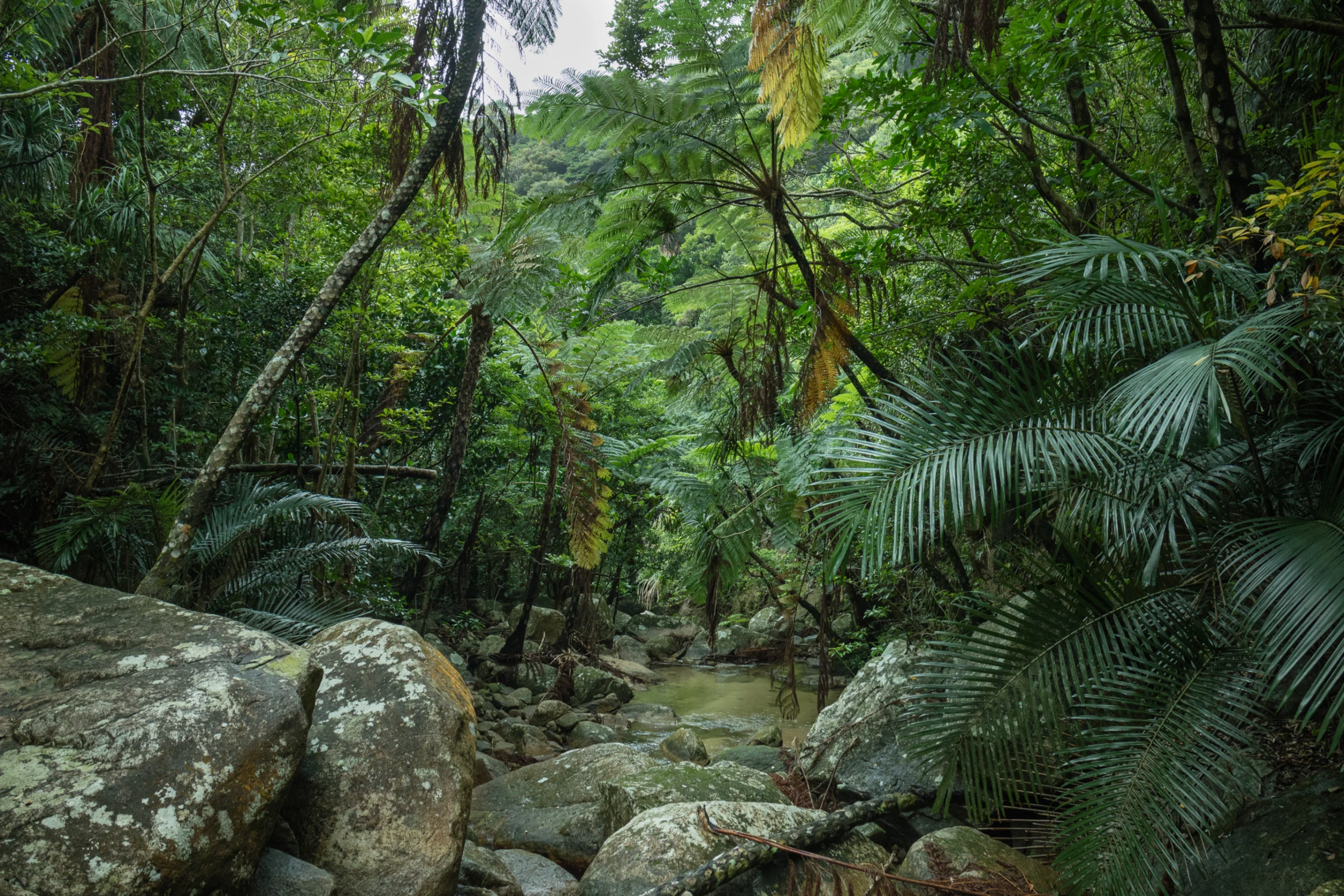
Photo by © Ippeito | Dreamstime.com
Wildcats, Flying Foxes, and Night-Blooming Flowers
Not only is there a wealth of marine life, but there are also many animals to observe on land. As many of the isolated islands drifted from the Asian continent, they evolved unique ecosystems with endemic species not found anywhere else in Japan, including the critically endangered Iriomote wildcat and rare migratory birds. The islands are teeming with Yaeyama flying foxes and giant coconut crabs. A birdwatcher’s haven, everything from the majestic Crested serpent eagle to the Ryukyu Scops owl can be spotted too.
To observe these creatures respectfully without disturbing their delicate habitats, visitors can book guided adventures, including jungle walks, with local eco-tourism operators.
The subtropical ecosystem is also home to vast mangrove forests and rare coastal flora. Some of the most notable include the Yaeyama Palm (Satakentia liukiuensis). A graceful, towering palm, it’s endemic to just the Iriomote and Ishigaki islands. Sagaribana (Barringtonia racemosa), often referred to as Iriomote’s “cherry blossoms,” are trees that produce magnificent white and pink blossoms. They can only be seen in bloom at night, dropping their flowers by sunrise, an impressive but fleeting viewing experience. Finally, the Adan, a classic pandanus tree, produces large, pineapple-like fruit that’s adapted to the coastal sea breezes.
Ryukyu Roots: The Living Culture of the Yaeyama Islands
Unique cultural experiences rooted in island traditions, indigenous spirituality, and the former Ryukyu Kingdom can be enjoyed in the Yaeyamas. In Ishigaki’s Yaima Village, visitors can be immersed in authentic folk culture by dressing in traditional Ryukyuan attire, baking Okinawan doughnuts known as sata andagi, and painting shisa statues.
There are also traditional Tubarama folk songs and sanshin music performances at cultural centers and local restaurants. Wander through well-preserved indigenous villages on Taketomi Island, known for their low, red-tiled roofs and coral-sand roads. Specialized female-led cultural walks are available in the remote villages of Hoshidate and Sonai, home to 150-year-old thatched roof huts and ancient shrines.
If you plan to sail during the Bon Festival, held in mid-August (based on the lunar calendar), you can witness local traditions such as the masked spirit dances (Angama) and the lively Eisa folk performances, where families honor visiting spirits and celebrate together.
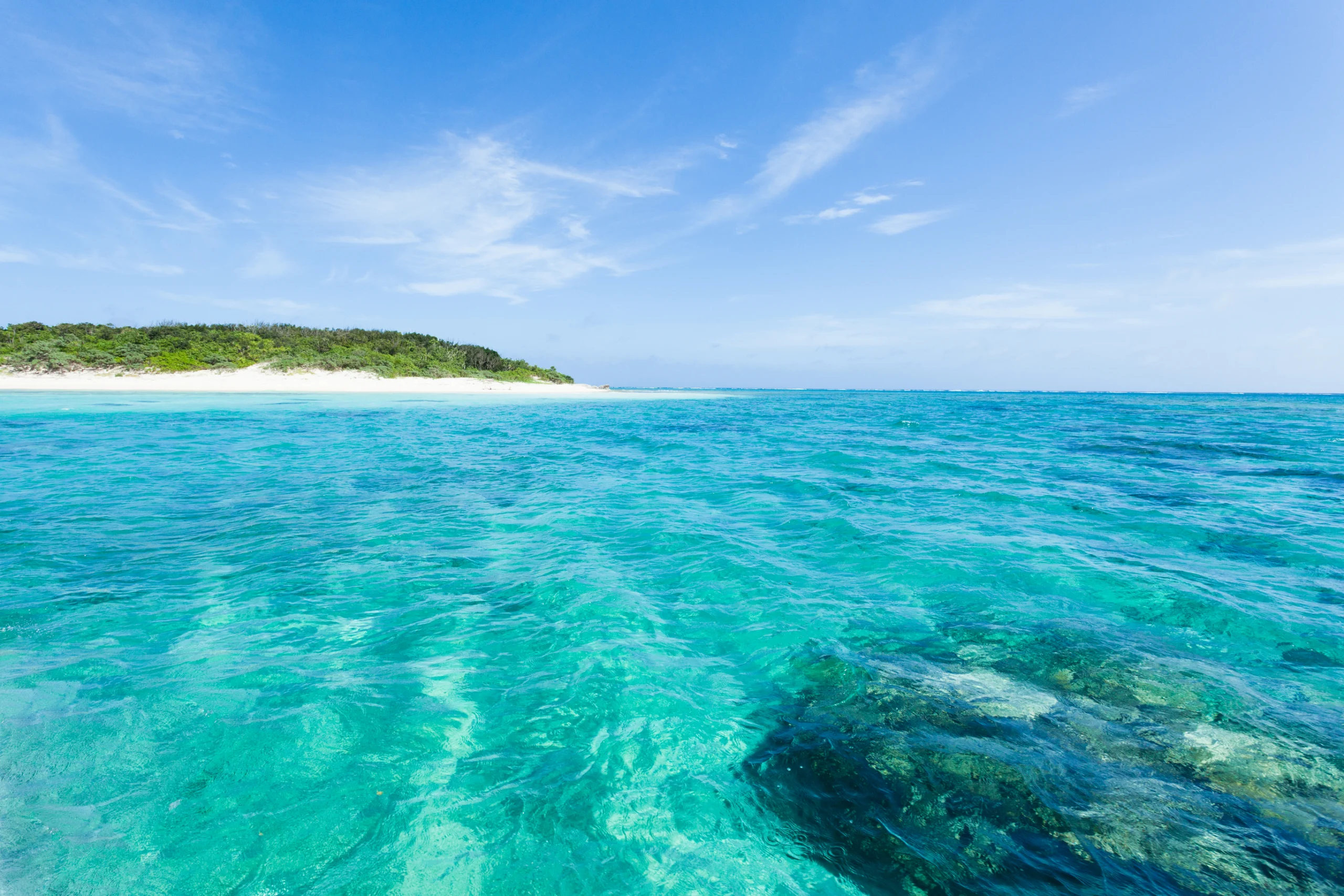
Photo by © Ippeito | Dreamstime.com
A 7-Day Yaeyama Islands Yacht Itinerary
If the Yaeyama Islands sound intriguing, you’ll want to get to know some of the top itinerary options. Most start with a flight from mainland Japan, with direct, three-hour flights available from Tokyo and other major cities to New Ishigaki Airport (ISG), the archipelago’s main transportation hub. If you’re already touring the main island of Okinawa, there are frequently one-hour direct flights from Naha to Ishigaki.
Insider tip: Spend some time in Naha before or after your yacht trip to soak up history and culture at the Karate Kaikan museum and the 14th-century Shuri Castle. There’s also a small swimming beach just a 15-minute walk from Kokusai-dori or the Yui Rail.
Day 1: Ishigaki Island
Spend time relaxing on a white sandy beach along Kabira Bay, with brilliant, crystal-clear turquoise waters. It’s one of the most scenic places in the region, while home to the only black pearl farms in Japan. Swimming isn’t permitted due to the pearl cultivation, but there are glass-bottom boat tours that provide a peek at the underwater life. Yonehara Beach is one of the best for snorkeling and diving.
Learn more about the culture and history of the islands at the Yaeyama Museum. It displays traditional clothing, pottery, wooden canoes, and more. One of the top attractions is the Ishigaki Yaima Village, a collection of relocated Yaeyama-style residences. Traditional song and dance performances take place several times a day, and there’s also a squirrel monkey park, a mangrove area, a restaurant, and a souvenir shop.
Day 2: Iriomote Island
Nearly 90 percent of Iriomote Island is undeveloped, covered by mangrove forests and dense jungle. The most popular activities are hiking to the over 180-foot-high Pinaisara Falls and kayaking the Nakama River to the mangroves. While catching sight of a nocturnal Iriomote wildcat is unlikely, with only about 100 surviving today, your best bet is to join a night tour. Rare wildlife like Ryukyu wild boars and coconut crabs are often spotted after dark. The island is also a top diving destination, especially at Manta Way, where schools of manta rays gather in the spring and summer.
Day 3: Taketomi Island
Taketomi is home to a traditional Ryukyu village that’s well worth exploring, with red-tiled roofs, lion-like shisha statues for warding off evil spirits, and coral stone walls. Bicycles can be rented to ride to Kaiji Beach, famous for its star-shaped sand. If you anchor off the west coast, you can look forward to a breathtaking sunset over the Pacific.
Day 4: Kohama and Barasu Islands
Kohama Island is just a short distance from Taketomi. Anchor in the protected harbor and then hop in a tender to the tiny, uninhabited atoll of Barasu, with pure white coral surrounded by crystal-clear emerald water. It’s the perfect spot for snorkeling among sea turtles. Back on Kohama, you might rent an e-Bike to ride the iconic Sugar Road. From the island’s highest point, the 325-foot-high Mount Ufudaki, an observatory deck provides a 360-degree view of neighboring islands, including Ishigaki and Iriomote.
Day 5: Hatoma and Kuroshima Islands
The tiny island of Hatoma is renowned for its stunning, crystal-clear lagoon with what’s often referred to as “Hatoma Blue” waters. Drop anchor here and tender over to one of the peaceful white sand beaches. The surrounding reef areas are ideal for snorkeling with magnificent coral gardens, sea turtles, and all sorts of other marine life. The island’s interior is home to lush jungles with rare butterflies. At the center, you’ll find the Hatoma Nakamori Observatory, providing panoramic views of the lagoon and surrounding islands.
Kuroshima Island, about 12 nautical miles away, is often referred to as “Turtle Island,” with shallow waters inhabited by resident sea turtles. Anchor off the western or northern coast for a remote night under a canopy of stars.
Day 6: Hateruma Island
Hateruma is the southernmost inhabited island, a secluded paradise that’s best explored by renting a scooter or bicycle. Swimming at Nishihama Beach is unforgettable, with chalk-white sand and surreal turquoise waters for snorkeling and viewing corals right offshore. The peaceful, traditional village of the same name is known for its coral stone walls and red-tiled roofs. Be sure to sample the signature Awanami, a rare and highly prized local Okinawan liquor produced exclusively on Hateruma.
After dark, stargazing is a must. This is one of the only places in Japan where you can see the Southern Cross constellation with the naked eye.
Day 7: Return to Ishigaki Island
The open ocean crossing between Hateruma and Ishigaki is about 30 nautical miles. You might want to stop for lunch and a swim or snorkel off the shores of Taketomi or Kohama to break up the journey.
More articles

Ready to set sail?
Discover the perfect yacht charter for you — effortlessly with Yacht.com.


