Why the Azores Is the Next Great Yacht Charter Destination
Lush, volcanic, serene: the Azore Islands are a nautical haven worth discovering before everyone else does.

Located about midway between the U.S. and the Portuguese mainland, the Azores are made up of nine major islands that have somehow managed to remain relatively untouched by mass tourism. But the archipelago, divided into three main groups, is emerging as a premier destination for an island-hopping yacht charter. The most popular one-week itineraries are typically focused around the Central Group (São Jorge, Pico, Faial, Graciosa, and Terceira), followed by the Eastern Group (São Miguel, Santa Maria, and the Formigas islets).
With dramatic volcanic landscapes, brilliant greenery, some of the world’s best whale watching, and opportunities for a wide range of outdoor adventures, the Azores is practically guaranteed to become the next yachting hotspot. I fell in love with the place on my first visit, and there are many reasons you probably will too.
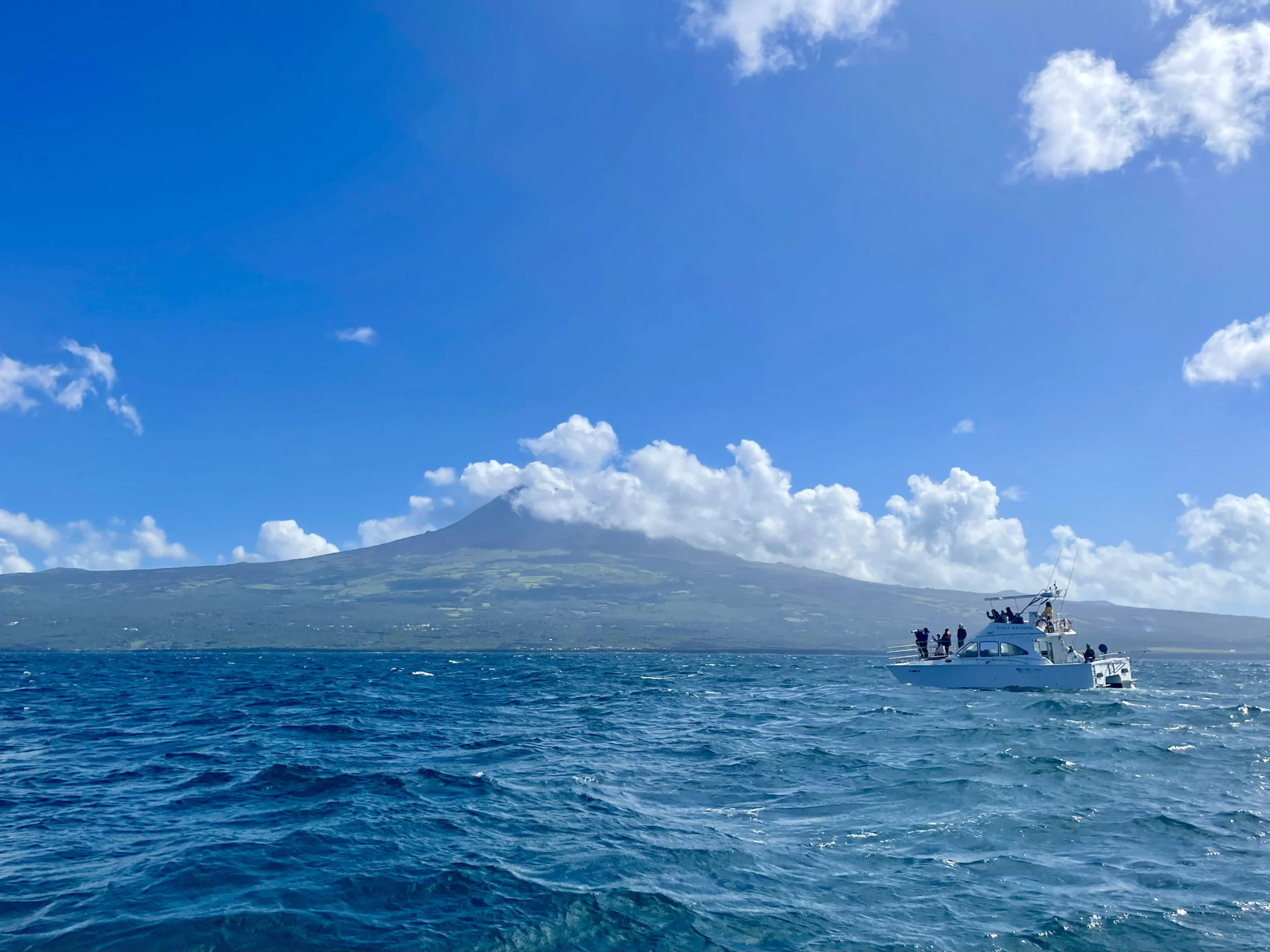
Photo courtesy of KC Dermody
The Sailing Conditions
The sailing conditions in the Azores, particularly during the main season from May through September, are excellent. Positioned in the North Atlantic, the islands benefit from steady tradewinds, often with 8 to 12 knots, moderate swells, and more consistent weather patterns. Temperatures range from 66 to 79 degrees, peaking in July, August, and September. Visibility is often outstanding, with a lower risk of fog, bringing more opportunities for spectacular views of the dramatic volcanic coastlines. Still, the archipelago retains its sense of adventure as the weather can quickly change, adding to the appeal for many. It strikes a rare balance between reliability and wild, untamed beauty.
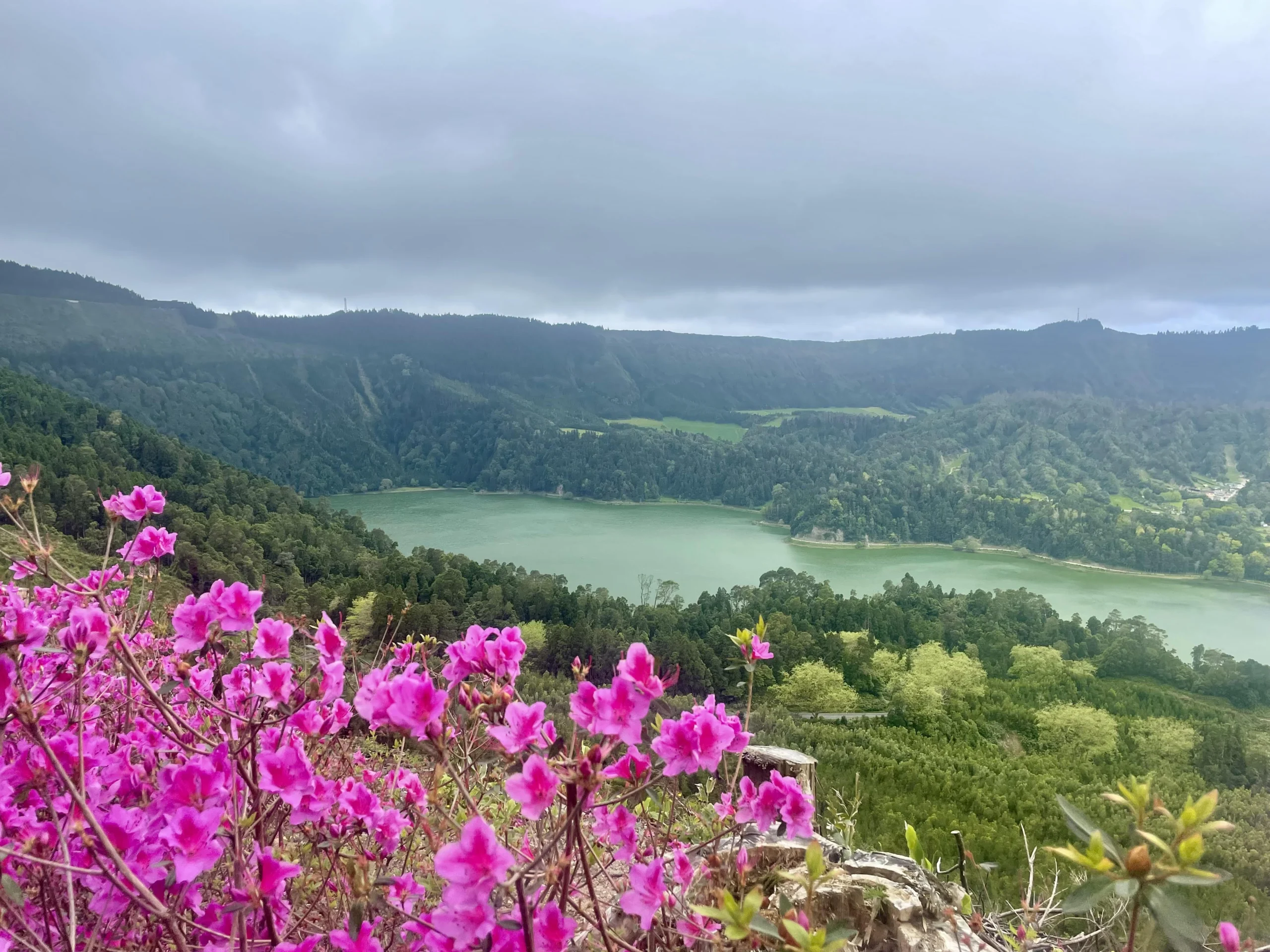
Photo courtesy of KC Dermody
Unrivaled Natural Beauty and Adventure
Speaking of beauty and adventure, as the “Hawaii of the Atlantic,” yachters can discover everything from black sand beaches and lakes set within a vast caldera to lush rolling hills blanketed with hydrangeas, and UNESCO-listed volcanic vineyards rising from hardened lava. Toss in natural hot springs and waterfalls that cascade into the ocean, for an enticing mix of practically surreal beauty.
Adventurers will have an endless array of activities to enjoy, including unique experiences like diving at the Capelinhos volcano on the western coast of Faial, formed by a submarine eruption that added new land, creating a lunar-like landscape. You’ll want to explore more inland too, with incredibly scenic trails throughout the islands. The most popular treks include climbing Mount Pico, the highest peak in Portugal at 7,713 feet in height, along with multiple routes that circle crater lakes like Sete Cidades. It’s also possible to explore lava tubes formed by ancient eruptions, kayak inside calderas, and swim in ocean pools that were carved from basalt.
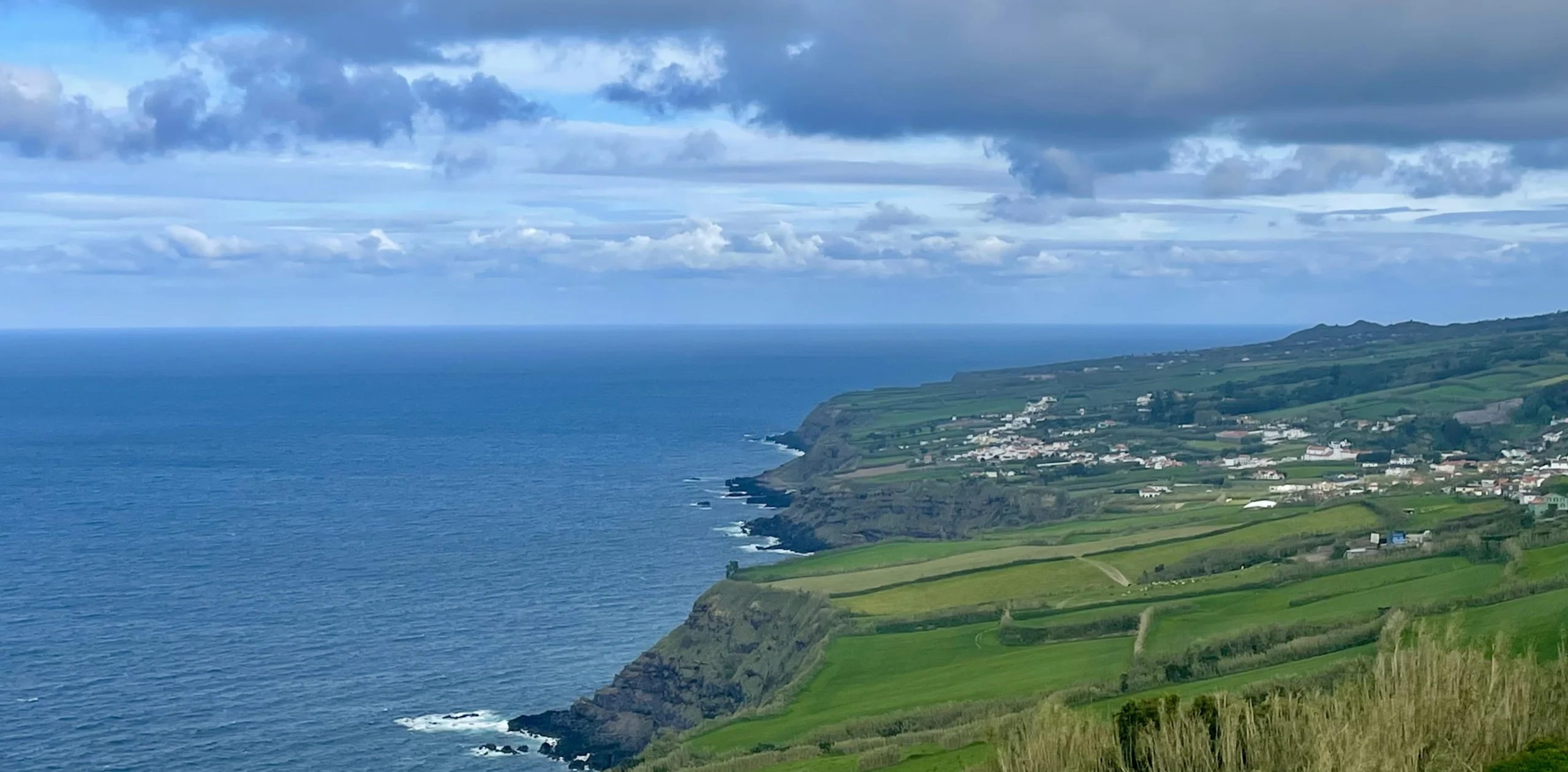
Photo courtesy of KC Dermody
Whale Watching
While whale watching does fall under “outdoor adventure,” here in the Azores, it deserves a category of its own as one of the world’s best places for the activity. Thanks to the rich marine ecosystems and deep waters surrounding the islands, there are over 20 different cetacean species that have been recorded here. Sperm whales are the most commonly seen, as they’re year-round residents. In the spring, migratory giants can be spotted too, including fin whales, sei whales, and blue whales, the largest animal on the planet, reaching lengths of up to 100 feet. Sightings of humpback whales and orcas are also possible.
If you like dolphins, you’ll be in your element too. While sailing the Azores, playful pods of common dolphins, bottlenose dolphins, and Atlantic spotted dolphins frequently accompany boats. Be sure to keep an eye out for the very social Risso’s dolphin, known for their “smiling” faces, that are sure to put a grin on yours.
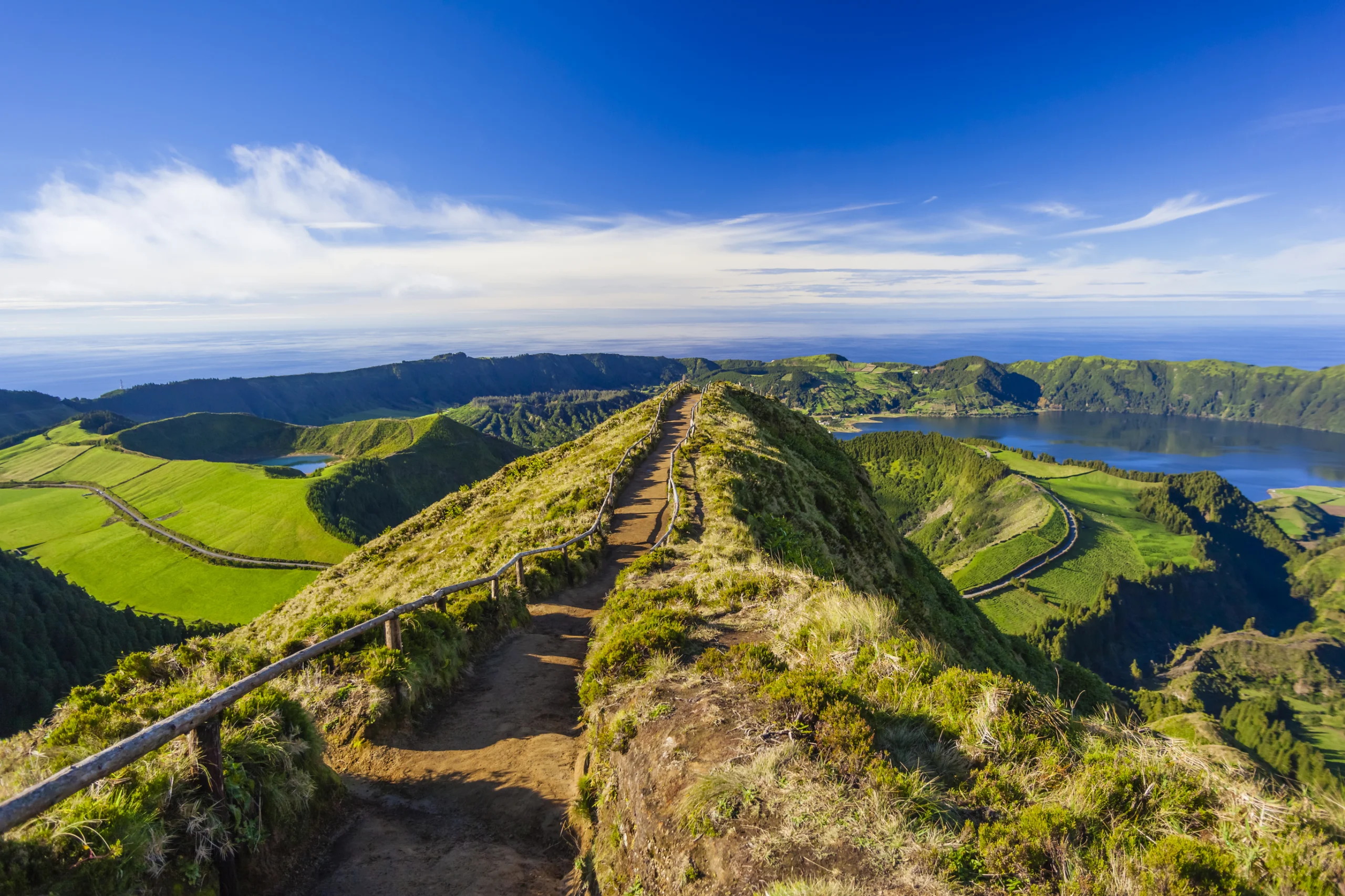
Photo by © Dieniti | Dreamstime.com
Cultural Experiences
When you want to step onto land and immerse yourself in the local culture, you’ll find plenty of opportunities to do so. Cultural experiences in the Azores have been shaped by the volcanic landscape, seafaring history, and community traditions.
Just a few of the major festivals you might want to plan your yachting trip around include São Miguel’s Santo Cristo dos Milagres, held on the fifth Sunday after Easter (usually in May). It includes grand processions that take place in the main town of Ponta Delgada. In June, the island hosts the Festas de São João in Ponta Delgada and Vila Franca do Campo, featuring music, traditional dancing, and parades. Also in June is one of the largest parties in the archipelago: the 10-day Sanjoaninas festival in Angra do Heroismo on the island of Terceira. In August, Faial celebrates the sea at the Semana do Mar festival, with maritime activities and concerts.
Visitors can also explore thriving artisanal heritage through Azorean embroidery. It’s much more than a decorative art, representing the islands’ deep cultural legacy that dates to the 19th century. Influenced by mainland Portuguese traditions, it’s been adapted to the Azores’ unique character and has become an important symbol of the archipelago. If you decide to buy a piece, be aware that the certification of Azorean embroidery guarantees authenticity and the preservation of both sustainable practices and traditional methods, not to mention supporting the artisans who continue the craft.
Gastronomy
The Wine
One of the Azores’ most unique highlights is its volcanic gastronomy. Vineyards play a fundamental part, with the wine culture deeply intertwined with the culinary scene. There is no island more renowned for its vineyards than Pico. Its wine has a distinct style that’s been shaped by vines grown in volcanic rock. Recognized as a UNESCO-listed landscape, the vines are grown in small plots that are protected against salt spray and strong Atlantic winds by low basalt stone walls. The environment produces mineral-rich wines, particularly from the Verdelho grape. Visitors can explore the vineyards on foot while learning about the traditional cultivation methods and enjoy tastings at the local wineries, often complemented by regional cheeses.
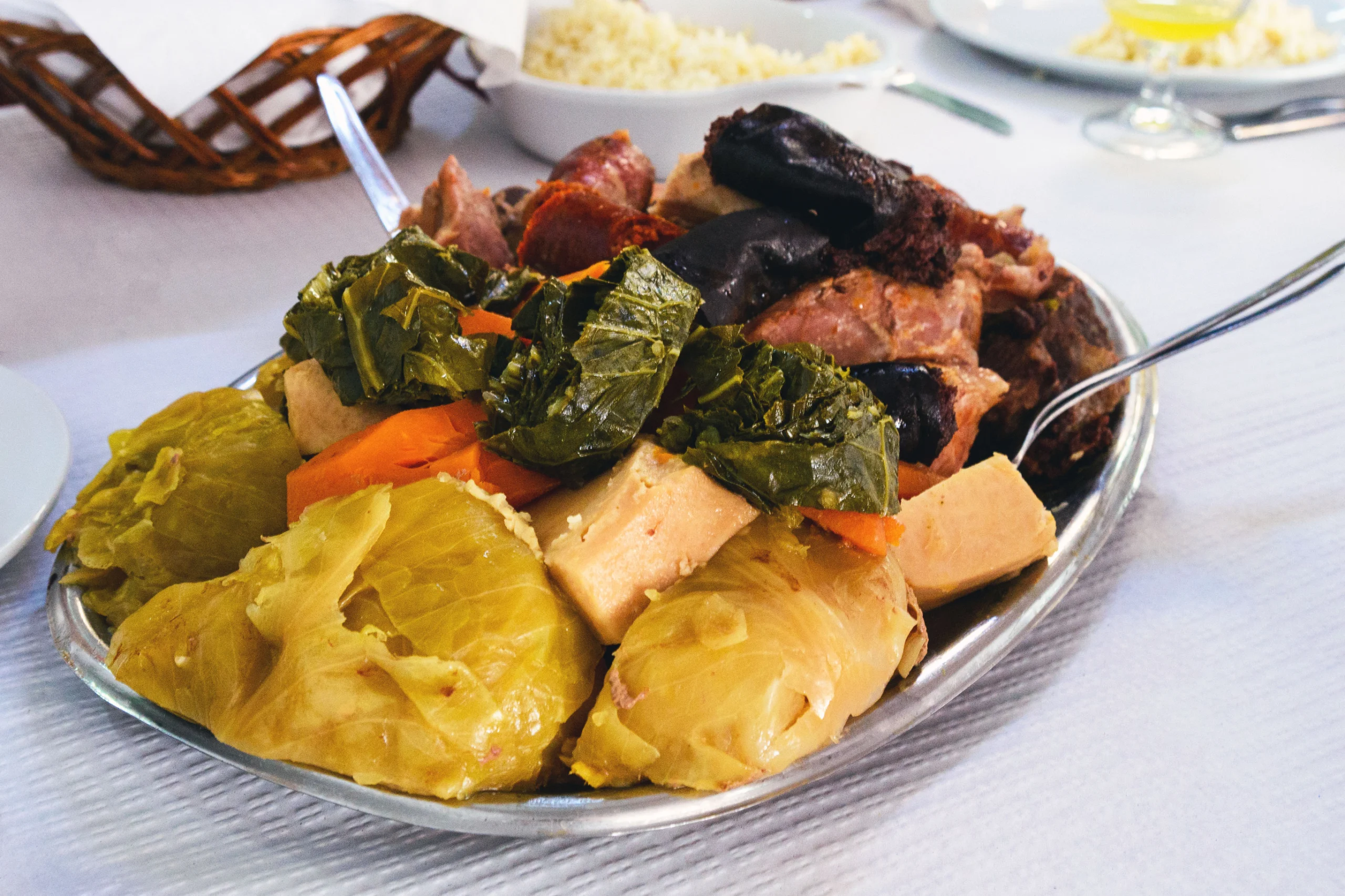
Photo by © Larysa Lyundovska | Dreamstime.com
The Signature Azorean Dish
There is no dish more famous in the Azores than cozido das Furnas, a stew slow-cooked underground using the natural heat of the earth. Made in the geothermal grounds of Furnas Valley on São Miguel Island, it’s prepared in large pots filled with hearty ingredients like pork, beef, chicken, chorizo, blood sausage, cabbage, carrots, potatoes, and sometimes sweet potatoes or taro. In case you’re wondering, the answer is yes: taro is grown here and serves as a staple similar to how it’s used in Hawaii. But back to how the stew is made – the sealed pots are buried in the volcanic soil near hot springs and left to cook for several hours. It gently simmers thanks to the underground steam and heat, resulting in a rich, tender stew with subtle earthy flavors.
The quintessential must-try meal in the Azores, cozido das Furnas, provides a true taste of the volcanic landscape and its centuries-old culinary tradition, best enjoyed with a glass of Pico wine, of course.
Other Must-Try Azorean Foods
Beyond the stew and wine, there’s plenty of fresh seafood that comes straight from the surrounding Atlantic, including lapas, or limpets. This seafood specialty is usually served grilled on a hot skillet with a buttery, garlic, and red pepper sauce. São Jorge Island produces the famous Queijo de São Jorge cheese, a firm, spicy cow’s milk cheese aged for months. Don’t miss the Azorean pineapple either. Grown in greenhouses, it’s small but incredibly sweet.
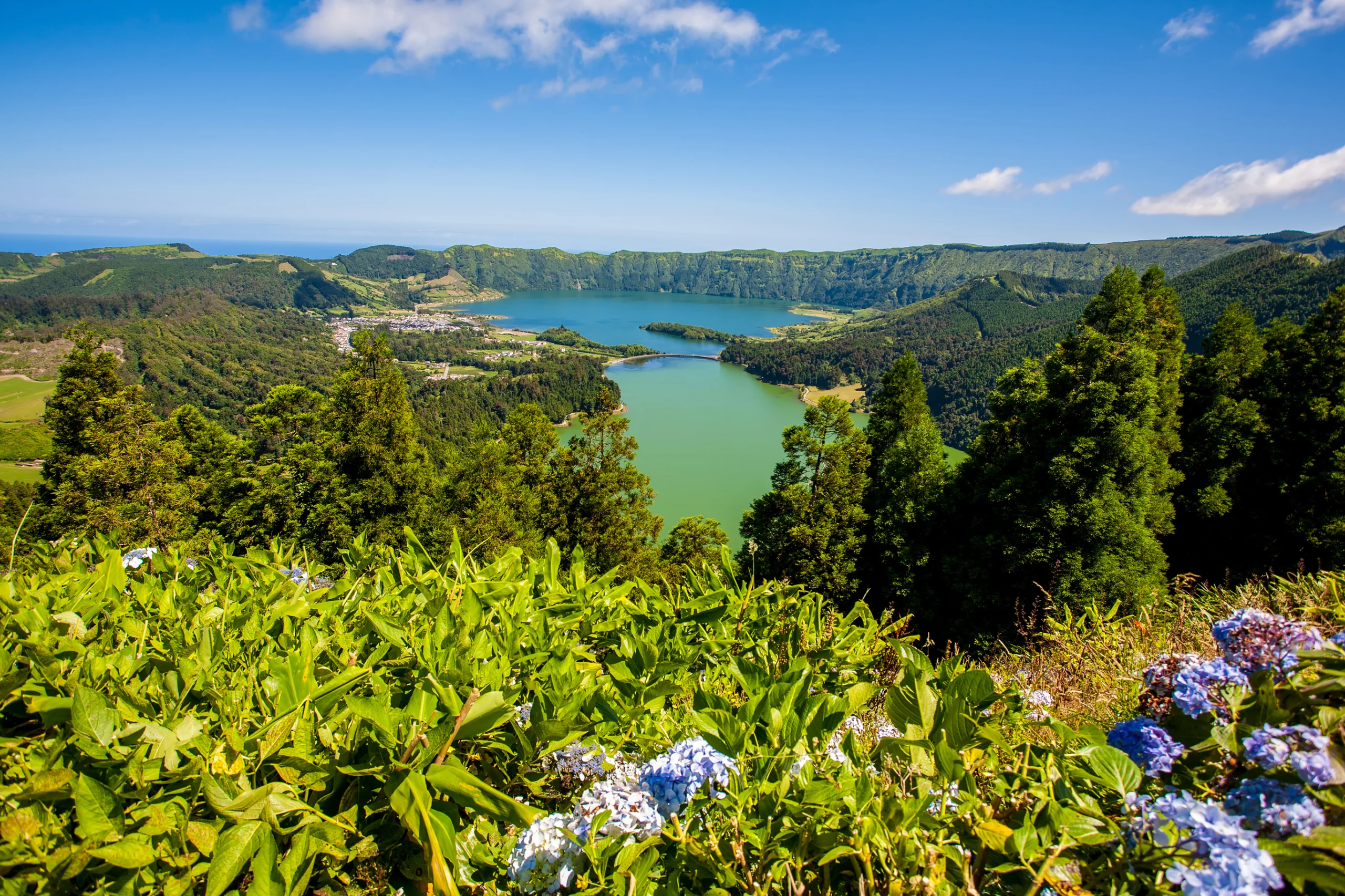
Photo by © José Gama | Dreamstime.com
Azores Itineraries at a Glance
Now that you know why the Azores is the next yachting hotspot, you’ll want to choose the perfect itinerary. As noted, sailing itineraries here typically center around two of the most rewarding cruising areas: the Eastern Group and the Central Group.
7-Day Itineraries
A 7-day Eastern Group itinerary typically focuses on São Miguel and Santa Maria. As São Miguel is home to the islands’ main airport, it’s the perfect place to start. Yachters can explore the stunning volcanic scenery of Sete Cidades and geothermal wonders in the Furnas Valley before departure. The passage to Santa Maria is typically a longer, open-water crossing with calm conditions in the summer. Once there, the island rewards visitors with a slower pace of life and an enticing mix of nature, culture, and adventure, providing variety without covering too much ground. It’s a perfect combination for those visiting on a limited amount of time. In fact, it can be done over five days, although a week is better.
The Central Group offers a more classic island-hopping trip. It’s best enjoyed over at least a week, the longer the better. Islands such as Faial, Pico, and São Jorge are located relatively close together, allowing for shorter, scenic routes. On this itinerary, you can take in some of the classic Azorean experiences. That includes highlights on the island of Pico mentioned, such as tasting wines while visiting the vineyards, and climbing Mount Pico. You’ll also be able to explore São Jorge’s dramatic coastal fajãs, flat lands formed by lava flows and landslides. Faial’s marina at Horta is a legendary stopover, with its rich culture and long sailing history.
10-Day+ Itineraries
If you’re looking for a more comprehensive yachting excursion and have at least 10 days to spare, you can combine both the Eastern and Central groups. Just keep in mind that it will require at least one longer offshore passage and staying flexible in case of inclement weather. While May through September brings the best odds for good conditions, here in the middle of the Atlantic, it’s best to prepare for the unexpected.
More articles

Ready to set sail?
Discover the perfect yacht charter for you — effortlessly with Yacht.com.


