Croatia vs. Greece for a Yacht Charter: An Expert Guide to Choosing Your Mediterranean Destination
Both destinations offer world-class sailing, stunning islands, and exceptional cuisine — but Croatia and Greece each have distinct advantages depending on what you're after.

Croatia and Greece are two of the most popular countries for a yacht charter in the Mediterranean. They’re equally alluring, with hundreds of enchanting islands, picturesque beaches, opportunities for outdoor adventure, impressive historical sites, mouthwatering cuisine, and opportunities for nightlife. It’s relatively easy to get between the two and combine both in one trip, but if you can only choose one, which of these yacht destinations is right for you?
While these nations do have many similarities, there are some differences that can help you decide where to go based on your particular needs and wants. Having sailed multiple routes in Croatia and Greece, I’ve put together this guide to help you plan the optimal trip, whether you want to focus on beaches, adventure, history, food and wine, or perhaps a little of all the above.
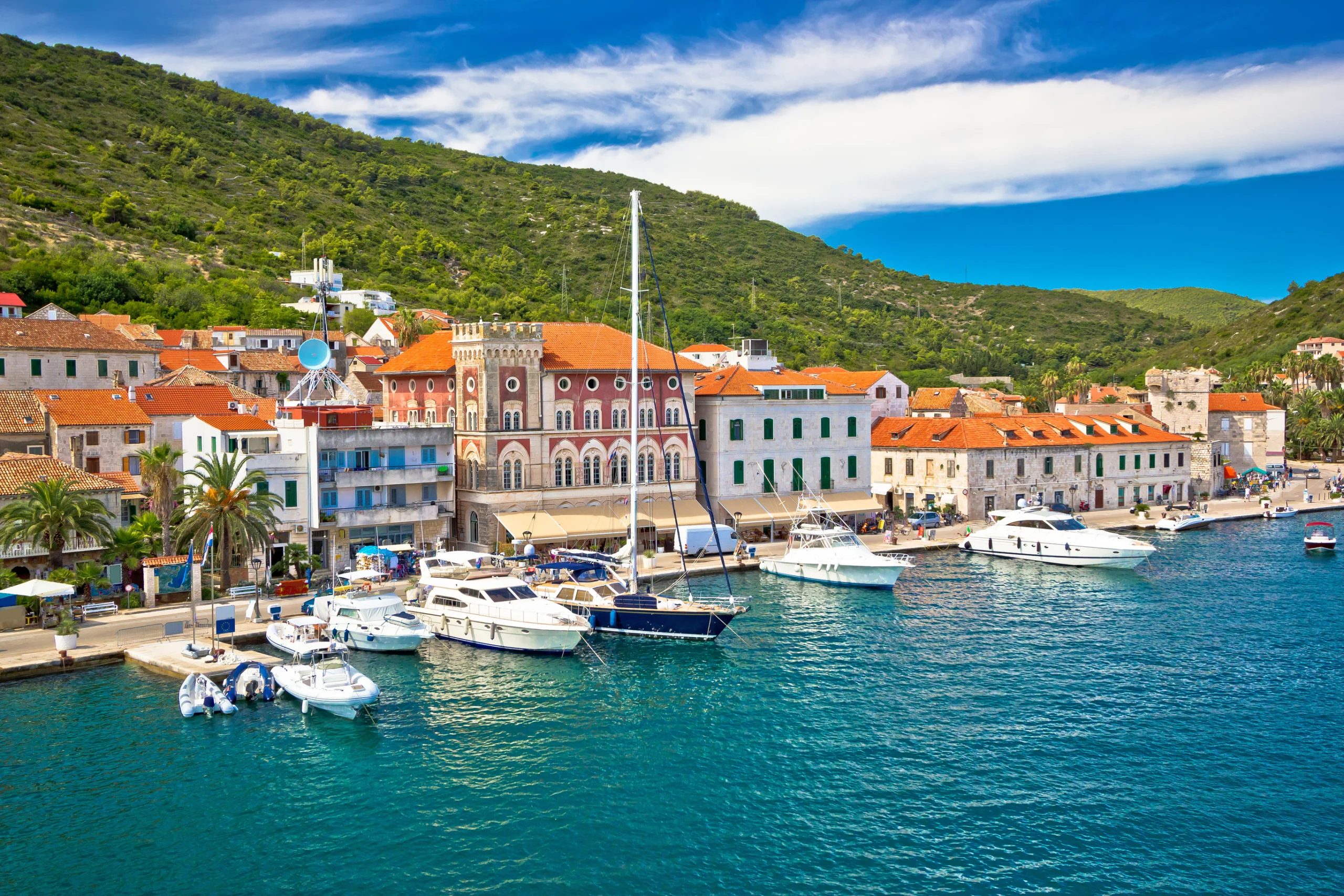
Photo by © Xbrchx | Dreamstime.com
Croatia Climate & Sailing Conditions
Located along the Adriatic, the northernmost arm of the Mediterranean Sea, Croatia enjoys the typical Mediterranean climate with warm temperatures between May and September, ranging from afternoon highs in the mid-70s to the upper 80s Fahrenheit. The sea is typically too cold for swimming in April and May, but it starts to warm in June and remains pleasant through at least early October.
May to September generally brings the best sailing conditions, with calm seas and moderate winds, although the season extends from April to October. Navigating through the Croatian archipelago requires careful navigation due to the number of channels, reefs, and islands, with a mix of protected and more exposed waters.
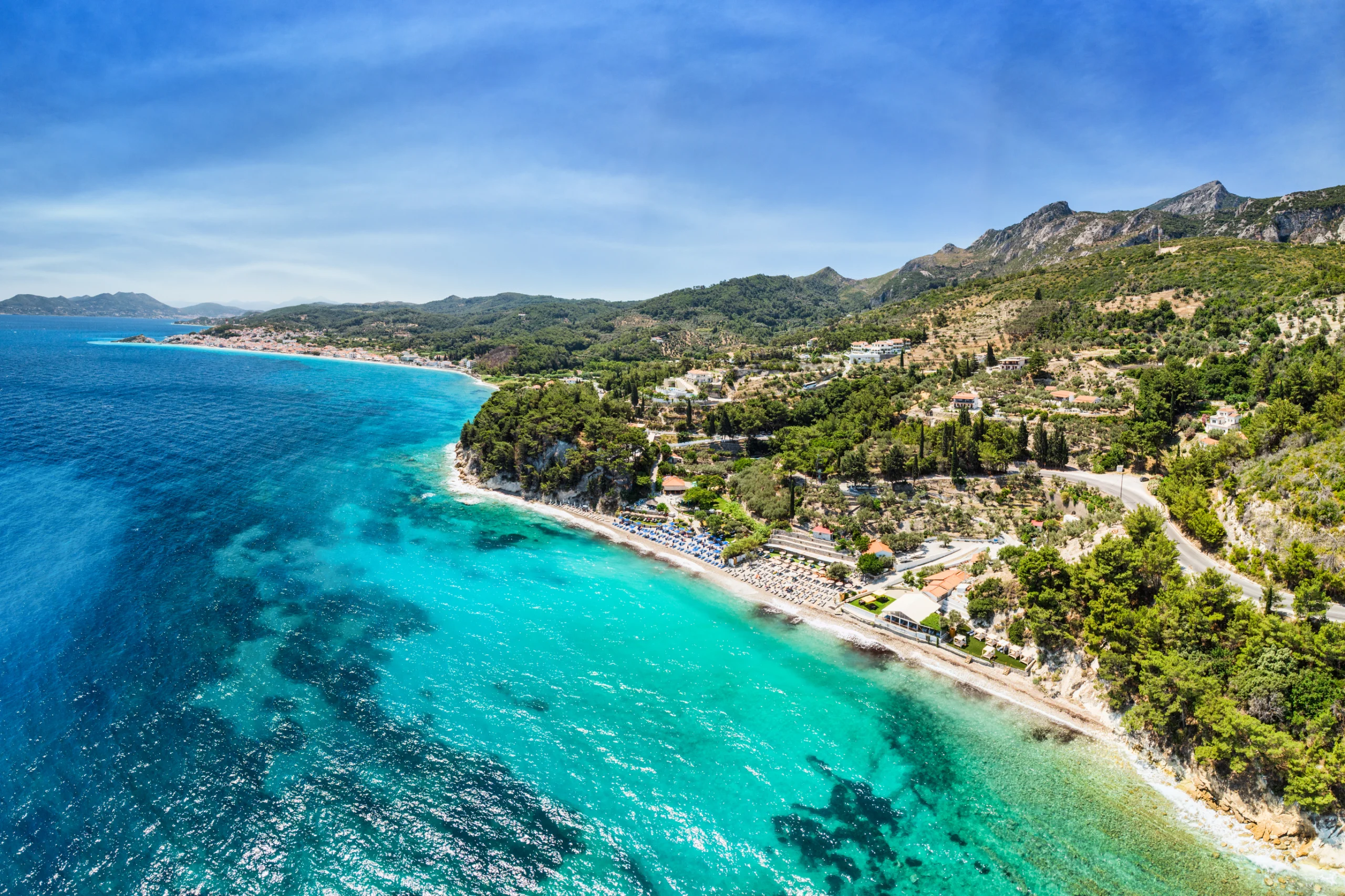
Photo by Photo by © Costas1962 | Dreamstime.com
Greece Climate & Sailing Conditions
Greece is primarily surrounded by three main seas. All are part of the Mediterranean basin, with the Ionian to the west, the Aegean to the east, and the Mediterranean Sea proper to the south. While the sun can feel more intense here, it enjoys a similar mild climate. The warmest temperatures are from May through September, ranging between the mid-70s and upper 80s, depending on the specific location. Like Croatia, the water will be pleasant enough for swimming by June and generally remains that way through early to mid-October.
The general sailing season in Greece is from April through October, with November through March subject to wet and windy conditions. One can expect ideal conditions with calm seas, consistent winds, and predictable weather patterns during the summer. Navigating the islands is relatively straightforward, with many sheltered bays for anchorage and short distances between them. The shortest distances between islands can be found in the Ionian Sea and Saronic Gulf, ideal for less-experienced yachters, while the popular Cyclades are a bit farther apart.
The Beaches
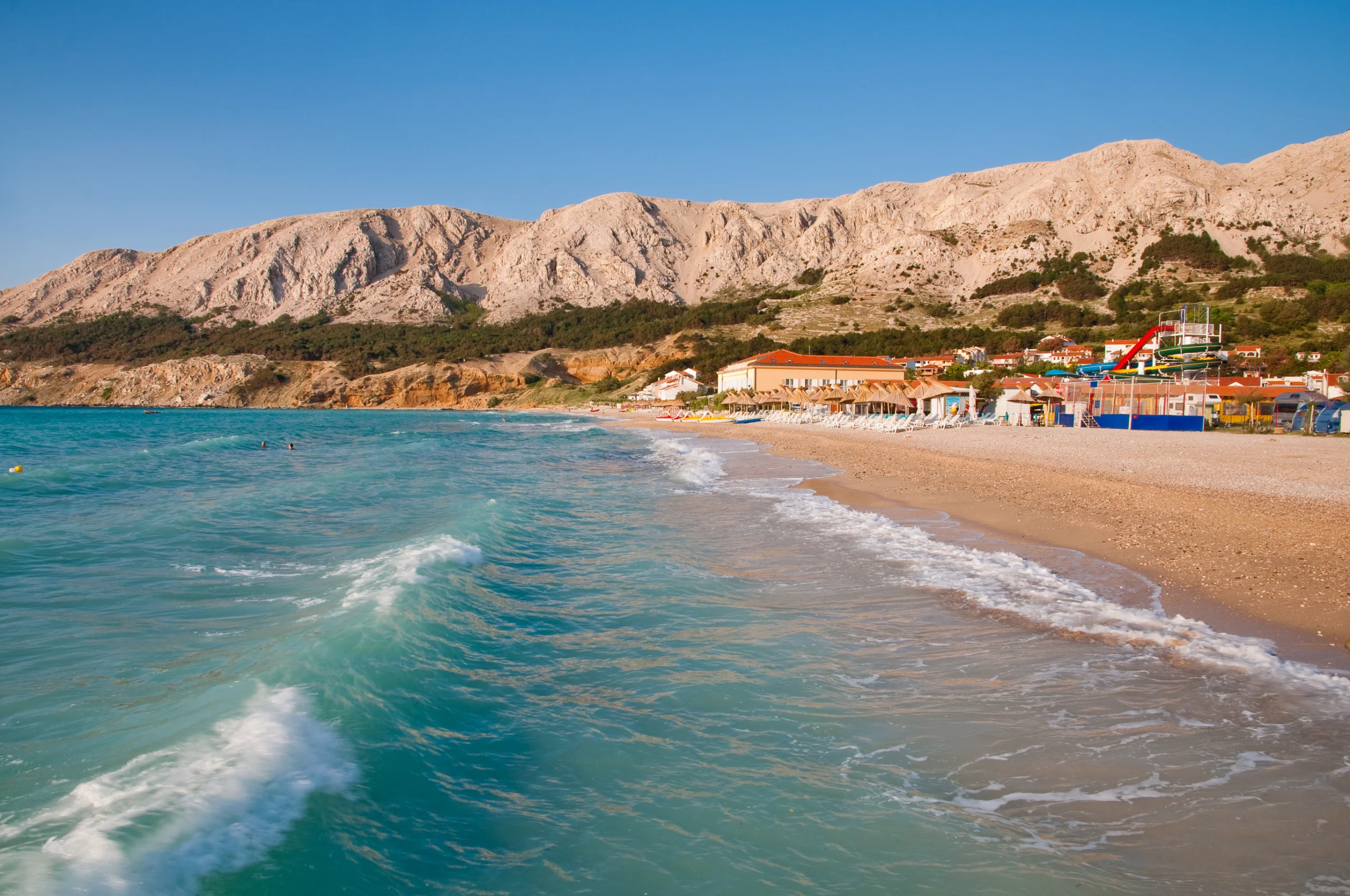
Photo by © Pablo Boris Debat | Dreamstime.com
Croatia
If your primary reason for a yacht charter is to spend time at the beach, you will find many in Croatia, including over 80 Blue Flag-certified stretches. But keep in mind that most are made up of pebbles rather than sand. While that can mean clearer water in some cases, you’ll need to bring your water shoes as the pebbles continue into the water and can be uncomfortable or even painful to walk on. When it comes to beauty, it’s hard to compare as both countries have many beautiful beaches.
Some of the most visually stunning beaches in Croatia include world-famous Zlatni Rat (also known as the Golden Horn due to its shape) on Brac Island. It’s made up of white pebbles that glisten under the sun, jutting about a third of a mile into electric blue waters, with the shape changing depending on the current, tide, and the wind. Secluded Stiniva Beach on Vis Island is another impressive stretch. Sandwiched between two towering cliffs, it’s lapped by water in spectacular shades of emerald and turquoise, in addition to being a top spot for swimming with sea turtles.
Greece
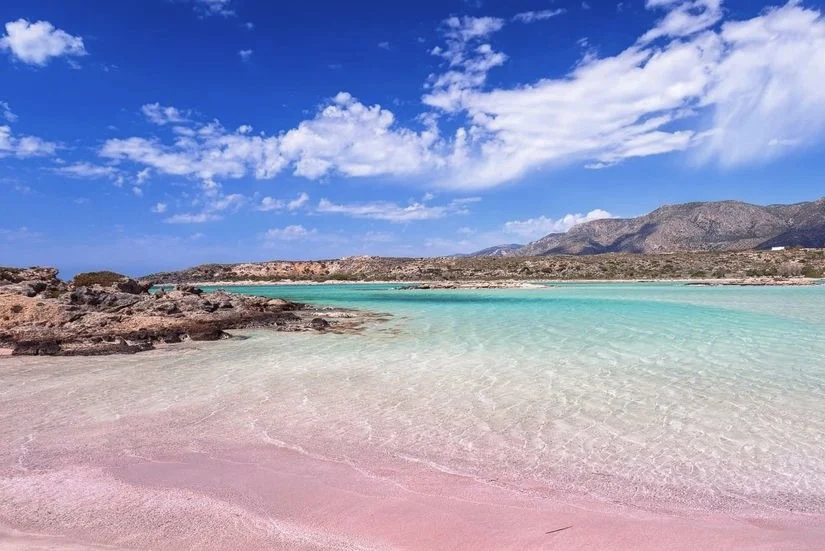
The beaches in Greece can vary significantly depending on the destination. They range from white, powdery stretches and soft spans with pale golden hues to unique volcanic beaches with black or even fiery red sands. You’ll even find some pink-tinted beaches on Crete. The lush Ionian Islands are known for their spectacular beaches, often backed by pine trees and edged by water in surreal shades like Easter egg blue.
The Cyclades Islands also stand out for their beaches, including Sarakiniko on Milos, with smooth, lunar-like rock formations to sunbathe on that are beautifully contrasted by the brilliant blue sea. Some of the best beaches with long stretches of soft sand are on Naxos and Mykonos. Santorini is limited when it comes to white, sandy stretches, although it does have black sand beaches and colorful spans like Red Beach. Crete is home to many sandy beaches, including some that are frequently named among the world’s best, like Elafonisi with its white sands that have pink undertones.
Outdoor Adventures

Beyond sailing, yachters in both Greece and Croatia will find a wide range of outdoor adventures, including a wealth of water sports like snorkeling, diving, paddleboarding, kayaking, windsurfing, and river rafting. On land, the diverse landscapes are ideal for everything from hiking, canyoning, rock climbing, and Jeep safaris to biking and zip-lining.
Historical Attractions
Croatia
In Croatia, visitors can explore many medieval walled towns, including Dubrovnik, Split, Korcula Town, and Trogir. There are dozens of historic landmarks throughout the country, with some of the most famous including the 4th-century Diocletian’s Palace in Split (featuring some of the world’s most well-preserved Roman architecture), the 1st-century Pula Arena, and the 15th-century St. James Cathedral in Sibenik.
Greece
Greece is a haven for history enthusiasts, steeped in mythology and ancient history. It’s home to a vast number of archaeological sites spanning millennia, including over 100 well-known locations and 20 UNESCO World Heritage Sites like the Acropolis in Athens and the Minoan Palace of Knossos in Crete. There are countless ancient temples and historic churches. Greece even has its own version of Pompeii on Santorini, with the settlement of Akrotiri covered under a blanket of volcanic ash around 1600 BC, providing a glimpse of life during the Late Bronze Age.
Culinary Delights

Photo courtesy of KC Dermody
Croatia
Croatian cuisine can vary somewhat depending on the destination, but in general, it’s a fusion of Mediterranean, Slavic, and Central European fare. The closer you get to Italy, including the Istria Peninsula, the more Italian influence you’ll notice. Coastal towns are particularly renowned for fresh seafood and fish. Black risotto is a favorite, getting its name from the cuttlefish or squid in it that provides tender meat and black “ink.” The Peljesac Peninsula near Dubrovnik is renowned for its freshly harvested oysters and mussels, widely regarded among the world’s best. Prosciutto, locally known as pršut, is a beloved delicacy, particularly in Istria, Krk Island, and the Dalmatia region.
Istria is famous for its truffles, with truffle pastas and truffle risottos commonly found on menus. Further inland, meat-focused dishes are more common, including slow-cooked stews with lamb or goat. Regional cheeses are deeply tied to the local geography. They range from hard sheep’s milk cheeses along the Dalmatian coast and Pag Island (famous for Paški sir) to soft, spreadable cow’s milk cheeses produced inland. Olive oil is a common staple throughout Croatia, but Istria’s is world-renowned, consistently ranked among the best olive-growing regions globally. Side dishes frequently feature ingredients from a family’s own garden. Visitors can also expect plenty of tasty local and regional wines to pair with just about any Croatian dish.
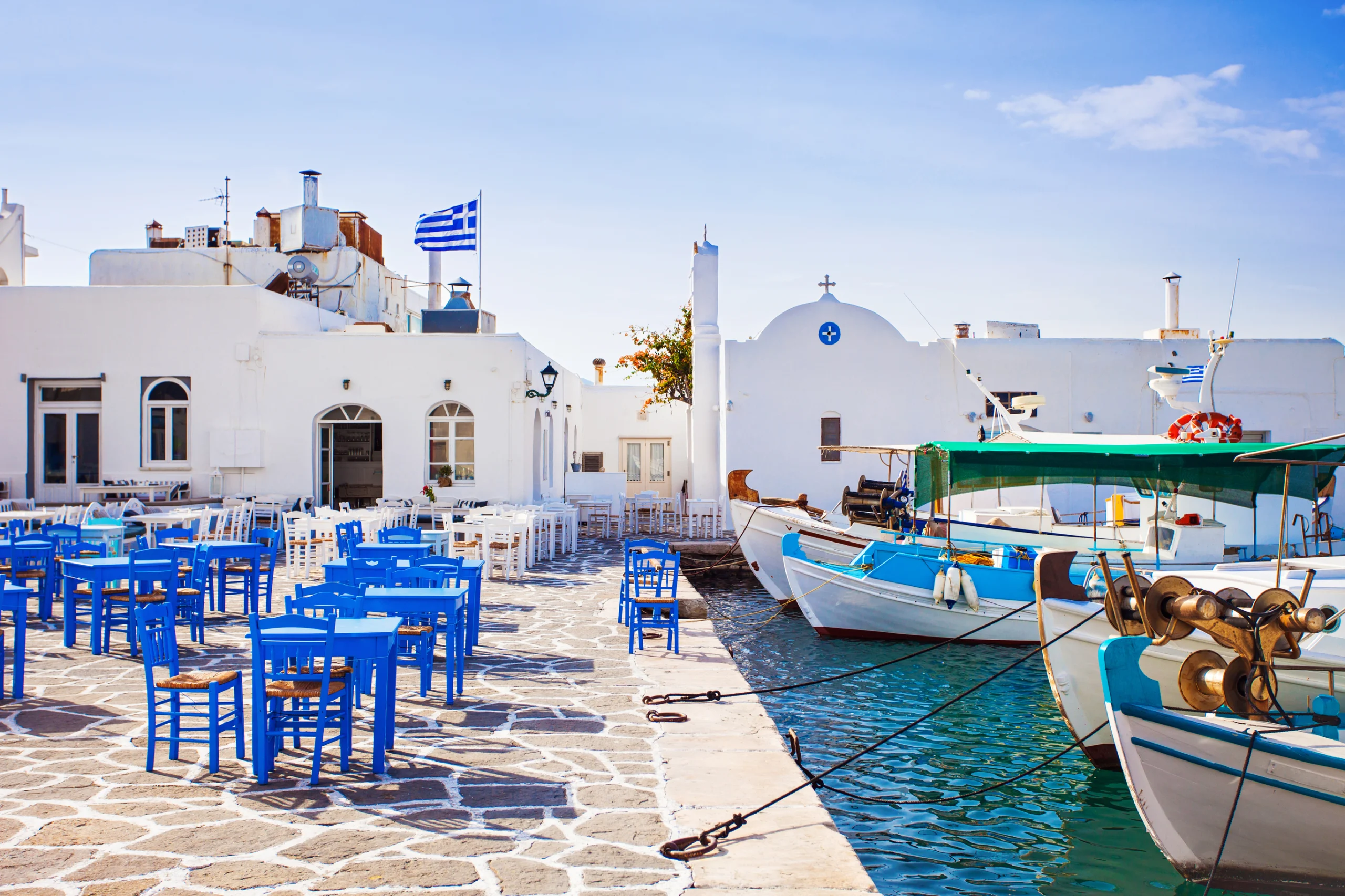
Photo by © Poike2017 | Dreamstime.com
Greece
Similar to Croatia, Greek cuisine is often focused on fresh ingredients with Mediterranean flavors. Several native dishes have found their way to foreign shores, such as souvlaki, moussaka, and gyros, but you’ll also find lots of fresh fish and seafood paired with local veggies in family-run tavernas along the coast. Grilled meats, popular cheeses like feta, and vibrant salads are commonly found throughout the country, along with the liberal use of olive oil and wild herbs. Many of the islands have their own signature dishes, like Paros, known for its kaltsouni, an herb-filled Parian pita. Sifnos serves lamb in its traditional clay pots, while Santorini is known for tomatokeftedes (tomato fritters) and fava dip (yellow split pea puree).
Greece is one of the world’s oldest wine-producing regions, with evidence of winemaking dating back some 6,500 years, so you know you’ll have plenty of tasty options to choose from. Santorini has an especially impressive selection of unique wines with the grapes grown in mineral-rich volcanic soil, creating aromatic, full-bodied flavor profiles.
Party Scene & Nightlife
Croatia
While the nightlife is typically more laid-back in Croatia, summers are more lively. During the day, you might sip drinks at a beach bar, enjoy live music, or take part in outdoor events like festivals. Hvar Town is world-famous for its after-dark scene, with everything from elegant cocktail lounges to late-night clubs for dancing ’til dawn. You’ll find a good range of nightlife venues in the major cities too, including Split, Dubrovnik, and the capital of Zagreb, with options that include rooftop bars, underground clubs, and concert venues.
Greece
Greece is renowned for its beach party scenes, music festivals, and nightlife with buzzing bars and clubs that often bring in celebrity DJs, especially in the popular Cycladic islands. Mykonos hosts luxury beach clubs like Paradise and Super Paradise, along with gay-friendly bars in Old Town Mykonos and Little Venice. In Paros, you’ll find vibrant nightlife in Naoussa, while Ios hosts beach parties that continue throughout the night. Santorini’s scene is more relaxed, focused in Fira with its cocktail bars and sunset views.
There’s plenty of fun to be had in Athens for those who plan to spend time in the capital at the beginning or end of their yacht charter, from trendy dance clubs in Gazi to rooftop bars in Psiri.
More articles
Ready to set sail?
Discover the perfect yacht charter for you — effortlessly with Yacht.com.


